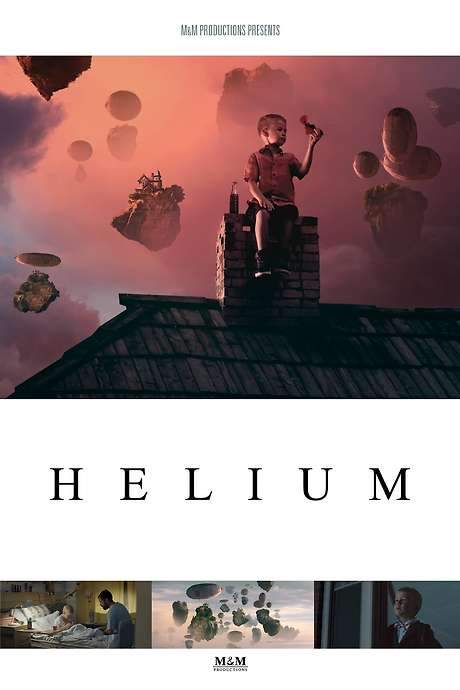
Set in the mid-1960s, the story follows ten-year-old Harriet Frankovitz, Evan Rachel Wood, a lonely outcast who lives with her mother, Cathy Moriarty as Mrs. Frankovitz, and her older sister Gwen, Mary Stuart Masterson, in a dilapidated New Hampshire motel whose cabins are oddly shaped like tipis. The place feels more like a temporary refuge than a home, and Harriet clings to small, bright dreams as a way to escape the gray, cramped reality of her daily life. Her imagination becomes a lifeline: she imagines riding a magic carpet off the roof, boarding a gleaming flying saucer she anxiously awaits in the schoolyard, digging a long tunnel to China, or tying helium-filled balloons to a lawn chair in a bold, silent revolt against the ordinary.
Her mother lives with a bitterness that borders on despair, and she struggles with alcohol and reckless behavior, often driving on the wrong side of the road. Gwen, meanwhile, fills the motel with a buzz of secrecy and risk, engaging in casual affairs with men who drift through the vacant rooms, a pattern Harriet observes with a mix of curiosity and fear. The house feels crowded with unspoken tensions and unfulfilled possibilities, and Harriet’s longing for connection—and a sense of control over her own life—grows louder in response.
Into this fragile balance enters Leah Schroth, terminally ill, who is traveling with her son Ricky, Kevin Bacon, as they make a reluctant stop near the motel while Leah hopes to admit him into an institution that could help him. The plan is practical and distant, but it anchors Leah’s presence with a quiet urgency. When their car breaks down, Leah and Ricky linger at the motel longer than they intended, and the two become part of the fragile drama playing out in Harriet’s world. Leah’s illness and the looming responsibility Ricky represents cast a shadow over Harriet’s already precarious life, adding another layer to the family’s evolving dynamics.
Tragedy strikes when Mrs. Frankovitz is killed in an automobile accident, a moment that shatters the already fragile sense of safety hovering over the motel. In the wake of the crash, Harriet makes a startling discovery: Gwen is not merely Harriet’s sister but her biological mother, a revelation that upends Harriet’s sense of identity and belonging. The news rearranges relationships in a way that leaves Harriet both startled and burdened with new, complicated loyalties.
Driven by the need to escape her new, unsettled reality, Harriet runs away with a distressed young girl she befriends, and together they seek refuge in an abandoned caboose hidden away beneath dense woods. The secluded, hushed shelter becomes a fragile new home where Harriet can try to make sense of the world she’s inherited and the people who inhabit it. Yet a new crisis arises when Ricky falls gravely ill, forcing Harriet to navigate the unfamiliar terrain of seeking medical help for him, a responsibility that tests her resolve and resourcefulness.
As Ricky begins to recover, Leah—who has been carrying the weight of a difficult journey—chooses to continue on with him, aiming to complete the interrupted trip they had planned. This departure leaves Gwen and Harriet to confront a reframed mother-daughter relationship, one that must be rebuilt from the ground up. The film lingers on their tentative cooperation and the slow, careful negotiation of boundaries, care, and love as they learn to inhabit their evolving roles within a family strained by circumstance, loss, and sudden truths.
Throughout, the film maintains a meditative, observant tone, with a quiet focus on the small, intimate details of daily life and the larger questions of what it means to belong, to protect, and to redefine family in the face of upheaval. The backdrop of the motel and its surroundings—its unconventional cabins, the secluded woods, and the improvised shelter in the caboose—serves as a physical map of Harriet’s inner journey: from isolation and fantasy toward a more grounded, albeit imperfect, sense of connection and responsibility.