Plot Explained Spoilers guaranteed!
Plot Explained

Browse by genre

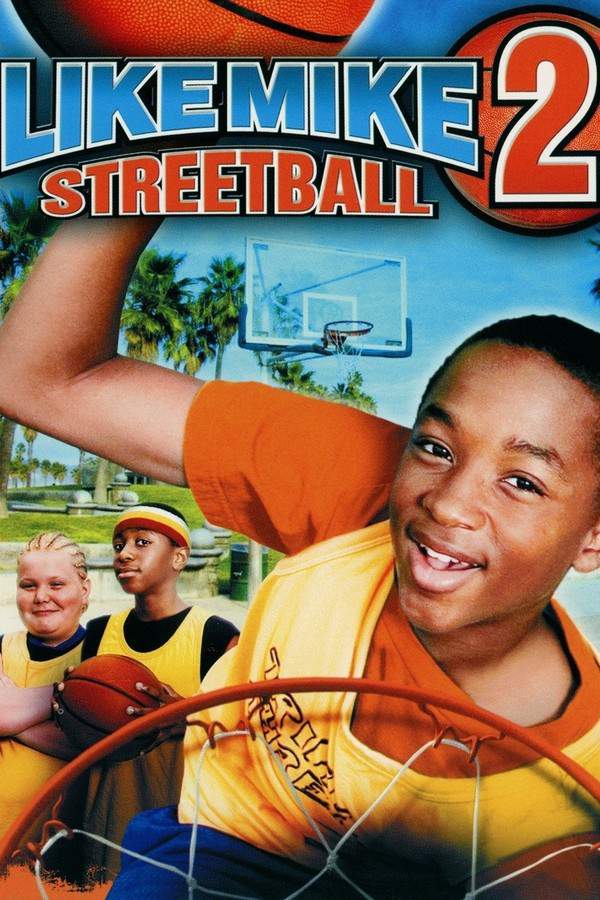
Like Mike 2: Streetball (2006) movie poster

Plot Summary

Like Mike 2: Streetball (2006) Plot Summary Explained

Release, runtime and language
2006 · 96 mins · English
Directed by
David Nelson
Starring
Michael Beach, Brett Kelly, Kel Mitchell, Mark Cuban, Clyde Drexler, Doug Abrahams

Another young boy with ‘hoop dreams’ finds an old pair of Michael Jordan’s sneakers and can suddenly play ball like the greatest player in the world.

On this page (6)
  1. 1 Where to watch
  2. 2 What happens: full plot
  3. 3 Plot questions answered
  4. 4 Movie threads
  5. 5 Movies like Like Mike 2: Streetball
  6. 6 Every angle

Where to watch

Where to Watch Like Mike 2: Streetball (2006)

Where can you watch Like Mike 2: Streetball? Stream, rent or buy it in the US, including on Amazon Prime Video, Disney Plus and Amazon Video: current JustWatch availability with up-to-date prices.

Streaming availability powered by JustWatch

Full plot summary · contains spoilers

What Happens in Like Mike 2: Streetball: Full Plot Summary

The whole story of Like Mike 2: Streetball (2006) explained, from the opening scene to the final frame: every key event, every twist and what it all adds up to. Read it as a quick recap before the sequel, to check a scene you missed, or to finally understand what really happened.

Jerome Jenkins Jr. Jascha Washington and his friends are streetswise basketball players who hold their own against younger competitors in their neighborhood, yet they constantly chase a bigger break. When a flashy streetball team named Game On rolls into town to scout talent, the crew commits to a grueling regimen, hoping that a chance at national exposure will finally put them on the map. The chance comes sooner than expected after Jerome discovers a pair of sneakers hanging from a streetlight that will change everything; a lightning strike afterward seems to bless the shoes with a magical touch that lets the wearer play with a rare, almost otherworldly precision.

At the Game On talent game, Jerome seizes a half-court opportunity and even goes one-on-one with a rival streetballer, using the enchanted sneakers to win with ease. Impressed, the Game On coach offers him a spot on the team, and Jerome steps into a new world of hype and attention. But not everyone is rooting for him to stay grounded. His lazy and scheming cousin, Kel Mitchell as Ray, quickly proclaims himself Jerome’s agent and starts signing him up with sponsors, all while keeping Jerome under his thumb and steering his fame toward personal gain.

The early triumphs don’t come without tension. During the first Game On game, Jerome’s arrival sparks a comeback even as the onlookers start to whisper about his sudden ascent. Off the court, their night out in a club is off-limits to Jerome because he’s underage, so the crew heads to an amusement park where the nickname Triple J is bestowed upon Jerome. Ray’s confluence of power and promises pushes Jerome toward becoming a glory hog, and the dynamics with his longtime friends begin to strain as the attention grows.

As the season continues, Jerome’s father returns home, stirring a familiar balance of guidance and friction. Ray pushes hard for a contract that would grant him a sizeable 15% of Jerome’s earnings, while also booking him for a high-profile music video. Jerome Sr., Michael Beach emerges as the moral compass in the household, challenging the paths Jerome is being led toward and clashing with Ray’s manipulative tactics. The family’s turmoil hits the court when the team prepares for the upcoming decisive match against the league’s strongest squad, the Drop Squad, coached by Mark Cuban. The stakes rise as expectations collide with loyalty, money, and personal dream.

Before the last game of the season, Ray urges Jerome to wear sponsor shoes, but Jerome resists, knowing the magic sneakers are what truly elevate his play. The showdown with the Drop Squad—featuring a teammate nicknamed Ghost in the Machine Micah Williams—tests their resolve. Ghost’s father is in the stands, and the moment carries emotional weight; yet Jerome’s loyalty to his friends remains a major theme as the two teams clash. At half, Ray quietly swaps Jerome’s magic shoes for the sponsor pair, and Jerome’s performance falters. The team loses the critical game, and Jerome announces that he’s quitting.

A frank conversation outside changes everything. Ray’s grip on Jerome loosens, and when his scheming is exposed, Jerome’s mother forces Ray out of the house. Realizing how far he’s strayed, Jerome goes back to apologize to his friends, and they rekindle their bond. They decide to form a new crew, a squad they can truly call their own—Triple Threat—and Jerome secretly recovers the magic shoes from Ray’s belongings. The next showdown features Ray’s new squad, Ray-On, pitting the rival teams against each other in the finals of “King Of The Concrete” style competition. The tension peaks as Nathan gets hurt and Jerome’s team fights to hold the line without relying on the magical footwear.

In the finals, Jerome and his friends ride a wave of determination fueled by trust and teamwork. When the time comes, Jerome attempts the final shot without the magic sneakers; his father, Jerome Sr. [Michael Beach] stands beside him, offering steady guidance. The ball sails through the net, delivering a hard-fought victory for Triple Threat. After the win, sponsors approach again, but Jerome’s father refuses most offers, preferring to keep their team grounded in integrity rather than hype. Ray’s last attempt to resurrect the old contract ends with him locked in a trunk of a car by Dalton, a debt-ridden push-back to his schemes. In the end, the sneakers that started the journey are hung up from a street light, a ceremonial symbol of both the temptations and the triumphs of Jerome’s road to maturity.


Last updated: October 09, 2025 at 16:32

Was this helpful?

Plot questions answered

Like Mike 2: Streetball Plot Explained: Your Questions Answered

The questions people ask most about Like Mike 2: Streetball (2006): what happens in the confusing scenes, why the characters do what they do, the twists, hidden details and what the ending means. Each answer contains spoilers.

Q1

How did Jerome's sneakers get magical powers?

After Jerome takes the sneakers from the streetlight, a bolt of lightning strikes them directly. This supernatural event imbues the wearer with extraordinary basketball abilities, allowing Jerome to play with precision and skill far beyond his previous level. The magical power is tied specifically to these particular sneakers.

Foreshadowing: Earlier in the neighborhood, Jerome and his friends are shown struggling to compete against younger players, establishing his need for a breakthrough.

  • magic shoes
  • lightning
  • basketball powers
  • supernatural
  • Jerome
Q2

Why did Ray want 15% of Jerome's earnings?

Ray's motivation was pure self-interest. He saw Jerome's sudden basketball success as an opportunity for personal financial gain. By getting a contract that gave him 15% of Jerome's earnings, Ray could profit from his cousin's talent without actually contributing anything meaningful to Jerome's career or development.

Foreshadowing: Ray immediately inserts himself as Jerome's agent after seeing his performance at the Game On tryout, showing his opportunistic nature from the start.

  • Ray
  • cousin
  • money
  • contract
  • exploitation
Q3

Why did Jerome quit after losing to the Drop Squad?

When Ray secretly swapped Jerome's magic sneakers for sponsor shoes before the game, Jerome's performance suffered badly and the team lost. Feeling betrayed and believing he could only succeed with the magical shoes, Jerome reacted by announcing he was quitting the team.

Foreshadowing: Ray had been pushing Jerome to wear sponsor shoes earlier, creating tension about his dependence on the magical footwear.

  • quit
  • Drop Squad
  • loss
  • shoes
  • Ray betrayal
Q4

What happens to the magic sneakers at the end of the movie?

After Triple Threat wins the championship without the magic shoes, Jerome hangs them back on the streetlight where he originally found them. This symbolic act represents his maturity, he no longer needs the magical shortcut to succeed and has learned that true victory comes from teamwork and integrity rather than supernatural assistance.

Foreshadowing: The movie opens with Jerome discovering the shoes on the streetlight, making their return a meaningful circular conclusion.

  • sneakers
  • streetlight
  • ending
  • symbol
  • maturity
Q5

Why did Jerome's dad refuse the sponsorship deals?

Jerome Sr. wanted to keep his son grounded and focused on genuine skill development rather than commercial success. He believed accepting too many sponsorships too early would corrupt Jerome's love of the game and lead him down the same manipulative path that Ray had tried to take. His refusal emphasized the moral compass theme of the story.

Foreshadowing: Earlier, Jerome Sr. clashed with Ray over the direction of Jerome's career, clearly opposing the greedy approach.

  • Jerome Sr
  • father
  • sponsorship
  • integrity
  • family values
Q6

Why did Jerome play badly when he wore the sponsor shoes?

The magic sneakers that gave Jerome his extraordinary abilities were only in his possession because of their supernatural origin. When Ray switched them with regular sponsor shoes before the crucial game, Jerome lost his magical advantage and performed at his normal skill level, which wasn't enough to beat the Drop Squad.

Foreshadowing: The magic was established as coming specifically from the lightning-struck shoes, not from Jerome himself.

  • sponsor shoes
  • magic shoes
  • swap
  • performance
  • Ray trick
Q7

How did Triple Threat basketball team form?

After Jerome broke away from Game On and reconciled with his original friends following Ray's expulsion from the house, they decided to form their own team. They named themselves Triple Threat, representing their unified strength and diverse skills. This new squad became the team Jerome truly belonged to, built on friendship rather than contractual obligations.

Foreshadowing: Early in the film, Jerome and his friends are established as a tight-knit group who play together in the neighborhood.

  • Triple Threat
  • team formation
  • friends
  • Jerome
  • new squad
Q8

Why was Ray locked in a car trunk at the end?

After Ray's manipulative schemes were exposed and he was kicked out of the house, he continued trying to resurrect his old contract with Jerome. Dalton, who apparently owed Ray some kind of debt or had grown tired of his schemes, locked Ray in the trunk of a car as payback, trapping him there while the car was towed away.

Foreshadowing: Ray had been collecting debts and making enemies throughout the film through his dishonest dealings.

  • Ray
  • trunk
  • Dalton
  • punishment
  • ending
Q9

Why did Jerome choose to play in the finals without the magic sneakers?

Jerome realized that depending on the magic shoes was taking the easy path and wasn't his own true skill. His father reminded him that he had the ability to win through hard work and teamwork, not magical assistance. By choosing to play without the enchanted sneakers, Jerome proved he could succeed on his own merits and redeemed himself for his earlier glory-hogging behavior.

Foreshadowing: Jerome's earlier selfishness about hogging the ball and seeking fame set up this moment of redemption through humility.

  • final game
  • no magic shoes
  • teamwork
  • redemption
  • Jerome Sr
Q10

What is the nickname Triple J and how did Jerome get it?

Triple J was Jerome's streetball nickname given to him by his friends at an amusement park after a night out. The name combines the initials of his full name, Jerome Jenkins Jr., and represents his growing identity as a serious basketball player. The nickname marked his transition from a local neighborhood player to a recognized streetball competitor.

Foreshadowing: The scene occurs right after Jerome's first major Game On victory, establishing his rising status.

  • Triple J
  • nickname
  • Jerome
  • amusement park
  • streetball

Movie threads

More Movies Like Like Mike 2: Streetball, by Mood & Story

Curated lists built around what makes Like Mike 2: Streetball tick: the same mood, the same kind of story or the same emotional payoff. Each list explains why these movies belong together.

Movies with magical sports journeys like Like Mike 2: Streetball

Uplifting stories where an ordinary person gains magical skills to achieve greatness. If you enjoyed the magical basketball fun of Like Mike 2: Streetball, you'll love these movies. This list features similar family-friendly stories where characters use magical items or powers to excel in sports, blending fantasy, lighthearted competition, and heartfelt life lessons about teamwork and staying true to yourself.

  • magical
  • underdog
  • uplifting
  • heartwarming
  • energetic
  • competitive
  • Tone: hopeful, uplifting
  • Pacing: steady, energetic
Why these movies?

The story pattern: Stories in this thread follow a clear arc: an underdog discovers a source of magical power, enjoys a rapid rise to fame and success, confronts the moral dilemmas and personal costs of their newfound abilities, and ultimately learns that genuine skill and good sportsmanship are more valuable than any supernatural advantage, often culminating in a triumphant and morally sound victory.

Why they belong together: These movies are grouped together because they share a specific blend of fantasy and sports, a hopeful and energetic tone, and a focus on lighthearted, morally instructive narratives. They provide the satisfying wish-fulfillment of an underdog's magical rise while consistently emphasizing positive values like friendship, hard work, and integrity.

Family comedies with positive messages like Like Mike 2: Streetball

Lighthearted and hopeful stories where youthful mistakes lead to positive growth. Looking for more movies like Like Mike 2: Streetball? This collection features similar feel-good family comedies that combine lighthearted fun with heartfelt stories. You'll find uplifting tales about kids learning valuable lessons about friendship, teamwork, and doing the right thing, all wrapped in an energetic and hopeful package.

  • heartwarming
  • lighthearted
  • hopeful
  • family-friendly
  • uplifting
  • coming of age
  • Tone: hopeful, lighthearted
  • Pacing: steady, consistent
Why these movies?

The story pattern: The narrative pattern involves a well-meaning young character facing a challenge or temptation, making a mistake that strains their key relationships (often with friends or family), experiencing the consequences, and ultimately making amends through a gesture of forgiveness or teamwork. The journey is straightforward, with conflicts serving as clear learning opportunities that lead to a happy, morally affirming resolution.

Why they belong together: Movies in this thread share a coherent mix of a light emotional weight, a steady and accessible pace, a consistently hopeful tone, and a focus on positive character development. They are grouped because they provide a similar viewing experience: comforting, morally clear entertainment that is both fun and gently instructive.

If you liked this

Movies Like Like Mike 2: Streetball

Similar movies to Like Mike 2: Streetball: the same genre, themes or kind of story. Each one comes with its own plot summary, timeline and ending explained.

Browse all movie summaries

Every angle

Like Mike 2: Streetball (2006) Explained: Plot, Timeline & Characters

Everything about Like Mike 2: Streetball in one place: what happens in the plot summary, the timeline in chronological order, the characters and meaning and a spoiler-free summary. What's After the Movie adds the cast, box office and post-credit scenes.

Coming soon on iOS and Android

The Plot Explained Movie Summary App

Plot summaries, endings explained and timelines on your phone. Catch up on any movie in minutes, save your favorites and never miss a twist again.

Be the first to know when we launch. Your email stays private, always.

Learn more about the app