







Plot Explained Spoilers guaranteed!
Plot Explained

Browse by genre

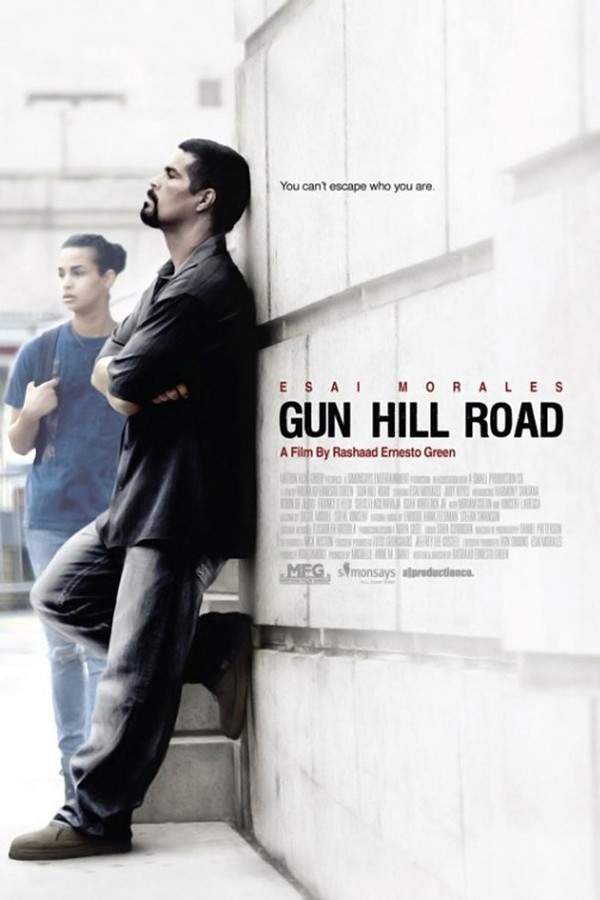
Gun Hill Road (2011) movie poster

Plot Summary

Gun Hill Road (2011) Plot Summary Explained

Release, runtime and language
2011 · 88 min · English
Directed by
Rashaad Ernesto Green

After serving time in prison, Enrique returns home to find his life irrevocably changed. His wife, Angela, has developed an emotional connection with someone else, and his teenage son, Michael, is exploring his gender identity. Struggling to understand this new reality and reconcile his traditional beliefs, Enrique must confront his own prejudices and learn to accept his family for who they are, ultimately seeking a way to reconnect with his loved ones.

On this page (6)
  1. 1 Where to watch
  2. 2 What happens: full plot
  3. 3 Plot questions answered
  4. 4 Movie threads
  5. 5 Movies like Gun Hill Road
  6. 6 Every angle

Where to watch

Where to Watch Gun Hill Road (2011)

Where can you watch Gun Hill Road? Stream, rent or buy it in the US, including on Fawesome, Hoopla and Tubi TV: current JustWatch availability with up-to-date prices.

Streaming availability powered by JustWatch

Full plot summary · contains spoilers

What Happens in Gun Hill Road: Full Plot Summary

The whole story of Gun Hill Road (2011) explained, from the opening scene to the final frame: every key event, every twist and what it all adds up to. Read it as a quick recap before the sequel, to check a scene you missed, or to finally understand what really happened.

Gun Hill Road is a poignant exploration of a family in the midst of significant transition. It tells the story of Michael, a young man grappling with his sexuality in an unforgiving and judgmental society, and the profound effects this journey has on his relationships with his parents and his own self-identity. Directed and written by Rashaad Ernesto Green, the film garnered critical acclaim, becoming a finalist for the prestigious Jury Award at the 2011 Sundance Film Festival and showcased in various festivals around the globe in the spring of that year.

The film stars Esai Morales](/actor/esai-morales) as Enrique, who, after a three-year stint in prison, returns to his altered Bronx home. He finds that his wife, Judy Reyes, is struggling with her own emotional turmoil stemming from an affair, and his teenage son, Michael (portrayed by Harmony Santana), is embarking on a sexual transformation that Enrique cannot comprehend.

As Enrique struggles to accept his son's identity, he clings to traditional notions of masculinity, while Angela attempts to shield Michael from the turmoil that has gripped their family. Under the scrutiny of his parole officer, Enrique is faced with the daunting task of re-establishing himself as a father. He must confront whether his fierce love can dismantle the hardened views of manhood that have governed his life for so long.

> “Can a father's fierce love for his family overcome his street-hardened ideas about manhood and end the vicious cycle controlling his life?”

Rashaad Ernesto Green's debut feature paints an intricate portrait of a family fractured yet yearning for connection. The film is delivered with remarkable sensitivity, gentle humor, and a profound insight into the environmental factors shaping the lives of its characters. As the narrative unfolds, viewers are invited into the complexities of love, acceptance, and the journey towards understanding in a world rife with prejudice.

Last updated: October 25, 2024 at 10:40

Was this helpful?

Plot questions answered

Gun Hill Road Plot Explained: Your Questions Answered

The questions people ask most about Gun Hill Road (2011): what happens in the confusing scenes, why the characters do what they do, the twists, hidden details and what the ending means. Each answer contains spoilers.

Q1

Why does Enrique struggle to accept Michael's identity?

Enrique struggles because his rigid traditional views of masculinity, shaped by his street-hardened life and incarceration, cannot reconcile with his son's exploration of gender identity. Having spent three years in prison where hyper-masculine norms dominate, he equates masculinity with specific cultural expectations that Michael's journey directly challenges. His inability to understand this aspect of his son creates the central conflict of the film.

Foreshadowing: Early scenes show Enrique trying to reassert his authority as a father, which sets up his resistance to anything that threatens his understanding of masculinity.

  • Enrique
  • Michael
  • masculinity
  • acceptance
  • 父子关系
Q2

What triggers the main conflict after Enrique returns home?

The main conflict is triggered by the combination of Enrique returning to find his family fundamentally changed: his wife Judy is emotionally distant due to her affair during his imprisonment, and his teenage son Michael is actively exploring his gender identity. Enrique's parole officer scrutiny adds pressure, forcing him to maintain stability while he grapples with losing control of the family he left behind.

Foreshadowing: The film establishes early that Enrique's absence has allowed major changes to occur, seeding the tension that erupts.

  • Enrique
  • prison
  • Michael
  • family conflict
  • return home
Q3

How does Judy's affair affect the family dynamic?

Judy's affair during Enrique's imprisonment creates deep emotional rifts that compound the family's existing problems. Her guilt and emotional turmoil make her less available to mediate between Enrique and Michael. This betrayal adds another layer of distrust and pain, making it harder for the family to unite around supporting Michael's identity journey.

Foreshadowing: The summary notes Judy is struggling with her own emotional turmoil, which prevents her from fully engaging with the family crisis.

  • Judy
  • affair
  • marriage
  • emotional strain
Q4

Why is Michael's transformation significant to the story?

Michael's gender identity exploration serves as the catalyst that forces every family member to confront their own prejudices and fears. His transformation is significant because it directly challenges Enrique's core beliefs about masculinity and manhood, forcing him to choose between his rigid worldview and his love for his son. The narrative uses this personal journey to explore broader themes of acceptance and prejudice.

Foreshadowing: The timeline identifies Michael's transformation as a critical focal point that reverberates throughout the family.

  • Michael
  • gender identity
  • transformation
  • self-discovery
Q5

What role does the parole officer play in the story?

The parole officer represents external societal pressure on Enrique during his reentry. This oversight forces Enrique to maintain a stable living situation and comply with rules, adding stress to an already fractured family dynamic. It also creates a ticking clock for Enrique to prove he can be a responsible father while navigating his personal conflicts.

Foreshadowing: The parole officer's introduction early in the film establishes the stakes for Enrique's behavior.

  • parole officer
  • Enrique
  • societal pressure
  • reentry
Q6

How does Angela try to protect Michael from the family conflict?

Angela attempts to shield Michael from the turmoil gripping the family by trying to mediate tensions and provide emotional support. Her protective instincts represent the maternal desire to guard her child from both societal prejudices and the internal family conflict. However, this protection is limited as the family must eventually confront their issues directly.

Foreshadowing: Angela's protective role is established early as she tries to maintain family cohesion.

  • Angela
  • Michael
  • protection
  • maternal instinct
Q7

What is the emotional climax of the film?

The emotional climax occurs when Enrique is forced to directly confront his deeply held beliefs about masculinity against the reality of his son's identity. This moment of reckoning is pivotal because it's where Enrique must choose between maintaining his rigid worldview or embracing his love for Michael despite his confusion and societal conditioning. This confrontation marks the potential turning point in their relationship.

Foreshadowing: The buildup of tension throughout the film leads to this inevitable confrontation between father and son.

  • Enrique
  • Michael
  • climax
  • confrontation
  • beliefs
Q8

Why is the film's ending considered bittersweet?

The ending is bittersweet because the family begins to embrace their complexities and find their way toward understanding, but the journey remains difficult. Enrique shows growth and a willingness to accept his son, yet the path forward is challenging and not a simple resolution. The film suggests hope for reconnection while acknowledging that overcoming years of prejudice and family trauma requires ongoing effort.

Foreshadowing: The final reflective moments show the family taking tentative steps toward healing rather than a complete resolution.

  • ending
  • acceptance
  • hope
  • resolution
  • bittersweet
Q9

How does Enrique's incarceration shape his views on masculinity?

Enrique's three-year prison sentence hardened his views on masculinity because prison culture often reinforces rigid, traditional gender roles as a survival mechanism. This environment, combined with his background in the streets, ingrained beliefs about what it means to be a man that directly conflict with his son's identity exploration. His incarceration created a barrier that makes accepting Michael's truth particularly difficult.

Foreshadowing: The timeline establishes that Enrique's street-hardened ideas are a central obstacle throughout the film.

  • Enrique
  • prison
  • masculinity
  • incarceration
  • beliefs
Q10

What are the main themes the film explores?

The film explores themes of love, acceptance, prejudice, and the journey toward understanding in a world filled with judgment. It examines how familial bonds are tested when personal identities conflict with traditional expectations. The narrative also delves into the challenges of reentry after incarceration and the environmental factors that shape individual identity.

Foreshadowing: The meta notes confirm the film centers on these themes of acceptance and prejudice.

  • themes
  • love
  • acceptance
  • prejudice
  • identity
  • family

Movie threads

More Movies Like Gun Hill Road, by Mood & Story

Curated lists built around what makes Gun Hill Road tick: the same mood, the same kind of story or the same emotional payoff. Each list explains why these movies belong together.

Family dramas about acceptance like Gun Hill Road

Dramas about families grappling with change and finding understanding. For viewers who liked the emotional journey in Gun Hill Road, this section features movies about fractured families learning to understand one another. These similar dramas focus on parent-child relationships, identity, and the difficult path to reconciliation after conflict.

  • familial conflict
  • intimate
  • sensitive
  • confronting
  • melancholic
  • hopeful glimmers
  • Tone: bittersweet, confronting, sensitive
  • Pacing: slow, character-driven
Why these movies?

The story pattern: Stories in this thread typically begin with a family unit disrupted by a revelation or return, forcing characters to confront their prejudices. The plot is driven by internal conflict and dialogue, building toward a climax that doesn't promise a perfect resolution but suggests a hopeful, ongoing process of understanding.

Why they belong together: These films are grouped by their shared focus on intimate, character-driven family conflicts and their bittersweet, emotionally heavy tone. They prioritize authenticity and sensitivity when tackling difficult topics, offering a thoughtful and confronting viewing experience.

Gritty urban dramas with intimate stories like Gun Hill Road

Slow-burn stories of personal change within a realistic city landscape. If you appreciated the realistic setting and intimate feel of Gun Hill Road, explore these similar movies. They are slow-burn character studies set in gritty urban environments, focusing on heavy emotional themes and personal growth.

  • gritty
  • intimate
  • melancholic
  • urban
  • character study
  • realistic
  • Tone: melancholic, intimate, gritty
  • Pacing: slow, deliberate
Why these movies?

The story pattern: The narrative pattern follows a character returning to or navigating a familiar but challenging urban setting, which mirrors their internal state. The plot unfolds slowly through small, significant interactions rather than major events, leading to a quiet but impactful character transformation or realization.

Why they belong together: Movies in this thread share a specific mood blend: they are intimate, gritty, and melancholic, with a slow pacing that allows for deep character immersion. The urban setting is not just a location but an integral part of the story's emotional texture and realism.

If you liked this

Movies Like Gun Hill Road

Similar movies to Gun Hill Road: the same genre, themes or kind of story. Each one comes with its own plot summary, timeline and ending explained.

Browse all movie summaries

Every angle

Gun Hill Road (2011) Explained: Plot, Timeline & Characters

Everything about Gun Hill Road in one place: what happens in the plot summary, the timeline in chronological order, the characters and meaning and a spoiler-free summary. What's After the Movie adds the cast, box office and post-credit scenes.

Coming soon on iOS and Android

The Plot Explained Movie Summary App

Plot summaries, endings explained and timelines on your phone. Catch up on any movie in minutes, save your favorites and never miss a twist again.

Be the first to know when we launch. Your email stays private, always.

Learn more about the app