










Plot Explained Spoilers guaranteed!
Plot Explained

Browse by genre

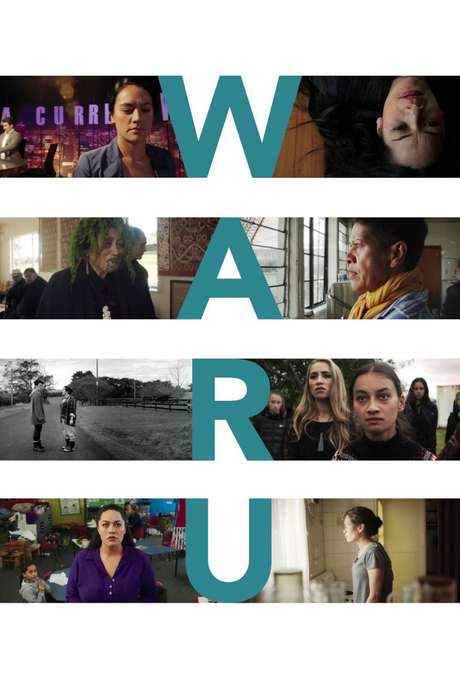
Waru (2017) movie poster

Timeline

Waru (2017) Timeline Explained – Every Event in Order

Release, runtime and language
2017 · 88 mins · English
Directed by
Briar Grace Smith, Casey Kaa
Starring
Cohen Holloway, Miriama McDowell, Thomas Sainsbury, Antonio Te Maioha, Roimata Fox, Maria Walker

This powerful film comprises eight distinct segments directed by Māori female filmmakers, all connected by the emotional journey surrounding a tangi, or traditional Māori mourning ceremony. The narrative unfolds following the tragic death of a young boy in the care of his caregiver, exploring themes of loss, grief, and cultural identity through a series of poignant and challenging perspectives.

On this page (6)
  1. 1 Where to watch
  2. 2 Events in order (10)
  3. 3 Timeline questions answered
  4. 4 Movie threads
  5. 5 Movies like Waru
  6. 6 Every angle

Where to watch

Where to Watch Waru (2017)

Where can you watch Waru? Stream, rent or buy it in the US, including on Hoopla, Fandango at Home Free and Plex: current JustWatch availability with up-to-date prices.

Streaming availability powered by JustWatch

10 events in order · contains spoilers

Waru Timeline: Events in Chronological Order

Every key event of Waru (2017) in order, scene by scene, with when and where it takes place. Use it to untangle flashbacks, time jumps and parallel storylines, to refresh your memory before the sequel or to find the exact scene you are thinking of.

  1. Charm directs the funeral food prep at the kāuta

    Charm coordinates the meal and oversees the volunteers in the kitchen, organizing offerings and the shared rites that nourish the mourners. The kāuta within the local marae becomes a hive of activity as cooks work together to honor Waru. Her leadership sets the tone for the tangi as the day unfolds.

    When
    9:59 AM
    Where
    kāuta (kitchen), local marae
  2. Anahera guides the class through processing the loss

    Anahera guides her kindergarten class and colleagues through processing the loss, helping students name their feelings and share memories of Waru. She models grief and resilience while offering space for questions and support. The classroom becomes a small center of communal healing within the tangi's morning.

    When
    9:59 AM
    Where
    kindergarten classroom
  3. Mihi cares for her kids amid financial strain

    Single mother Mihi struggles to care for her children with no money for gas or food, highlighting the everyday consequences of Waru's death on families. She tries to balance practical needs with the emotional weight of the tangi. Her situation underscores the ripple effects of violence and loss across the community.

    When
    9:59 AM
    Where
    home
  4. Em confronts responsibility after a night out

    Em returns home after a raucous night out to discover she is locked out and her baby is inside, forcing her to face urgent responsibility. The moment tests her resilience and makes her vulnerability visible to those around her. Her story threads into the tangi, showing how Waru's death touches personal lives.

    When
    9:59 AM
    Where
    her house
  5. Ranui and Hinga clash over Waru's resting place

    Ranui and Hinga, Waru's great-grandmothers, argue over where his body should rest to keep his wairua at peace. Their debate highlights tensions between tradition and practicality and elevates the importance of resting places in Maori beliefs. The moment anchors a key emotional thread that runs through the tangi.

    When
    9:59 AM
    Where
    near Waru's resting place
  6. Kiritapu faces racism as colleagues discuss Waru's murder

    Kiritapu, an anchorwoman, endures microaggressions and overt racism as her colleagues discuss Waru's murder. She tests her resolve to speak up and push back against prejudice within the media. The scene reveals how public narratives around tragedy intersect with personal dignity.

    When
    9:59 AM
    Where
    newsroom
  7. Mere finds courage to confront abuse

    Mere, a young teen, is armed with a tokotoko and finds the courage to talk back to her abuser. Her moment demonstrates personal growth amid the tangi and shows how youth respond to violence with quiet strength. The incident ties Waru’s death to ongoing cycles of threat in the community.

    When
    9:59 AM
    Where
    local community space
  8. Titty and Bash drive to reclaim Bash's children from an abusive household

    Titty and Bash drive to reclaim Bash's children from an abusive household. Their journey carries urgency and danger as they confront a vulnerable situation to protect the kids. This action adds emotional urgency to Waru's tangi and reinforces themes of care and guardianship.

    When
    9:59 AM
    Where
    in transit, by car
  9. The tangi begins and threads eight stories together

    The morning of Waru's tangi marks the start of a collective vigil, with each story unfolding to reveal different facets of grief. As the eight chapters progress, the community's shared mourning weaves disparate lives into a single narrative. The setting remains the marae as the first threads of healing are laid.

    When
    9:59 AM
    Where
    marae
  10. Community supports families and remembers Waru

    Across the morning, the community rallies to support families affected by Waru's death, sharing meals, advice, and practical aid. Neighbours come together to demonstrate resilience and generosity in the face of tragedy. Waru's memory anchors conversations about safety, healing, and intergenerational care.

    When
    9:59 AM
    Where
    marae/kāuta

Last updated: February 24, 2026 at 14:21

Was this helpful?

Timeline questions answered

Waru Timeline Explained: Your Questions Answered

When does it happen, and why in that order? The questions people ask about the chronology of Waru (2017): time jumps, flashbacks, cause and effect between scenes and the correct order of events, each answered with spoilers.

Q1

Why do Ranui and Hinga disagree about where Waru should be buried?

Ranui and Hinga, Waru's great-grandmothers, clash over his burial location because they hold different generational perspectives on death and memory. Ranui wants Waru buried in a specific family plot to ensure his wairua (spirit) can rest with ancestors, while Hinga raises practical concerns about space and ritual requirements. Their argument reflects the broader tension between honoring tradition and dealing with the practical realities of burial in their community.

  • great-grandmothers
  • burial
  • wairua
  • tradition
  • Māori burial
Q2

What is wairua and why does it matter for Waru's burial?

Wairua is the Māori concept of the spirit or soul, which remains connected to the physical body after death. The great-grandmothers argue about Waru's resting place because they believe where he is buried will determine whether his wairua can find peace and properly join his ancestors. This reflects the Māori belief that the location of burial directly impacts the spirit's journey.

  • wairua
  • spirit
  • burial
  • Māori beliefs
  • ancestors
Q3

Why is Em locked out while her baby is inside the house?

Em returns home after a night out to find herself locked out while her baby remains inside. This moment forces her to confront the consequences of her choices and creates an urgent collision between her previous lifestyle and her responsibilities as a mother. The scene illustrates how Waru's death ripples through the community, affecting even those not directly connected to him.

  • Em
  • baby
  • locked out
  • responsibility
  • parenting
Q4

Why does Mere confront her abuser while holding a tokotoko?

Mere, a young teen, finds the courage to confront her abuser armed with a tokotoko, a traditional Māori walking stick or ceremonial object. The tokotoko symbolizes strength, authority, and the right to speak in Māori culture. By bringing it, Mere transforms a symbol of elder status into a tool of personal empowerment, asserting her boundaries and refusing to remain silent about the abuse she has suffered.

  • Mere
  • tokotoko
  • abuse
  • confrontation
  • courage
Q5

Why does Kiritapu face racism while reporting on Waru's death?

Kiritapu, the anchorwoman, endures both microaggressions and overt racism from colleagues while reporting on Waru's murder. The scene demonstrates how the media's discussion of the tragedy intersects with racial dynamics, showing that even while covering a Māori community's loss, the workplace itself reflects broader societal prejudices. Her professional composure is tested as she navigates these hostile dynamics.

  • Kiritapu
  • racism
  • newsroom
  • media
  • microaggressions
Q6

Why do Titty and Bash drive to reclaim Bash's children?

Titty and Bash, two sisters, make the urgent journey to reclaim Bash's children from an abusive household. Their mission represents the film's theme of protecting vulnerable family members and taking action against violence. The scene reinforces how the community responds to abuse and the lengths family members will go to ensure the safety of children in their extended whānau (family).

  • Titty
  • Bash
  • children
  • abusive household
  • guardianship
Q7

Why does Mihi face financial hardship while everyone prepares for Waru's tangi?

Mihi, a single mother, struggles to provide for her children with no money left for gas or food on the day of Waru's tangi. Her situation highlights the everyday economic pressures that persist even during community mourning. The film shows how tragedy affects different families differently, while some gather at the marae, others must still grapple with poverty and survival.

  • Mihi
  • single mother
  • financial hardship
  • poverty
  • children
Q8

Why does the film show all eight stories happening at exactly 9:59?

The film deliberately begins all eight segments at 9:59 AM, the moment just before Waru's tangi begins. This structural choice emphasizes that the tragedy impacts the entire community simultaneously, showing how a single child's death ripples outward to affect multiple lives at once. The shared timestamp creates a mosaic effect where viewers see different perspectives on the same pivotal morning.

  • 8 stories
  • 9:59
  • structure
  • community
  • simultaneity
Q9

What is the kāuta and why is it important to the tangi?

The kāuta is the traditional kitchen area at a Māori marae (sacred meeting grounds). In Waru's tangi, Charm directs food preparation there, transforming the kitchen into a space where nourishment becomes ritual. The careful coordination of meals, plating, and delivery reflects the community's shared responsibility to honor the dead and support grieving whānau through practical acts of care.

  • kāuta
  • marae
  • kitchen
  • food
  • tangi preparation
Q10

Why does Anahera help her kindergarten class process Waru's death?

Anahera, Waru's kindergarten teacher, guides her young students through processing the loss because children often lack the words to express grief. She creates a space where students can share memories and name their feelings, modeling healthy grief responses. The scene demonstrates how the tragedy affects even the youngest members of the community and the importance of addressing grief at every age.

  • Anahera
  • kindergarten
  • teacher
  • children
  • grief

Movie threads

More Movies Like Waru, by Mood & Story

Curated lists built around what makes Waru tick: the same mood, the same kind of story or the same emotional payoff. Each list explains why these movies belong together.

Multi-perspective dramas like Waru

Stories where a single traumatic event fractures a community, seen from multiple viewpoints. Looking for movies like Waru that explore a tragedy through multiple perspectives? This section features powerful dramas where a community's collective trauma is revealed through interconnected stories and distinct character viewpoints.

  • grieving
  • raw
  • somber
  • complex narrative
  • community
  • unflinching
  • Tone: tense, somber, raw
  • Pacing: variable, deliberate
Why these movies?

The story pattern: Narratives in this thread revolve around a central, often tragic, event that serves as a pivot point. The plot unfolds non-linearly or in segments, with each part offering a distinct character's perspective, gradually building a holistic and emotionally complex understanding of the event's impact on the group.

Why they belong together: Movies are grouped here because they share a unique structural and emotional approach to storytelling. They prioritize the collective experience over a single protagonist, using their fragmented narratives to create a richer, more challenging, and deeply resonant exploration of communal trauma.

Raw dramas about grief and injustice like Waru

Emotionally heavy films that confront difficult truths about loss, abuse, and cultural resilience. If you appreciated the raw and heavy emotional weight of Waru, explore these films. They share a similar intense focus on grief, social injustice, and cultural identity, delivering powerful and challenging viewing experiences.

  • grieving
  • tense
  • raw
  • unflinching
  • oppressive
  • social injustice
  • Tone: tense, bleak, raw
  • Pacing: variable, deliberate
Why these movies?

The story pattern: The narrative journey in these films is typically challenging and emotionally draining. Characters grapple with profound loss, systemic oppression, or personal trauma, often leading to moments of confrontation and catharsis. The focus is on the raw emotional experience rather than a neatly resolved plot.

Why they belong together: These films are grouped together because they prioritize emotional authenticity and thematic heaviness. They share a commitment to depicting difficult subjects like grief and injustice without sugarcoating, creating a tense, oppressive, and ultimately powerful atmosphere that resonates deeply with viewers.

If you liked this

Movies Like Waru

Similar movies to Waru: the same genre, themes or kind of story. Each one comes with its own plot summary, timeline and ending explained.

Browse all movie summaries

Every angle

Waru (2017) Explained: Plot, Timeline & Characters

Everything about Waru in one place: what happens in the plot summary, the timeline in chronological order, the characters and meaning and a spoiler-free summary. What's After the Movie adds the cast, box office and post-credit scenes.

Coming soon on iOS and Android

The Plot Explained Movie Summary App

Plot summaries, endings explained and timelines on your phone. Catch up on any movie in minutes, save your favorites and never miss a twist again.

Be the first to know when we launch. Your email stays private, always.

Learn more about the app