Plot Explained Spoilers guaranteed!
Plot Explained

Browse by genre

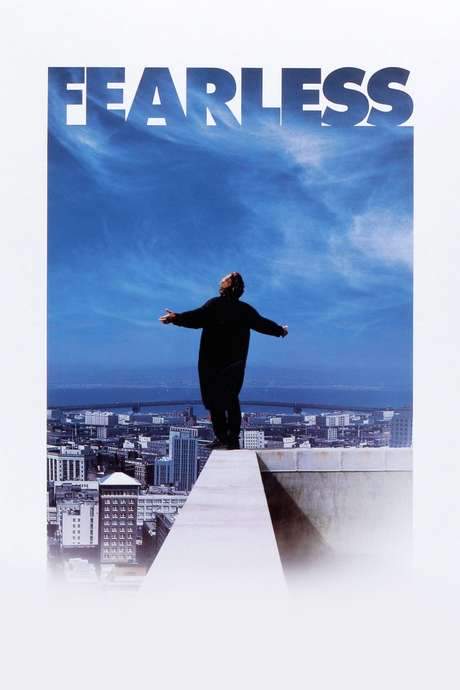
Fearless (1993) movie poster

Plot Summary

Fearless (1993) Plot Summary Explained

Release, runtime and language
1993 · 122 mins · English
Loading streaming availability…
Directed by
Peter Weir
Starring
Benicio Del Toro, John Turturro, Rosie Perez, Jeff Bridges, Isabella Rossellini, Spencer Vrooman

Some people are afraid of nothing. After a terrible air disaster, survivor Max Klein emerges a changed person. Unable to connect to his former life or his wife Laura, he feels godlike and invulnerable. When psychologist Bill Perlman cannot help him, he arranges for Max to meet another survivor, Carla Rodrigo, who is wracked with grief and guilt because her baby died in the crash that she and Max survived.

On this page (7)
  1. 1 Where to watch
  2. 2 What happens: full plot
  3. 3 Plot questions answered
  4. 4 Movie threads
  5. 5 Movies like Fearless
  6. 6 Categories
  7. 7 Every angle
Loading streaming availability…

Full plot summary · contains spoilers

What Happens in Fearless: Full Plot Summary

The whole story of Fearless (1993) explained, from the opening scene to the final frame: every key event, every twist and what it all adds up to. Read it as a quick recap before the sequel, to check a scene you missed, or to finally understand what really happened.

Max Klein, Jeff Bridges, survives an airline crash. The plane plummets, but he remains unnervingly calm, a steadiness that seems to ease the fear in the cabin. He sits beside Byron Hummel, a young boy flying alone, while flight attendants move through the chaos and instruct Carla Rodrigo, Rosie Perez, who is traveling with an infant, to cradle the child and buckle into her seat as the fuselage shudders. Earlier, Max had been confiding in his business partner Jeff Gordon, John de Lancie, about his fear of flying as they took off.

In the aftermath, most passengers perish and those who survive are grievously injured. A few, like Max, emerge unscathed, and a team of FAA and airline investigators arrives to piece together what happened. Max finds the intrusive attention of the interviewers repugnant and frustrating, and his sense of newfound invulnerability begins to unsettle him. Dr. Bill Perlman, John Turturro, the airline’s psychiatrist, shadows him, probing for the secrets behind his composure and the strange calm that follows the crash.

The media soon dubs him “The Good Samaritan,” a label that sticks as Max’s calm demeanor translates into acts of quiet heroism. Byron publicly thanks him on television, and Max’s life shifts from routine to spectacle as he becomes a symbol of resilience. He pulls away from his wife Laura Klein, Isabella Rossellini, and his son Jonah, whose reactions cling to him but who also notice the widening distance between father and family. Jonah, portrayed by Spencer Vrooman, watches as Max’s worldview expands in unexpected directions. Max’s days of normalcy fade into a strange, uncharted life where he sketches abstract pictures of the crash and begins to question the fragility of existence.

Seeking understanding, Max agrees to meet Carla Rodrigo, whose infant was at her side during the plunge. Her survivor’s guilt haunts her, and together they form a wary, healing bond. He helps her confront her trauma, even attempting a stark demonstration to illustrate how the force of a crash can fling a person’s hold from a body, a demonstration that pushes both of them toward a deeper reckoning with what it means to survive. In parallel, attorney Brillstein, Tom Hulce, pushes Max to consider exaggerating his testimony to maximize the airline’s settlement, a suggestion Max initially resists but gradually weighs against his own sense of truth, especially when Nan Gordon, Deirdre O'Connell, the widow of Jeff Gordon, faces financial precarity herself.

Cognitive dissonance gnaws at Max, culminating in a panic attack that sends him to the edge of a rooftop. On the ledge, with the wind tugging at his coat, his fear falters and he experiences a reluctant fearlessness that redefines his perception of risk and life. Laura finds him there, and the moment teeters between danger and connection as she pulls him back from the precipice. Brillstein arrives at the Kleins’ home with a cheerful fruit basket, a symbol of the airline’s settlement, and Max accepts a strawberry from the basket—only to suffer a sudden allergic reaction again. Laura’s quick, calm response saves him, reuniting the family and rekindling their fragile, renewed bond with life itself.

In the end, the experience leaves Max with a renewed sense of responsibility to his loved ones and a nuanced understanding of fear, courage, and humanity. He emerges from the ordeal not invincible, but more acutely aware of the fragility that threads through every heartbeat, every choice, and every second chance at life.
Last updated: October 09, 2025 at 12:35

Was this helpful?

Plot questions answered

Fearless Plot Explained: Your Questions Answered

The questions people ask most about Fearless (1993): what happens in the confusing scenes, why the characters do what they do, the twists, hidden details and what the ending means. Each answer contains spoilers.

Q1

Why was Max so calm during the airplane crash?

Max reveals his fear of flying to his business partner Jeff Gordon during takeoff, making his unnatural calm during the crash even more puzzling. Throughout the film, psychologist Dr. Bill Perlman probes Max for answers, but Max himself seems unable to explain his composure. The calm appears to be a dissociative response to trauma, a psychological shift that allows him to function during the disaster and subsequently view life differently.

Foreshadowing: Max's fear of flying is established early, which makes his later calmness seem like a complete personality shift.

  • max klein
  • airplane crash
  • calm
  • survivor
  • psychology
Q2

Why does Max become distant from his wife Laura after the crash?

Max emerges from the crash feeling invulnerable and fundamentally changed. He describe his experience as godlike and untouchable, which creates an emotional wall between him and his family. His wife Laura and son Jonah can sense the distance growing, and Max begins pulling away from his former life, unable to connect with the people who love him most.

Foreshadowing: During the crash, Max sits beside young Byron Hummel rather than reaching out to his own family, foreshadowing his withdrawal.

  • max klein
  • laura klein
  • emotional distance
  • family
  • survivor
Q3

What happened to Carla Rodrigo's baby in the crash?

Carla Rodrigo was traveling with her infant when the plane crashed. Her baby died during the disaster, leaving her wracked with survivor's guilt. She blames herself for the baby's death and cannot forgive herself for surviving when the child did not. Max, understanding her trauma, helps her confront these feelings.

Foreshadowing: Flight attendants instruct Carla to cradle her child and buckle into her seat as the fuselage shudders, establishing the tragic fate that awaits the infant.

  • carla rodrigo
  • baby
  • death
  • survivor guilt
  • crash
Q4

Why does Max go to the rooftop during his panic attack?

Max experiences a severe panic attack caused by cognitive dissonance, his newfound belief in his own invulnerability conflicts with his survival instinct. He runs to an office building rooftop and climbs onto the ledge, where paradoxically his fear subsides and he feels a strange, reluctant fearlessness. His wife Laura finds him there and pulls him back from the edge.

Foreshadowing: Max's belief that he is invincible after surviving the crash sets up the tragic irony of his near-fall.

  • max klein
  • rooftop
  • panic attack
  • fear
  • laura
Q5

Why does Max eat the strawberry despite his allergy?

Max has a severe strawberry allergy that he has always avoided. After the crash, he adopts a risk-taking mindset, even deliberately tasting a strawberry at his high school reunion. On settlement day, when attorney Brillstein brings a fruit basket, Max eats another strawberry and suffers a life-threatening allergic reaction. Laura saves him by administering an EpiPen, which rekindles their emotional bond.

Foreshadowing: Max tastes a strawberry at Alison's restaurant early in the film, showing his changed relationship with risk.

  • max klein
  • strawberry
  • allergy
  • reaction
  • laura
Q6

What is the settlement that Brillstein offers Max?

Attorney Steven Brillstein pushes Max to exaggerate his testimony about the crash to increase the airline's settlement payout. Max initially resists but agrees when he learns that Nan Gordon, the widow of his business partner Jeff Gordon, faces financial precarity. The settlement represents a moral conflict between Max's desire for truth and his empathy for others in need.

Foreshadowing: Max's growing connection to other survivors, particularly Nan, motivates his decision to compromise his testimony.

  • brillstein
  • settlement
  • airline
  • testimony
  • max klein
Q7

Why does Dr. Bill Perlman follow Max after the crash?

Dr. Bill Perlman is the airline's psychiatrist assigned to examine survivors, particularly Max, whose unnatural calm makes him an intriguing case. Perlman shadows Max at home, probes him with questions about the crash, and accompanies him on the return flight. Max finds the interrogation intrusive and pushes the psychologist away, but Perlman persists in trying to understand the source of Max's composure.

Foreshadowing: Max's earlier admission of his fear of flying makes his calm behavior particularly suspicious to Perlman.

  • dr bill perlman
  • psychiatrist
  • investigation
  • max klein
Q8

How does surviving the crash change Max's fear of flying?

Before the crash, Max confides his fear of flying to his business partner during takeoff. After surviving the disaster, this fear completely transforms. When offered return travel, Max requests airline tickets, something unimaginable for someone with his phobia. His experience of surviving what should have been fatal creates a paradoxical immunity to the fear, though this shifts to a more nuanced understanding by the film's end.

Foreshadowing: Max's pre-crash fear of flying establishes the dramatic shift that occurs after survival.

  • max klein
  • fear of flying
  • crash
  • survival
  • phobia
Q9

Why does Max agree to exaggerate his crash testimony?

Max initially resists attorney Brillstein's suggestion to exaggerate his testimony for a larger settlement. However, he learns that Nan Gordon, whose husband Jeff died in the crash, faces serious financial difficulties. Moved by Nan’s situation, Max agrees to stretch his story, showing how his post-crash perspective shifts his moral boundaries when compassion for others is involved.

Foreshadowing: Nan and Jonah ask Max for explanations about the crash, establishing the emotional stakes that influence his decision.

  • max klein
  • testimony
  • settlement
  • brillstein
  • nan gordon
Q10

What does the ending of Fearless mean?

The ending sees Max eating a strawberry and suffering a severe allergic reaction. Laura saves his life, and this near-death experience mirrors his original trauma. Rather than feeling invincible, Max finally accepts his mortality and the fragility of life. He reconnects emotionally with Laura and Jonah, gaining a nuanced understanding that survival isn't about invulnerability but about embracing life's fragility and second chances.

Foreshadowing: The rooftop scene earlier establishes that Max must face death again to truly understand his relationship with it.

  • ending
  • meaning
  • survival
  • fragility
  • family
  • max klein

Movie threads

More Movies Like Fearless, by Mood & Story

Curated lists built around what makes Fearless tick: the same mood, the same kind of story or the same emotional payoff. Each list explains why these movies belong together.

Movies about psychological trauma like Fearless

Stories where a catastrophic event fractures a character's perception of reality. If you were captivated by the psychological journey in Fearless, this thread gathers movies that similarly explore the aftermath of trauma. These films focus on characters grappling with PTSD, survivor's guilt, and a fractured sense of self, offering intense and introspective dramas about the struggle to find a new normal.

  • psychological
  • unsettling
  • introspective
  • cathartic
  • melancholic
  • anxious
  • Tone: tense, introspective, unsettling
  • Pacing: steady, character-driven
Why these movies?

The story pattern: These narratives typically begin with a major disruptive event that shatters the protagonist's world. The story then follows their descent into a detached or altered state of mind, often characterized by a sense of invincibility or profound isolation. The central conflict is internal, as they navigate therapy, strained relationships, and ultimately, a painful reckoning with their new reality.

Why they belong together: These films are grouped together because they share a deep focus on the internal, psychological landscape of trauma. They prioritize a tense, introspective mood over action, feature emotionally heavy themes, and often lead to a bittersweet resolution where recovery is complex and incomplete.

Movies about reckoning with mortality like Fearless

Character-driven dramas where a brush with death leads to a transformative, painful wisdom. For viewers who appreciated the existential themes in Fearless, this collection highlights similar stories about characters facing death and its aftermath. These movies explore profound questions about life's value, often resulting in a transformative but painful journey and a realistically complex, bittersweet conclusion.

  • existential
  • cathartic
  • melancholic
  • reflective
  • bittersweet
  • heavy
  • Tone: melancholic, tense, cathartic
  • Pacing: steady, deliberate
Why these movies?

The story pattern: The narrative pattern involves a life-threatening incident that serves as a catalyst. The protagonist emerges fundamentally changed, often feeling detached or 'godlike,' which creates conflict with their loved ones. The journey is towards accepting human vulnerability, culminating in an ending that acknowledges the pain of the experience but finds a fragile new connection to life.

Why they belong together: These movies are united by their exploration of existential themes and the specific emotional arc from trauma to a hard-won, nuanced acceptance. They share a steady pacing, high emotional weight, and a tone that balances tension with profound melancholy, leading to a conclusively bittersweet feeling.

If you liked this

Movies Like Fearless

Similar movies to Fearless: the same genre, themes or kind of story. Each one comes with its own plot summary, timeline and ending explained.

Browse all movie summaries

Categories

Movie Lists Featuring Fearless

Fearless appears in these hand-built movie categories. Each one groups movies by a specific mood, theme or story type, with their plot summaries and endings explained.

View all movie categories

Every angle

Fearless (1993) Explained: Plot, Timeline & Characters

Everything about Fearless in one place: what happens in the plot summary, the timeline in chronological order, the characters and meaning and a spoiler-free summary. What's After the Movie adds the cast, box office and post-credit scenes.

Coming soon on iOS and Android

The Plot Explained Movie Summary App

Plot summaries, endings explained and timelines on your phone. Catch up on any movie in minutes, save your favorites and never miss a twist again.

Be the first to know when we launch. Your email stays private, always.

Learn more about the app