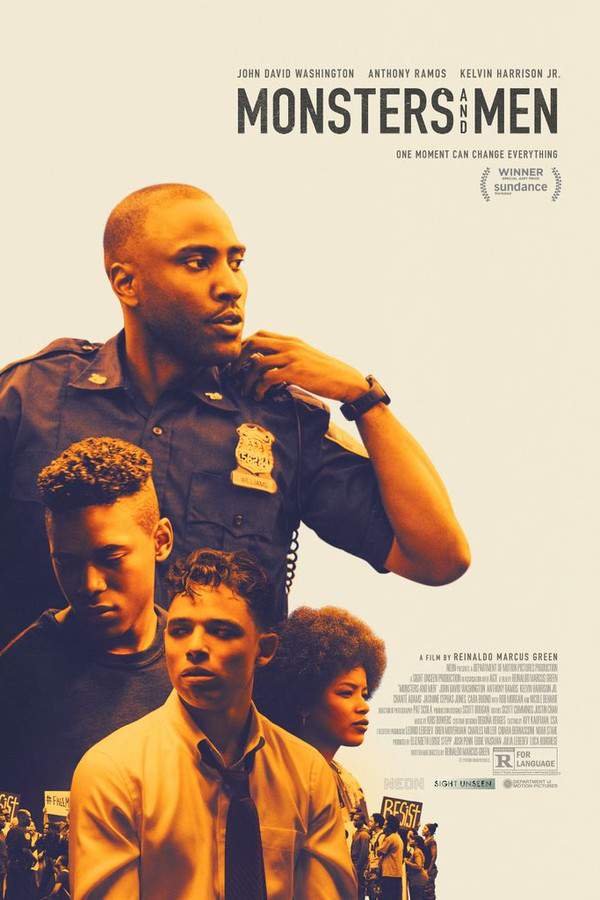
In Bed-Stuy, Brooklyn, a young man named Manny Ortega films a police officer fatally shooting an unarmed man. The shocking incident forces Manny to confront a difficult moral dilemma: should he share the video and expose the truth, potentially endangering himself and his family, or remain silent and allow injustice to prevail within his community? He must navigate the complexities of race, law enforcement, and the impact of his actions.
Find where to stream, rent, or buy Monsters and Men (2018) in the US with current JustWatch availability, up-to-date pricing, and platform listings for subscription, rental, and digital purchase options.
Warning: spoilers below!
Haven’t seen Monsters and Men yet? This summary contains major spoilers. Bookmark the page, watch the movie, and come back for the full breakdown. If you're ready, scroll on and relive the story!
Read the complete plot breakdown of Monsters and Men (2018), including all key story events, major twists, and the ending explained in detail. Discover what really happened, and what it all means.
The film weaves together three compelling stories centered around the lives of Manny, Dennis, and Zyrick. It kicks off with Dennis Williams (John David Washington) being pulled over by police, but he is let go when they realize he is an officer himself. The narrative then shifts to Manny Ortega (Anthony Ramos), who struggles with his past as he fills out a job application, particularly the section about prior convictions. Living with his family, including his wife Marisol (Jasmine Cephas Jones), mother, and daughter, Manny finds himself in a precarious situation one night. While spending time with friends near a dice game, an encounter with the police turns tragic when his friend Darius Larson is shot during an attempt to arrest him for selling loose cigarettes outside a bodega, echoing the horrific circumstances surrounding Eric Garner's death. Manny records the unsettling event on his phone, witnessing firsthand the chaos that unfolds.
Haunted by the incident, Manny reviews the footage at home. The following day, news reports claim that Darius was reaching for a police weapon, a narrative that leads to further turmoil for Manny. When confronted by two officers in a park, they attempt to intimidate him into silence, but despite Marisol's warnings about potential repercussions concerning his job, Manny bravely decides to share the video online, drawing public attention to police misconduct.
As the story unfolds, the perspective shifts to Dennis, who navigates the expectations of his profession while grappling with the fallout from Darius' death. During a joint patrol with his partner Stacey (Cara Buono), they witness protests erupting outside the bodega where the shooting occurred. As tensions rise, internal affairs investigates the officers involved, particularly focusing on Officer Scala, whose actions are questioned but whose misdeeds Dennis struggles to condemn during interviews.
The film also delves into Zyrick's (Kelvin Harrison Jr.) journey. After facing racial profiling himself, he becomes increasingly aware of the societal issues surrounding him. When he witnesses the chaos following Darius' murder, he decides to take action by connecting with Zoe (Chanté Adams) and participating in a community protest. As Zyrick navigates his excitement over potential baseball recruitment, he finds himself torn between celebrating his achievements and confronting the harsh realities of racial injustice.
As a pivotal protest unfolds, Zyrick actively joins demonstrators chanting "I am... Darius Larson." The police, responding aggressively, further escalate the tension, forcing Zyrick to flee. Eventually, during an important baseball game, he wears a shirt adorned with the phrase "I am Darius Larson," representing solidarity with the victim and all those affected by similar tragedies. The culmination of these intertwined narratives serves as a poignant commentary on systemic issues within law enforcement and racial inequality, driving home the film's powerful statement as Zyrick takes a knee on the field, allowing the resonating chant to echo in the background before the screen fades to black.
Last updated: November 16, 2024 at 16:13
Explore frequently asked questions about Monsters and Men (2018) with spoiler-rich answers covering the full plot summary, major story beats, character motivations, hidden details, and ending meaning. This movie summary FAQ helps explain confusing scenes, plot twists, and narrative decisions in clear, searchable detail.
The news report repeats the official police narrative that Darius was reaching for an officer's weapon, which contradicts what Manny actually witnessed on camera. This false reporting further angers Manny and motivates him to release his video as proof that the police account is fabricated.
The film establishes early that the police encounter is chaotic and contentious, setting up the discrepancy between what happened and what authorities claim.
The opening scene shows Dennis Williams, an off-duty police officer, being pulled over by other officers. The tension immediately defuses when they realize he is one of their own. This scene establishes the film's exploration of how identity and profession shape interactions with law enforcement, and it sets up Dennis's internal conflict later when he must navigate loyalty to his colleagues while facing the truth about the shooting.
Dennis's later struggle during the internal affairs investigation directly relates to this early demonstration of police solidarity.
The police attempt to intimidate Manny because he is a witness who recorded the shooting of Darius Larson. They want to prevent him from sharing evidence that could incriminate the officers involved. By confronting him in the park, they try to pressure him to stay quiet about what he actually witnessed.
This intimidation directly follows the news narrative that falsely claims Darius was reaching for a weapon, suggesting a coordinated effort to control the story.
Dennis struggles to condemn Officer Scala because he feels loyalty to his fellow officers and is caught between his professional identity and the moral truth. As a police officer himself, condemning Scala would mean condemning a system he is part of, creating a deep internal conflict about where his allegiance lies.
This conflict is foreshadowed by the opening scene where Dennis is quickly released once police realize he is an officer, highlighting the implicit protection officers show each other.
Zyrick decides to join the protest after experiencing racial profiling himself and witnessing the chaos that erupted following Darius's murder. The combination of personal experience with injustice and seeing the community's response compels him to take action and stand in solidarity with Darius Larson.
Earlier scenes show Zyrick facing profiling, which builds his awareness of systemic issues and prepares him for this moment of activism.
Zyrick taking a knee during the baseball game is a powerful act of protest and solidarity, echoing Colin Kaepernick's famous gesture. By wearing a shirt that says "I am Darius Larson" and taking a knee, Zyrick uses his platform as an athlete to protest police violence and racial injustice, linking sports with the broader fight for civil rights.
This moment connects to Zyrick's earlier decision to join the protest and his growing awareness of racial injustice throughout the film.
The three storylines, Manny, Dennis, and Zyrick, are all connected to the same central event: the police shooting of Darius Larson. Manny witnesses the shooting, Dennis is a police officer investigating the incident, and Zyrick is a young man who joins the community protest. Their interwoven perspectives provide a multifaceted view of how one tragic incident affects different people in different ways.
The film explicitly weaves between these three perspectives from the beginning, showing how their paths will converge around the shooting.
Manny is haunted by the shooting because he witnessed it firsthand and recorded it on his phone, making him a direct witness to police violence against someone he knew. The guilt of possessing the truth while the false narrative spreads, combined with his own past struggles for redemption, weighs heavily on him until he decides to share the video.
Manny's earlier scene about filling out a job application and dealing with prior convictions establishes his desire for a fresh start, making the moral burden of silence unbearable.
The title "Monsters and Men" refers to the complex moral landscape the characters navigate, where the line between right and wrong is blurred by systemic issues. It suggests that ordinary people can become complicit in monstrous acts when institutions protect their own, while also highlighting that individuals can choose to act morally despite the risks.
The title is reflected throughout the film in the choices characters make, whether to speak truth to power, look the other way, or take a stand.
Discover curated groups of movies connected by mood, themes, and story style. Browse collections built around emotion, atmosphere, and narrative focus to easily find films that match what you feel like watching right now.
Stories about impossible choices in the face of oppressive systems.If you were gripped by the ethical dilemmas in Monsters and Men, this collection features movies like it that explore impossible choices against systemic injustice. Discover similar tense dramas about whistleblowers, witnesses, and everyday people facing heavy moral consequences.
These stories typically unfold around a catalyzing injustice that forces a protagonist to confront a dangerous ethical decision. The plot is driven by the tension between self-preservation and the duty to act, often leading to a personal crisis that questions the very foundations of the society depicted.
Movies are grouped here for their intense focus on ethical quandaries stemming from systemic problems like corruption, racism, or authoritarian power. They share a heavy emotional weight, a tense and somber tone, and a commitment to exploring the real-world complexities of moral courage.
Gritty, interconnected stories revealing a community's truth through different eyes.For viewers who appreciated the complex narrative structure of Monsters and Men, this thread highlights similar movies that use interconnected stories. Find other tense, realistic dramas exploring social issues through multiple character viewpoints in a modern urban setting.
The narrative pattern involves a central event, often a crime or social injustice, that ripples through a community. The story is fractured into the viewpoints of several characters—such as a witness, a figure of authority, and an activist—requiring the audience to synthesize these perspectives to understand the full picture. The pacing is steady, building pressure as the threads converge.
These films are grouped by their shared use of a complex, multi-perspective structure to explore weighty social themes within a realistic urban environment. They create a cohesive experience through a tense, gritty atmosphere, a steady pacing that builds unease, and a bittersweet or ambiguous conclusion that reflects the complexity of the issues.
Don't stop at just watching - explore Monsters and Men in full detail. From the complete plot summary and scene-by-scene timeline to character breakdowns, thematic analysis, and a deep dive into the ending - every page helps you truly understand what Monsters and Men is all about. Plus, discover what's next after the movie.
Track the full timeline of Monsters and Men with every major event arranged chronologically. Perfect for decoding non-linear storytelling, flashbacks, or parallel narratives with a clear scene-by-scene breakdown.
Discover the characters, locations, and core themes that shape Monsters and Men. Get insights into symbolic elements, setting significance, and deeper narrative meaning - ideal for thematic analysis and movie breakdowns.
Discover movies like Monsters and Men that share similar genres, themes, and storytelling elements. Whether you’re drawn to the atmosphere, character arcs, or plot structure, these curated recommendations will help you explore more films you’ll love.
Monsters and Men (2018) Scene-by-Scene Movie Timeline
Monsters and Men (2018) Movie Characters, Themes & Settings
Monsters and Men (2018) Spoiler-Free Summary & Key Flow
Movies Like Monsters and Men – Similar Titles You’ll Enjoy
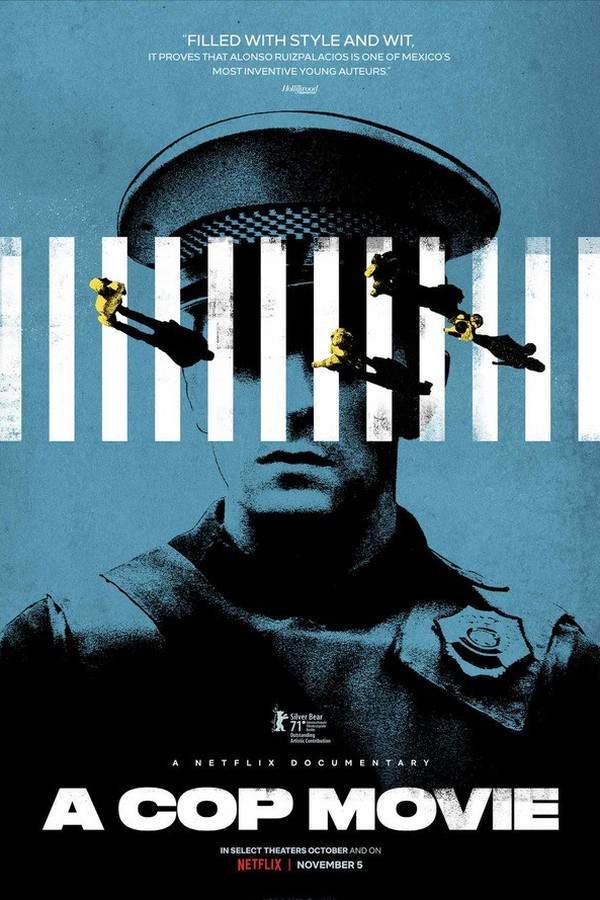
A Cop Movie (2021) Story Summary & Characters
Monster (2021) Spoiler-Packed Plot Recap
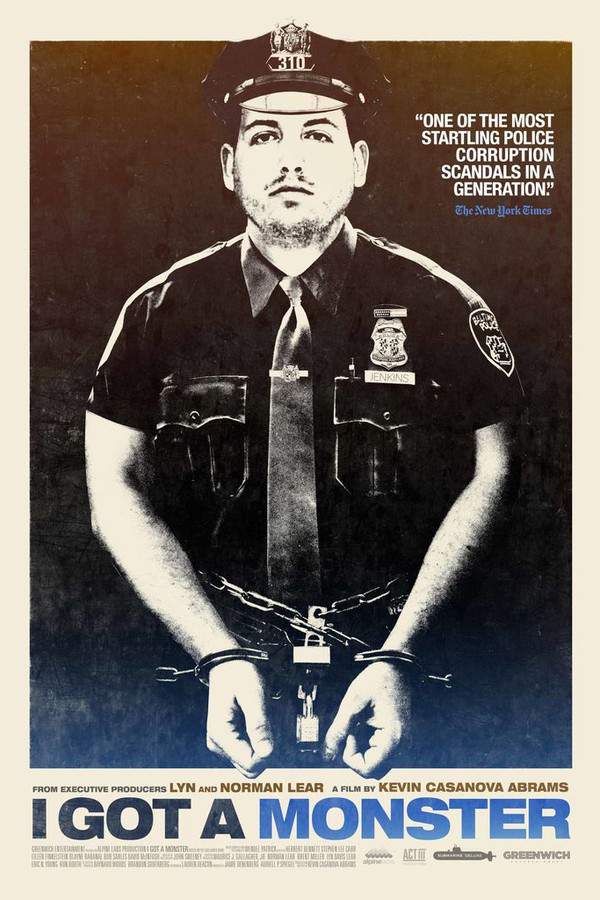
I Got a Monster (2023) Ending Explained & Film Insights
Motherless Brooklyn (2019) Full Movie Breakdown
The Son of No One (2011) Ending Explained & Film Insights
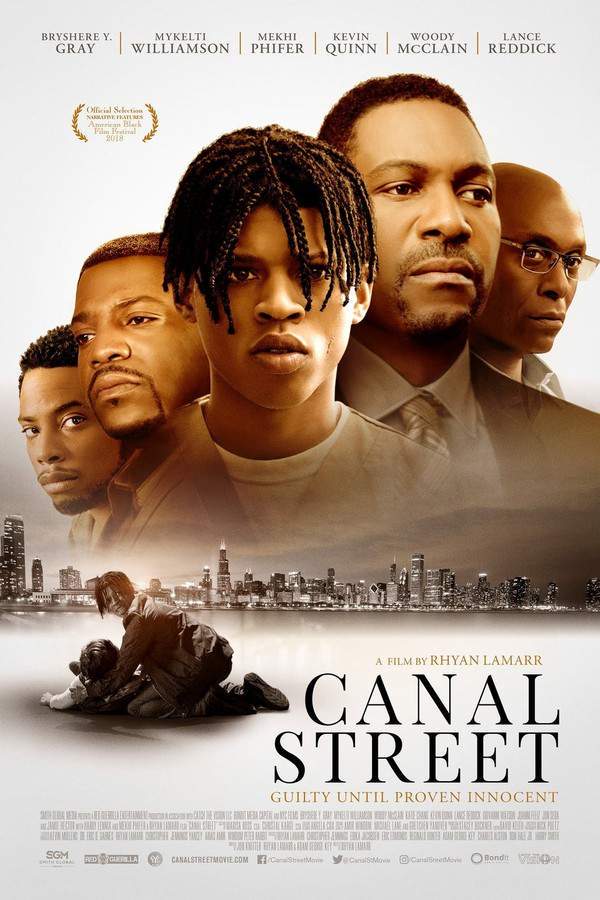
Canal Street (2019) Film Overview & Timeline
Battle for Brooklyn (2011) Movie Recap & Themes
Stray Bullets (2017) Film Overview & Timeline
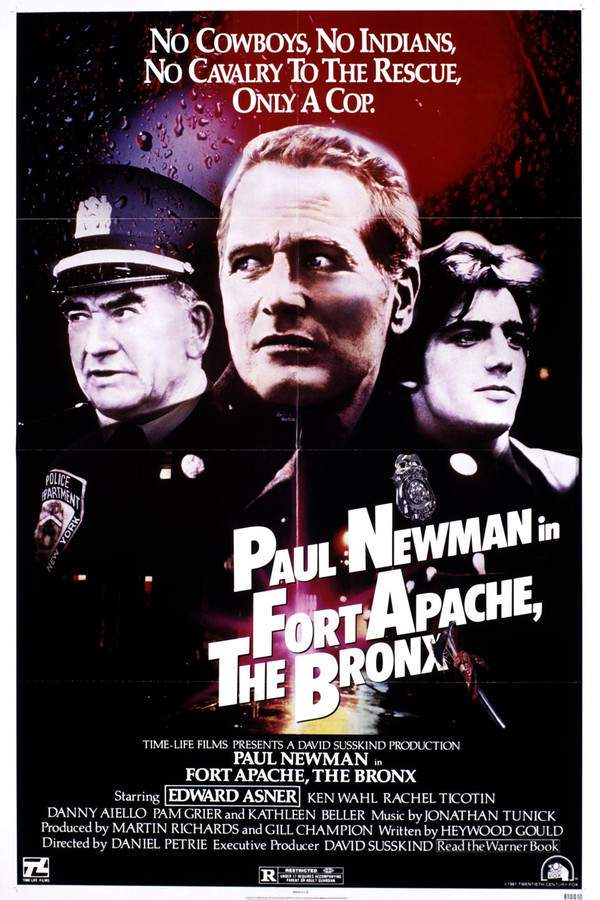
Fort Apache the Bronx (1981) Ending Explained & Film Insights
The Sleeping Negro (2021) Detailed Story Recap
The Bronx Is Burning (1000) Movie Recap & Themes
South Bronx Heroes (1985) Ending Explained & Film Insights
The Subject (2020) Plot Summary & Ending Explained
Angels with Dirty Faces (1938) Full Movie Breakdown
A Brooklyn State of Mind (1998) Spoiler-Packed Plot Recap