










Plot Explained Spoilers guaranteed!
Plot Explained

Browse by genre

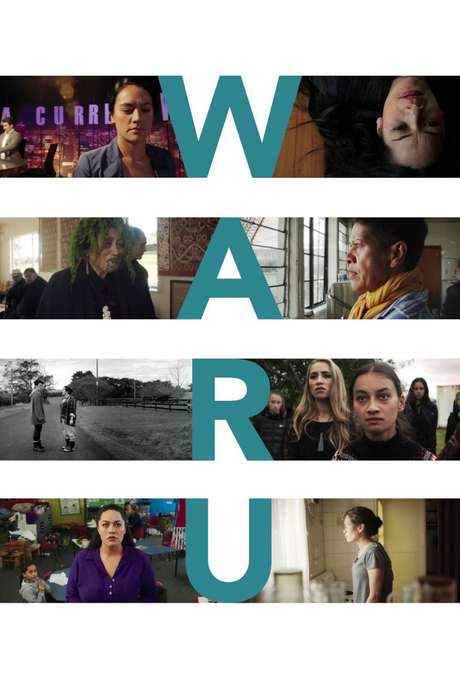
Waru (2017) movie poster

Characters & Themes

Waru (2017) Characters, Setting & Themes Explained

Release, runtime and language
2017 · 88 mins · English
Directed by
Briar Grace Smith, Casey Kaa
Starring
Cohen Holloway, Miriama McDowell, Thomas Sainsbury, Antonio Te Maioha, Roimata Fox, Maria Walker

This powerful film comprises eight distinct segments directed by Māori female filmmakers, all connected by the emotional journey surrounding a tangi, or traditional Māori mourning ceremony. The narrative unfolds following the tragic death of a young boy in the care of his caregiver, exploring themes of loss, grief, and cultural identity through a series of poignant and challenging perspectives.

On this page (8)
  1. 1 Where to watch
  2. 2 Characters explained (9)
  3. 3 Where & when it takes place
  4. 4 Themes & meaning (4)
  5. 5 Character & meaning questions
  6. 6 Movie threads
  7. 7 Movies like Waru
  8. 8 Every angle

Where to watch

Where to Watch Waru (2017)

Where can you watch Waru? Stream, rent or buy it in the US, including on Hoopla, Fandango at Home Free and Plex: current JustWatch availability with up-to-date prices.

Streaming availability powered by JustWatch

9 main characters · contains spoilers

Waru Characters Explained: Who Is Who

The main characters of Waru (2017), heroes and villains: what drives them, how they change over the course of the story and what each of them reveals about the film's bigger ideas.

  • Charm (Tanea Heke)

    Charm is the matriarch who organizes the tangi's food preparation in the local marae kitchen. She embodies tradition, hospitality, and quiet leadership, guiding others through ritual practices. Charm's steady presence anchors the community's response to tragedy.

    • 👵 Elder
    • 🍲 Foodways
    • 🤝 Community
  • Anahera (Roimata Fox)

    Anahera, Waru's kindergarten teacher, processes the child's death with her class and colleagues. She fosters empathy and resilience among young children, turning loss into a lesson in care. Her approach models communal support and gentle leadership in the face of grief.

    • 👩‍🏫 Teacher
    • 🧸 Children
    • 🧭 Grief
  • Mihi (Ngapaki Moetara)

    Mihi is a single mother struggling to care for her kids with limited resources. Her story highlights economic precarity, perseverance, and the daily struggle to keep a family afloat. Her resilience under pressure shows the human cost of systemic hardship.

    • 🤱 Single mother
    • 💰 Financial hardship
    • 🧩 Resilience
  • Em (Āwhina-Rose Henare Ashby)

    Em is a young singer who returns home after a night out to find she is locked out and her baby is inside. The moment triggers reflection on responsibility, motherhood, and personal choices. Her arc explores the tension between personal freedom and family obligation.

    • 🎤 Music
    • 🏠 Family
    • 🧭 Responsibility
  • Ranui (Kararaina Rangihau)

    Ranui is one of Waru's great-grandmothers who argues with Hinga about where the body should rest to honor the child's wairua. The clash reflects generational divides and deep respect for spiritual alignment. Her stance embodies tradition and elder authority in the grieving process.

    • 👵 Grandparent
    • 🕊️ Spirit
    • 🗺️ Tradition
  • Kiritapu (Maria Walker)

    Kiritapu is an anchorwoman who endures microaggressions and overt racism from colleagues as they discuss Waru's murder. Her character brings to light the pressures of public discourse and the impact of bias on storytelling. She stands as a testament to resilience within a demanding media environment.

    • 📰 News
    • ⚖️ Racism
    • 🗣️ Voice
  • Mere (Acacia Hapi)

    Mere, a young teen, is armed with a tokotoko and finds the courage to speak back to her abuser. Her moment of defiance signals a broader push for personal agency and safety. Mere's arc emphasizes empowerment and standing up against oppression.

    • 👧 Teen
    • 🗡️ Courage
    • 🛡️ Empowerment
  • Titty (Amber Curreen)

    Titty is Waru's aunt who, alongside Bash, drives to reclaim Bash's children from an abusive household. Her loyalty and determination highlight family solidarity in the face of danger. Titty's presence underscores the film's theme of protective care.

    • 👯 Siblings
    • 🚗 Road to justice
    • 🧡 Family
  • Bash (Miriama McDowell)

    Bash is Waru's sister whose drive to reclaim her children from abuse forms a pivotal part of the narrative. Her bond with Titty showcases mutual support and courage. Bash's actions illustrate a fierce commitment to family safety and dignity.

    • 👩 Sister
    • 🏠 Domestic issues
    • 🛡️ Protection

Last updated: February 17, 2026 at 17:00

Was this helpful?

Setting

Where and When Does Waru Take Place?

The setting of Waru (2017): the year and time period, the places and locations, and how they shape the characters, the mood and the tension of the story.

Time period

Present day

Waru unfolds in contemporary Aotearoa New Zealand, following eight interwoven stories that begin on the morning of Waru's tangi. The film reflects current social realities affecting Māori communities, including poverty, racism, and intergenerational trauma. Its time frame emphasizes immediacy and relevance to modern audiences.

Location

Marae, New Zealand

Set around a Māori marae during a tangi, the film roots its action in a communal space where family and elders gather. The tangi anchors the narrative in tradition, memory, and ritual. The marae represents both a sanctuary for mourning and a stage for the community to confront collective grief.

  • 🎭 Māori culture
  • 🤝 Community
  • 🗺️ Place-based storytelling

Last updated: February 17, 2026 at 17:00

Was this helpful?

4 major themes

Waru Meaning: Themes & Message Explained

What is Waru (2017) really about? The emotional, social and philosophical themes the film keeps returning to, its symbolism and the message beneath the surface.

  • Community

    The film treats the community as a living protagonist, weaving together eight voices that gather around Waru's tangi. Neighbors, teachers, elders, and family members intersect to support one another and confront tragedy. By refracting grief through shared rituals, Waru shows how communal action sustains resilience. The tangi becomes a platform for collective memory and healing.

  • Grief

    Grief is depicted as multifaceted, touching every generation from toddlers to elders. The film stages intimate moments of sorrow and public rituals that help process loss. Characters confront the emotional aftermath, sometimes clashing with tradition or personal guilt. The threads of mourning bind the community in a restrained, dignified manner.

  • Identity

    Waru centers Māori identity and cultural practices, using wairua and tangi as its through-lines. The eight stories highlight different facets of belonging, tradition, and modern life. Through the characters' choices, the film examines how culture informs resilience and moral responsibility. It presents identity as something lived in daily acts of care and memory.

  • Racism

    Kiritapu's experience as an anchorwoman reveals systemic bias and microaggressions within the media landscape. The dialogue around Waru's death exposes overt racism and the fragility of marginalized voices. The film uses newsroom tensions to critique how race shapes whose stories are believed and how they're told. These moments underscore the broader social injustices the community faces.

Last updated: February 17, 2026 at 17:00

Was this helpful?

Character & theme questions

Waru Characters & Meaning: Your Questions Answered

The questions people ask about Waru (2017): who the characters really are, their relationships, what the symbols mean, where it takes place and what the movie is really about. Each answer contains spoilers.

Q1

What is a marae and why is it central to the story

The marae is a sacred communal gathering place in Māori culture that serves as the primary setting for Waru. It functions as both a sanctuary for mourning and a space where the community confronts collective grief through ritual. The tangi ceremony takes place within this space, anchoring the narrative in tradition, memory, and communal support.

  • marae
  • Māori
  • tangi
  • ceremony
  • tradition
Q2

What is a tangi and what does it represent in the film

A tangi is a traditional Māori mourning ceremony that forms the emotional core of Waru. The film follows this ceremony for Waru, a young boy who died in the care of his caregiver. The tangi serves as a platform for collective memory, healing, and ritual, bringing together family, elders, and community members to process loss together.

  • tangi
  • mourning ceremony
  • funeral
  • grief
  • Māori tradition
Q3

Where is Waru set

Waru is set in contemporary Aotearoa New Zealand, specifically around a Māori marae during the tangi ceremony. The setting roots the film in a specific cultural location that contrasts with modern urban life while highlighting the communal nature of Māori grieving practices.

  • New Zealand
  • marae
  • setting
  • location
Q4

What time period does Waru depict

Waru takes place in present-day contemporary New Zealand. The film reflects current social realities affecting Māori communities, including poverty, racism, and intergenerational trauma. The immediacy of the time frame makes the story relevant to modern audiences while addressing ongoing societal issues.

  • present day
  • contemporary
  • New Zealand
  • Māori communities
Q5

How does Waru portray community as a protagonist

Waru treats the community as a living protagonist by weaving together eight distinct voices that gather around the tangi. Neighbors, teachers, elders, and family members intersect to support one another and confront tragedy. The film shows how communal action sustains resilience, with the tangi becoming a platform for collective memory and healing.

  • community
  • collective
  • Māori
  • support
  • resilience
Q6

How does Waru depict grief across generations

Grief in Waru is depicted as multifaceted, touching every generation from toddlers to elders. The film stages intimate moments of sorrow alongside public rituals that help process loss. Characters confront emotional aftermath in different ways, sometimes clashing with tradition or personal guilt, with mourning threads binding the community in a restrained, dignified manner.

  • grief
  • loss
  • mourning
  • generations
  • emotion
Q7

What role does Māori identity play in Waru

Waru centers Māori identity and cultural practices, using wairua (spiritual essence) and tangi as through-lines. The eight stories highlight different facets of belonging, tradition, and modern life. Through character choices, the film examines how culture informs resilience and moral responsibility, presenting identity as something lived in daily acts of care and memory.

  • Māori identity
  • culture
  • tradition
  • wairua
  • belonging
Q8

How does Waru address racism in the story

Kiritapu's experience as an anchorwoman reveals systemic bias and microaggressions within the media landscape. The dialogue around Waru's death exposes overt racism and the fragility of marginalized voices. The film uses newsroom tensions to critique how race shapes whose stories are believed and how they're told, underscoring broader social injustices the community faces.

  • racism
  • media
  • bias
  • microaggressions
  • Kiritapu
Q9

Who is Charm in Waru

Charm, played by Tanea Heke, is the matriarch who organizes the tangi's food preparation in the local marae kitchen. She embodies tradition, hospitality, and quiet leadership, guiding others through ritual practices. Her steady presence anchors the community's response to tragedy and represents elder wisdom in the grieving process.

  • Charm
  • matriarch
  • leader
  • kitchen
  • tradition
Q10

Who is Kiritapu and what is her role

Kiritapu, played by Maria Walker, is an anchorwoman who endures microaggressions and overt racism from colleagues as they discuss Waru's murder. Her character brings to light the pressures of public discourse and the impact of bias on storytelling. She stands as a testament to resilience within a demanding media environment while exposing systemic issues in newsrooms.

  • Kiritapu
  • anchorwoman
  • media
  • racism
  • journalist
Q11

Who is Mihi and what challenges does she face

Mihi, played by Ngapaki Moetara, is a single mother struggling to care for her kids with limited resources. Her story highlights economic precarity, perseverance, and the daily struggle to keep a family afloat. Her resilience under pressure shows the human cost of systemic hardship within the Māori community.

  • Mihi
  • single mother
  • poverty
  • struggle
  • resilience
Q12

Who is Mere in Waru

Mere, played by Acacia Hapi, is a young teen who is armed with a tokotoko (traditional carved weapon) and finds the courage to speak back to her abuser. Her moment of defiance signals a broader push for personal agency and safety. Mere's arc emphasizes empowerment and standing up against oppression, representing hope amid darkness.

  • Mere
  • teen
  • abuse
  • courage
  • empowerment
Q13

What does wairua mean in the context of the film

Wairua refers to the spiritual essence or soul in Māori culture, and it plays a central role in Waru's narrative. The characters debate where Waru's body should rest to honor the child's wairua, particularly through Ranui's arguments with Hinga. This reflects deep respect for spiritual alignment and the connection between the living and the departed.

  • wairua
  • spirit
  • soul
  • Māori beliefs
  • spiritual

Movie threads

More Movies Like Waru, by Mood & Story

Curated lists built around what makes Waru tick: the same mood, the same kind of story or the same emotional payoff. Each list explains why these movies belong together.

Multi-perspective dramas like Waru

Stories where a single traumatic event fractures a community, seen from multiple viewpoints. Looking for movies like Waru that explore a tragedy through multiple perspectives? This section features powerful dramas where a community's collective trauma is revealed through interconnected stories and distinct character viewpoints.

  • grieving
  • raw
  • somber
  • complex narrative
  • community
  • unflinching
  • Tone: tense, somber, raw
  • Pacing: variable, deliberate
Why these movies?

The story pattern: Narratives in this thread revolve around a central, often tragic, event that serves as a pivot point. The plot unfolds non-linearly or in segments, with each part offering a distinct character's perspective, gradually building a holistic and emotionally complex understanding of the event's impact on the group.

Why they belong together: Movies are grouped here because they share a unique structural and emotional approach to storytelling. They prioritize the collective experience over a single protagonist, using their fragmented narratives to create a richer, more challenging, and deeply resonant exploration of communal trauma.

Raw dramas about grief and injustice like Waru

Emotionally heavy films that confront difficult truths about loss, abuse, and cultural resilience. If you appreciated the raw and heavy emotional weight of Waru, explore these films. They share a similar intense focus on grief, social injustice, and cultural identity, delivering powerful and challenging viewing experiences.

  • grieving
  • tense
  • raw
  • unflinching
  • oppressive
  • social injustice
  • Tone: tense, bleak, raw
  • Pacing: variable, deliberate
Why these movies?

The story pattern: The narrative journey in these films is typically challenging and emotionally draining. Characters grapple with profound loss, systemic oppression, or personal trauma, often leading to moments of confrontation and catharsis. The focus is on the raw emotional experience rather than a neatly resolved plot.

Why they belong together: These films are grouped together because they prioritize emotional authenticity and thematic heaviness. They share a commitment to depicting difficult subjects like grief and injustice without sugarcoating, creating a tense, oppressive, and ultimately powerful atmosphere that resonates deeply with viewers.

If you liked this

Movies Like Waru

Similar movies to Waru: the same genre, themes or kind of story. Each one comes with its own plot summary, timeline and ending explained.

Browse all movie summaries

Every angle

Waru (2017) Explained: Plot, Timeline & Characters

Everything about Waru in one place: what happens in the plot summary, the timeline in chronological order, the characters and meaning and a spoiler-free summary. What's After the Movie adds the cast, box office and post-credit scenes.

Coming soon on iOS and Android

The Plot Explained Movie Summary App

Plot summaries, endings explained and timelines on your phone. Catch up on any movie in minutes, save your favorites and never miss a twist again.

Be the first to know when we launch. Your email stays private, always.

Learn more about the app