Plot Explained Spoilers guaranteed!
Plot Explained

Browse by genre

Twilight’s Last Gleaming (1977) movie poster

Characters & Themes

Twilight’s Last Gleaming (1977) Characters, Setting & Themes Explained

Release, runtime and language
1977 · 146 mins · English
Directed by
Robert Aldrich
Starring
Charles McGraw, John Ratzenberger, Burt Lancaster, Burt Young, Melvyn Douglas, Joseph Cotten

Renegade USAF General Lawrence Dell escapes a military prison, seizes an ICBM silo near Montana and demands nine nuclear missiles and Air Force One, plus a meeting with the President. He threatens to start World War III unless the President discloses a summit held shortly after the Vietnam War began, involving Dell and the president’s close advisers.

On this page (7)
  1. 1 Characters explained (6)
  2. 2 Where & when it takes place
  3. 3 Themes & meaning (4)
  4. 4 Character & meaning questions
  5. 5 Movie threads
  6. 6 Movies like Twilight’s Last Gleaming
  7. 7 Every angle

6 main characters · contains spoilers

Twilight’s Last Gleaming Characters Explained: Who Is Who

The main characters of Twilight’s Last Gleaming (1977), heroes and villains: what drives them, how they change over the course of the story and what each of them reveals about the film's bigger ideas.

  • Gen. Lawrence Dell (Burt Lancaster)

    A rogue Air Force General who hijacks a Montana ICBM complex to ransom the government. Calculating and fearless, he believes exposing a deeper political deception justifies extreme action. His insistence on control and his willingness to cross lines drive the crisis and reveal his disillusionment with political leadership.

    • ❄️ Rogue
    • ⚔️ Strategist
    • 🧭 Idealist
  • Willis Powell (Paul Winfield)

    One of Dell's accomplices, loyal yet prone to escalation. He participates in the infiltration and shares a willingness to take drastic steps to achieve their goals. His fate alongside Dell underscores the human cost of moral compromise in a high-stakes plot.

    • 🔥 Hot-headed
    • 🤝 Loyal
    • 🎯 Accomplice
  • Augie Garvas (Burt Young)

    The most volatile member of the group, whose impulsive violence triggers the initial lethal moment. His loyalty to the cause is overshadowed by a tendency toward reckless action. He is ultimately killed in the confrontation, highlighting the dangers of radical measures.

    • 💥 Impulsive
    • 🛡️ Loyal
    • ⚠️ Reckless
  • Hoxey (William Smith)

    A rash partner whose readiness to shoot at the slightest provocation accelerates the group's collapse. His violent tendencies contribute to the chaotic turn of events and the eventual downfall of the operation.

    • 💥 Impulsive
    • 🔫 Violent
    • ⚠️ Reckless
  • President David T. Stevens (Charles Durning)

    The President faces a crucible of ethical, political, and personal pressures as he weighs demands and public risk. His leadership is tested by the crisis, and he becomes a tragic figure whose decisions carry life-or-death consequences for many.

    • 🛡️ Leader
    • 🎭 Politician
    • 💔 Tragic
  • Gen. Martin MacKenzie (Richard Widmark)

    Commanding General who leads an elite team tasked with neutralizing the threat inside the ICBM complex. He embodies disciplined strategy and the willingness to take calculated risks, but the mission carries a high chance of escalation and unintended consequences.

    • 🎯 Commander
    • 🧭 Tactician
    • ⚔️ Risk-taker

Last updated: October 04, 2025 at 17:44

Was this helpful?

Setting

Where and When Does Twilight’s Last Gleaming Take Place?

The setting of Twilight’s Last Gleaming (1977): the year and time period, the places and locations, and how they shape the characters, the mood and the tension of the story.

Time period

1970s

The events unfold in the late 1970s, during a period of Cold War tension and ongoing debate over U.S. involvement in Vietnam. The setting uses present-day security and political dynamics rather than a historical past era. This era shapes the film’s focus on deterrence, secrecy, and presidential decision-making under pressure.

Location

Montana ICBM complex, The White House, Washington D.C.

The story centers on a remote, highly secure Montana ICBM launch complex that houses Titan missiles. It also shifts to the political nerve center in Washington, D.C., where national leaders debate the crisis. The facilities are depicted as formidable symbols of Cold War military power and political control.

  • ❄️ Remote facility
  • 🏛️ Government hub
  • 🛰️ Military complex

Last updated: October 04, 2025 at 17:44

Was this helpful?

4 major themes

Twilight’s Last Gleaming Meaning: Themes & Message Explained

What is Twilight’s Last Gleaming (1977) really about? The emotional, social and philosophical themes the film keeps returning to, its symbolism and the message beneath the surface.

  • Nuclear brinkmanship

    A rogue general seizes control of a nuclear missile complex, turning strategic deterrence into a bargaining chip. The plot probes how easily a chain of command can edge toward catastrophe when individuals push to extremes. The film shows the razor-thin margin between diplomacy and disaster in a nuclear-armed world.

  • Political ethics

    The President and his Cabinet wrestle with whether to concede, reveal secrets, or risk a militarized response. Ethical questions about transparency, the public's right to know, and the costs of intervention loom large. Decisions are shown as moral compromises shaped by political pressure and personal risk.

  • Secrets and exposure

    A top-secret document proves the government knew there was no viable path to victory in Vietnam, yet chose to fight on for strategic signaling. The tale explores accountability, the temptation to hide dangerous truths, and the consequences when secrets leak or are forced into the light. The power of information becomes a weapon in itself.

  • Military escalation

    Plans to incinerate the ICBM complex's command center highlight the potential for rapid, devastating military escalation. The pursuit of a decisive blow collides with the risk of triggering a broader catastrophe. The sequence underscores how military actions can spiral beyond control in moments of crisis.

Last updated: October 04, 2025 at 17:44

Was this helpful?

Character & theme questions

Twilight’s Last Gleaming Characters & Meaning: Your Questions Answered

The questions people ask about Twilight’s Last Gleaming (1977): who the characters really are, their relationships, what the symbols mean, where it takes place and what the movie is really about. Each answer contains spoilers.

Q1

Where is the main setting of the movie?

The primary setting is a remote Montana ICBM launch complex housing Titan nuclear missiles. This military facility is depicted as a highly secure, isolated location that symbolizes Cold War strategic power. The story also shifts between this remote site and the political centers in Washington, D.C., particularly the White House where national leaders respond to the crisis.

  • montana icbm complex
  • titans missile
  • military base
  • cold war setting
Q2

What time period does the film take place in?

The film is set in the 1970s, during the height of Cold War tensions. This era is characterized by nuclear deterrence politics, ongoing debate over U.S. involvement in Vietnam, and the security dynamics of a world balanced on the edge of nuclear conflict. The contemporary setting grounds the story in real geopolitical anxieties of the time.

  • 1970s
  • cold war
  • vietnam war era
  • nuclear age
Q3

What is the main theme of the film?

The film explores nuclear brinkmanship, depicting how a rogue general turns strategic nuclear deterrence into a bargaining chip. The story examines the razor-thin margin between diplomacy and disaster in a nuclear-armed world, showing how easily the chain of command can edge toward catastrophe when individuals push to extremes.

  • nuclear brinkmanship
  • nuclear threat
  • cold war tension
  • deterrence
Q4

How does the film handle political ethics?

The President and his Cabinet face impossible choices, conceding to terrorist demands, revealing classified secrets, or ordering a militarized response that risks escalation. The film probes ethical questions about government transparency, the public's right to know, and the moral compromises leaders make under political pressure and personal risk.

  • political ethics
  • presidential decision
  • government secrecy
  • moral compromise
Q5

What role do government secrets play in the story?

A top-secret document proves the government knew there was no viable path to victory in Vietnam yet chose to continue fighting for strategic signaling. The film explores themes of accountability, the temptation to hide dangerous truths, and the consequences when secrets are forced into the light. Information itself becomes a weapon in the conflict.

  • government secrets
  • vietnam war cover-up
  • information weapon
  • accountability
Q6

Who is General Lawrence Dell?

General Lawrence Dell is a renegade Air Force General who orchestrates the seizure of a Montana ICBM complex. Portrayed by Burt Lancaster, Dell is calculated and fearless, believing that exposing a deeper political deception justifies his extreme actions. His disillusionment with political leadership and insistence on control drive the central crisis of the film.

  • general lawrence dell
  • burt lancaster
  • rogue general
  • icbm hijack
Q7

Who is the President in the film?

President David T. Stevens, played by Charles Durning, faces a crucible of ethical, political, and personal pressures as he weighs the demands of the hostage-takers against public risk. His leadership is tested throughout the crisis, and he becomes a tragic figure whose decisions carry life-or-death consequences for millions.

  • president david stevens
  • charles drowning
  • presidential crisis
  • white house
Q8

Who leads the team sent to neutralize the threat?

General Martin MacKenzie, portrayed by Richard Widmark, commands the elite team tasked with entering the ICBM complex to neutralize the hostage-takers. He represents disciplined military strategy and calculated risk-taking, though the mission carries grave potential for escalation and unintended catastrophic consequences.

  • general martin mackenzie
  • richard widmark
  • military team
  • tactical operation
Q9

Who is Willis Powell in the story?

Willis Powell, played by Paul Winfield, is one of General Dell's accomplices in the ICBM complex seizure. He is loyal to Dell and shares a willingness to take drastic steps to achieve their goals. His fate alongside Dell underscores the human cost of moral compromise in the high-stakes plot.

  • willis powell
  • paul winfield
  • dell accomplice
  • loyal operative
Q10

What does the film say about military escalation?

The film depicts plans to incinerate the ICBM complex's command center as a potential solution, highlighting how rapid and devastating military escalation can be. The pursuit of decisive military action collides with the risk of triggering a broader nuclear catastrophe, underscoring how military decisions can spiral beyond control in moments of crisis.

  • military escalation
  • nuclear strike
  • escalation risk
  • crisis management
Q11

How does the film portray Cold War power dynamics?

The Montana ICBM complex and the White House serve as opposing symbols of Cold War military power and political control. The film examines how nuclear weapons function as both strategic deterrence and political leverage, with the facilities representing the formidable machinery of Cold War-era military dominance.

  • cold war power
  • nuclear deterrence
  • military complex
  • political control
Q12

Is the film's ending optimistic or pessimistic?

The film concludes with significant ambiguity, leaving the ultimate question of whether the damning truth about Vietnam will be revealed unanswered. This creates a feeling of unresolved dread rather than clear tragedy or hope, reflecting the film's heavy emotional weight and its exploration of institutional corruption and the sacrifice of truth for political expediency.

  • ambiguous ending
  • unresolved ending
  • vietnam truth
  • political cover-up

Movie threads

More Movies Like Twilight’s Last Gleaming, by Mood & Story

Curated lists built around what makes Twilight’s Last Gleaming tick: the same mood, the same kind of story or the same emotional payoff. Each list explains why these movies belong together.

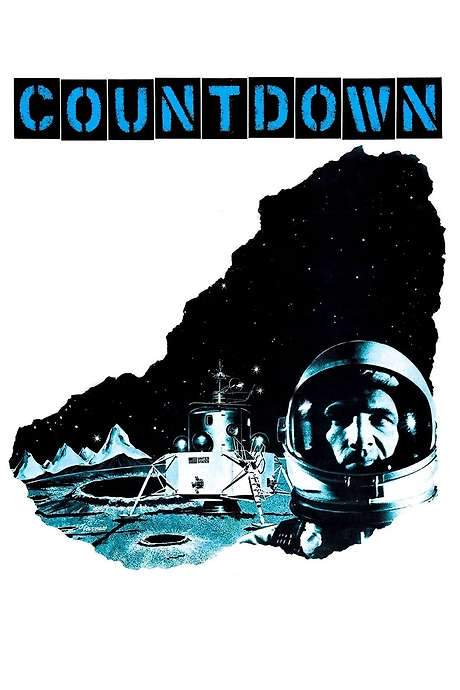
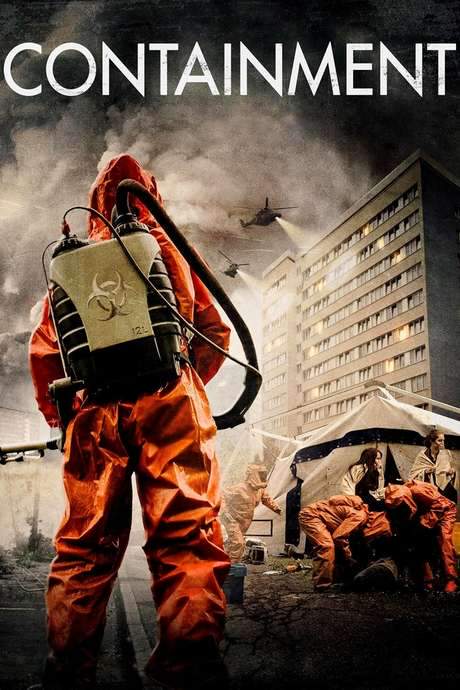
Claustrophobic countdown thrillers like Twilight’s Last Gleaming

Tense stories where characters are trapped in a race against time with catastrophic stakes. If you liked the tense missile silo standoff in Twilight’s Last Gleaming, you'll find similar high-anxiety experiences in these movies. This list features thrillers where characters are trapped in confined spaces, facing a catastrophic event, with a steady, nerve-wracking pace and high emotional stakes, perfect for fans of tense, single-location dramas.

  • tense
  • claustrophobic
  • anxious
  • desperate
  • paranoid
  • high-stakes
  • Tone: tense, paranoid
  • Pacing: steady, relentless
Why these movies?

The story pattern: The narrative follows a linear, often real-time progression towards a potential catastrophe. Conflict arises from a high-stakes negotiation or battle of wills within a limited space, forcing characters to make desperate choices under extreme pressure. The plot is driven by a clear, impending threat that leaves little room for escape or error.

Why they belong together: Movies are grouped here for their shared focus on confinement, a ticking clock, and the intense psychological pressure this combination creates. They share a tense, paranoid tone and a steady pacing that builds anxiety, offering a consistently high-intensity viewing experience centered on survival and difficult choices.
Cynical government conspiracy dramas like Twilight’s Last Gleaming

Bleak stories where individuals challenge a corrupt system hiding a devastating secret. For viewers who appreciated the cynical expose of government deceit in Twilight’s Last Gleaming, this list gathers movies about uncovering dark state secrets. These films share a heavy emotional weight, complex moral questions, and a tense, often bleak tone, perfect for fans of political thrillers that challenge authority and explore the cost of truth.

  • cynical
  • paranoid
  • fatalistic
  • tense
  • heavy
  • moral dilemma
  • Tone: tense, cynical, bleak
  • Pacing: steady, deliberate
Why these movies?

The story pattern: The narrative pattern involves the discovery or attempt to reveal a shameful secret buried by a powerful institution. The protagonist, often an insider or someone with a personal stake, engages in a dangerous conflict with the system, facing overwhelming opposition. The journey is typically fatalistic, emphasizing the immense difficulty and personal sacrifice required to challenge entrenched power, often ending without clear victory.

Why they belong together: These films are grouped by their shared cynical worldview regarding power and institutions, their focus on themes of truth and accountability, and their heavy emotional weight. They create a consistent vibe of paranoia and moral unease, appealing to viewers interested in politically charged stories with ambiguous, thought-provoking conclusions.

If you liked this

Movies Like Twilight’s Last Gleaming

Similar movies to Twilight’s Last Gleaming: the same genre, themes or kind of story. Each one comes with its own plot summary, timeline and ending explained.

Browse all movie summaries

Every angle

Twilight’s Last Gleaming (1977) Explained: Plot, Timeline & Characters

Everything about Twilight’s Last Gleaming in one place: what happens in the plot summary, the timeline in chronological order, the characters and meaning and a spoiler-free summary. What's After the Movie adds the cast, box office and post-credit scenes.

Coming soon on iOS and Android

The Plot Explained Movie Summary App

Plot summaries, endings explained and timelines on your phone. Catch up on any movie in minutes, save your favorites and never miss a twist again.

Be the first to know when we launch. Your email stays private, always.

Learn more about the app