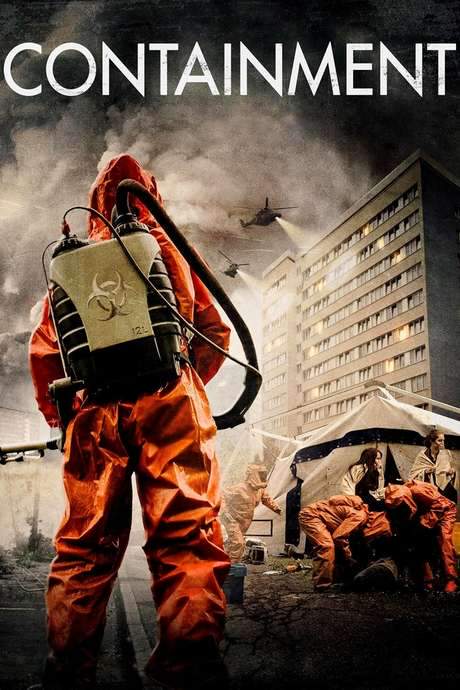
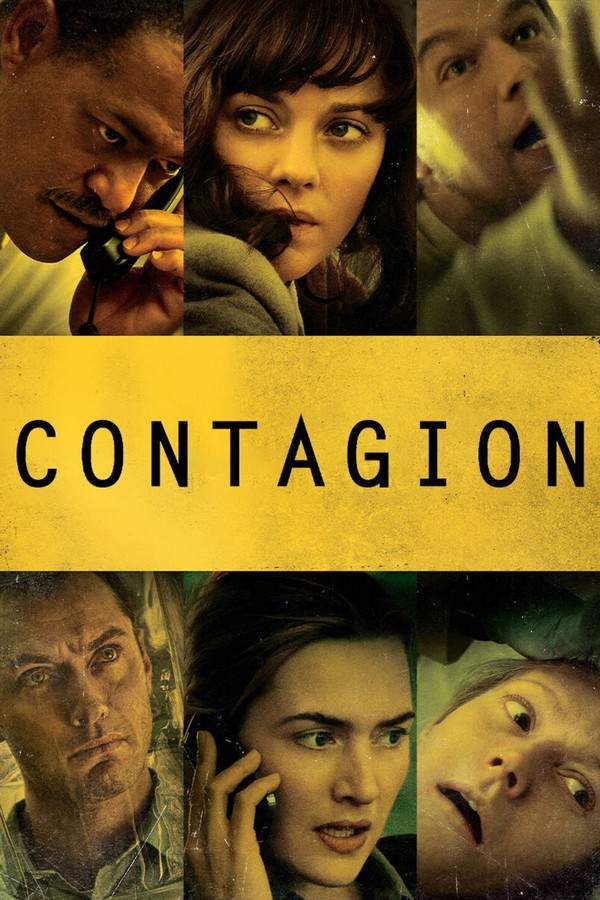
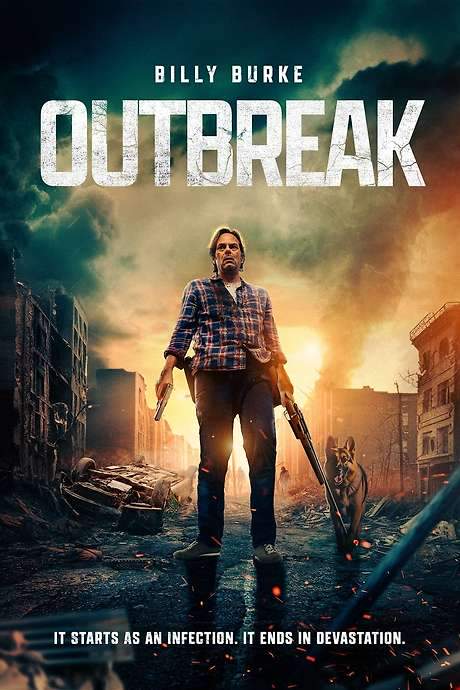
In a 1970s-era council block in Weston, Southampton, the film unfolds in the present-day United Kingdom. Mark, an artist, wakes to a chilling confinement: his flat is sealed off with no electricity, no running water, and no way to reach the outside world. The only signal of life beyond the walls is a steady intercom voice repeating, "Please remain calm, the situation is under control." Outside, eerie figures in Hazmat suits patrol the grounds and a military tent is set up, casting a clinical shadow over the once-familiar buildings.
> "Please remain calm, the situation is under control."
The sense of danger pushes Mark toward action, and he is joined by his neighbor, Sergei, who breaks down the wall between their flats to uncover what lies beyond and to search for an escape. The two men decide to pool their resources and risk the unknown, a choice that pulls in more residents into the uneasy orbit of the unfolding emergency. They recruit a small community of neighbors: Enid, Sally, and Aiden, each wrestling with fear, suspicion, and a stubborn will to survive.
As the situation tightens, a young resident named Nicu is taken, triggering a perilous effort by Mark and Sergei to rescue him. In the ensuing pivot from rescue to leverage, they seize a Hazmat nurse—Hazel—as a hostage, a move that sends ripples through the fragile micro-society inside the block. Sergei’s bold act—pressing Hazel against the window to make their confinement visible to those outside and to the residents in the adjacent flat—dramatizes the power dynamics at play and the desperate calculus everyone must navigate.
The residents press for information as the hours stretch. Hazel is subjected to questioning by the group, and her answers sharpen the emotional and moral stakes: an airborne virus has sparked the quarantine, one that can kill within 24 hours, and crucially, infected individuals may be asymptomatic in the early stages. The revelation deepens the fear, but it also forges a bond among the trapped neighbors as they weigh trust, risk, and the possibility of mutual aid against a backdrop of uncertainty and isolation.
Across these tense dynamics, the film paints a textured portrait of a community under siege. The claustrophobic setting—thin walls, dim corridors, the hum of unseen danger—becomes a crucible in which ordinary lives are tested and redefined. The storm of confinement forces each character to confront what they value, what they fear losing, and how far they’re willing to go to protect one another. In the end, the story threads together courage, doubt, and a stubborn will to hold a sliver of humanity together when the outside world seems to have paused in ash and silence.