Year: 1961
Runtime: 108 mins
Language: English
Director: Delbert Mann
Hayes, a young Pima Indian, enlists in the Marine Corps and endures ridicule at boot camp, finding a friend only in fellow Marine Sorenson. Both become two of the six men immortalized in the iconic Iwo Jima flag‑raising photograph, though Sorenson is killed shortly afterward. Celebrated as a hero, Hayes struggles with the aftermath of war, his life spiraling into turmoil.
Warning: spoilers below!
Haven’t seen The Outsider yet? This summary contains major spoilers. Bookmark the page, watch the movie, and come back for the full breakdown. If you're ready, scroll on and relive the story!
Trace every key event in The Outsider (1961) with our detailed, chronological timeline. Perfect for unpacking nonlinear stories, spotting hidden connections, and understanding how each scene builds toward the film’s climax. Whether you're revisiting or decoding for the first time, this timeline gives you the full picture.
Last updated: March 05, 2026 at 18:41
Find frequently asked questions about the The Outsider (1961) timeline, including chronological order, nonlinear jumps, cause-and-effect links, and scene sequence clarifications. This timeline FAQ helps explain when key events happen, how moments connect, and why the story unfolds in that specific order.
Ira Hayes enlisted in the United States Marine Corps at age 17, leaving the Pima reservation in Arizona. He wanted to prove himself and serve his country, seeking to escape the limitations of reservation life and find a sense of purpose and belonging that his homeland could not provide.
The film establishes early that Hayes felt like an outsider even before leaving for boot camp, hinting at his lifelong struggle to find acceptance.
Hayes faced constant ridicule at boot camp and throughout his service, with fellow Marines mocking him as "Chief" due to his Native American heritage. This discriminatory treatment made him feel like an outsider within his own unit, compounding the alienation he already felt leaving his homeland.
The flag-raising on Mount Suribachi during the Battle of Iwo Jima in February 1945 made Hayes one of six servicemen immortalized in an iconic photograph that became a lasting symbol of World War II. This moment transformed him into a national hero, but the sudden fame and public expectations would later weigh heavily on his mental health.
The film depicts the flag-raising as both a literal and symbolic cornerstone, with Hayes subsequently pulled into the national propaganda machine.
Jim Sorenson, Hayes's only friend in the Marines who treated him with respect, was killed by enemy fire shortly after the flag-raising on Iwo Jima. This loss deeply affected Hayes, leaving him with survivor's guilt that would haunt him throughout his life.
After returning home, Hayes was pulled into the national propaganda machine and recruited to help sell war bonds, presenting himself as a model of national virtue. However, the public adulation clashed with his inner turmoil, he felt unworthy of the praise and could not reconcile the public image of a hero with his own sense of self-worth and personal trauma.
A tribal chief asked Hayes to travel to Washington, D.C. to advocate for political support for an irrigation bill that would benefit the Pima people. The chief hoped Hayes could use his status as a war hero to gain attention for the community's needs, believing his fame could translate into meaningful political action.
On November 10, 1954, Hayes attended the dedication of the Marine Corps War Memorial (the Iwo Jima Memorial) in Arlington, Virginia. This ceremony marked a turning point, experiencing the public milestone gave Hayes a rare moment of clarity and sobriety, offering a fleeting sense of purpose beyond the glare of fame.
After attending the memorial dedication, Hayes returned to the Pima Reservation only to find that the tribal council no longer wanted him involved in community affairs. This rejection deepened his despair and sense of alienation, contributing to his relapse into alcoholism.
Hayes's depression, trauma from the war, survivor's guilt over Sorenson's death, and the pressure of living up to the public image of a hero all contributed to his alcoholism. He used whiskey as a shield against intrusive memories and the weight of public expectation, but drinking only isolated him further.
Hayes died of exposure to the elements in the hills near the Pima Reservation in 1955, at age 32, ten years after the Iwo Jima battle. Feeling isolated and unable to reconcile his past with his present, he withdrew from the community and succumbed to the elements, marking the tragic end of a man torn between public memory and private pain.
Hayes traveled to Washington, D.C. to advocate for his people's irrigation project, but the trip yielded few immediate changes. He returned home still burdened by his past and his addiction, unable to find the meaningful purpose he had hoped for.
Discover curated groups of movies connected by mood, themes, and story style. Browse collections built around emotion, atmosphere, and narrative focus to easily find films that match what you feel like watching right now.
Stories exploring the psychological scars and bleak aftermath of combat.If you were moved by the depiction of PTSD in The Outsider, explore other movies that realistically portray the heavy emotional toll of war. These powerful dramas focus on veterans struggling with trauma, addiction, and the aftermath of conflict.
These stories typically follow a linear, character-driven arc where a soldier returns from war physically but not mentally. The plot focuses on their internal struggle, often depicting a downward spiral fueled by trauma, alienation, and the inability to cope with civilian life, frequently culminating in a bleak or tragic conclusion.
Movies are grouped here based on their shared, unflinching focus on the psychological impact of war. They prioritize emotional realism over action, featuring melancholic tones, heavy emotional weight, and narratives centered on a character's decline or struggle after their combat experience ends.
Character studies of individuals destroyed by the burdens of sudden celebrity.Fans of The Outsider's exploration of a hero undone by his own legend will appreciate these films. Discover similar stories about individuals whose lives spiral out of control under the weight of public fame and personal turmoil.
The narrative pattern follows a rise-and-fall arc. A character achieves sudden, often unwanted, public recognition. Instead of bringing happiness, the fame isolates them and magnifies pre-existing or trauma-induced struggles, such as addiction or depression. The story charts their steady decline, with the external pressure of fame acting as a catalyst for their internal collapse.
These films are connected by their central theme of fame as a destructive force. They share a melancholic or bleak tone, a steady pacing that allows for deep character exploration, and a focus on the psychological toll of living under public scrutiny while battling private demons.
Don't stop at just watching - explore The Outsider in full detail. From the complete plot summary and scene-by-scene timeline to character breakdowns, thematic analysis, and a deep dive into the ending - every page helps you truly understand what The Outsider is all about. Plus, discover what's next after the movie.
Read a complete plot summary of The Outsider, including all key story points, character arcs, and turning points. This in-depth recap is ideal for understanding the narrative structure or reviewing what happened in the movie.
Discover the characters, locations, and core themes that shape The Outsider. Get insights into symbolic elements, setting significance, and deeper narrative meaning - ideal for thematic analysis and movie breakdowns.
Discover movies like The Outsider that share similar genres, themes, and storytelling elements. Whether you’re drawn to the atmosphere, character arcs, or plot structure, these curated recommendations will help you explore more films you’ll love.
The Outsider (1961) Plot Summary & Movie Recap
The Outsider (1961) Scene-by-Scene Movie Timeline
The Outsider (1961) Spoiler-Free Summary & Key Flow
Movies Like The Outsider – Similar Titles You’ll Enjoy
Sands of Iwo Jima (1950) Ending Explained & Film Insights
The Outsiders (1983) Plot Summary & Ending Explained
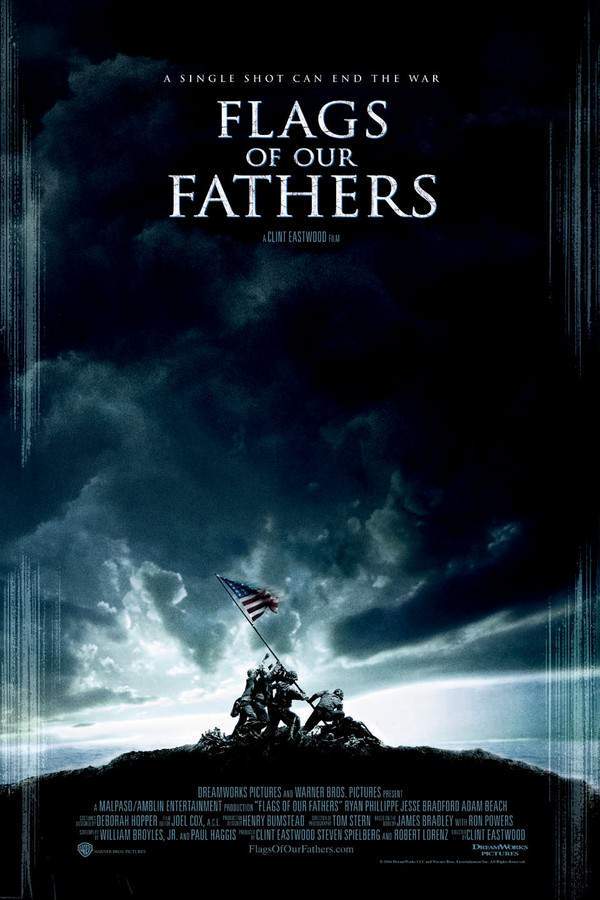
Flags of Our Fathers (2006) Movie Recap & Themes
The Outsider (2014) Full Summary & Key Details
The Outsider (2019) Film Overview & Timeline
The Outpost (2019) Spoiler-Packed Plot Recap
The Outsider (1979) Full Movie Breakdown
All the Young Men (1960) Plot Summary & Ending Explained
Soldier Blue (1970) Spoiler-Packed Plot Recap
Home of the Brave (1949) Story Summary & Characters
To Hell and Back (1955) Complete Plot Breakdown
Beach Red (1967) Complete Plot Breakdown
Pride of the Marines (1945) Full Movie Breakdown
The Fighting 69th (1940) Spoiler-Packed Plot Recap
Go for Broke! (1951) Story Summary & Characters