Plot Explained Spoilers guaranteed!
Plot Explained

Browse by genre

The Outsider (1961) movie poster

Characters & Themes

The Outsider (1961) Characters, Setting & Themes Explained

Release, runtime and language
1961 · 108 mins · English
Loading streaming availability…
Directed by
Delbert Mann
Starring
Vince Edwards, Tony Curtis, Vivian Nathan, James Franciscus, Lynda Day George, Stanley Adams

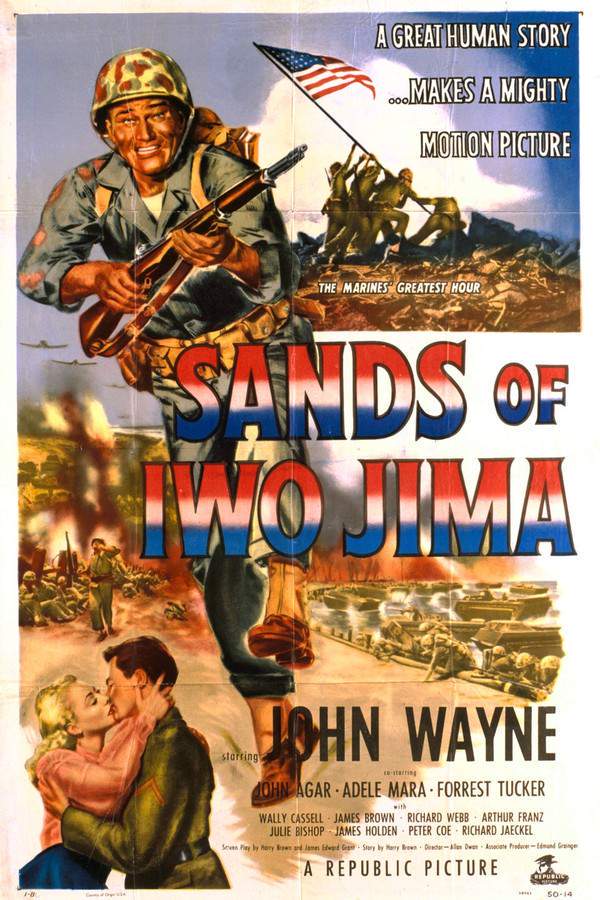
Hayes, a young Pima Indian, enlists in the Marine Corps and endures ridicule at boot camp, finding a friend only in fellow Marine Sorenson. Both become two of the six men immortalized in the iconic Iwo Jima flag‑raising photograph, though Sorenson is killed shortly afterward. Celebrated as a hero, Hayes struggles with the aftermath of war, his life spiraling into turmoil.

On this page (8)
  1. 1 Where to watch
  2. 2 Characters explained (4)
  3. 3 Where & when it takes place
  4. 4 Themes & meaning (3)
  5. 5 Character & meaning questions
  6. 6 Movie threads
  7. 7 Movies like The Outsider
  8. 8 Every angle
Loading streaming availability…

4 main characters · contains spoilers

The Outsider Characters Explained: Who Is Who

The main characters of The Outsider (1961), heroes and villains: what drives them, how they change over the course of the story and what each of them reveals about the film's bigger ideas.

  • Ira Hamilton Hayes

    played by Vince Edwards

    A 17-year-old from the Pima reservation who joins the Marines. He faces hostility from fellow Marines and is mocked as 'Chief'. The war leaves him morose and traumatized, and his later fame as a flag-raiser pulls him into a public life he struggles to accept, marked by alcoholism and a yearning for belonging.

    • 🏅 Hero
    • 🪶 Indigenous
    • 🥃 Alcoholism
  • James B. Sorenson

    played by James Franciscus

    One of the six U.S. Marines who raise the flag on Mount Suribachi and a close ally to Hayes. He is killed by enemy fire after the fateful act, leaving a lasting impact on those who survive the battle and the story's memory of the event.

    • ⚔️ Soldier
    • 🪖 Combat
    • 💔 Loss
  • Nancy Hayes

    played by Vivian Nathan

    Ira Hayes's wife who witnesses his transition from reluctant hero to public figure and witnesses his private struggles back home. Her perspective reflects the strain of fame on family life and the realities of veterans' reintegration.

    • 👪 Family
    • 🥃 Alcoholism
    • 🗣️ Public Life
  • John Bradley

    played by Forrest Compton

    A fellow Marine and one of the Iwo Jima Marines who shares in the flag-raising moment. His presence in the story underscores the camaraderie and collective experience of the soldiers involved in the emblematic action.

    • 🤝 Comrades
    • 🪖 Soldier

Last updated: March 05, 2026 at 18:25

Was this helpful?

Setting

Where and When Does The Outsider Take Place?

The setting of The Outsider (1961): the year and time period, the places and locations, and how they shape the characters, the mood and the tension of the story.

Time period

1940s–1960s

The film is set during World War II and its aftermath, centering on the Iwo Jima campaign and the postwar years. It follows Hayes from his late teens into the mid-1960s, including the 1954 Marine Corps War Memorial dedication in Arlington. The period frames heroism, celebrity, struggle with trauma, and the challenges of returning to civilian life.

Location

Pima Reservation, Mount Suribachi (Iwo Jima), Arlington, Virginia, Washington, D.C.

The story follows Ira Hayes from his roots on the Pima Reservation in Arizona to the battlefield of Mount Suribachi on Iwo Jima. The Iwo Jima sequence anchors the film in brutal combat that becomes a national symbol of sacrifice. The narrative travels to Arlington, Virginia, and Washington, D.C., where memory, memorials, and political action intersect with Hayes's life.

  • 🏜️ Native Lands
  • 🗼 War Battlefield
  • 🏛️ Memorial
  • 🌆 Washington
  • D.C.

Last updated: March 05, 2026 at 18:25

Was this helpful?

3 major themes

The Outsider Meaning: Themes & Message Explained

What is The Outsider (1961) really about? The emotional, social and philosophical themes the film keeps returning to, its symbolism and the message beneath the surface.

  • Heroism and Trauma

    Hayes is celebrated as a war hero after the flag-raising, yet the film shows the personal cost of combat. The memory of battle haunts him, shaping his sense of worth and his relationships. Public acclaim and private pain clash, revealing that heroism on the battlefield does not erase inner wounds. The story suggests lasting scars that follow veterans long after the cheers fade.

  • Public Image vs. Reality

    The iconic photograph elevates Hayes to national fame, but he struggles with feeling unworthy of adulation. The weight of being a symbol becomes a trap, complicating his sense of identity. The film critiques how media and memorial culture can distort a person’s true experience. It contrasts outward heroism with inner vulnerability.

  • Identity and Community

    Hayes's Indigenous identity anchors the story, shaping his choices and reception. The tribal council and political advocacy tasks test his sense of responsibility beyond warfare. The journey from reservation life to national memory raises questions about belonging, duty, and self-determination. The narrative hints at cultural tensions and the difficulty of reconciling public heroism with communal expectations.

Last updated: March 05, 2026 at 18:25

Was this helpful?

Character & theme questions

The Outsider Characters & Meaning: Your Questions Answered

The questions people ask about The Outsider (1961): who the characters really are, their relationships, what the symbols mean, where it takes place and what the movie is really about. Each answer contains spoilers.

Q1

Where is Ira Hayes from?

Ira Hayes is a Pima Indian from the Pima Reservation in Arizona. His Indigenous background is central to the film's exploration of identity and belonging, as he enlists in the Marines and leaves his tribal community behind to fight in World War II.

  • pima reservation
  • arizona
  • ira hayes origins
  • native american
Q2

Where does the famous flag-raising occur?

The iconic flag-raising takes place on Mount Suribachi during the Battle of Iwo Jima. This Pacific island battlefield becomes the setting for one of the most recognized moments in American military history, transforming six Marines into national symbols.

  • mount suribachi
  • iwo jima
  • flag raising
  • battlefield
Q3

When does the story take place?

The film spans from the 1940s through the mid-1960s, covering Hayes's service during World War II, particularly the 1945 Iwo Jima campaign, and extending into the postwar years including the 1954 Marine Corps War Memorial dedication in Arlington.

  • 1940s
  • 1950s
  • 1960s
  • world war ii
  • postwar
Q4

What does the film say about heroism and trauma?

The film explores how public celebration of war heroes contrasts sharply with the private psychological wounds they carry. Hayes is celebrated as a national hero after the flag-raising, but battles lasting trauma, alcoholism, and survivor's guilt, illustrating that battlefield heroism does not erase inner suffering.

  • ptsd
  • trauma
  • heroism
  • war scars
  • psychological aftermath
Q5

How does the film portray public image versus private reality?

The film critiques how media and memorial culture distort a veteran's true experience. Hayes becomes a symbolic figure raised on public adulation, yet privately struggles with feeling unworthy of such praise, trapped by the gap between the hero others see and the wounded man he feels inside.

  • public image
  • fame
  • media
  • symbol versus person
  • identity struggle
Q6

What role does Indigenous identity play in the story?

Hayes's Pima identity shapes his entire journey, from the cultural tensions he faces at boot camp to his struggle to reconcile his tribal duties with public heroism. The film examines how his Indigenous background influences both how others perceive him and how he perceives himself.

  • pima
  • native american
  • identity
  • belonging
  • cultural tension
Q7

Who is the main character Ira Hayes?

Ira Hayes is a 17-year-old Pima Indian who enlists in the Marine Corps and becomes one of the six Marines to raise the flag on Iwo Jima. The film follows his transformation from a reluctant soldier to a celebrated hero who ultimately struggles with fame, trauma, and alcoholism.

  • ira hayes
  • main character
  • pima indian
  • marine
  • veteran
Q8

Who is James Sorenson in the film?

James B. Sorenson is one of the six Marines who raise the flag on Mount Suribachi and becomes Hayes's closest friend during the war. He is killed by enemy fire shortly after the flag-raising, and his death has a profound impact on Hayes throughout the rest of the film.

  • james sorenson
  • friend
  • flag raiser
  • iwo jima
  • death
Q9

Who is Nancy Hayes?

Nancy Hayes is Ira Hayes's wife who witnesses his transformation from a reluctant hero into a public figure struggling with fame and personal demons. Her perspective highlights the strain that wartime trauma and public attention place on family life and veterans' reintegration.

  • nancy hayes
  • wife
  • family
  • veteran reintegration
  • support
Q10

Who are the six men who raised the flag on Iwo Jima?

The six men include Ira Hayes, James B. Sorenson, John Bradley, and three others whose identities have become part of American military history. The film focuses particularly on Hayes and Sorenson's relationship, with Bradley serving as a fellow Marine who shares in this iconic moment.

  • six marines
  • iwo jima flag raising
  • john bradley
  • historical figures
Q11

What is the significance of Washington D.C. and Arlington in the story?

The film travels to Arlington, Virginia and Washington, D.C., where memory, memorials, and political action intersect with Hayes's life. These locations represent the public commemoration of war heroes and the political machinery that shapes how veterans' stories are told and used.

  • arlington
  • washington dc
  • memorials
  • marine corps war memorial
  • politics

Movie threads

More Movies Like The Outsider, by Mood & Story

Curated lists built around what makes The Outsider tick: the same mood, the same kind of story or the same emotional payoff. Each list explains why these movies belong together.

Dramas about war trauma like The Outsider

Stories exploring the psychological scars and bleak aftermath of combat. If you were moved by the depiction of PTSD in The Outsider, explore other movies that realistically portray the heavy emotional toll of war. These powerful dramas focus on veterans struggling with trauma, addiction, and the aftermath of conflict.

  • somber
  • traumatic
  • psychological
  • grieving
  • lonely
  • heavy
  • Tone: melancholic, bleak
  • Pacing: steady, introspective
Why these movies?

The story pattern: These stories typically follow a linear, character-driven arc where a soldier returns from war physically but not mentally. The plot focuses on their internal struggle, often depicting a downward spiral fueled by trauma, alienation, and the inability to cope with civilian life, frequently culminating in a bleak or tragic conclusion.

Why they belong together: Movies are grouped here based on their shared, unflinching focus on the psychological impact of war. They prioritize emotional realism over action, featuring melancholic tones, heavy emotional weight, and narratives centered on a character's decline or struggle after their combat experience ends.

Movies about tragic fame like The Outsider

Character studies of individuals destroyed by the burdens of sudden celebrity. Fans of The Outsider's exploration of a hero undone by his own legend will appreciate these films. Discover similar stories about individuals whose lives spiral out of control under the weight of public fame and personal turmoil.

  • tragic
  • melancholic
  • lonely
  • struggling
  • fame
  • guilt
  • Tone: melancholic, tragic
  • Pacing: steady, deliberate
Why these movies?

The story pattern: The narrative pattern follows a rise-and-fall arc. A character achieves sudden, often unwanted, public recognition. Instead of bringing happiness, the fame isolates them and magnifies pre-existing or trauma-induced struggles, such as addiction or depression. The story charts their steady decline, with the external pressure of fame acting as a catalyst for their internal collapse.

Why they belong together: These films are connected by their central theme of fame as a destructive force. They share a melancholic or bleak tone, a steady pacing that allows for deep character exploration, and a focus on the psychological toll of living under public scrutiny while battling private demons.

If you liked this

Movies Like The Outsider

Similar movies to The Outsider: the same genre, themes or kind of story. Each one comes with its own plot summary, timeline and ending explained.

Browse all movie summaries

Every angle

The Outsider (1961) Explained: Plot, Timeline & Characters

Everything about The Outsider in one place: what happens in the plot summary, the timeline in chronological order, the characters and meaning and a spoiler-free summary. What's After the Movie adds the cast, box office and post-credit scenes.

Coming soon on iOS and Android

The Plot Explained Movie Summary App

Plot summaries, endings explained and timelines on your phone. Catch up on any movie in minutes, save your favorites and never miss a twist again.

Be the first to know when we launch. Your email stays private, always.

Learn more about the app