
Plot Summary
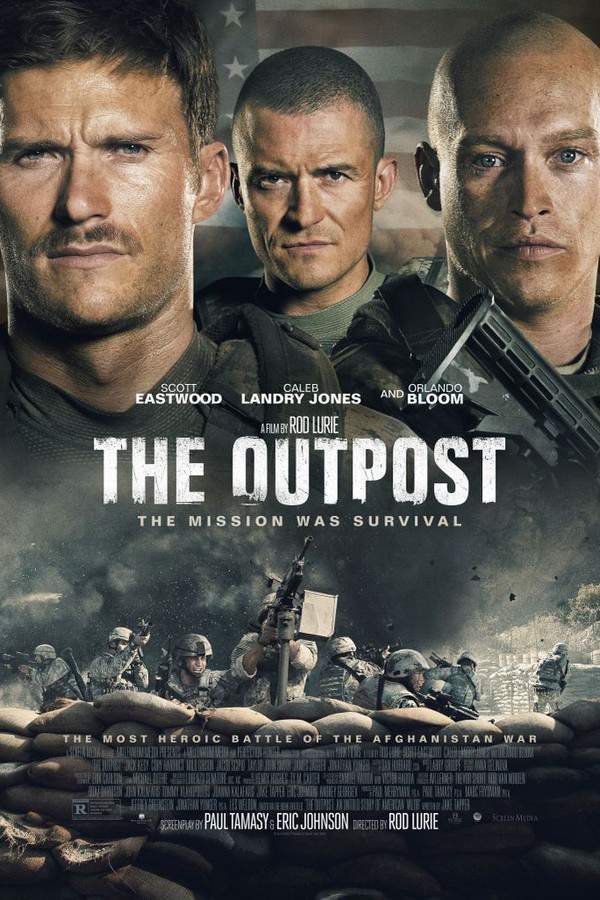
The Outpost (2019) Plot Summary Explained
- Directed by
- Rod Lurie
- Starring
- Scott Eastwood, Will Attenborough, Jack Kesy, Caleb Landry Jones, Bobby Lockwood, Orlando Bloom
- Budget
- $18M
In 2009, a small unit of U.S. soldiers stationed at the remote Combat Outpost Keating in Afghanistan faced a coordinated and overwhelming attack by Taliban fighters. Located deep within a valley, the outpost became the focal point of the Battle of Kamdesh, the deadliest American engagement of the Afghan War. Bravo Troop, 3-61 CAV, fought valiantly to defend their position, ultimately becoming one of the most decorated units in the 19-year conflict. Their mission was survival against incredible odds.
On this page (4)
Full plot summary · contains spoilers
What Happens in The Outpost: Full Plot Summary
The whole story of The Outpost (2019) explained, from the opening scene to the final frame: every key event, every twist and what it all adds up to. Read it as a quick recap before the sequel, to check a scene you missed, or to finally understand what really happened.
During the war in Afghanistan, SSG Romesha and a new group of soldiers arrive at PRT Kamdesh, under the command of CPT Keating. SGT Scusa saves a dog from being shot, and the men fend off Taliban attacks. SSG Gallegos assaults PFC Yunger for firing too close to his head, while SGT Larson reprimands SPC Carter for arguing during the firefight. Keating arranges a shura to offer local elders money for infrastructure projects in exchange for peace. A gunshot residue test proves that a local man took part in the previous day's attack, but he and others lay down their arms. Keating offers to drive a large LMTV through the narrow mountain roads; while Romesha and Carter scout ahead, the vehicle falls off a cliff, killing Keating.
The new commanding officer, CPT Yllescas, sends out a patrol after another attack; Romesha details how he would mount an assault on the vulnerable outpost. SGT Kirk apprehends a local man paid by the elders to take pictures of the base, which leads Yllescas to withhold the money Keating promised them. The base's Afghan interpreter, Mohammed, warns of an impending large-scale attack, but his fears are dismissed. Patrolling a bridge with Yunger, Yllescas is killed by a bomb; the traumatized Yunger is talked out of suicide by Romesha and extracted out of the Outpost with Yllescas' body.
CPT Broward takes charge of the base, which he reveals will soon be closed. An Afghan ID is found near the bridge, presumably belonging to the bomber, but Broward refuses to allow Romesha and the men to search the nearby villages. Romesha clashes with Broward over the captain's strict adherence to the rules of engagement, and pressure from Afghan President Karzai postpones the closing of the base. Carter approaches 1LT Bundermann with the men's concern about Broward's leadership, but is rebuffed.
A nighttime attack reveals the insurgents now have night vision equipment and mortars. The next day, elders arrive with the body of a girl they fraudulently claim was killed by the American counterattack; Broward agrees to compensate them, and shoots Scusa's dog for biting an elder. As the troops blow off steam by waterboarding each other, Broward reveals he has been relieved of command and the base will officially close in October. Left in command, Bundermann orders the men not to send any communication about leaving the base, as the soldiers make calls to their loved ones.
On the morning of October 3, 2009, Mohammed alerts the base that the villagers are gone and hundreds of Taliban fighters have surrounded the outpost. A firefight erupts, sending the Afghan National Army forces fleeing, and PFC Thomson and Scusa are killed. Gallegos and several others are pinned down inside an armored vehicle, and Romesha is wounded trying to reach them. Learning Kirk has been killed, Romesha eliminates a Taliban sniper. SGT Hardt, SPC Griffin, and PVT Faulkner try to reach Gallegos' position, but their vehicle becomes stuck as they realize the Taliban have breached the perimeter. Griffin and Hardt are killed, and Romesha reaches the TOC and convinces Bundermann they should retake the base.
Larson and Carter lay down covering fire, allowing the others to escape from the armored vehicle. Gallegos and SSG Martin are killed, and despite taking heavy gunfire, Carter rescues wounded SPC Mace. Romesha leads a group of men to successfully secure the front gate, just as air support arrives. As a B-1 bomber drops its payload on the Taliban's position, Carter and Larson carry Mace to the aid station, where CPT Cordova uses fresh blood from himself and others to transfuse Mace. CPT Portis and a quick reaction force arrive, dispatching the last of the insurgents. The remaining soldiers leave by helicopter as the base is demolished with explosives, and learn Mace did not survive. The Battle of Kamdesh left 27 Americans wounded and 8 dead, and Romesha and Carter each received the Medal of Honor, members of what became the most decorated unit of the war.
Last updated: October 03, 2026 at 14:45
Plot questions answered
The Outpost Plot Explained: Your Questions Answered
The questions people ask most about The Outpost (2019): what happens in the confusing scenes, why the characters do what they do, the twists, hidden details and what the ending means. Each answer contains spoilers.
Q1 Why did Captain Keating insist on driving the LMTV himself?
Keating volunteered to drive the large vehicle through the narrow mountain roads rather than risk a less experienced driver navigating the dangerous route. While Romesha and Carter scouted ahead on foot, the LMTV fell off a cliff, killing Keating instantly. His death created a leadership vacuum that destabilized the outpost for the remainder of the deployment.
Foreshadowing: Keating's willingness to take personal risks on behalf of his men had been established earlier, including personally organizing the shura with local elders.
- keating
- lmtv
- cliff
- death
- lmtv accident
- mountain roads
Q2 Why was Combat Outpost Keating considered so vulnerable?
COP Keating was positioned at the bottom of a deep valley surrounded by mountains, giving Taliban fighters on the surrounding high ground clear lines of sight and fire into the base. The placement made it nearly impossible to defend against coordinated attacks from multiple elevated positions, a fact Romesha himself articulated when he described how he would assault the outpost if he were the enemy.
Foreshadowing: Romesha's early tactical assessment of the base's weaknesses foreshadows exactly the kind of assault the Taliban eventually launched.
- cop keating
- vulnerability
- valley
- mountains
- outpost location
Q3 Why was interpreter Mohammed's warning about an attack ignored?
Mohammed repeatedly warned the American commanders that a large-scale Taliban assault was imminent, but his intelligence was not trusted or prioritized. Command focus remained on day-to-day operations, leadership transitions, and the pending base closure, which left the unit psychologically unprepared for the October 3 attack despite the advance warning.
Foreshadowing: Mohammed's local knowledge and credible threat assessments had been validated earlier when the gunshot residue test confirmed a local man's involvement in an attack.
- mohammed
- interpreter
- warning
- attack
- ignored intelligence
Q4 Why did the Afghan National Army soldiers flee during the Battle of Kamdesh?
When the Taliban launched their coordinated assault on the morning of October 3, the ANA forces stationed at the outpost broke and ran almost immediately. Without their support, the American defenders were left outnumbered and had to fight the hundreds-strong Taliban force alone, which directly contributed to the heavy American casualties.
Foreshadowing: Earlier friction between the Americans and their ANA counterparts had suggested the allied force was not cohesive or dependable under fire.
- afghan national army
- ana
- flee
- battle of kamdesh
- deserted
Q5 Why was Captain Broward relieved of command at the outpost?
Broward was relieved because his rigid adherence to the rules of engagement and dismissive leadership style eroded morale and operational effectiveness at an already vulnerable base. His decision to shoot Scusa's dog and approve compensation for a fraudulent casualty claim further damaged trust, and the men's formal complaints to Bundermann reflected a broken command relationship.
Foreshadowing: Broward's early clashes with Romesha over tactical flexibility and the dog incident foreshadowed the leadership breakdown that led to his removal.
- broward
- relieved
- command
- leadership
- rules of engagement
Q6 Why did Bundermann order the soldiers not to communicate about leaving the base?
After taking command, Bundermann prohibited outgoing communications about the base closure to prevent operational security leaks that could tip off the Taliban to a vulnerable withdrawal window. The soldiers were still allowed personal calls to loved ones, but the secrecy was meant to keep the planned departure concealed until the last possible moment.
Foreshadowing: The earlier discovery of a local man photographing the base for the elders had already shown how easily intelligence about the outpost was reaching the enemy.
- bundermann
- communication
- operational security
- base closure
Q7 How did Romesha and Carter both receive the Medal of Honor?
Romesha earned the Medal of Honor for leading the counterattack that retake the base, personally eliminating a Taliban sniper, and organizing the defense while wounded. Carter received his for repeatedly exposing himself to heavy fire to rescue wounded comrades, including dragging SPC Mace to the aid station under direct enemy fire. Their combined actions during the Battle of Kamdesh made them the only two Medal of Honor recipients from a single engagement in the Afghan War.
Foreshadowing: Both soldiers had demonstrated individual initiative and courage in earlier skirmishes, foreshadowing the leadership that would define them on October 3.
- medal of honor
- romesha
- carter
- decorated unit
- kamdesh
Q8 Why did Captain Broward shoot Scusa's dog?
Broward shot the dog after it bit a local elder who had come to the base to make a fraudulent claim about a girl killed in a counterattack. Broward used the incident to enforce discipline and accommodate the elders' complaints, even though the dog was beloved by the soldiers and had been personally saved by Scusa earlier in the deployment.
Foreshadowing: Broward's willingness to make unpopular decisions to appease local politics had already been established when he approved compensation for the fraudulent casualty claim the same day.
- dog
- scusa
- broward
- shot
- elder
Q9 What happened to SPC Mace after the battle?
Mace was mortally wounded during the fighting and carried to the aid station by Carter and Larson, where CPT Cordova performed an emergency transfusion using his own fresh blood and blood from other soldiers. Despite the heroic effort to keep him alive, Mace did not survive, making his death the final American casualty of the battle.
Foreshadowing: Cordova's willingness to risk his own health for wounded soldiers was a defining leadership trait, but the transfusion ultimately could not overcome the severity of Mace's injuries.
- mace
- transfusion
- cordova
- casualty
- wounded
Q10 Why did PFC Yunger attempt suicide after Yllescas' death?
Yunger was walking beside Captain Yllescas when an IED detonated on the bridge, killing the captain instantly and leaving Yunger traumatized and guilt-ridden. The psychological shock of witnessing his commander's death at such close range pushed Yunger to attempt suicide, but Romesha talked him down and he was extracted from the outpost along with Yllescas' body.
Foreshadowing: Yunger had already shown signs of strain earlier when Gallegos assaulted him for firing too close during a firefight, suggesting he was on edge before the bridge incident.
- yunger
- suicide
- yllescas
- bomb
- bridge
- trauma
Q11 Why did the elders bring a girl's body and falsely claim Americans killed her?
The elders exploited the rules of engagement and American compensation policies by bringing a girl whose death was not caused by U.S. forces and demanding payment under the guise of a counterattack casualty. Broward, eager to maintain the shura relationship, approved the compensation rather than investigate, which demoralized the soldiers and reinforced their distrust of his leadership.
Foreshadowing: The earlier discovery of a local man photographing the base for the elders had already revealed that the village leadership could not be fully trusted as neutral partners.
- elders
- fraudulent
- girl
- compensation
- shura
- rules of engagement
Q12 How did the soldiers manage to retake the base during the battle?
Romesha reached the Tactical Operations Center and convinced Bundermann that a counterattack was the only way to push back the Taliban and free the pinned-down troops. He then led a team to secure the front gate while Larson and Carter provided covering fire to extract the trapped soldiers from the armored vehicle, just as air support arrived to turn the tide against the Taliban positions.
Foreshadowing: Romesha had earlier walked the leadership through exactly how he would assault the base if he were the enemy, giving him a pre-built tactical framework he could reverse against the Taliban.
- retake base
- counterattack
- romesha
- bundermann
- air support
Q13 How did the Taliban acquire night vision equipment and mortars?
The nighttime attack that revealed the insurgents now possessed night vision gear and mortars showed that the Taliban had been steadily escalating their firepower and tactical sophistication throughout the deployment. This escalation was a direct response to the Americans' technological edge and foreshadowed the overwhelming firepower the Taliban would bring to the October 3 assault.
Foreshadowing: The earlier, smaller-scale attacks had already been growing in intensity, signaling that the Taliban were stockpiling heavier weapons for a larger operation.
- taliban
- night vision
- mortars
- escalation
- weapons
Q14 Why didn't the soldiers search the nearby villages for the bridge bomber?
After an Afghan ID was found near the bridge where Yllescas was killed, the soldiers wanted to raid the surrounding villages to identify the bomber, but Captain Broward refused to authorize the search due to his strict adherence to the rules of engagement. The restriction frustrated Romesha and the men, who believed a timely raid could have disrupted Taliban planning before the October 3 attack.
Foreshadowing: Broward's refusal to allow offensive action against the villages reinforced the pattern of his restrictive leadership that would eventually lead to his relief.
- bridge
- bomber
- villages
- broward
- rules of engagement
- search
If you liked this
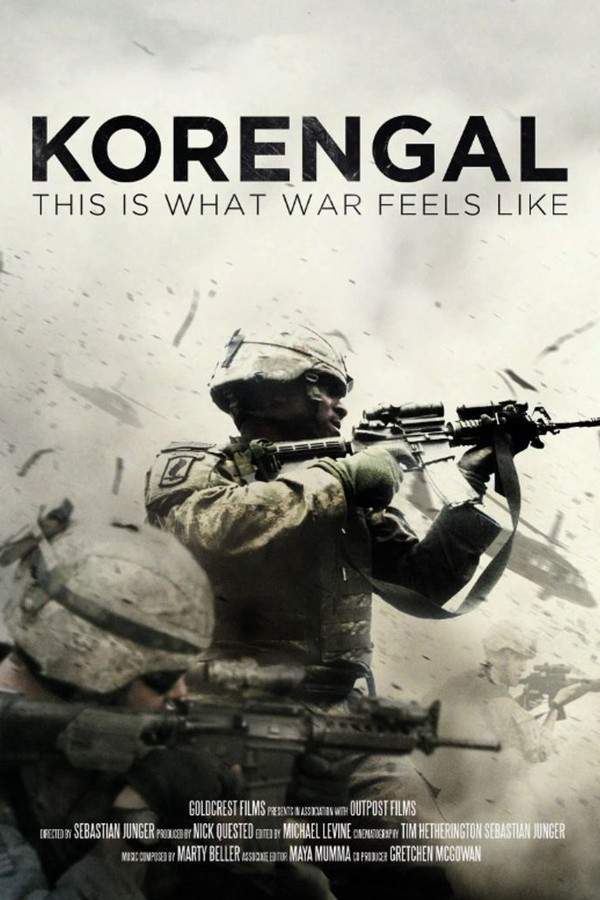
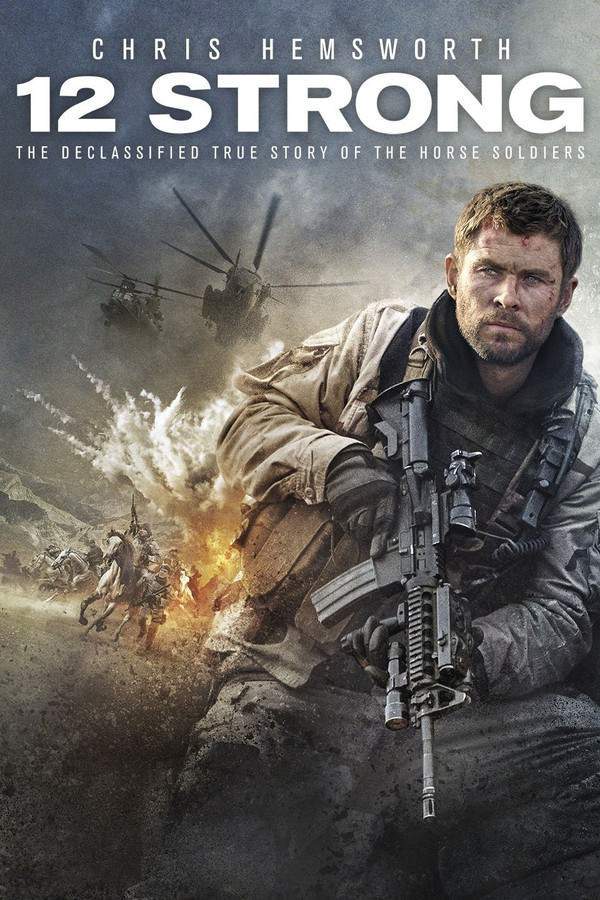
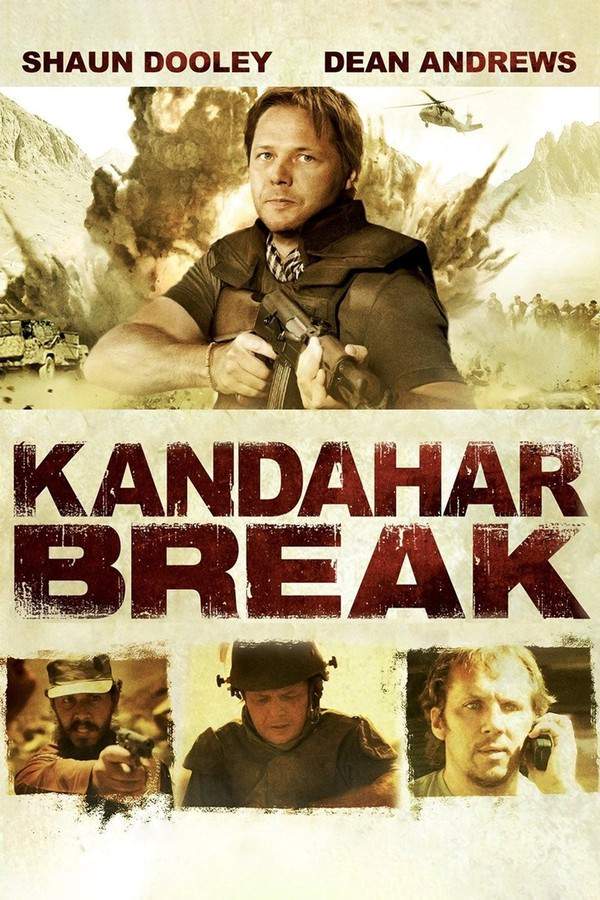
Movies Like The Outpost
Similar movies to The Outpost: the same genre, themes or kind of story. Each one comes with its own plot summary, timeline and ending explained.


Every angle
The Outpost (2019) Explained: Plot, Timeline & Characters
Everything about The Outpost in one place: what happens in the plot summary, the timeline in chronological order, the characters and meaning and a spoiler-free summary. What's After the Movie adds the cast, box office and post-credit scenes.
- The Outpost Timeline Every key event in chronological order, ideal for flashbacks and time jumps.
- The Outpost Characters & Themes Who is who, where it takes place and what the movie really means.
- The Outpost Spoiler-Free Summary What it is about and whether it is worth watching, without spoilers.
- The Outpost on What's After the Movie Cast and crew, box office, post-credit scenes and more.
Coming soon on iOS and Android
The Plot Explained Movie Summary App
Plot summaries, endings explained and timelines on your phone. Catch up on any movie in minutes, save your favorites and never miss a twist again.
Be the first to know when we launch. Your email stays private, always.
Learn more about the app