Rip Torn plays the company gunnery sergeant Ben Honeywell, providing a blunt, hard-edged presence that anchors a brutal opening sequence. The 30-minute beach landing is depicted with graphic intensity, offering a raw snapshot of war’s violence and savagery that would later echo in Steven Spielberg’s Saving Private Ryan. In a stark moment during the assault, a Marine’s arm is blown off, a image that hammers home the ferocity of combat and echoes the starkness found in Thomas C. Lea III’s 1944 painting The Price.
As American troops consolidate their gains, the film shifts to flashbacks that illuminate the lives of both American and Japanese combatants. The narrative unfurls through shifting first-person voice-over in a stream-of-consciousness style, giving intimate glimpses into the thoughts and fears of a wide cast of characters. Like Cornel Wilde's previous The Naked Prey (1965), the film does not provide subtitles for Japanese dialogue, forcing the viewer to experience communication as a direct, unfiltered exchange.
The storytelling is heavily driven by voice-over, often juxtaposed with still photographs that punctuate the narrative with scenes of wives and family. Among these visuals is Julie MacDonald Jean Wallace, captured in photographs that feel antiquated yet pivotal to the lives that veterans carry with them off the battlefield. The combination of moving narration and static images creates a mood that lingers between memory and reality, tenderness and brutality, empathy and detachment.
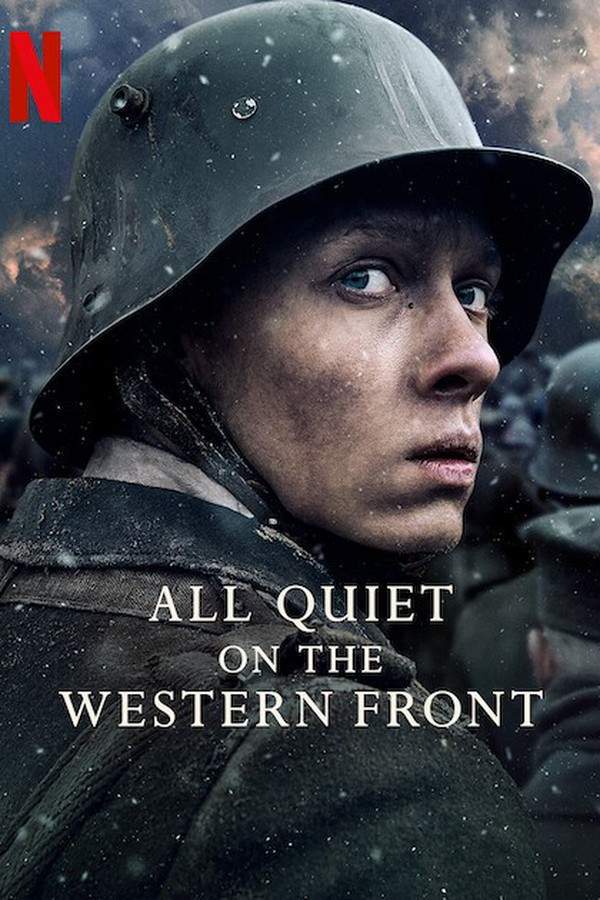
The film maintains a striking level of sympathy for the enemy, a choice that adds moral ambiguity to the war drama. It invites viewers to feel the sorrow and humanity on both sides, not merely the thrill of combat. In one poignant moment, Pvt. Joseph Joshua Cliff [Patrick Wolfe] lies beside an injured Japanese soldier; the brief bond between them mirrors a scene from All Quiet on the Western Front, before fellow Marines arrive and kill the Japanese soldier, leaving Cliff shaken by the toll of the encounter.
Directorially, the project is anchored by Wilde in multiple roles—director, producer, and co-writer—who also appears on screen as a Marine captain, the company commander, adding another layer of where the story comes from and how it is presented. The film’s tagline is delivered with blunt honesty by the on-screen leadership: “That’s what we’re here for. To kill. The rest is all crap!”
> That’s what we’re here for. To kill. The rest is all crap!