



Plot Explained Spoilers guaranteed!
Plot Explained

Browse by genre

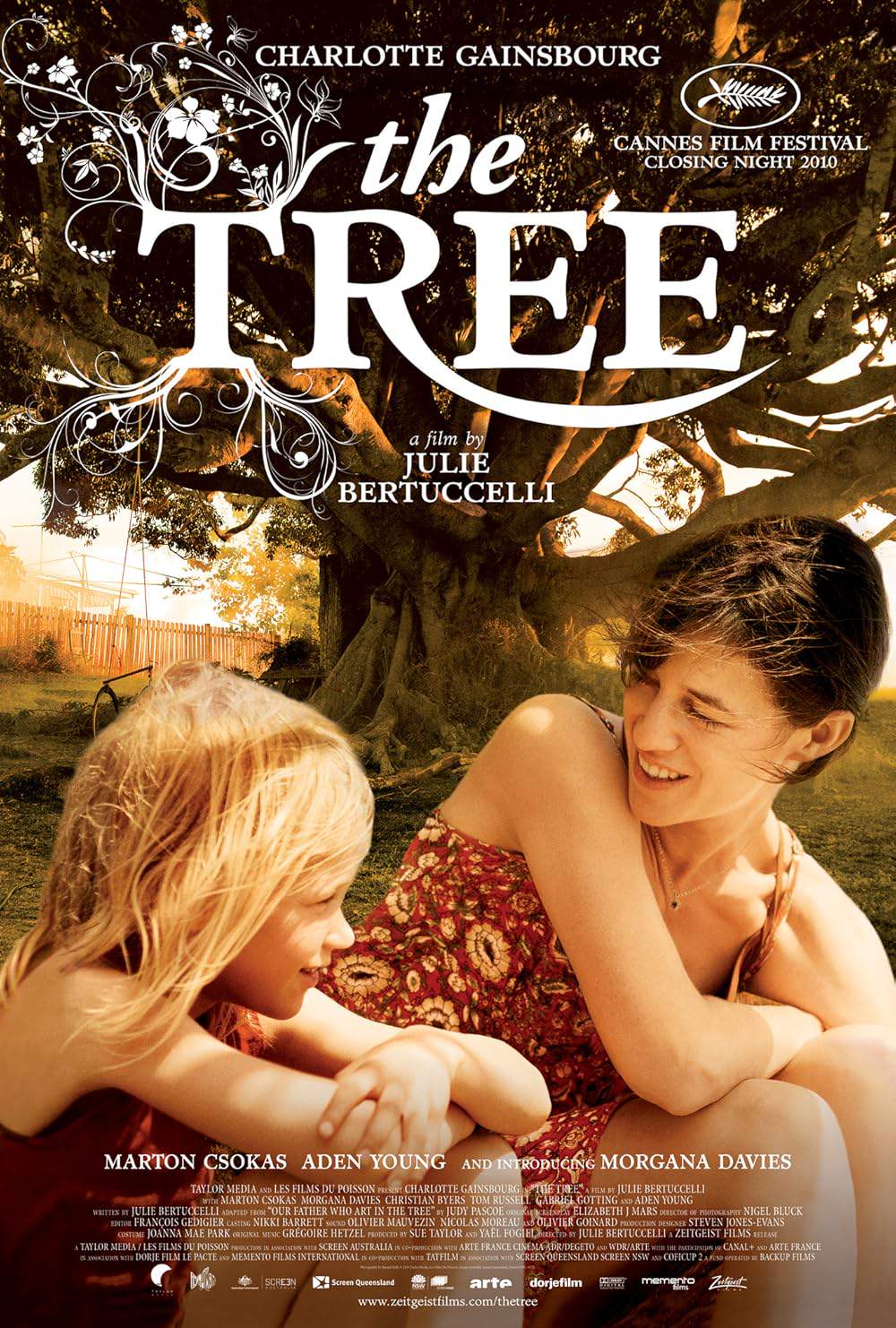
The Tree (2011) movie poster

Plot Summary

The Tree (2011) Plot Summary Explained

Release, runtime and language
2011 · 100 min · Bosnian
Directed by
Julie Bertucelli

Following the death of her father, Dawn struggles with grief while raising her 8-year-old daughter, Simone. They find solace and a special connection with a unique tree in their yard. As Simone's mother begins a new relationship with George, the family dynamic shifts, threatening their peaceful existence. The tree’s growing presence reflects their emotional turmoil, forcing them to face difficult choices and consider the true meaning of love and sacrifice within their evolving family.

On this page (6)
  1. 1 Where to watch
  2. 2 What happens: full plot
  3. 3 Plot questions answered
  4. 4 Movie threads
  5. 5 Movies like The Tree
  6. 6 Every angle

Where to watch

Where to Watch The Tree (2011)

Where can you watch The Tree? Stream, rent or buy it in the US, including on Hoopla and Kanopy: current JustWatch availability with up-to-date prices.

Streaming availability powered by JustWatch

Full plot summary · contains spoilers

What Happens in The Tree: Full Plot Summary

The whole story of The Tree (2011) explained, from the opening scene to the final frame: every key event, every twist and what it all adds up to. Read it as a quick recap before the sequel, to check a scene you missed, or to finally understand what really happened.

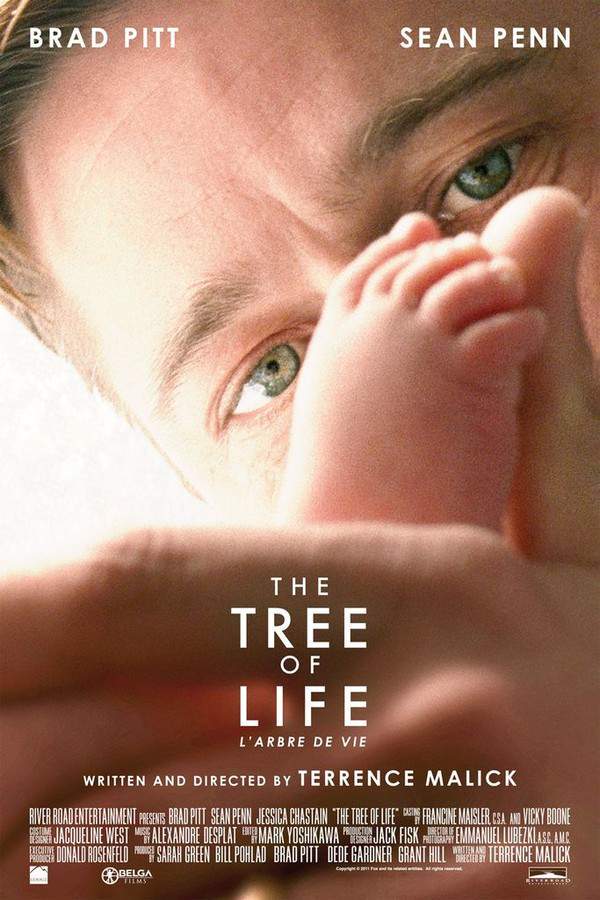
Tree of Life is a beautifully crafted period drama that takes us deep into the lives of three brothers navigating their childhood in the 1950s. The narrative primarily unfolds through the perspective of Jack, the eldest son, played by Hunter McCracken, whose experience serves as a poignant exploration of loss and the dissolution of innocence. As we follow the lives of Jack and his siblings, we are introduced to their parents, the nurturing mother portrayed by Jessica Chastain and the stern father, Brad Pitt. Their conflicting ideologies shape Jack’s understanding of the world around him.

This compelling tale does not simply serve as a coming-of-age story; it evolves into a metaphysical meditation that weaves lyrical poetry throughout the narrative. Jack's journey, as depicted in the film, is marked by a struggle between the protective love of his mother and the hard-edged lessons imparted by his father. Each parent embodies a different approach to life: one encourages kindness and compassion, while the other instructs Jack in the often harsh realities of existence.

As Jack transitions from the blissful imagination of childhood to the stark realities of life, he encounters sickness, suffering, and ultimately, death. This pivotal transformation alters his once-enchanted view of the world into a more complex and darker labyrinth. The narrative also features adult Jack, portrayed by Sean Penn, whose reflection on the past reveals the indelible scars left by a troubled upbringing and the profound impact of losing his younger brother. We witness how these memories haunt him in a modern world where he grapples with the search for meaning.

Amidst this profound exploration, the film invites us to view life from a grander perspective—embracing the notion that amidst the chaos and transience of our experiences, there exists an eternal scheme that binds us all. When Jack begins to recognize the miracles embedded in everyday life, he reaches a point of reconciliation with his father, understanding the importance of forgiveness. This pivotal emotional journey ultimately leads Jack to take those crucial first steps on the path to self-discovery and acceptance.

The story culminates in an embrace of hope, revealing the inherent beauty and joy woven into the fabric of existence, particularly within the sanctuary of family. It is within this intimate circle that we often uncover the most profound truths about ourselves and the essence of unselfish love—the life’s most significant lesson that shapes who we are. The journey of Jack and his family transcends time, reminding us that love and connection are the bedrock of our human experience.

Last updated: December 31, 2024 at 18:09

Was this helpful?

Plot questions answered

The Tree Plot Explained: Your Questions Answered

The questions people ask most about The Tree (2011): what happens in the confusing scenes, why the characters do what they do, the twists, hidden details and what the ending means. Each answer contains spoilers.

Q1

Why does Jack struggle with his parents' conflicting philosophies?

Jack experiences tension between his parents' opposing approaches to life. His mother represents love, mercy, and compassion, while his father advocates for a harsh, self-serving worldview. This dichotomy forces Jack to navigate two contradictory sets of values, creating internal conflict as he tries to understand which philosophy to embrace. The clash between these influences shapes his entire psychological development and fuels his rebellious behavior.

Foreshadowing: The parents' conflicting ideologies are established early, setting the stage for Jack's later identity crisis.

  • Jack
  • parents
  • conflict
  • philosophy
  • childhood
Q2

How does the death of Jack's younger brother impact him?

The death of Jack's younger brother leaves a profound psychological scar that haunts him into adulthood. This traumatic loss transforms Jack's previously enchanted view of the world into a darker, more complicated perspective. The grief becomes a central wound that shapes his entire adult life, affecting his ability to find meaning and peace. His memories of this tragedy continue to haunt him in the modern world, creating a barrier between his past and present.

Foreshadowing: The film establishes the importance of brotherhood early, making the loss feel inevitable yet devastating.

  • brother
  • death
  • grief
  • trauma
  • loss
Q3

Why does Jack's perception of the world change from innocent to dark?

Jack's transition from childhood wonder to a darker worldview occurs when he confronts harsh realities including sickness, suffering, and death. As he grows older, the protective bubble of childhood innocence bursts, revealing the difficult truths of existence. This pivotal transformation alters his once-enchanted view permanently, creating a more complex and nuanced understanding of life that includes both beauty and pain.

Foreshadowing: Early scenes show Jack's imaginative, wonder-filled perspective, making the later shift more striking.

  • innocence
  • loss
  • darkness
  • worldview
  • growing up
Q4

What triggers Jack's decision to forgive his father?

Jack's journey toward forgiving his father begins when he starts recognizing the miracles embedded in everyday life. As he matures, Jack gains perspective on his father's struggles and limitations, understanding that his father's harshness stemmed from his own fears and shortcomings. This realization, combined with Jack's exploration of life's greater meaning, allows him to reconcile with his past and accept his father's imperfections.

Foreshadowing: Jack's search for meaning in adulthood creates the emotional space for this reconciliation.

  • forgiveness
  • father
  • reconciliation
  • acceptance
  • healing
Q5

Why does Jack rebel against his father's strict worldview?

Jack rebels against his father's authoritarian approach because the tough, self-serving philosophy conflicts with the love and compassion he receives from his mother. The resentment builds as Jack perceives his father's emphasis on strength over kindness as cruel and damaging. This rebellion becomes a way for Jack to assert his own identity and reject what he sees as his father's failures in parenting.

Foreshadowing: The dichotomy of parenting is established early, with Jack gravitating toward his mother's softer approach.

  • rebellion
  • father
  • anger
  • identity
  • values
Q6

How does adult Jack process his childhood trauma?

Adult Jack, portrayed by Sean Penn, navigates a modern world while haunted by memories of his troubled upbringing and the loss of his brother. He engages in deep reflection about his past, trying to reconcile painful memories with his present reality. This introspection reveals the indelible scars left by his childhood, as he struggles to find meaning and peace in his adult life.

Foreshadowing: The narrative's structure deliberately shifts between childhood and adulthood, emphasizing the lasting impact of early experiences.

  • adulthood
  • trauma
  • memory
  • reflection
  • healing
Q7

What is the eternal scheme the film references?

The eternal scheme represents the film's metaphysical exploration of life's interconnectedness and the cycles that bind all existence. Jack comes to understand that despite life's chaos and transience, there exists a larger pattern or purpose that connects all beings. This philosophical concept allows Jack to find meaning beyond his personal suffering, suggesting that individual lives are part of something greater and more meaningful.

Foreshadowing: The film plants seeds of existential questioning early, building toward this metaphysical revelation.

  • meaning
  • universe
  • connection
  • philosophy
  • eternity
Q8

Why does Jack start recognizing miracles in ordinary moments?

Jack begins noticing miracles in everyday life as he matures and gains perspective on his existence. This shift represents a crucial step in his spiritual and emotional development, moving from the cynicism of his troubled youth toward appreciation and gratitude. By recognizing these small wonders, Jack achieves a form of reconciliation with his past and finds a path toward healing.

Foreshadowing: This transformation is foreshadowed by Jack's earlier struggles, making his eventual acceptance feel earned.

  • miracles
  • gratitude
  • awareness
  • transformation
  • beauty
Q9

How does Jack's relationship with his mother influence his development?

Jack's mother represents unconditional love and mercy, providing the emotional foundation Jack desperately needs amid his father's harsh teachings. Her nurturing presence offers Jack a counterbalance to his father's tough worldview, teaching him about kindness and compassion. This maternal influence becomes a crucial anchor that Jack carries into adulthood, ultimately helping him find his way toward forgiveness and healing.

Foreshadowing: The mother's nurturing nature is established in the earliest scenes, making her influence felt throughout Jack's journey.

  • mother
  • love
  • compassion
  • nurturing
  • influence
Q10

What allows Jack to find peace by the film's conclusion?

Jack finds peace through a combination of forgiving his father, accepting the dual nature of joy and pain in life, and embracing the beauty of everyday moments. His journey through grief and self-discovery leads him to understand that love and connection, particularly within family, represent life's most significant lessons. This acceptance transforms his haunted perspective into one of hope and reconciliation.

Foreshadowing: The entire narrative builds toward this emotional resolution, with each struggle serving as a step toward peace.

  • peace
  • acceptance
  • reconciliation
  • hope
  • closure
Q11

Why is Jack's relationship with his siblings significant to the story?

Jack's relationships with his brothers, particularly his younger brother, add depth to his understanding of love, loss, and connection. These sibling bonds represent the purest form of relationship in Jack's childhood, untainted by adult complexities. The death of his younger brother becomes the pivotal tragedy that shapes Jack's entire emotional trajectory, affecting how he relates to others throughout his life.

Foreshadowing: Brotherhood dynamics are introduced immediately, establishing their importance to Jack's emotional world.

  • brothers
  • sibling
  • family
  • bond
  • connection

Movie threads

More Movies Like The Tree, by Mood & Story

Curated lists built around what makes The Tree tick: the same mood, the same kind of story or the same emotional payoff. Each list explains why these movies belong together.

Movies with poetic grief journeys like The Tree

Slow-paced films where profound loss is explored through lyrical and metaphysical storytelling. If you were moved by the lyrical and melancholic exploration of loss in The Tree, this list features similar movies. These stories use a poetic, often nonlinear structure to meditate on grief, memory, and the slow, painful path towards healing, creating a deeply introspective viewing experience.

  • melancholic
  • reflective
  • somber
  • poetic
  • dreamlike
  • introspective
  • Tone: melancholic, reflective, somber
  • Pacing: slow, deliberate, meditative
Why these movies?

The story pattern: Narratives in this thread often unfold in a non-linear or reflective manner, circling around a central traumatic event. The focus is on the internal journey of a character grappling with memory and absence, rather than external action. The resolution is typically bittersweet, emphasizing a form of acceptance or understanding that is deeply intertwined with the enduring pain of loss.

Why they belong together: These films are grouped by their shared commitment to a slow, melancholic tone and a poetic visual style. They prioritize emotional and metaphysical exploration over conventional plot, creating a specific, somber, and reflective mood that resonates with viewers seeking a contemplative experience about life's most difficult transitions.
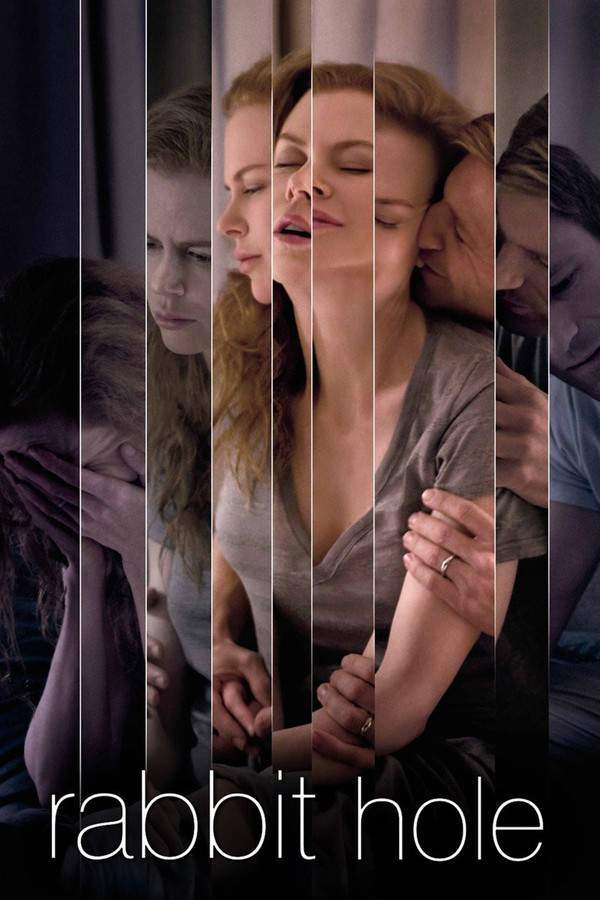
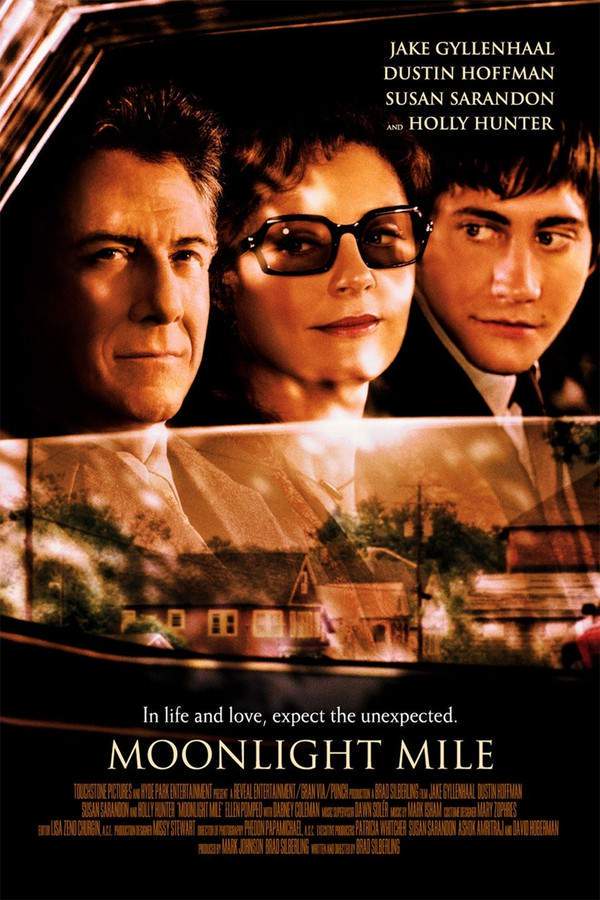
Movies about fractured childhood like in The Tree

Stories seen through a child's eyes as adult conflicts shatter their world. For viewers who appreciated the focus on a child's emotional world in The Tree, this collection highlights similar films. These stories explore how adult tragedies and family dynamics are filtered through a young protagonist's eyes, creating a poignant and often heartbreaking look at the loss of innocence and the search for stability.

  • childhood
  • nostalgic
  • somber
  • innocence lost
  • family drama
  • introspective
  • Tone: melancholic, nostalgic, somber
  • Pacing: slow, character-driven
Why these movies?

The story pattern: The narrative pattern follows a young protagonist whose relatively stable world is disrupted by a family crisis—often a death, separation, or deep-seated conflict. The story charts their attempt to understand and cope, sometimes through imagination or a connection to a symbolic object or place. The journey is emotionally heavy, culminating in a forced maturity and a changed understanding of their family.

Why they belong together: These films share a specific focus on the emotional lens of childhood, a heavy emotional weight derived from family trauma, and a tone that balances melancholy with a sense of poetic observation. The slow pacing allows for deep immersion into the child's internal experience, making the emotional impact profoundly resonant.

If you liked this

Movies Like The Tree

Similar movies to The Tree: the same genre, themes or kind of story. Each one comes with its own plot summary, timeline and ending explained.

Browse all movie summaries

Every angle

The Tree (2011) Explained: Plot, Timeline & Characters

Everything about The Tree in one place: what happens in the plot summary, the timeline in chronological order, the characters and meaning and a spoiler-free summary. What's After the Movie adds the cast, box office and post-credit scenes.

Coming soon on iOS and Android

The Plot Explained Movie Summary App

Plot summaries, endings explained and timelines on your phone. Catch up on any movie in minutes, save your favorites and never miss a twist again.

Be the first to know when we launch. Your email stays private, always.

Learn more about the app