Year: 1943
Runtime: 84 mins
Language: Italian
Director: Vittorio De Sica
A striking drama of childhood, De Sica’s first partnership with screenwriter Cesare Zavattini examines how adult foolishness devastates an innocent child. Through subtle storytelling and naturalistic performances, the film shows the emotional toll on child and parents as their world unravels, delivering a vivid portrait of a family’s disintegration.
Warning: spoilers below!
Haven’t seen The Children Are Watching Us yet? This summary contains major spoilers. Bookmark the page, watch the movie, and come back for the full breakdown. If you're ready, scroll on and relive the story!
Read the complete plot breakdown of The Children Are Watching Us (1943), including all key story events, major twists, and the ending explained in detail. Discover what really happened—and what it all means.
Pricò is a curious, observant young boy growing up in a comfortable middle-class Italian home. His mother, Nina, takes him to a sunlit park where he adores a puppet show and the simple rhythm of everyday life, all while catching sight of a handsome man named Roberto who seems to be courting her. In Pricò’s eyes, the adult world feels both bright and fragile, a place where love and loyalty can blur at the edges and leave a boy trying to make sense of it all.
That night, after tucking him into bed, Nina runs off with the stranger, leaving Pricò’s father, Andrea, to confront the shock of a family pulled apart. The house, once full of routine and warmth, suddenly hums with rumors and unease as neighbors whisper about Nina’s disappearance. Pricò senses the tremor in his father’s voice and in the quiet that follows, a shadow over the meals and the small rituals that once marked their days. The truth, as it circles the block, seems to be that Nina has chosen a new path, and the man she’s chosen to be with becomes a kind of specter in Pricò’s life, always just out of reach.
To distance herself from Roberto, Nina and Andrea embark on a vacation with Pricò to a nearby seaside hotel. The days drift by with the promise of a fresh start and a chance to rebuild the family’s smaller, steadier world. The vacation feels almost serene at first, with the sea’s constancy offering a counterweight to the earlier turmoil. Yet the tension beneath the surface remains, a quiet undertow that threatens to pull them back into the old patterns. When Andrea must return to work, he agrees that Nina can stay with Pricò for a few extra days, a gesture meant to preserve the fragile balance they’re trying to maintain.
But the past does not stay buried. Roberto reappears, showing up unannounced at a hotel dance, and Nina is drawn toward him once again. She resists at first, then yields, and Pricò’s heart sinks as he watches his mother’s faith unravel in real time. The boy’s sense of security is jolted, and he runs away in distress, only to be dragged back by authorities and family members who fear the consequences of a broken promise. The scene crystallizes a truth Pricò cannot ignore: the adults around him are caught in a tangle of love, desire, and abandonment that he cannot fix.
Back in their hometown, Nina asks Pricò to go upstairs and promises she will join him after finishing a quick errand. When Pricò finally reaches the stairs, he and his father confront the heartbreaking reality of Nina’s absence once more. The ache is not simply about a missing spouse; it’s about a dismantled family mythology and the weight of choices made in the quiet hours of the night. Andrea, overwhelmed by despair, cannot bear the burden of his own life and takes his own life, leaving Pricò to face the consequences of a parent’s death, a ward’s isolation, and a home that feels suddenly hollow.
The boy is sent to a boarding school, a stark change that mirrors the starkness of the adult world he is already learning to navigate. When word arrives of his father’s death, Pricò’s world feels both larger and more fragile than ever. He is surrounded by the care of Nina and her loyal maid, yet he experiences a pivotal moment of clarity: though he is young, he can see the complexity of his mother’s choices and the pain that drives them. He resists seeking comfort from the mother who has caused him so much confusion, instead turning toward the steady presence of the maid who has stood by the family through so much.
In the end, Pricò walks away with a measured, almost austere dignity, choosing his own path rather than the incomplete reconciliation of a family fractured by longing and misunderstanding. The film closes on a quiet note of resilience: a child’s resolve to face a world where love is not always easy, and where the most painful chapters can be endured with the help of those who stand by you, even if they cannot heal the hurt outright.
Last Updated: October 09, 2025 at 14:12
Discover curated groups of movies connected by mood, themes, and story style. Browse collections built around emotion, atmosphere, and narrative focus to easily find films that match what you feel like watching right now.
Stories seen through a child's eyes as their world crumbles due to adult choices.Explore movies like The Children Are Watching Us that depict the emotional fallout of adult actions on children. If you were moved by this portrait of a family's disintegration seen through a child's eyes, you'll find similar, somber stories of lost innocence and the lasting scars of parental failure.
These narratives typically follow a linear, downward trajectory where a stable family unit is gradually destroyed by an adult's selfishness or weakness, often infidelity or abandonment. The child protagonist serves as an emotional barometer, their increasing confusion and pain marking the story's progression towards a bleak or tragic conclusion that leaves them isolated.
Movies are grouped here for their shared focus on the theme of childhood trauma inflicted by parental figures. They share a melancholic tone, a slow, deliberate pacing that emphasizes the weight of emotional moments, and a heavy emotional weight centered on grief, loss, and the fragility of a child's psyche.
Quiet, naturalistic stories where families unravel under the weight of quiet tension.Find movies similar to The Children Are Watching Us that explore the quiet, slow-motion collapse of a family. If you appreciated the film's naturalistic portrayal of a relationship's demise and its heavy emotional impact, these recommendations capture the same somber, anxious mood and deliberate pacing.
The narrative pattern is one of steady, inevitable decline. A central conflict, like infidelity or emotional neglect, is introduced and slowly poisons all relationships within the family. The story focuses on the emotional toll on each member, building a palpable sense of isolation and grief without resorting to explosive confrontations, often culminating in a definitive, sad ending like abandonment or suicide.
These films are connected by their shared melancholic and somber mood, their slow pacing which is essential for building a sense of inevitable tragedy, and their straightforward narrative focus on the theme of a family falling apart. The experience is characterized by a medium but persistent intensity and a heavy emotional weight.
Don't stop at just watching — explore The Children Are Watching Us in full detail. From the complete plot summary and scene-by-scene timeline to character breakdowns, thematic analysis, and a deep dive into the ending — every page helps you truly understand what The Children Are Watching Us is all about. Plus, discover what's next after the movie.
Track the full timeline of The Children Are Watching Us with every major event arranged chronologically. Perfect for decoding non-linear storytelling, flashbacks, or parallel narratives with a clear scene-by-scene breakdown.
Discover the characters, locations, and core themes that shape The Children Are Watching Us. Get insights into symbolic elements, setting significance, and deeper narrative meaning — ideal for thematic analysis and movie breakdowns.
Get a quick, spoiler-free overview of The Children Are Watching Us that covers the main plot points and key details without revealing any major twists or spoilers. Perfect for those who want to know what to expect before diving in.
Visit What's After the Movie to explore more about The Children Are Watching Us: box office results, cast and crew info, production details, post-credit scenes, and external links — all in one place for movie fans and researchers.
Discover movies like The Children Are Watching Us that share similar genres, themes, and storytelling elements. Whether you’re drawn to the atmosphere, character arcs, or plot structure, these curated recommendations will help you explore more films you’ll love.
The Children Are Watching Us (1943) Scene-by-Scene Movie Timeline
The Children Are Watching Us (1943) Movie Characters, Themes & Settings
The Children Are Watching Us (1943) Spoiler-Free Summary & Key Flow
Movies Like The Children Are Watching Us – Similar Titles You’ll Enjoy
Men, Women & Children (2014) Complete Plot Breakdown
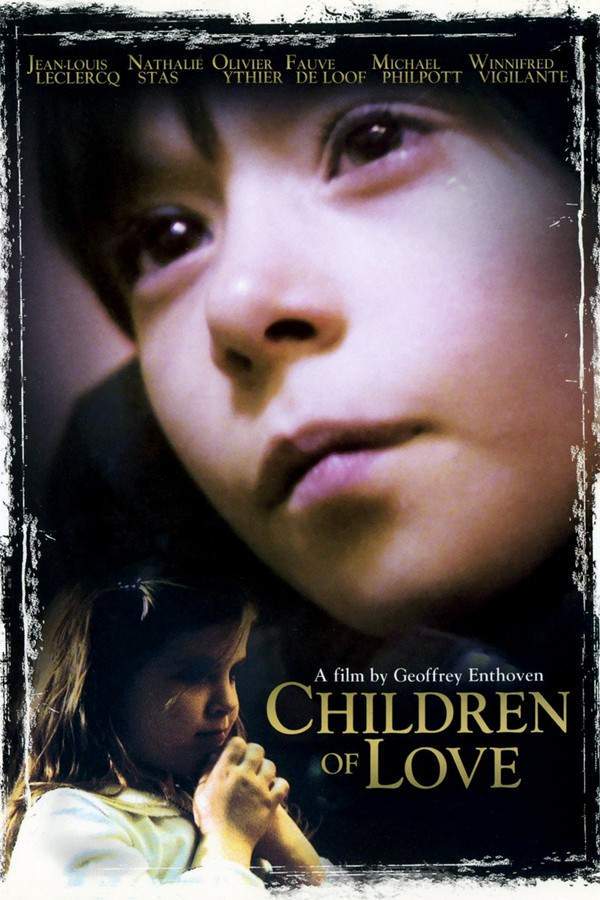
Children of Love (2003) Film Overview & Timeline
The Child (2005) Film Overview & Timeline
All the Invisible Children (2005) Full Movie Breakdown
Children of Nature (1991) Detailed Story Recap
The Children (1985) Movie Recap & Themes
The Child Woman (1980) Complete Plot Breakdown
The Children Thief (1991) Full Summary & Key Details
Children of the Age (1915) Film Overview & Timeline
The Hidden Child (2021) Story Summary & Characters
Attention, the Kids Are Watching (1978) Story Summary & Characters
Mother, Father, Child (1978) Full Summary & Key Details
The Stolen Children (1992) Film Overview & Timeline
The Children Accuse (1956) Plot Summary & Ending Explained
Nobody’s Children (1951) Ending Explained & Film Insights