Plot Explained Spoilers guaranteed!
Plot Explained

Browse by genre

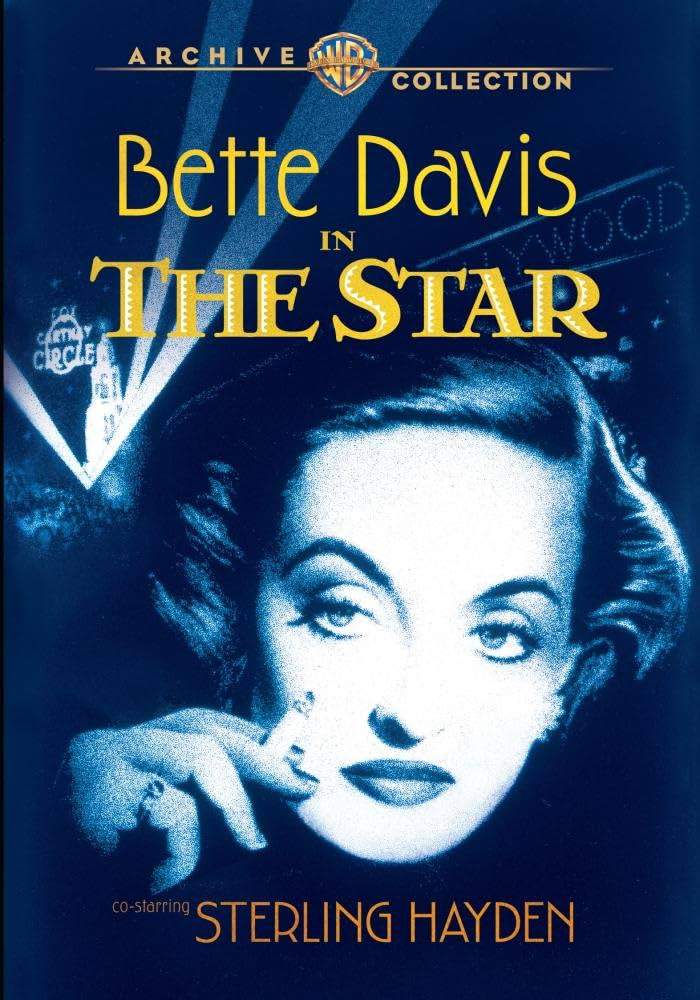
The Star (1952) movie poster

Characters & Themes

The Star (1952) Characters, Setting & Themes Explained

Release, runtime and language
1952 · 89 min · English
Loading streaming availability…
Directed by
Stuart Heisler
Starring
Bette Davis, Sterling Hayden, Natalie Wood, Paul Frees, Warner Anderson, Robert Warwick

A former starlet grapples with life after fading from the spotlight. While a new relationship offers comfort and a chance at happiness, she still longs for the excitement and recognition of her earlier career. Torn between her present and her past, she must confront her ambitions and discover if love can truly eclipse the allure of fame.

On this page (9)
  1. 1 Where to watch
  2. 2 Characters explained (3)
  3. 3 Character relationship map
  4. 4 Where & when it takes place
  5. 5 Themes & meaning (3)
  6. 6 Character & meaning questions
  7. 7 Movie threads
  8. 8 Movies like The Star
  9. 9 Every angle
Loading streaming availability…

3 main characters · contains spoilers

The Star Characters Explained: Who Is Who

The main characters of The Star (1952), heroes and villains: what drives them, how they change over the course of the story and what each of them reveals about the film's bigger ideas.

  • Margaret 'Maggie' Elliot (Bette Davis)

    An Oscar-winning actress who has fallen on hard times and is in denial about her fading career. She alternates between stubborn pride and moments of vulnerability as she tries to relaunch her image. Her arc centers on accepting that fame may be over and choosing to nurture her relationships with her daughter and Jim.

    • 🎭 Pride
    • 💔 Vulnerability
    • 🌟 Star
  • Jim Johannsen (Sterling Hayden)

    A younger former actor now running a boatyard, he remains practical and steady while quietly loving Maggie. He serves as a stabilizing presence and encourages Maggie to face the truth and reconcile with her daughter. His loyalty and patience anchor the narrative.

    • 🧭 Steadiness
    • 💖 Compassion
    • 🛠️ Practicality
  • Gretchen Elliot (Natalie Wood)

    Margaret’s daughter, who cares for her mother but also challenges her. She embodies resilience and pragmatism, helping Maggie confront reality while offering warmth and support. Her presence highlights the tension between family love and career ambitions.

    • 👩‍👧 Family
    • 💡 Insight
    • 🧡 Support

Last updated: October 31, 2026 at 09:17

Was this helpful?

3 characters · 4 connections · contains spoilers

The Star Character Relationship Map

Who is connected to whom in The Star: family, love, friendships, rivalries and hidden ties, colour-coded. Pick a character to see their side of the story, or a connection to see what brings two characters together.

MMMargaret'Maggie' ElliotBette DavisJJJim JohannsenSterling HaydenGEGretchen ElliotNatalie Wood

Last updated: October 31, 2026 at 09:17

Was this helpful?

Setting

Where and When Does The Star Take Place?

The setting of The Star (1952): the year and time period, the places and locations, and how they shape the characters, the mood and the tension of the story.

Time period

1950s

The events unfold in the early 1950s Hollywood milieu, a period of postwar glamour and the waning influence of the studio system. Fame is a volatile currency as stars face aging and shifting audience tastes. The era's pressures push a once-dominant actress toward humility and realism.

Location

Hollywood, Los Angeles, Department Store, Jail, Boatyard

Set primarily in Hollywood, Los Angeles, the story spans glamorous party scenes to everyday settings like a department store and Jim's boatyard. The locations include a Hollywood party, a jail cell after a DUI, and the boatyard by the marina. The city backdrop highlights the contrast between celebrity glamour and the harsher realities of a fading star.

  • 🎬 Hollywood
  • 🌆 City Life
  • ⚖️ Showbiz Pressure
  • ⚓ Boat Life

Last updated: October 31, 2026 at 09:17

Was this helpful?

3 major themes

The Star Meaning: Themes & Message Explained

What is The Star (1952) really about? The emotional, social and philosophical themes the film keeps returning to, its symbolism and the message beneath the surface.

  • Fading Fame

    The film centers on a former star facing the end of her career and the uneasy grip of past glory. It explores how public image can crumble under time and how stubborn attachment to fame complicates personal relationships. The narrative suggests that resilience may require letting go of a glittering but fading identity.

  • Acceptance & Family

    Across the story, Maggie's pride and denial threaten those who care for her. Her relationship with her daughter Gretchen and her partner Jim becomes the emotional axis around which truth and reconciliation turn. The arc moves toward accepting limits and prioritizing genuine connections over public perception.

  • Family & Forgiveness

    Gretchen acts as an anchor, balancing compassion with honesty as she helps her mother face reality. The family dynamic shifts from protective instinct to mutual understanding, culminating in a choice to value love over career prestige. Forgiveness emerges as the path to healing.

Last updated: October 31, 2026 at 09:17

Was this helpful?

Character & theme questions

The Star Characters & Meaning: Your Questions Answered

The questions people ask about The Star (1952): who the characters really are, their relationships, what the symbols mean, where it takes place and what the movie is really about. Each answer contains spoilers.

Q1

Where does the movie take place?

The Star is primarily set in Hollywood, Los Angeles. The story moves between glamorous Hollywood party scenes and more everyday settings like a department store, a jail cell, and Jim's boatyard near the marina. This contrast between celebrity glamour and the harsher realities of everyday life shapes the film's atmosphere.

  • hollywood
  • los angeles
  • setting
  • locations
  • hollywood party
  • boatyard
Q2

What time period is the movie set in?

The Star is set in the early 1950s, during Hollywood's postwar era. This was a period of glamour but also a time when the old studio system was waning and fame became a more volatile currency. Stars faced increasing pressure from aging and shifting audience tastes, creating a tense backdrop for the story.

  • 1950s
  • era
  • time period
  • hollywood
  • postwar
  • studio system
Q3

What are the main themes of the movie?

The Star explores three interconnected themes: fading fame and the difficulty of letting go of a glittering past; acceptance and family, showing how pride and denial can damage relationships; and family forgiveness, depicting how genuine connections can emerge through truth and reconciliation. The film examines whether love can truly eclipse the allure of fame.

  • themes
  • fading fame
  • acceptance
  • family
  • forgiveness
  • celebrity
Q4

Who is Margaret 'Maggie' Elliot?

Margaret 'Maggie' Elliot is a former Oscar-winning actress who has fallen on hard times and struggles with denial about her fading career. She alternates between stubborn pride and moments of vulnerability as she tries to relaunch her image. Her character arc centers on accepting that her fame may be over and choosing to nurture her relationships with her daughter and partner.

  • maggie ellior
  • margaret
  • protagonist
  • actress
  • fame
  • denial
Q5

Who is Jim Johannsen?

Jim Johannsen is a younger former actor who now runs a boatyard by the marina. He serves as a stabilizing, practical presence in Maggie's life while quietly loving her. Jim encourages Maggie to face the truth about her career and reconcile with her daughter, offering steady loyalty and patience throughout her emotional journey.

  • jim johannsen
  • boatyard
  • former actor
  • love interest
  • stability
Q6

Who is Gretchen Elliot?

Gretchen Elliot is Margaret's daughter, portrayed as a resilient and pragmatic young woman who cares for her mother but also challenges her when necessary. She balances compassion with honesty, helping Maggie confront reality while offering warmth and support. Her presence highlights the central tension between family love and career ambitions.

  • gretchen ellior
  • daughter
  • family
  • support
  • honesty
Q7

Why is the ending considered bittersweet?

The Star ends on a bittersweet note because Maggie achieves personal acceptance and embraces genuine love, but only by surrendering her lifelong dream of returning to the spotlight. The victory of choosing authentic relationships over public recognition comes at the cost of her deepest ambition, creating a poignant blend of loss and gain.

  • ending
  • bittersweet
  • acceptance
  • love
  • sacrifice
  • resolution
Q8

What does the film say about fading fame?

The film explores how public image can crumble under the weight of time and how stubborn attachment to fame complicates personal relationships. It suggests that resilience may require letting go of a glittering but fading identity, portraying the painful reality of celebrities who cannot accept their relevance has passed.

  • fame
  • celebrity
  • public image
  • aging
  • identity
  • hollywood
Q9

How does the Hollywood setting reflect the story's themes?

The Hollywood backdrop highlights the contrast between celebrity glamour and the harsher realities facing a fading star. The city's dual nature, glamorous parties versus mundane locations like boatyards and jail cells, mirrors Maggie's internal conflict between her past glory and her present struggles, reinforcing the film's exploration of fame's fragility.

  • hollywood setting
  • contrast
  • glamour
  • reality
  • showbiz pressure

Movie threads

More Movies Like The Star, by Mood & Story

Curated lists built around what makes The Star tick: the same mood, the same kind of story or the same emotional payoff. Each list explains why these movies belong together.

Movies about fading glory like The Star

Character studies about accepting the end of a celebrated past. If you liked the bittersweet reflections on fame in The Star, explore these other movies about characters grappling with faded glory. This collection features sobering dramas and melancholic character studies focused on acceptance, midlife crises, and the transition away from a celebrated past.

  • melancholic
  • nostalgic
  • sobering
  • reflective
  • longing
  • resigned
  • Tone: melancholic, bittersweet, reflective
  • Pacing: steady, character-driven
Why these movies?

The story pattern: Narratives in this thread typically follow a linear, character-driven arc from denial to acceptance. The protagonist, often once celebrated, faces a series of humbling realities that chisel away at their self-delusion. The central conflict is internal, pitting lingering ambition against the need for personal peace, culminating in a resolution that values genuine connection over external validation.

Why they belong together: These movies are grouped by their shared exploration of a specific emotional crisis: the painful but necessary process of moving beyond one's prime. They share a melancholic tone, a steady, reflective pacing, and a focus on the bittersweet victory found in accepting a quieter, more real life.


Sobering Hollywood dramas like The Star

Stories that peel back the glamour to reveal the industry's personal cost. For viewers who appreciated The Star's realistic look at the film industry, this list features other melancholic movies about Hollywood's dark side. Discover similar stories of ambition, disillusionment, and the personal cost of life in the spotlight, all with a reflective and sobering tone.

  • sobering
  • melancholic
  • critical
  • disillusioned
  • reflective
  • showbiz
  • Tone: melancholic, sobering, critical
  • Pacing: steady, deliberate
Why these movies?

The story pattern: The narrative pattern involves a protagonist whose identity is deeply intertwined with their professional success in a glamorous industry. The story dismantles the illusion of that world, exposing its harshness and superficiality. The journey is one of disillusionment, forcing the character to confront the difference between their public persona and their private reality, often leading to a crisis of self.

Why they belong together: These films are connected by their shared setting and thematic critique. They use the backdrop of the entertainment industry to explore universal themes of identity, vanity, and the price of ambition. The grouping ensures a consistent mood of melancholy and a world where glitter masks a more sobering truth.

If you liked this

Movies Like The Star

Similar movies to The Star: the same genre, themes or kind of story. Each one comes with its own plot summary, timeline and ending explained.

Browse all movie summaries

Every angle

The Star (1952) Explained: Plot, Timeline & Characters

Everything about The Star in one place: what happens in the plot summary, the timeline in chronological order, the characters and meaning and a spoiler-free summary. What's After the Movie adds the cast, box office and post-credit scenes.

Coming soon on iOS and Android

The Plot Explained Movie Summary App

Plot summaries, endings explained and timelines on your phone. Catch up on any movie in minutes, save your favorites and never miss a twist again.

Be the first to know when we launch. Your email stays private, always.

Learn more about the app