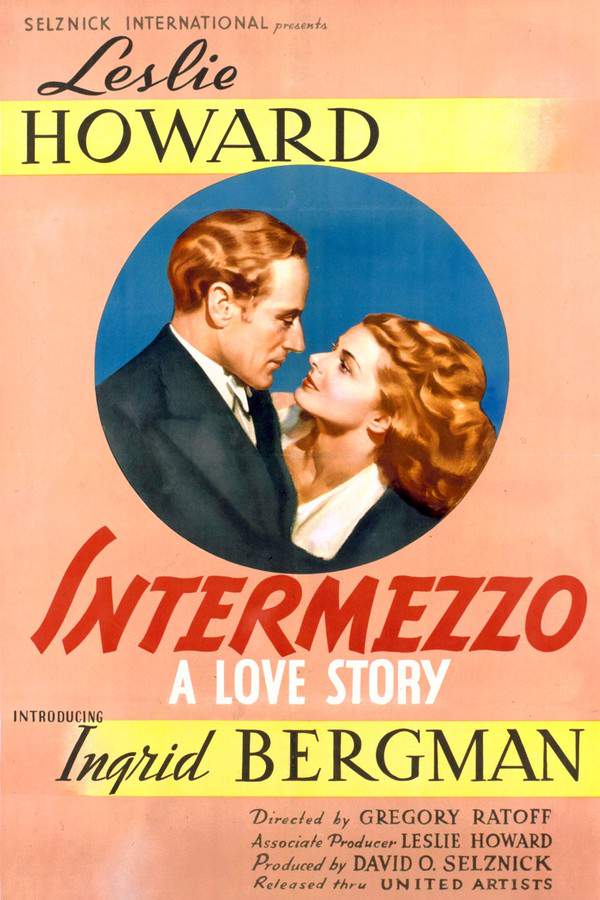
In Munich, Helen Banning leaves America to take a position with a cultural agency, stepping into a refined world where art, music, and personal boundaries intersect. She is cautious about romance, telling anyone who asks that she isn’t eager to start a new relationship right away, even as she becomes drawn into the orbit of the city’s artistic life.
Her new boss, Prue Stubbins, introduces her to a renowned conductor, Tonio Fischer, whose magnetic presence hints at both talent and trouble. When Tonio abruptly leaves a concert hall, Helen follows him to the secluded estate of a countess, Irena Reinhart, where she discovers that Tonio is playing piano for a woman who turns out to be his wife, Reni Fischer. The scene lays bare a marriage strained by illness and distance, and Tonio’s distress over Reni’s mental illness makes the situation all the more delicate and fraught.
Tonio’s allure certainly doesn’t help Helen’s resolve. He is a gifted artist whose personal life is tangled in pain and obligation, and his attraction to Helen pulls him toward a risky day trip to Salzburg, Austria. What begins as a chance encounter quickly becomes a private, intimate interlude, a glimpse into a connection that could derail both of their lives. Yet Helen’s sense of integrity resurfaces quickly, and she is furious when she realizes that Tonio is a married man, recognizing the moral hazard of pursuing something that could devastate another family.
Meanwhile, Dr. Morley Dwyer arrives in Helen’s orbit as a practical, steadying influence. Dr. Morley Dwyer sees Helen with compassion and seriousness, and although he is aware of her complicated emotional situation, he makes a bold proposition of his own—marriage—placing Helen at a crossroads between desire and duty. The tension intensifies as the story weighs the costs of infidelity against the possibility of a new life built on honesty and commitment.
The nimble dance of loyalties continues as the countess herself— Comtesse Reinhart—urges Helen to listen to her heart and seek happiness, even if that path leads away from Tonio. The emotional pull between art, marriage, and personal happiness becomes a central question: should Helen pursue a romance that could fracture a family, or do the responsible thing and step back from a dangerous liaison?
Back at the estate, the crisis deepens when Reni arrives at a concert to plead with Helen not to take her husband away. Reni’s desperate plea reinforces the stakes of Helen’s choices, and the moment brings the fragile state of their lives into sharp relief. In a powerful turn, Reni attempts suicide and is rescued by Helen from a lake—a moment that tests Helen’s resolve and exposes the depths of pain within Tonio’s world and Reni’s vulnerability.
Ultimately, Helen makes a decisive choice. She ends her involvement with Tonio, faces the consequences of the past few days, and resolves to return home. The film layers themes of passion, guilt, and responsibility, painting a portrait of a woman who searches for personal happiness without trampling others’ lives. Through Helen’s journey, the story examines how love can be both a source of beauty and a burden, and how courage sometimes means choosing a difficult, honest path over an easy, compromising one.