Year: 1997
Runtime: 95 mins
Language: English
Instead of the usual law‑enforcement viewpoint, the film reconstructs the infamous Manson Family murders through simulated Super 8 home‑movie footage, presenting the events from the cult’s perspective. The dramatization offers a stark, unsettling look at the crimes as if captured by the family themselves.
Get a spoiler-free look at The Manson Family (1997) with a clear plot overview that covers the setting, main characters, and story premise—without revealing key twists or the ending. Perfect for deciding if this film is your next watch.
In the midst of a modern true‑crime boom, Jack Wilson embarks on a daring documentary series that asks viewers to look at one of America’s most infamous cults through a lens that has never been shown before. Rather than relying on police reports or courtroom dramatics, the film rebuilds the story using simulated Super 8 home‑movie footage, giving the audience the unsettling sensation of watching events unfold from the inside of the group’s own camera. The choice of grainy, handheld visuals creates a stark, almost voyeuristic atmosphere that feels both intimate and disquieting, setting a tone that is as much about the act of remembering as it is about the memories themselves.
The narrative roots itself in the isolated world of Spahn Ranch, a former movie set turned communal haven during the late 1960s. Here, a collection of young people drifts between psychedelic highs, endless jams, and a shared yearning for artistic purpose. At the heart of the commune is a charismatic leader—a folk‑song‑writing figure whose magnetic presence draws the members into a tightly woven, yet fragile, family. Their days are a hazy blend of drug‑induced experimentation and earnest attempts at creating a new kind of society, all captured in the lo‑fi aesthetic that the documentary adopts.
Among the core participants, Tex Watson emerges as a magnetic, if conflicted, presence, while Susan Atkins and Patricia Krenwinkel embody different facets of devotion and defiance within the group’s hierarchy. Their interactions reveal a complex web of loyalty, control, and yearning for belonging, hinted at through hushed conversations and fleeting glances that feel more like fragments of a private scrapbook than a scripted drama. The film allows these relationships to pulse beneath the surface, suggesting that the true terror may lie in the quiet surrender to a shared vision.
Layered atop the reconstructed footage are contemporary interviews with former members, whose testimonies echo through the grainy reels, adding a reflective, almost haunting chorus to the visual tableau. This blend of archival style and present‑day commentary turns the documentary into a meditation on fame, influence, and the lingering resonance of a dark chapter in cultural memory, leaving the audience to grapple with the uneasy feeling that some stories never truly end.
Last Updated: October 27, 2025 at 16:36
Discover curated groups of movies connected by mood, themes, and story style. Browse collections built around emotion, atmosphere, and narrative focus to easily find films that match what you feel like watching right now.
Docudramas that immerse you in the unsettling perspective of the perpetrators.Fans of The Manson Family who appreciate its immersive, first-person approach will find similar movies here. This list features dramatizations of true crime stories that actively avoid a traditional objective lens, instead pulling you into the unsettling world of the perpetrators through documentary framing and subjective storytelling.
Narratives in this thread often use a framing device—such as a documentary interview, recovered home movies, or a character's testimony—to present a distorted, insider's view of criminal events. The journey is less about solving the crime and more about understanding, and often being disturbed by, the mindset and environment that made it possible.
These movies share a specific storytelling technique that prioritizes psychological immersion over procedural clarity. They are grouped together for their shared goal of making the viewer feel uncomfortably close to the crime, exploring the banality of evil and the mechanics of manipulation.
Stories of insular groups where charisma and coercion lead to brutal conclusions.If you were fascinated by the chilling portrayal of cult dynamics in The Manson Family, these movies explore similar themes. You'll find stories about charismatic leaders, psychological indoctrination, and the steady, grim decline of isolated groups into horrific acts of violence, all with a heavy emotional weight.
The narrative pattern typically begins with the allure of belonging and purpose, charting the protagonist's indoctrination into an insular community. The middle act explores the tightening control of the leader and the group's increasing separation from society, while the final act spirals into paranoia, coercion, and ultimately, devastating violence with a bleak sense of inevitability.
This thread groups films that meticulously examine the social and psychological mechanics of cults. They share a dark tone, a steady pacing that builds dread, and a heavy emotional focus on the tragedy of manipulation and the human capacity for evil within a group context.
Don't stop at just watching — explore The Manson Family in full detail. From the complete plot summary and scene-by-scene timeline to character breakdowns, thematic analysis, and a deep dive into the ending — every page helps you truly understand what The Manson Family is all about. Plus, discover what's next after the movie.
Read a complete plot summary of The Manson Family, including all key story points, character arcs, and turning points. This in-depth recap is ideal for understanding the narrative structure or reviewing what happened in the movie.
Track the full timeline of The Manson Family with every major event arranged chronologically. Perfect for decoding non-linear storytelling, flashbacks, or parallel narratives with a clear scene-by-scene breakdown.
Discover the characters, locations, and core themes that shape The Manson Family. Get insights into symbolic elements, setting significance, and deeper narrative meaning — ideal for thematic analysis and movie breakdowns.
Visit What's After the Movie to explore more about The Manson Family: box office results, cast and crew info, production details, post-credit scenes, and external links — all in one place for movie fans and researchers.
Discover movies like The Manson Family that share similar genres, themes, and storytelling elements. Whether you’re drawn to the atmosphere, character arcs, or plot structure, these curated recommendations will help you explore more films you’ll love.
The Manson Family (1997) Scene-by-Scene Movie Timeline
The Manson Family (1997) Movie Characters, Themes & Settings
The Manson Family (1997) Spoiler-Free Summary & Key Flow
Movies Like The Manson Family – Similar Titles You’ll Enjoy
The Haunting of Sharon Tate (2019) Plot Summary & Ending Explained
The Resurrection of Charles Manson (2023) Spoiler-Packed Plot Recap
Maniacal (2003) Story Summary & Characters
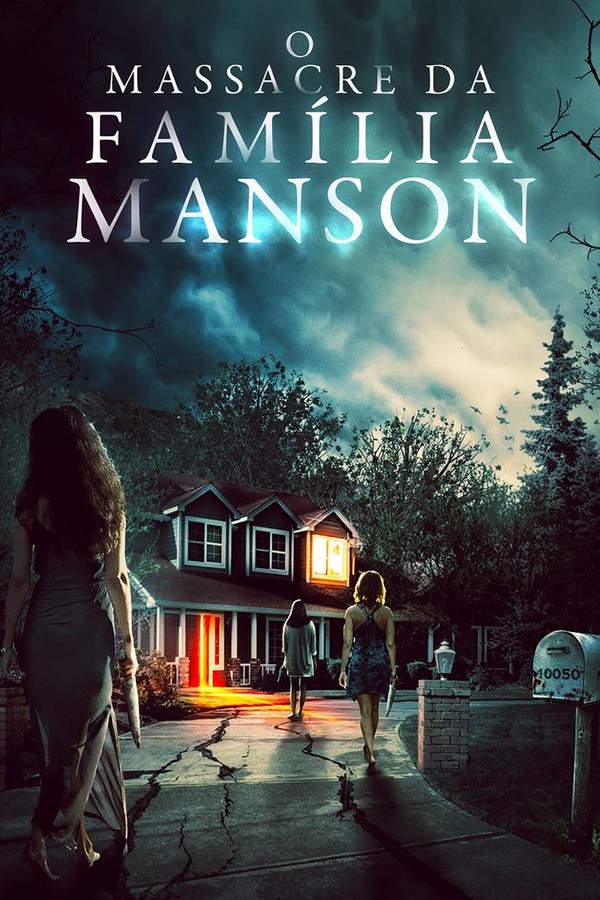
The Manson Family Massacre (2019) Full Movie Breakdown
Live Freaky! Die Freaky! (2006) Movie Recap & Themes
The Hamiltons (2006) Full Movie Breakdown
Gimme Skelter (2007) Full Summary & Key Details
Deadly Manor (1990) Ending Explained & Film Insights
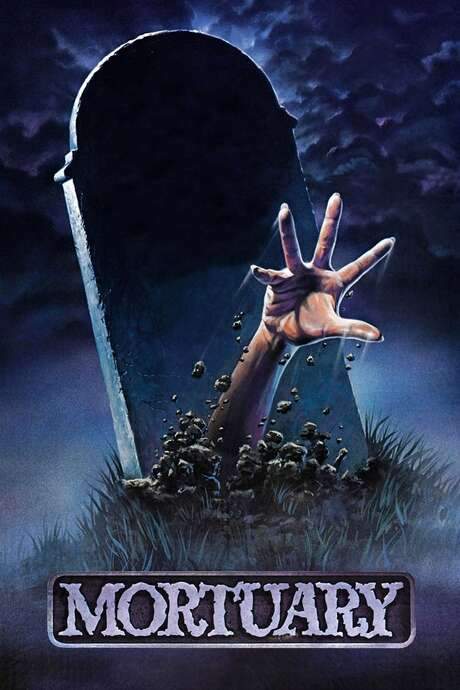
Mortuary (1982) Spoiler-Packed Plot Recap
Murder Obsession (1981) Movie Recap & Themes
A Night to Dismember (1983) Spoiler-Packed Plot Recap
Helter Skelter (1000) Full Summary & Key Details
I Drink Your Blood (1971) Full Movie Breakdown
Manson Family Movies (1979) Plot Summary & Ending Explained
The Manson Massacre (1971) Spoiler-Packed Plot Recap