Plot Explained Spoilers guaranteed!
Plot Explained

Browse by genre

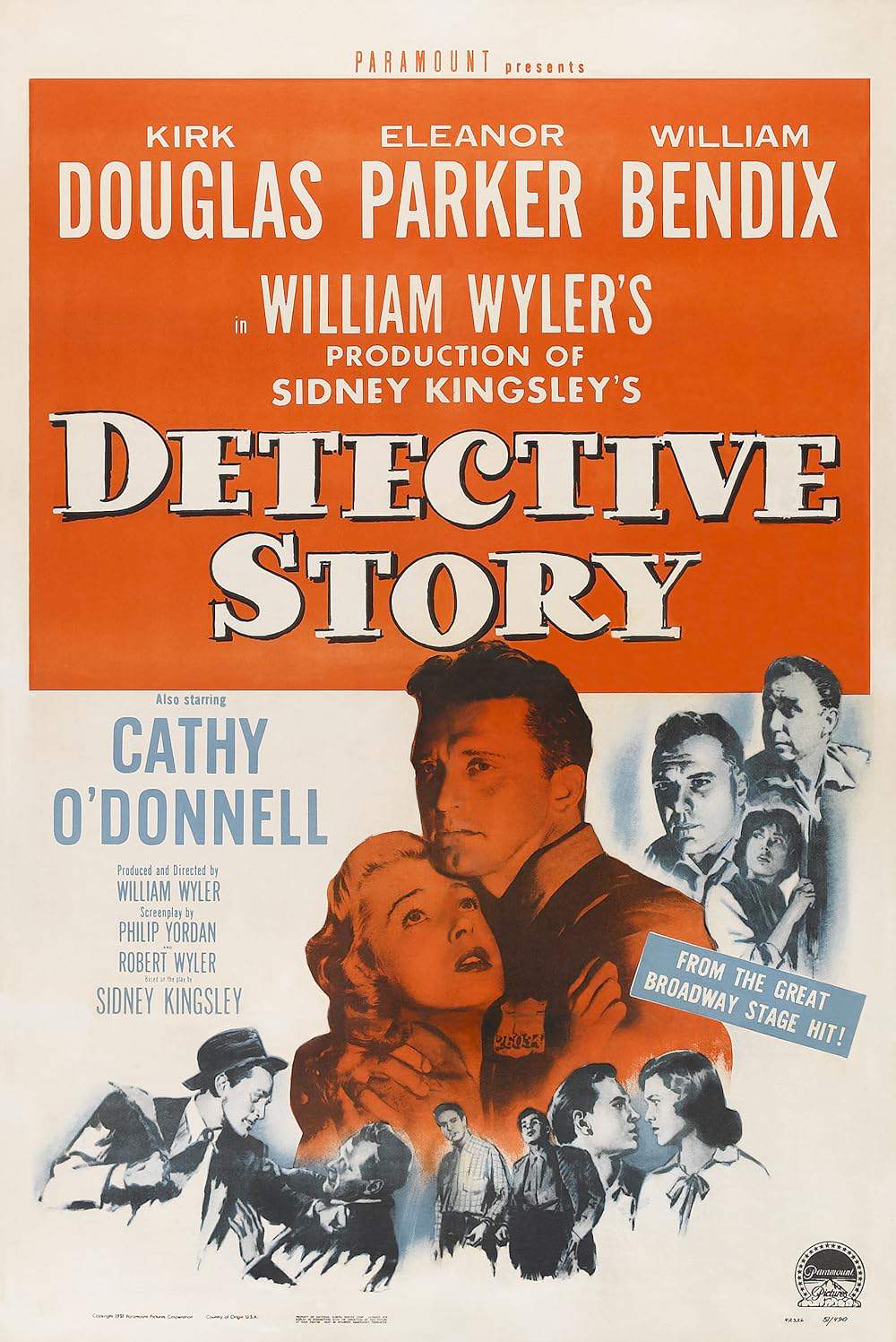
Detective Story (2007) movie poster

Plot Summary

Detective Story (2007) Plot Summary Explained

Release, runtime and language
2007 · 99 mins · Japanese
Directed by
Takashi Miike
Starring
Hiroyuki Watanabe, Claude Maki, Kai Ato, Tomoharu Hasegawa, Toru Kazama, Akiko Kikuchi

A detective and a businessman search for a serial killer who removes people’s organs.

On this page (5)
  1. 1 What happens: full plot
  2. 2 Plot questions answered
  3. 3 Movie threads
  4. 4 Movies like Detective Story
  5. 5 Every angle

Full plot summary · contains spoilers

What Happens in Detective Story: Full Plot Summary

The whole story of Detective Story (2007) explained, from the opening scene to the final frame: every key event, every twist and what it all adds up to. Read it as a quick recap before the sequel, to check a scene you missed, or to finally understand what really happened.

Takashima Raita, known as a brilliant hacker, moves into a low-rent apartment next door to Kazama Raita, a private detective who shares the same given name. One night, a girl named Inoue Manami comes looking for the detective, finds him drunk and unwilling to help, and they agree to meet again in the morning. But on her walk home she is murdered, a chilling start that pulls Kazama Raita into a case that seems to intensify with every new clue.

The following morning, instead of meeting the girl, Kazama is confronted by police detectives who have traced her last known location to his building. Rather than shrink away, he takes it upon himself to lead the investigation, sensing that the truth may lie closer to his doorstep than anyone expected. As he probes, a second victim—Asanuma Ritsuko—is found, and the police stake out his apartment in their hunt for the killer. He dodges their scrutiny while digging into an affair she was involved in with a bartender, only to discover that the police have linked a third victim to the same spree because the bodies all show organs removed from the deceased. The gravity of the murders weighs on Kazama, keeping him under a growing cloud of suspicion while he presses forward.

Seeking new angles, Kazama visits Gamou, a convicted child killer whose skin was burned off by the father of one of his victims, hoping for a clue that could crack the pattern. With Gamou’s reluctant hints in hand, he locates Takashima and persuades him to enlist his hacking talents to aid the investigation, bridging the worlds of crime and cyberspace. The police respond by raiding the building, forcing the two Raitas to flee into the sewers, where danger and desperation mingle in the tunnels beneath the city. A janitor eventually finds Kazama Raita’s famed “Kazama Lighter,” and the two men retreat to safety in the bartender’s apartment, trying to stay one step ahead of those who would pin them for the killings.

From there the trail leads to an elderly artist named Aoyama Yuki, who paints religious imagery and has earned reputations as the “Master of Tragedy” and the “Artist of Madness.” Yet his newer canvases are disturbingly different—paintings made with blood and ground flesh of corpses—hinting at the dark well from which his art now flows. In a local bathhouse, Kazama asks a female friend to help track down the artist, signaling how far he is willing to go to unmask the truth. Back at the bartender’s home, Kazama is assaulted by an unknown attacker, and his fingerprints are later found on the Kazama Lighter by the police, placing him under a fresh cloud of suspicion and turning him into a wanted man.

In a tense confrontation, Kazama appears at Takashima’s workplace. As police arrive, he seizes a moment of danger, pretending to take Takashima hostage with a box cutter to force an escape, turning the tables on the chase and keeping the hunt off balance. The chase then pivots to a quieter, more domestic thread as a friend of Kazama tracks down Aoyama Yuki’s home and speaks with the artist’s daughter, Maho. She reveals that all three victims were fans of the artist, deepening the mystery around why his work and his life have become entangled with their disappearances and deaths.

The investigation widens as it’s revealed that after his wife’s suicide, Yuki moved in with his lover, Seto Masami, who works as a housekeeper. She rings Kazama with crucial details, theorizing that Chie, the artist’s late wife, was driven mad by the affairs surrounding him and killed herself; this family drama begins to illuminate possible motives and patterns behind the murders. In a twist, Yuki had a daughter named Maho with art student Akimura Mizuho, and that daughter now lives in a foster home. The daughter later reveals that Yuki also had a son with Seto Masami named Masakuni, a discovery that further complicates loyalties, lineage, and the artist’s influence over those around him.

With each thread pulling tighter, Kazama starts to piece together a broader, darker mosaic. He accelerates toward the artist’s studio in Izu, pursuing a final confrontation that promises to reveal the truth behind the killings, the family secrets, and the unsettling transformation of art into a doorway for violence. The narrative builds toward a climactic encounter that binds motive, opportunity, and blood in a way that only a city’s underbelly and its most guarded secrets can produce.

Last updated: October 09, 2025 at 14:44

Was this helpful?

Plot questions answered

Detective Story Plot Explained: Your Questions Answered

The questions people ask most about Detective Story (2007): what happens in the confusing scenes, why the characters do what they do, the twists, hidden details and what the ending means. Each answer contains spoilers.

Q1

Why does Inoue Manami come to Kazama Raita for help?

Inoue Manami approaches Kazama Raita late at night seeking his assistance as a private investigator. She finds him drunk and unwilling to help that night, so they agree to meet the following morning. However, she is murdered before they can meet again, which sets the entire investigation into motion and pulls Kazama into the case.

Foreshadowing: The timing of Manami's visit right before her murder suggests she may have already been targeted by the killer.

  • inoue manami
  • private detective
  • investigation
  • murder victim
Q2

What is the connection between the victims and Aoyama Yuki?

All three victims, Inoue Manami, Asanuma Ritsuko, and the third victim, were fans of Aoyama Yuki, the elderly artist known as the Master of Tragedy. Maho, Yuki's daughter, reveals this crucial connection, suggesting the murders are somehow related to the artist's obsessive fanbase.

Foreshadowing: Yuki's shift from religious paintings to works made with blood and ground flesh hints at his descent into something darker.

  • aoyama yuki
  • artist
  • murder victims
  • fans
  • master of tragedy
Q3

Why does Kazama become a suspect in the murders?

Kazama becomes a suspect for several reasons: police trace Manami's last known location to his building, his fingerprints are found on the Kazama Lighter left at a crime scene, and he continuously interferes with the police investigation while pursuing his own leads. The combination of circumstantial evidence and his suspicious behavior places him under heavy scrutiny.

Foreshadowing: The lighter's discovery at a key moment turns the investigation's focus back to Kazama himself.

  • kazamaaita
  • suspect
  • fingerprints
  • lighter
  • police investigation
Q4

How does Takashima help Kazama investigate the killer?

Kazama tracks down Takashima Raita, his neighbor who is a brilliant hacker, and persuades him to use his technical skills to aid the investigation. Takashima's hacking abilities provide digital intelligence and help expand the investigation beyond conventional police work, giving them leads that would otherwise be impossible to obtain.

Foreshadowing: The collaboration between the detective and the hacker bridges traditional investigation with modern technology.

  • takashima
  • raitahacker
  • investigation
  • collaboration
  • digital evidence
Q5

What is the significance of the Kazama Lighter?

The Kazama Lighter is a personal item belonging to detective Kazama Raita. A janitor finds it, and police later discover Kazama's fingerprints on it, which becomes critical evidence linking him to the crimes and deepening suspicion around him. It serves as a plot device that complicates his position both with police and viewers.

Foreshadowing: The lighter's discovery occurs at a pivotal moment when the investigation needs a new direction.

  • kazama lighter
  • fingerprints
  • evidence
  • suspect
  • plot device
Q6

Why does Aoyama Yuki create art from blood and flesh?

Aoyama Yuki, once known for religious imagery, began creating paintings using the blood and ground flesh of corpses. This disturbing transformation suggests his artistic process became intertwined with the murders themselves, blurring the line between his art and the violent acts. The exact motivation remains tied to his psychological state following his wife's suicide and his descent into madness.

Foreshadowing: Yuki's shift from sacred to macabre art mirrors his transformation from artist to potential killer.

  • aoyama yuki
  • blood art
  • flesh painting
  • artist of madness
  • macabre
Q7

What family secrets does Aoyama Yuki's household hold?

Yuki's family history proves complex: his wife Chie committed suicide after being driven mad by his affairs. He had a daughter Maho with art student Akimura Muzuho, and later a son Masakuni with his current lover Seto Masami, who works as his housekeeper. These tangled relationships and the trauma of Chie's death provide potential motives connected to the murders.

Foreshadowing: Seto Masami's call to Kazama with theories about Chie's suicide reveals how deeply the family's past informs the present crimes.

  • aoyama yuki
  • family secrets
  • maho
  • seto masami
  • chie suicide
Q8

Why does Kazama pretend to take Takashima hostage?

When police close in on Kazama at Takashima's workplace, he seizes a dangerous moment and pretends to take Takashima hostage using a box cutter. This calculated act allows him to force an escape and keep the police off balance, demonstrating his desperation to continue pursuing the truth rather than be arrested.

Foreshadowing: This desperate stunt shows how far Kazama is willing to go to remain free and solve the case.

  • kazamaaita
  • hostage
  • escape
  • police chase
  • desperation
Q9

Why do police stake out Kazama's apartment?

After the second victim Asanuma Ritsuko is found and the investigation connects the murders to Kazama's building, police establish a stakeout of his apartment. They suspect he may be involved or at least have information about the killer due to his proximity to the first victim and his unusual involvement in the case.

Foreshadowing: The stakeout forces Kazama to operate more covertly, adding tension to his investigation.

  • police stakeout
  • asanuma ritsuko
  • apartment
  • surveillance
  • investigation
Q10

What is the connection between Gamou and the serial killer case?

Kazama visits Gamou, a convicted child killer whose skin was burned off by the father of one of his victims. Kazama hopes Gamou can provide insight into the new killer's psychology or pattern. While Gamou offers reluctant hints, this connection establishes the film's exploration of different types of killers and their disturbed mindsets.

Foreshadowing: The burned state of Gamou foreshadows the graphic violence associated with the organ-removing killer.

  • gamou
  • child killer
  • burns
  • psychology
  • killer connection
Q11

Why was Inoue Manami targeted by the killer?

While the exact motive is tied to the larger mystery of Aoyama Yuki's fans, Manami was the first victim in the organ-removing serial killings. She was targeted simply for being a fan of the artist, making her one of the killer's chosen victims in what appears to be a pattern of selecting people connected to Yuki.

Foreshadowing: Manami's status as a fan establishes early that the victims share a common link.

  • inoue manami
  • first victim
  • fan
  • organ removal
  • targeted

Movie threads

More Movies Like Detective Story, by Mood & Story

Curated lists built around what makes Detective Story tick: the same mood, the same kind of story or the same emotional payoff. Each list explains why these movies belong together.

Gritty police procedurals like Detective Story

Bleak detective stories set in oppressive urban landscapes. If you liked the intense investigation in Detective Story, explore more movies like it. These films focus on detectives unraveling dark crimes, often set in gritty urban environments with a heavy, suspenseful atmosphere and disturbing thematic elements.

  • suspenseful
  • gritty
  • anxious
  • oppressive
  • disturbing
  • unsettling
  • Tone: dark, gritty, tense
  • Pacing: steady, methodical
Why these movies?

The story pattern: Narratives typically follow a single, obsessed investigator or a small team as they methodically pursue a vicious killer or criminal enterprise. The journey is less about clever deduction and more about the corrosive impact of the case on the protagonist's psyche and the bleak reality of justice.

Why they belong together: Movies are grouped here for their shared commitment to a dark, realistic tone, high-stakes criminal investigations, and an oppressive mood that emphasizes the psychological strain on the protagonists. They prioritize tension and grim realism over heroic resolution.

Movies with artistic serial killers like in Detective Story

Horror thrillers where murder is a twisted form of artistic expression. For viewers fascinated by the grotesque artistic motif in Detective Story, this section features similar movies where serial killers have a twisted artistic vision. These stories explore the connection between creativity and madness, often with high tension and psychological horror.

  • disturbing
  • unsettling
  • psychological
  • suspenseful
  • grotesque
  • dark
  • Tone: dark, disturbing, unsettling
  • Pacing: steady, suspenseful
Why these movies?

The story pattern: The narrative pattern involves unraveling a series of killings that are staged or designed with a specific, artistic signature. The investigation becomes a descent into the killer's psyche, exploring themes of beauty in horror, madness, and the dark impulses that can drive artistic creation.

Why they belong together: These films are united by their unique villain archetype—the artist killer—and the intense psychological horror this creates. They share a focus on disturbing themes, an unsettling atmosphere, and a plot that explores the motives behind aesthetically-driven violence.

If you liked this

Movies Like Detective Story

Similar movies to Detective Story: the same genre, themes or kind of story. Each one comes with its own plot summary, timeline and ending explained.

Browse all movie summaries

Every angle

Detective Story (2007) Explained: Plot, Timeline & Characters

Everything about Detective Story in one place: what happens in the plot summary, the timeline in chronological order, the characters and meaning and a spoiler-free summary. What's After the Movie adds the cast, box office and post-credit scenes.

Coming soon on iOS and Android

The Plot Explained Movie Summary App

Plot summaries, endings explained and timelines on your phone. Catch up on any movie in minutes, save your favorites and never miss a twist again.

Be the first to know when we launch. Your email stays private, always.

Learn more about the app