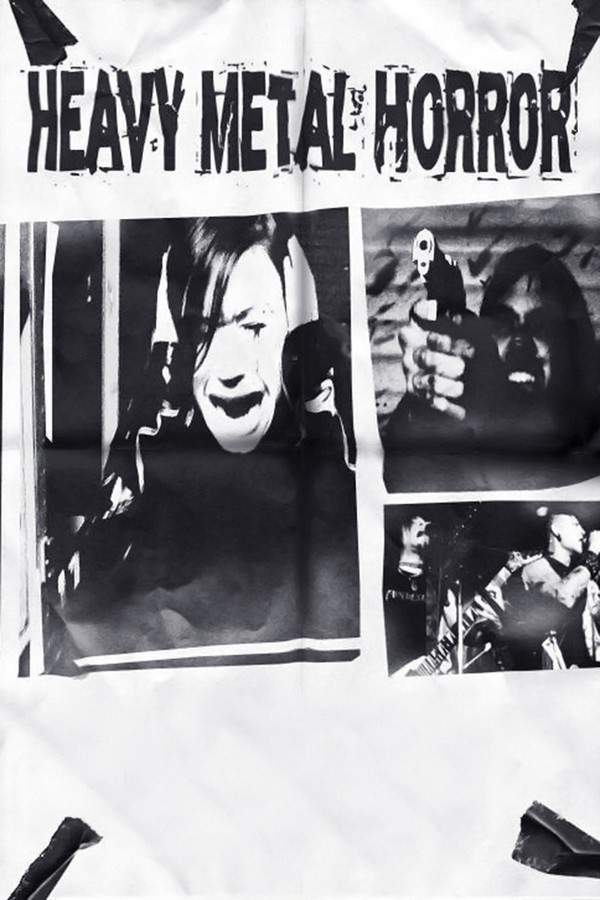
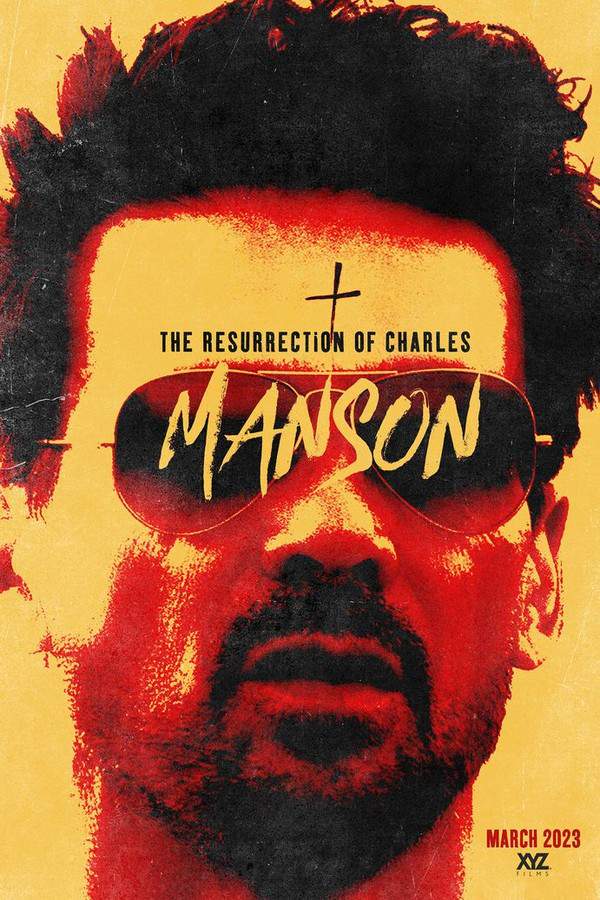
In a bleak, far-future desert landscape, a Nomad from the year 3069 uncovers the infamous book Helter Skelter while scavenging among the ruins of Los Angeles. He mistakes the manuscript for scripture and begins reading as if Charles Hanson were the promised messiah, a premise that threads its way through the film’s non-linear storytelling. The narrative then slips back to 1969, where a troubled traveler named Susan Hatkins crosses paths with Charlie during a troubled LSD journey. Charlie renames her Hadie, and she is drawn into his growing “family,” a tight-knit group convinced they can change the world through their music and their shared rituals. The desert setting becomes the backdrop for their plans as they observe the world’s indifference and begin to push the boundaries of their own fanaticism.
As the group tightens its grip, they fixate on an actress who embodies what they deem a corrupted art world—Sharon Hate. Their belief is reinforced by Charlie’s insistence that messages arrive through songs, including classic tunes like I Want to Hold Your Hand, which he interprets as signals urging him to act. The tension escalates into brutal violence as Sharon Hate and her friends are murdered, a shocking act that cements the family’s dangerous trajectory. The motive expands to a new target: the Ha Biancas. After Mr. Ha Bianca is described as having acted rudely toward Squeaky, the group moves to strike the Ha Bianca family as a grim tribute to Sharon Hate, and they kill both Mr. and Mrs. Ha Bianca in the desert’s silent expanse. The bodies are eventually discovered, and the group is halted by authorities who step into their secluded world.
The film then shifts to the desert courtroom where the family’s fates are decided. A trial unfolds, revealing a chilling blend of zeal and calculation as the defendants face the consequences of their actions. The sentences are severe, delivered by the state in a sequence that includes gassing, the electric chair, and hanging. This stark conclusion frames a narrative loop that circles back to the Nomad of 3069, who carves an X into his forehead and treats Charlie Manson as a messianic figure, a mirror to the book’s mythical framing and the destruction it has wrought.
Throughout the story, the lines between reverence and menace blur as the characters struggle with their own convictions and the consequences of their fervor. The film maintains a measured tone while exploring how fascination with myth, fame, and influence can spiral into violence when real-world power dynamics and personal traumas are unleashed. The performances anchor the tale, with the voice cast bringing a surreal, unnerving energy to each figure as the deranged logic of their world unfolds. The result is a bleak meditation on obsession, manipulation, and the cost of treating art and belief as instruments of inevitability.
- Habagail Folger, Asia Argento (voice), is introduced early as the central figure within the family’s arc and serves as a lens into the dynamic that binds the group together.
- Squeaky, Jane Wiedlin (voice), appears as another pillar of the inner circle, whose interactions underscore the group’s volatility.
- Charlie, Billie Joe Armstrong (voice), drives the dangerous charisma that propels the plot toward its catastrophic acts.
- Tex, John Doe (voice), plays a supporting role in the globe-spanning resonance of their mission.
- Hay, Davey Havok (voice), and Hadie, Theo Kogan (voice), contribute to the era-spanning memory of the family’s rise and fall.
- Sharon Hate, Sharon Tate (voice), becomes a target who embodies the critique of celebrity culture that motivates the group’s violence.
- Mrs. Habianca, Jen Johnson (voice), appears in the later phase of the family’s violence as part of the Ha Bianca confrontation.
- The Witness, Kim Fuelleman (voice), is present during the trial sequences, grounding the narrative in a procedural rhythm amidst the surreal events.