Plot Explained Spoilers guaranteed!
Plot Explained

Browse by genre

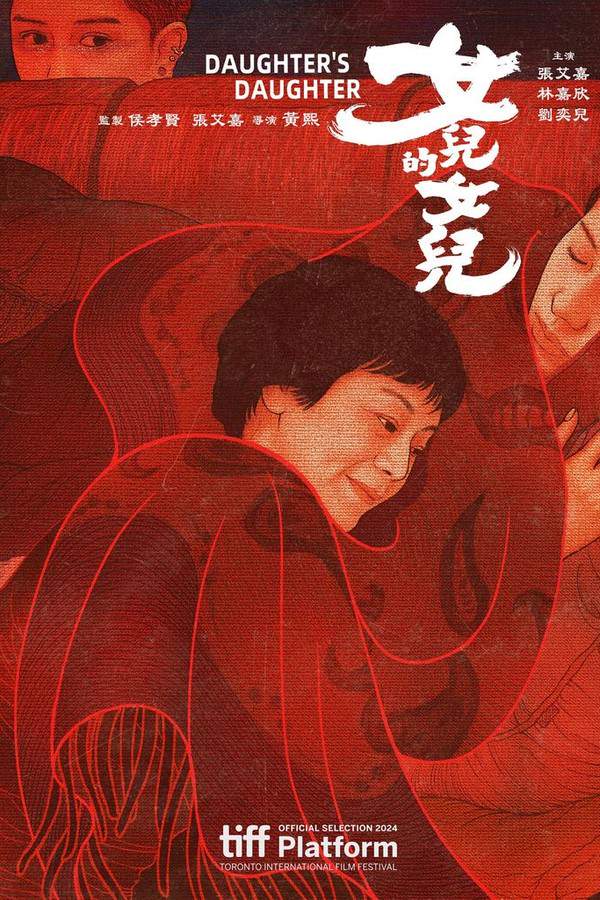
Daughter's Daughter (2025) movie poster

Plot Summary

Daughter's Daughter (2025) Plot Summary Explained

Release, runtime and language
2025 · 2 h 6 m · Chinese
Directed by
Xi Huang
Starring
Sylvia Chang, Winston Chao, Ting-Ni Ma, Alannah Ong, Jia-Yin Tsai, Eugenie Liu

Jin Aixia (Sylvia Chang) raises two daughters who grow up apart—Emma (Karena Lam) in New York and Fan Zuer (Eugenie Liu) in Taipei—and they remain strangers well into adulthood. When Zuer and her partner pursue in‑vitro fertilization, they travel to the United States for treatment, a journey that finally brings the sisters together and forces the family to confront long‑kept secrets, culminating in a heartbreaking revelation.

On this page (5)
  1. 1 Where to watch
  2. 2 What happens: full plot
  3. 3 Plot questions answered
  4. 4 Movie threads
  5. 5 Every angle

Where to watch

Where to Watch Daughter's Daughter (2025)

Where can you watch Daughter's Daughter? Stream, rent or buy it in the US, including on Amazon Video: current JustWatch availability with up-to-date prices.

Streaming availability powered by JustWatch

Full plot summary · contains spoilers

What Happens in Daughter's Daughter: Full Plot Summary

The whole story of Daughter's Daughter (2025) explained, from the opening scene to the final frame: every key event, every twist and what it all adds up to. Read it as a quick recap before the sequel, to check a scene you missed, or to finally understand what really happened.

Ai, played by Sylvia Chang, breaks her leg and is admitted to the hospital. During her stay, her mother Shen, Ting-Ni Ma, who has just returned to Taipei from New York, comes by for a visit. She is followed by her estranged daughter Emma, Karena Kar-Yan Lam, whom she sent away to an acquaintance in Chinatown years earlier. Zuer, Ai’s daughter from a later chapter of Ai’s life and described as Ai’s lesbian daughter born after she left America and came back to Taiwan with her now-divorced husband, arrives next with her girlfriend Jiayi, Tracy Chou, meeting Emma for the first time. The moment is delicate, a tangle of reunions, unspoken histories, and the quiet tremor of futures that may or may not resemble the past.

Five years glide by, and Zuer travels to New York with Jiayi for intrauterine insemination. The visit is punctuated by sharp disagreements with Ai, who insists that she is not ready to care for another child and views the choice as immature. Zuer misses her mother and calls Ai in tears just before the procedure, a moment that underscores the ache beneath their fragile bond. The trio—Ai, Emma, and Zuer—reunite for dinner with Emma’s paternal father Johnny, Old Johnny, Winston Chao, and the mood hints at fragile peace built on shared ghosts. On the way to New Jersey, joy gives way to tragedy as the couple’s car collides with another vehicle. Jiayi dies at the scene, and Zuer sustains serious injuries. Ai immediately flies to America after learning the news, but Zuer has already passed away by the time Ai reaches the hospital. Stricken, Ai asks Johnny to leave her alone, and she falters as grief dislocates her sense of self.

After the funeral, Ai’s bearings are lost in a strange city and she drifts through Chinatown, where she and Emma encounter the echoes of a life that feels partly not theirs. They discover Zuer’s Airbnb and share a moment of haunting stillness, yet Ai urges Emma not to tidy away Zuer’s things—she is still too heartbroken to do so. The next day, Ai accompanies Emma back to the fertility clinic and discovers something unexpected: Zuer and Jiayi have left behind a healthy frozen embryo, of which Ai is now the legal guardian. Ai is overwhelmed by the prospect and initially decides to terminate the embryo, feeling unprepared for such a responsibility and uncertain about the future.

Back at Zuer’s Airbnb, a wall is covered with graffiti—messages from residents and remnants of the community that once surrounded Zuer. Emma searches for Zuer’s words, while Ai insists that Zuer would not simply conform to the majority. Emma’s heart breaks as she recognizes the risk Ai is taking with a life that could be theirs to shape together. In the quiet after the confrontation and Zuer’s funeral, Emma reveals her wish to keep Zuer’s baby and Ai contends with the fear of becoming another mother who cannot live up to a child’s expectations. Yet Emma’s words strike a deeper chord: she accuses Ai of considering the child as something to be given away, a mirror of Ai’s past abandonment of Emma as a child.

Gradually, Ai’s resolve shifts. She steps back from the brink and opens herself to the possibility of life, choosing to pursue the child’s birth through a surrogate arrangement rather than terminating the embryo. The decision is not simple; it is tempered by Ai’s own fears about maturity and responsibility, and by Emma’s belief that love can endure even in the hardest seasons. Before leaving America, Ai shares a dinner with Emma, a private moment in which Emma asks what Ai was thinking when she disappeared from her life years ago. Ai answers honestly: she was frightened, fearing that she would be unable to bear the weight of motherhood at that moment. She tells Emma that she is grateful Emma is still willing to see her, and the two share a heartfelt hug before parting ways.

Two years later, Ai is raising Zuer’s daughter in Taipei, a life forged in grief and stubborn, hopeful love. Shen, now severely demented, repeatedly mistakes the present for the past and tells Ai that she is still too immature to be a parent, suggesting she abandon the child to a friend in Chinatown. The warning echoes Ai’s own memories and tests the strength of the family’s fragile reconciliation. Yet Ai presses forward, informed by the memory of Zuer’s window graffiti—an intimate plea that had once asked, “Why do I not have my mother’s name?” Ai’s memory of that message accompanies her as she continues to build a family, balancing care for Shen with her growing responsibilities as mother and guardian.

In this intimate, intergenerational drama, the film threads together themes of motherhood, identity, and the weight of choices across borders and time. The relationships are tested by loss, illness, and the stubborn persistence of love, while the cityscapes of Taipei and New York frame a journey from grief to tentative hope. The narrative is steady in its commitment to truth, never sensationalizing hardship, but rather revealing how forgiveness and willingness to grow can alter the course of a family.

Notes on cast appearances:

- Ai is embodied by [Sylvia Chang].

- Shen is portrayed by [Ting-Ni Ma].

- Emma is portrayed by [Karena Kar-Yan Lam].

- Zuer is portrayed by [Eugenie Liu].

- Jiayi is portrayed by [Tracy Chou].

- Old Johnny is portrayed by [Winston Chao].

- The story anchors its emotional core in these performances, with supporting turns that deepen the sense of place and lineage.

This reimagined take preserves the emotional core and major plot milestones of the original while expanding the connective tissue between characters, their histories, and the choices that shape their futures. The tone remains steady, compassionate, and thoughtfully observed, inviting the reader to reflect on how families bend and mend through time, distance, and the shared longing to belong.

Last updated: December 04, 2025 at 15:32

Was this helpful?

Plot questions answered

Daughter's Daughter Plot Explained: Your Questions Answered

The questions people ask most about Daughter's Daughter (2025): what happens in the confusing scenes, why the characters do what they do, the twists, hidden details and what the ending means. Each answer contains spoilers.

Q1

Why did Ai abandon Emma and send her away?

Ai abandoned Emma because she was frightened of motherhood. When Emma asks her what she was thinking when she disappeared from her life, Ai honestly admits she was scared and felt unable to bear the weight of motherhood at that moment. This past abandonment deeply affected Emma and created the foundation of their estrangement that the movie explores.

Foreshadowing: Shen's own history of sending children away echoes through generations, as seen when dementia-stricken Shen urges Ai to abandon her granddaughter to a friend in Chinatown.

  • ai
  • emma
  • abandonment
  • motherhood
  • chinatown
Q2

Why did Ai oppose Zuer's IVF pregnancy?

Ai insisted she was not ready to care for another child and viewed Zuer's choice as immature. This resistance stems from Ai's own unresolved feelings about motherhood, having abandoned Emma years earlier, she projecting her fears onto Zuer's situation. However, her opposition also reveals her struggle with the idea of becoming a grandmother while still caring for her own aging mother.

  • ai
  • zuer
  • ivf
  • pregnancy
  • opposition
Q3

Why did Ai initially want to terminate Zuer's embryo?

Ai was overwhelmed by the prospect of raising another child while already caring for her severely demented mother Shen. She felt unprepared for such responsibility and uncertain about the future, fearing she would repeat her past mistakes as a mother. The decision represents her internal conflict between self-preservation and embracing new life.

  • ai
  • embryo
  • termination
  • motherhood
  • shen
  • dementia
Q4

What caused the car accident in the movie?

On their way to New Jersey after dinner with Emma and Johnny, Zuer and Jiayi's car collided with another vehicle. The accident resulted in Jiayi's death at the scene and left Zuer with life-threatening injuries. The tragedy occurs suddenly, cutting short Zuer's journey to become a mother and devastating the entire family.

  • car accident
  • zuer
  • jiayi
  • death
  • new jersey
Q5

Why did Zuer call Ai in tears before the procedure?

Zuer called Ai in tears right before her ovulation induction procedure, seeking her mother's blessing for the IVF treatment. The call underscores the ache beneath their fragile bond, Zuer deeply wanted her mother's approval and emotional support during this vulnerable moment, but Ai resisted, arguing Zuer was not ready for parenthood.

  • zuer
  • ai
  • phone call
  • tears
  • ivf
  • procedure
Q6

What was the significance of the graffiti message on Zuer's wall?

The graffiti-covered walls of Zuer's Airbnb contained messages from community residents. Emma searched for Zuer's own words while Ai insisted Zuer would not simply conform to the majority. Later, Ai remembers a specific message Zuer had written: 'Why do I not have my mother's name?' This poignant question reveals Zuer's deep longing for maternal connection and belonging.

  • graffiti
  • zuer
  • airbnb
  • message
  • name
  • mother
Q7

Why does Shen suggest abandoning the child to Chinatown?

Severely demented Shen mistakes the present for the past and tells Ai she is still too immature to be a parent, urging her to abandon the child to a friend in Chinatown. This echoes Ai's own past decision to send Emma away to an acquaintance in Chinatown. The painful parallel shows how family patterns repeat across generations, with Shen's dementia cruelly reflecting old wounds.

Foreshadowing: This mirrors Ai's own abandonment of Emma years earlier, when she sent her daughter to an acquaintance in Chinatown.

  • shen
  • chinatown
  • dementia
  • abandon
  • granddaughter
Q8

How did Ai and Emma's relationship evolve throughout the film?

Their relationship evolved from estrangement to fragile reconciliation. After Zuer's death, Ai seeks Emma in Chinatown rather than relying on Johnny, marking a shift toward leaning on her daughter. A pivotal dinner before leaving America allows Ai to honestly explain her past abandonment: she was frightened of motherhood. Emma appreciates the honesty, and they share a heartfelt hug, beginning to heal their wounds.

  • ai
  • emma
  • reconciliation
  • hug
  • forgiveness
Q9

What changed Ai's mind about keeping Zuer's baby?

Emma's words struck a deeper chord, she accused Ai of treating the child as something to be given away, mirroring Ai's past abandonment of Emma. This confrontation, combined with Emma's belief that love can endure even in the hardest seasons, gradually shifted Ai's resolve. She chose to pursue the child's birth through a surrogate rather than terminate the embryo, opening herself to life despite her fears.

  • ai
  • emma
  • embryo
  • surrogate
  • decision
  • baby
Q10

Why did Zuer and Jiayi travel to the US for IVF?

Zuer and her partner Jiayi traveled to the United States for intrauterine insemination treatment because IVF procedures may not have been legally available or accessible in Taiwan at the time. The US trip also conveniently brings the separated sisters, Emma in New York and Zuer in Taipei, together for the first time as adults.

  • zuer
  • jiayi
  • ivf
  • united states
  • taiwan
  • treatment

Movie threads

More Movies Like Daughter's Daughter, by Mood & Story

Curated lists built around what makes Daughter's Daughter tick: the same mood, the same kind of story or the same emotional payoff. Each list explains why these movies belong together.

Family Secrets Dramas like Daughter's Daughter

Intimate dramas about how long-buried secrets reshape family bonds across generations. If you were captivated by the unraveling of long-buried truths in Daughter's Daughter, this collection features similar movies about hidden pasts, devastating revelations, and the complex process of reconciliation within families. Find other emotionally heavy dramas like Daughter's Daughter that explore the lasting consequences of secrets.

  • familial
  • somber
  • reflective
  • heartbreaking
  • grieving
  • quiet
  • Tone: melancholic, somber, reflective
  • Pacing: steady, deliberate
Why these movies?

The story pattern: Stories in this thread typically revolve around a central, life-altering revelation from the past that comes to light, shattering the present-day equilibrium of a family. The narrative follows the characters as they piece together the truth, grapple with feelings of betrayal and grief, and attempt to rebuild their understanding of themselves and their lineage.

Why they belong together: Movies are grouped here based on their shared focus on a pivotal family secret as the main narrative engine. They share a heavy emotional weight, a melancholic tone, and a steady, reflective pacing that allows for deep exploration of character psychology and the ripple effects of the past.

Bittersweet Grief Stories like Daughter's Daughter

Quiet, profound stories of navigating loss and finding meaning in its aftermath. For viewers moved by the heartbreaking loss and subsequent journey in Daughter's Daughter, this collection features movies with a similar bittersweet feel. Discover other steady-paced, heavy dramas like Daughter's Daughter about coping with tragedy, the complexities of grief, and finding a poignant path forward.

  • grieving
  • heartbreaking
  • bittersweet
  • melancholic
  • somber
  • reflective
  • Tone: melancholic, bittersweet, heartbreaking
  • Pacing: steady, contemplative
Why these movies?

The story pattern: The narrative pattern involves a catalytic loss that sends the protagonists on an emotional journey. The plot unfolds with a steady, often quiet pace, focusing on the internal struggles of the characters. The endings are typically bittersweet, offering a measure of hope or connection that is deeply intertwined with the enduring presence of grief, rather than providing a simple resolution.

Why they belong together: These films are united by their exploration of grief as a central theme, their melancholic and reflective atmosphere, and their commitment to a bittersweet emotional realism. They share a high emotional intensity balanced by a steady, deliberate pacing that allows the audience to sit with the characters' sorrow.

Every angle

Daughter's Daughter (2025) Explained: Plot, Timeline & Characters

Everything about Daughter's Daughter in one place: what happens in the plot summary, the timeline in chronological order, the characters and meaning and a spoiler-free summary. What's After the Movie adds the cast, box office and post-credit scenes.

Coming soon on iOS and Android

The Plot Explained Movie Summary App

Plot summaries, endings explained and timelines on your phone. Catch up on any movie in minutes, save your favorites and never miss a twist again.

Be the first to know when we launch. Your email stays private, always.

Learn more about the app