Year: 1000
Runtime: 184 mins
Language: English
Director: Tom Gries
WHISPER IT LIKE A CURSE! The investigation of two horrific mass murders leads to the capture and trial of the psychotic pseudo-hippie Charles Manson and his “family”.
Warning: spoilers below!
Haven’t seen Helter Skelter yet? This summary contains major spoilers. Bookmark the page, watch the movie, and come back for the full breakdown. If you're ready, scroll on and relive the story!
Read the complete plot breakdown of Helter Skelter (1000), including all key story events, major twists, and the ending explained in detail. Discover what really happened—and what it all means.
Across a tightly wound investigation and courtroom drama, the film traces how police and prosecutors connect a string of brutal killings to the Manson Family and how those threads unravel through a series of confessions, trials, and public revelations. At the center, the enigmatic group led by Charles Manson becomes the all-encompassing focus as investigators chase similarities in the crime scenes—from bloody writings on walls to the brutal reach of the murders—while authorities initially pursue a drug-related angle rather than a cult-led conspiracy.
Linda Kasabian turns herself in on the warrant, a move that begins to shed light on the Tate residence killings. Her later testimony becomes a pivotal piece in the grand jury’s efforts to stitch together the Tate and LaBianca murders, as fingerprints from the crime scenes are matched to participants in the Manson Family. The film traces how her decision to cooperate intersects with the broader push to build a case against the group, even as opinion and fear swirl around the courtroom doors.
The narrative then widens to introduce Charles Manson and his circle as they move from the fringes toward the center of the investigation. The story shows how the Manson Family’s arrest warrants multiply and how the DA, Vincent Bugliosi, begins to assemble a compelling, evidence-backed narrative. A visit to Spahn Ranch by Bugliosi helps illustrate the contrast between the group’s mystique and the hard facts the investigators seek, including a revolver that links the crime to a carried weapon.
As the plot advances, the film reveals how rumors and prison conversations begin to surface. Inmates like Susan Atkins share chilling admissions about the Tate killings and other murders, prompting further arrests and the expansion of the charges. The other key members of the group—Patricia Krenwinkel, Tex Watson, and Leslie Van Houten—emerge as major players in the ongoing investigation and the mounting legal case.
The story then returns to the central courtroom arc. Bugliosi conducts ballistics tests that tie the weapon to a suspect and uses the testimonies he has gathered to build a case that spans multiple killings. The film also follows the way public attention is fueled by press coverage that tries to retrace the events as described in the newspapers, with reporters chasing the bloody clues reportedly discarded after the crimes. The tension between investigative momentum and courtroom strategy becomes a driving force as Bugliosi coordinates the grand jury and the investigation into who exactly bore responsibility.
A crucial turning point comes when Linda Kasabian provides detailed accounts of the Tate and LaBianca murders, despite repeated objections from defense counsel. The defense attempts to derail the proceedings through disruptions, but the overwhelming weight of the testimony and physical evidence pushes the case forward. The defendants, including Manson, are eventually directed to stand trial, with the proceedings highlighting the tension between a self-represented defendant and a seasoned prosecutor working to expose a shared motive and a clear chain of responsibility.
The finale of the trial scene emphasizes the scale of the charges and the psychological calculus behind the defense’s strategy. The courtroom’s atmosphere shifts as the judge and jury weigh the admissions and the defense’s arguments, culminating in a verdict that reflects both the brutality of the crimes and the complex interplay of fear, influence, and intent. Although the film notes that California later abolished the death penalty in 1972, rendering the convictions eligible for parole, the dramatic arc underscores the lasting impact of the case on the public imagination and the legal landscape.
In the end, the film presents a careful, documentary-like account of how investigators, prosecutors, defendants, and witnesses intersect in a landmark series of trials. It treats each step—from initial arrests and confessions to grand jury proceedings and final verdicts—with a sober respect for the complexity of the cases, the stubborn pursuit of truth, and the enduring shadows these events cast over a city and a nation.
Last Updated: December 03, 2025 at 23:58
Discover curated groups of movies connected by mood, themes, and story style. Browse collections built around emotion, atmosphere, and narrative focus to easily find films that match what you feel like watching right now.
Methodical investigations into horrific crimes that build an unshakable sense of menace.If you liked the methodical investigation and oppressive atmosphere of Helter Skelter, explore more movies like it. These true crime stories and police procedurals share a dark tone, heavy emotional weight, and a focus on building tension through a steady, anxious unraveling of facts.
Narratives typically follow a linear, investigative structure, beginning with the discovery of a crime and proceeding through the collection of evidence, pursuit of suspects, and eventual courtroom drama. The journey is less about surprise twists and more about the grim, cumulative impact of confronting evil and the failings of justice.
These films are grouped by their shared commitment to a dark, realistic tone, a steady pacing that builds dread, and a heavy emotional focus on the psychological toll of violence. They prioritize an immersive, anxious mood over action, creating a cohesive experience of grim realism.
Unsettling explorations of the psychological hold dangerous leaders have over their followers.For viewers fascinated by the chilling portrayal of Charles Manson in Helter Skelter, this thread features similar movies about cult leaders and their followers. These films explore the dark charisma, psychological manipulation, and devastating outcomes of such groups, often with a dark tone and heavy themes.
The narrative pattern centers on the rise of a charismatic but dangerous figure, the formation of a devoted community or 'family,' and the gradual escalation towards violence or self-destruction. The focus is on the leader's manipulative techniques and the complex, often tragic, journeys of the followers who fall under their spell.
These films are united by their deep dive into the psychology of cult leadership and the dynamics of manipulation. They share a dark, intense tone and a thematic focus on the collision between skewed belief systems and reality, resulting in stories that are both fascinating and profoundly unsettling.
Don't stop at just watching — explore Helter Skelter in full detail. From the complete plot summary and scene-by-scene timeline to character breakdowns, thematic analysis, and a deep dive into the ending — every page helps you truly understand what Helter Skelter is all about. Plus, discover what's next after the movie.
Track the full timeline of Helter Skelter with every major event arranged chronologically. Perfect for decoding non-linear storytelling, flashbacks, or parallel narratives with a clear scene-by-scene breakdown.
Discover the characters, locations, and core themes that shape Helter Skelter. Get insights into symbolic elements, setting significance, and deeper narrative meaning — ideal for thematic analysis and movie breakdowns.
Get a quick, spoiler-free overview of Helter Skelter that covers the main plot points and key details without revealing any major twists or spoilers. Perfect for those who want to know what to expect before diving in.
Visit What's After the Movie to explore more about Helter Skelter: box office results, cast and crew info, production details, post-credit scenes, and external links — all in one place for movie fans and researchers.
Discover movies like Helter Skelter that share similar genres, themes, and storytelling elements. Whether you’re drawn to the atmosphere, character arcs, or plot structure, these curated recommendations will help you explore more films you’ll love.
Helter Skelter (1000) Scene-by-Scene Movie Timeline
Helter Skelter (1000) Movie Characters, Themes & Settings
Helter Skelter (1000) Spoiler-Free Summary & Key Flow
Movies Like Helter Skelter – Similar Titles You’ll Enjoy
The Haunting of Sharon Tate (2019) Full Movie Breakdown
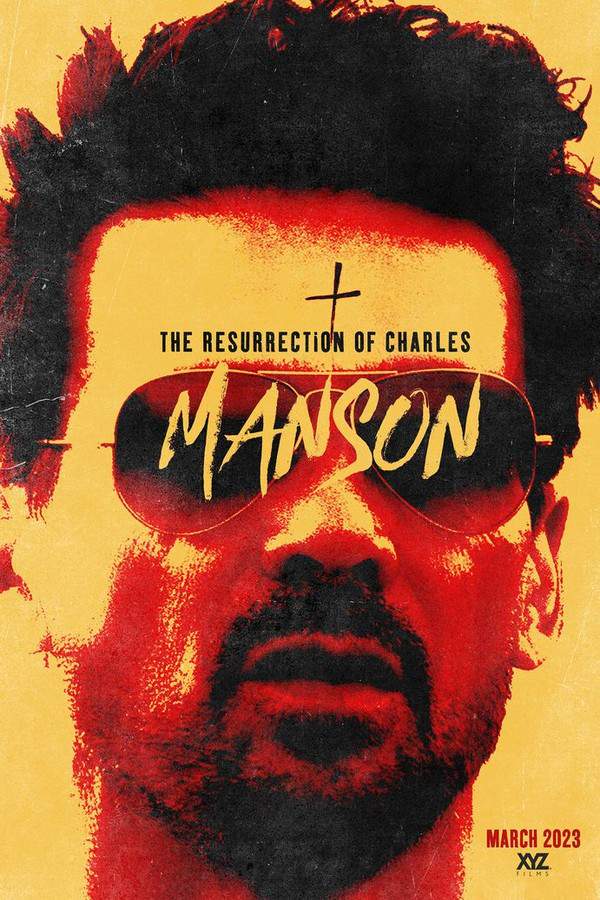
The Resurrection of Charles Manson (2023) Plot Summary & Ending Explained
Unspeakable (2003) Full Summary & Key Details
The Manson Family Massacre (2019) Ending Explained & Film Insights
Helter Skelter (2000) Full Summary & Key Details
Live Freaky! Die Freaky! (2006) Film Overview & Timeline
Gimme Skelter (2007) Spoiler-Packed Plot Recap
Angst (1983) Movie Recap & Themes
Scream Bloody Murder (1973) Spoiler-Packed Plot Recap
Helter Skelter (1976) Story Summary & Characters
The Manson Family (1997) Movie Recap & Themes
Skinner (1993) Movie Recap & Themes
The Hollywood Strangler Meets the Skid Row Slasher (1979) Complete Plot Breakdown
What’s the Matter with Helen? (1971) Full Movie Breakdown
The Manson Massacre (1971) Ending Explained & Film Insights