










Plot Explained Spoilers guaranteed!
Plot Explained

Browse by genre

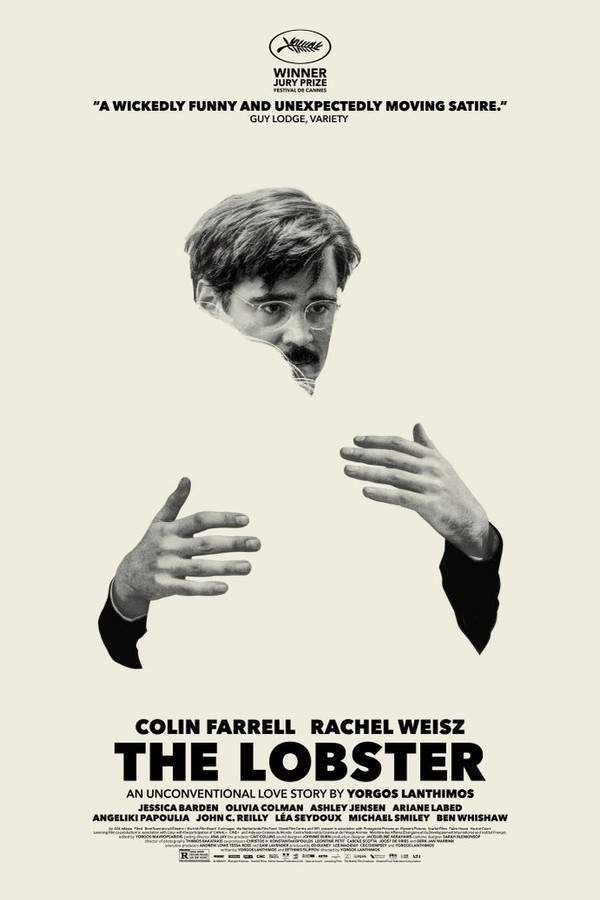
The Lobster (2016) movie poster

Characters & Themes

The Lobster (2016) Characters, Setting & Themes Explained

Release, runtime and language
2016 · 119 min · English
JustWatch #5,347 25
Directed by
Giorgos Lanthimos
Starring
Rachel Weisz, Colin Farrell, Olivia Colman, Jessica Barden

In a dystopian world, unmarried individuals are obligated to find a partner or risk being transformed into animals and disappearing into the wilderness. After escaping a peculiar hotel where singles are pressured to couple up, one man seeks refuge in the woods and unexpectedly falls for a woman. Their forbidden relationship challenges the strict rules governing love and freedom, leading to unforeseen consequences in this darkly comedic and thought-provoking story.

On this page (8)
  1. 1 Where to watch
  2. 2 Characters explained (3)
  3. 3 Where & when it takes place
  4. 4 Themes & meaning (3)
  5. 5 Character & meaning questions
  6. 6 Movie threads
  7. 7 Movies like The Lobster
  8. 8 Every angle

Where to watch

Where to Watch The Lobster (2016)

Where can you watch The Lobster? Stream, rent or buy it in the US, including on HBO Max, Amazon Video and Apple TV Store: current JustWatch availability with up-to-date prices.

Streaming availability powered by JustWatch

3 main characters · contains spoilers

The Lobster Characters Explained: Who Is Who

The main characters of The Lobster (2016), heroes and villains: what drives them, how they change over the course of the story and what each of them reveals about the film's bigger ideas.

  • David

    played by Colin Farrell

    David, portrayed by Colin Farrell, is a deeply conflicted man grappling with the heart-wrenching aftermath of his wife's departure. His journey from compliance to rebellion showcases his desperation for genuine connection. Navigating absurd societal constraints, he reveals his loyalty, cunning, and emotional depth as he attempts to escape societal pressures.

    • 👨‍💼 Protagonist
    • 🦞 Transformation
    • 😮 Grief
  • The Manager

    The Hotel Manager, a cold and authoritative figure, embodies the oppressive structures governing the guests' behaviors. She wields power over the residents, enforcing rules to ensure adherence to societal norms. Her character symbolizes the ultimate enforcer of conformity, highlighting the absurdity of the hotel’s environment.

    • 👩‍💼 Authority
    • ❌ Control
    • 📏 Rules
  • The Blind Woman

    The Blind Woman, who shares a bond with David, represents both vulnerability and strength in the face of adversity. Their shared experiences in a cutthroat environment solidify a unique connection, proving that love can emerge even from chaos. Her character challenges the notions of dependency, emphasizing emotional resilience.

    • 👩‍❤️ Vulnerability
    • ♥️ Connection
    • 😒 Struggle

Last updated: October 22, 2024 at 18:50

Was this helpful?

Setting

Where and When Does The Lobster Take Place?

The setting of The Lobster (2016): the year and time period, the places and locations, and how they shape the characters, the mood and the tension of the story.

Time period

Contemporary

The film takes place in a contemporary setting, reflecting modern society's pressures regarding relationships and partnerships. This time period highlights the absurdity of social norms, juxtaposing love and companionship against extreme consequences for those who deviate from these norms.

Location

The Hotel, The Forest, The City

The Hotel serves as a confined space where the absurd societal rules dictate the lives of its inhabitants, emphasizing themes of conformity and desperation. The surrounding Forest symbolizes freedom and the harsh realities of life outside societal expectations, inhabited by the 'loners' who reject relationships. Finally, the City represents a contrasting backdrop of anonymity and chaotic freedom, where characters grapple with their choices and identities.

  • 🏨 Hotel
  • 🌲 Forest
  • 🌆 City

Last updated: October 22, 2024 at 18:50

Was this helpful?

3 major themes

The Lobster Meaning: Themes & Message Explained

What is The Lobster (2016) really about? The emotional, social and philosophical themes the film keeps returning to, its symbolism and the message beneath the surface.

  • Love and Isolation

    The film explores the paradox of love, where characters are driven to extreme measures to avoid isolation. The enforced timelines and absurd societal rules create a sense of urgency that amplifies their desperation. Through David's journey, the film critiques the superficiality of relationships and the lengths individuals will go to find companionship.

  • Transformation

    Transformation is a central theme, symbolizing the characters' fear of becoming something they do not wish to be. David's choice to potentially live as a lobster reflects the extremes of conformity and the loss of identity that individuals face in search of acceptance. The various transformations serve as a critique of societal expectations.

  • Power and Manipulation

    The hotel embodies a microcosm of power dynamics, where the management enforces strict control over the guests. Relationships are often built on manipulation, as seen with David's partner and the maid's ulterior motives. The theme reveals how individuals navigate power struggles in desperate environments.

Last updated: October 22, 2024 at 18:50

Was this helpful?

Character & theme questions

The Lobster Characters & Meaning: Your Questions Answered

The questions people ask about The Lobster (2016): who the characters really are, their relationships, what the symbols mean, where it takes place and what the movie is really about. Each answer contains spoilers.

Q1

What is The Hotel in The Lobster and what does it represent?

The Hotel is the primary setting where unmarried individuals are forced to find a partner within 45 days or be transformed into an animal. It represents a microcosm of oppressive societal expectations, where conformity is enforced through extreme pressure and absurd rules. The hotel embodies themes of power and manipulation, with management exerting control over desperate guests.

Foreshadowing: From the opening scenes, the hotel's sterile, clinical atmosphere establishes the oppressive tone that defines the entire film.

  • the hotel
  • conformation
  • society rules
  • pressure
  • dystopia
Q2

What does The Forest represent in The Lobster?

The Forest is the wilderness area where 'loners' live after escaping the hotel, symbolizing freedom and authentic existence outside societal constraints. However, it also represents harsh reality and survival outside the organized system. The forest stands in direct contrast to the controlled hotel environment, offering both liberation and danger.

Foreshadowing: The forest is introduced as the alternative to conformity, establishing the film's central tension between freedom and safety.

  • the forest
  • loners
  • freedom
  • wilderness
  • rebellion
Q3

What role does The City play in The Lobster?

The City appears as a contrasting backdrop representing anonymity and chaotic freedom where characters grapple with their identities outside organized systems. While less prominently featured than the hotel or forest, it symbolizes the broader world beyond the film's isolated settings, highlighting how extreme societal pressures extend into everyday life.

Foreshadowing: References to the city establish that the hotel's rules exist within a larger dystopian society.

  • the city
  • anonymity
  • freedom
  • society
  • dystopia
Q4

What does becoming a lobster mean in The Lobster?

The transformation into a lobster symbolizes the ultimate loss of identity and humanity for those who fail to conform to societal pairing expectations. David choosing a lobster reflects the film's commentary on extreme conformity, the creature represents both the absurdity of the system's consequences and the ironic possibility of living authentically as something society deems lesser.

Foreshadowing: The film opens with David's brother having already been transformed into a dog, establishing the stakes early.

  • transformation
  • lobster
  • identity
  • conformity
  • animal
Q5

What is the love and isolation theme in The Lobster?

The film explores how forced timelines and absurd rules drive characters to desperate measures to avoid isolation. It critiques superficial relationships that form purely from fear rather than genuine connection. Through David's journey, the movie questions whether love can ever be authentic when enforced by external pressures and deadlines.

Foreshadowing: The hotel's matching system and 45-day countdown establish the desperate atmosphere that defines all relationships in the film.

  • love
  • isolation
  • relationships
  • desperation
  • connection
Q6

How does The Lobster explore power and manipulation?

The Hotel Manager embodies authoritative control, enforcing rules designed to ensure compliance with societal norms. Relationships within the hotel are often built on manipulation, characters exploit each other's vulnerabilities to secure partnerships. The theme reveals how individuals navigate power struggles in desperate environments, questioning whether any relationship formed under such conditions can be genuine.

Foreshadowing: The Manager's cold authority is established early, setting the antagonistic tone of the system.

  • power
  • manipulation
  • hotel manager
  • control
  • authority
Q7

Who is David in The Lobster and what drives him?

David, played by Colin Farrell, is the protagonist who enters the hotel after his wife leaves him. He is deeply conflicted between conforming to find a partner and maintaining his authentic self. His journey showcases desperation for genuine connection, ultimately leading him to rebel against the system. He represents the tension between loyalty to oneself and the extreme pressures to conform.

Foreshadowing: David's emotional state upon arrival establishes his internal conflict that drives the entire narrative.

  • david
  • colin farrell
  • protagonist
  • rebellion
  • desperation
Q8

Who is The Hotel Manager in The Lobster?

The Hotel Manager is a cold, authoritative figure who enforces the hotel's strict rules and ensures guests comply with pairing requirements. She represents the oppressive societal structures that demand conformity, symbolizing the ultimate enforcer of the film's absurd norms. Her character highlights the inhumanity of systems that prioritize compliance over genuine human connection.

Foreshadowing: Her first appearance establishes her dominance and sets the oppressive tone of the hotel.

  • hotel manager
  • authority
  • enforcer
  • control
  • antagonist
Q9

Who is The Blind Woman in The Lobster?

The Blind Woman forms a bond with David in the forest, representing both vulnerability and strength in the film's harsh environment. Despite her blindness, she proves capable of surviving among the loners. Her relationship with David challenges notions of dependency, showing that genuine connection can emerge even in extreme circumstances. She symbolizes emotional resilience and the possibility of authentic relationship outside societal control.

Foreshadowing: Her introduction in the forest signals a turning point in David's journey toward authentic connection.

  • blind woman
  • david
  • connection
  • resilience
  • loners
Q10

Is The Lobster set in the future or present day?

The Lobster takes place in a contemporary, modern setting despite its dystopian premise. The film reflects current societal pressures regarding relationships and partnerships by amplifying them to absurd extremes. This contemporary setting makes the allegory about modern dating and social expectations more directly relatable, as the technology, fashion, and environment appear familiar despite the bizarre rules.

Foreshadowing: The modern aesthetics of the hotel and city ground the absurdist story in recognizable reality.

  • contemporary
  • modern
  • present
  • setting
  • time period
Q11

What does The Lobster say about modern dating and relationships?

The Lobster serves as a dark allegory for modern dating culture, using exaggeration to critique how society pressures individuals to pair up. The hotel's deadline mirrors real-world anxieties about finding a partner, while the absurd matching criteria (based on trivial similarities) satirize shallow dating standards. The film questions whether relationships formed under such external pressures can ever be genuinely meaningful.

Foreshadowing: The matching system's ridiculous criteria immediately establish the film's satirical intent.

  • dating
  • relationships
  • allegory
  • critique
  • society

Movie threads

More Movies Like The Lobster, by Mood & Story

Curated lists built around what makes The Lobster tick: the same mood, the same kind of story or the same emotional payoff. Each list explains why these movies belong together.

Dystopian Satires of Conformity like The Lobster

Absurd societies where rigid rules expose the cruelty of fitting in. If you liked the absurd social critique in The Lobster, explore more movies that use dystopian or surreal settings to question the rules of society and relationships. These films blend dark humor with serious themes about the cost of fitting in.

  • absurd
  • satirical
  • unsettling
  • oppressive
  • bleak
  • cold
  • Tone: dark, satirical, unsettling
  • Pacing: steady, methodical
Why these movies?

The story pattern: Stories typically follow a protagonist navigating a society with absurd, strictly enforced rules. The central conflict arises from the tension between individual desire and systemic pressure to conform, often leading to extreme choices and ambiguous outcomes that critique the system itself.

Why they belong together: They are grouped by their shared use of a satirical, high-concept framework to explore themes of social pressure, identity, and the artificiality of prescribed relationships. The tone balances dark, intellectual humor with a palpable sense of existential unease.
Bleak and Absurdist Relationship Dramas like The Lobster

Love stories where connection is a desperate act in a cruel world. For viewers who appreciated the harsh and unconventional love story in The Lobster, this collection features movies where romance is twisted by dystopian settings or existential crises, resulting in heavy, thought-provoking emotional journeys.

  • bleak
  • existential
  • forbidden love
  • unsettling
  • psychologically intense
  • absurdist
  • Tone: bleak, heavy, absurdist
  • Pacing: steady, deliberate
Why these movies?

The story pattern: The narrative revolves around characters seeking connection in environments that are inherently hostile to genuine emotion. Love becomes a form of rebellion or survival, leading to intense moral dilemmas, profound sacrifices, and endings that question the very nature of the relationship.

Why they belong together: These films share a deeply pessimistic view of romance, where love is fraught with existential danger and emotional manipulation. They combine a heavy emotional weight with an absurdist sensibility, creating a unique blend of dread, dark comedy, and poignant human struggle.

If you liked this

Movies Like The Lobster

Similar movies to The Lobster: the same genre, themes or kind of story. Each one comes with its own plot summary, timeline and ending explained.

Browse all movie summaries

Every angle

The Lobster (2016) Explained: Plot, Ending, Timeline & Characters

Everything about The Lobster in one place: what happens in the plot summary, the timeline in chronological order, the characters and meaning, the ending explained and a spoiler-free summary. What's After the Movie adds the cast, box office and post-credit scenes.

Coming soon on iOS and Android

The Plot Explained Movie Summary App

Plot summaries, endings explained and timelines on your phone. Catch up on any movie in minutes, save your favorites and never miss a twist again.

Be the first to know when we launch. Your email stays private, always.

Learn more about the app