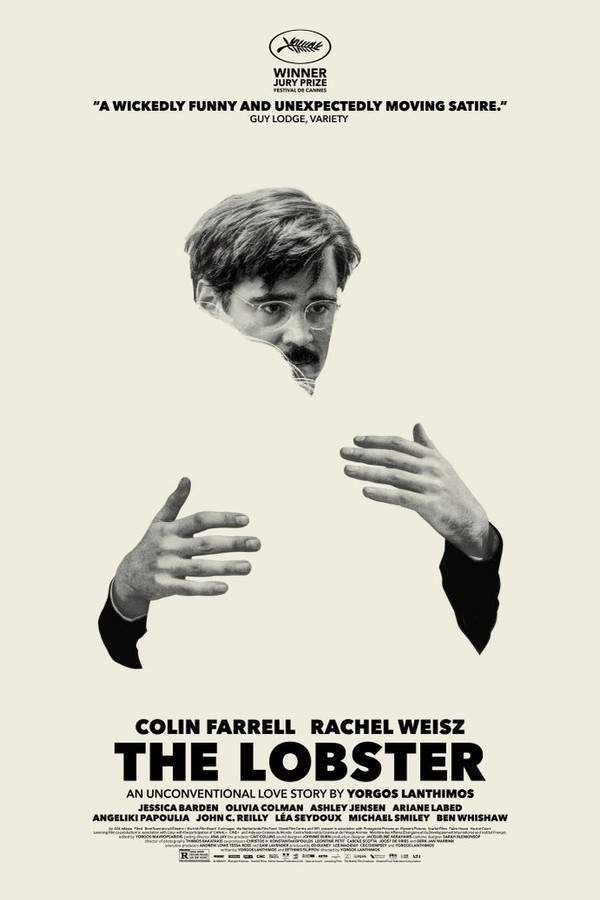











The Lobster

The Lobster

Year: 2016

Runtime: 119 min

Language: English

Director: Giorgos Lanthimos

Sci-FiDramaThrillerComedyRomance

In a dystopian world, unmarried individuals are obligated to find a partner or risk being transformed into animals and disappearing into the wilderness. After escaping a peculiar hotel where singles are pressured to couple up, one man seeks refuge in the woods and unexpectedly falls for a woman. Their forbidden relationship challenges the strict rules governing love and freedom, leading to unforeseen consequences in this darkly comedic and thought-provoking story.

Warning: spoilers below!

Haven’t seen The Lobster yet? This summary contains major spoilers. Bookmark the page, watch the movie, and come back for the full breakdown. If you're ready, scroll on and relive the story!

The Lobster (2016) – Ending Explained & Final Scene Breakdown

Still thinking about how The Lobster (2016) ended? Here’s a full breakdown of the ending, key final moments, major twists, and the deeper meaning behind the film’s conclusion.

The ending of The Lobster is deliberately ambiguous and open to interpretation, emphasizing the film’s themes of love, societal pressure, and personal choice. Throughout the story, David, played by Colin Farrell, is caught between a system that values superficial traits for pairing and his own desire for genuine connection. His decision to attempt blinding himself in the film’s final moments is a deeply symbolic act driven by his desperation to maintain his relationship with the Short-Sighted Woman, played by Rachel Weisz. This shocking gesture reflects his belief that by sharing the same inability to see, they can belong together, overcoming the superficial matchmaking system that has dictated their lives.

Some interpret David’s act as a true sacrifice — a literal self-blinding to align with the woman he loves and to prove his commitment. Others see it as a symbolic gesture of his rejection of society’s shallow criteria for love, or perhaps even a sign of his complete surrender to the oppressive world around him. The film leaves hanging whether David actually goes through with blinding himself or if he hesitates at the last moment, with the screen fading to black before revealing his fate. This ambiguity underscores the movie’s critique of how society and personal fears distort the notion of love and connection. Ultimately, David’s choice, or his hesitation, prompts viewers to reflect on the lengths to which people are willing to go — including extreme acts — to find or maintain love in a world that often devalues genuine emotional bonds. The ending stays with audiences, raising questions about whether true love requires sacrifice, self-denial, or perhaps rebellion against societal norms.

Last Updated: June 25, 2025 at 08:57

Mobile App Preview

Coming soon on iOS and Android

The Plot Explained Mobile App

From blockbusters to hidden gems — dive into movie stories anytime, anywhere. Save your favorites, discover plots faster, and never miss a twist again.

Sign up to be the first to know when we launch. Your email stays private — always.

Explore Movie Threads

Discover curated groups of movies connected by mood, themes, and story style. Browse collections built around emotion, atmosphere, and narrative focus to easily find films that match what you feel like watching right now.

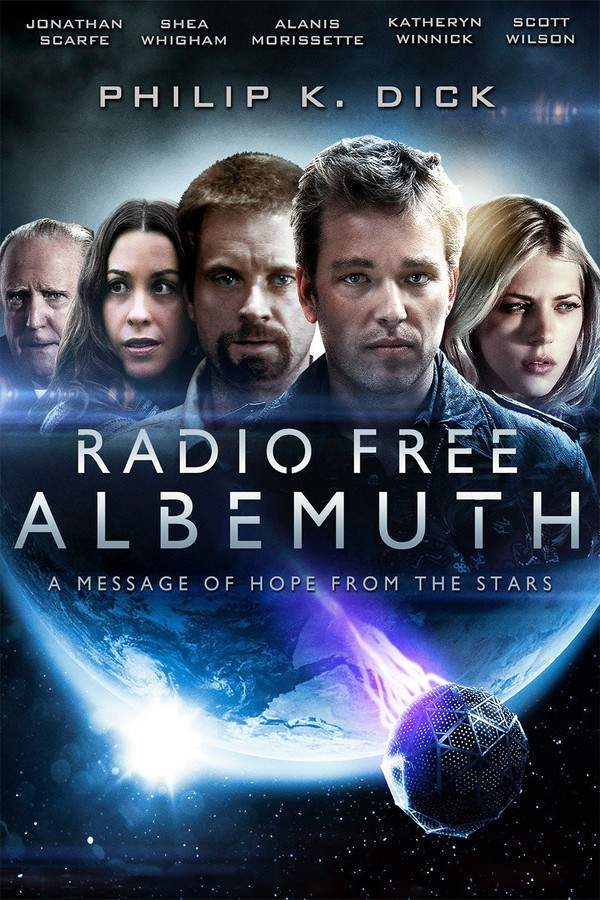
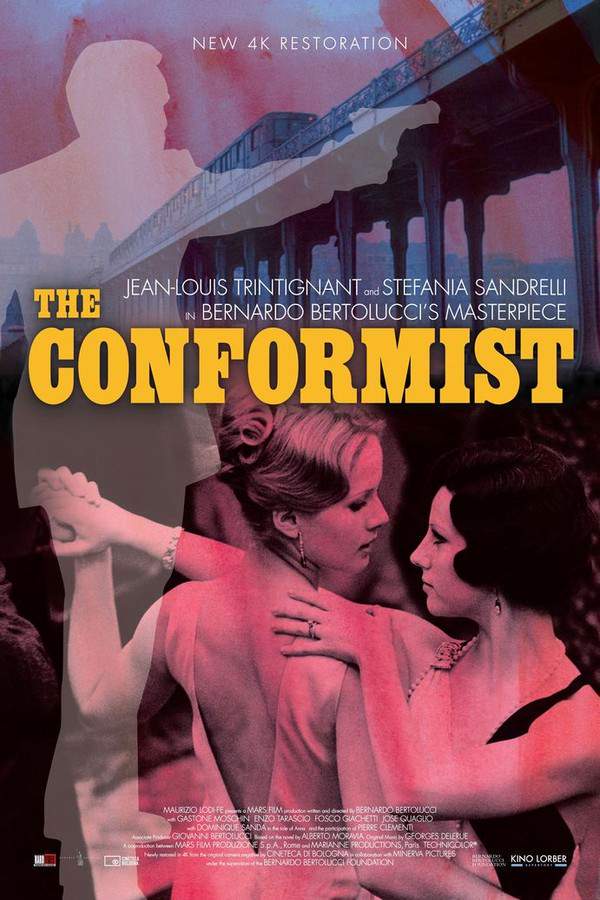
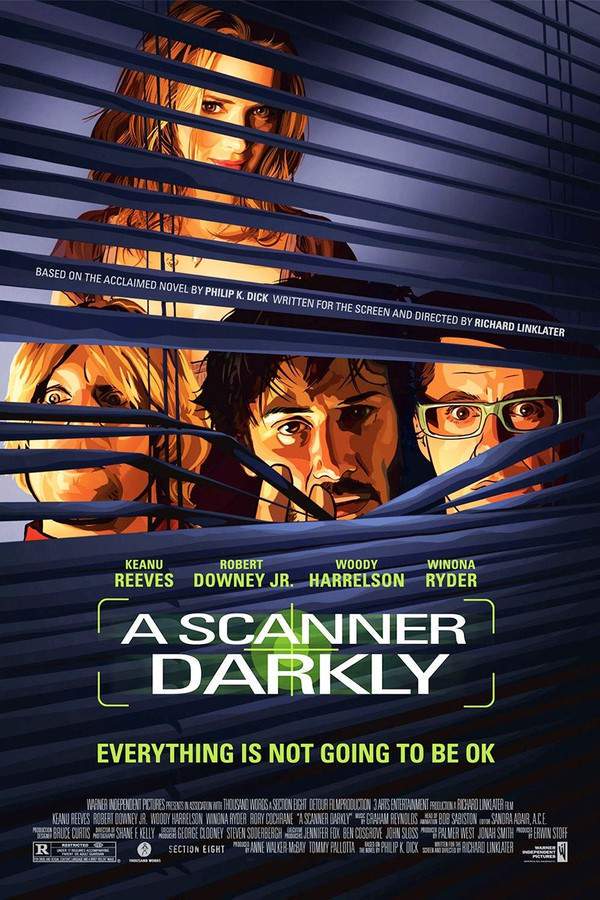
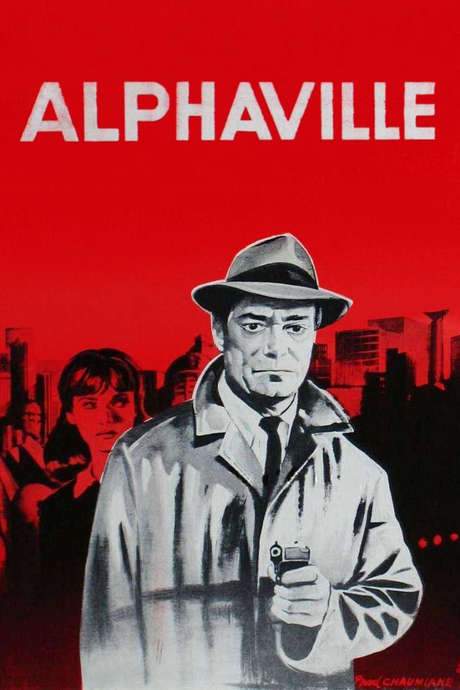
Dystopian Satires of Conformity like The Lobster

Absurd societies where rigid rules expose the cruelty of fitting in.If you liked the absurd social critique in The Lobster, explore more movies that use dystopian or surreal settings to question the rules of society and relationships. These films blend dark humor with serious themes about the cost of fitting in.

absurdsatiricalunsettlingoppressivebleakcolddystopiancritical

Narrative Summary

Stories typically follow a protagonist navigating a society with absurd, strictly enforced rules. The central conflict arises from the tension between individual desire and systemic pressure to conform, often leading to extreme choices and ambiguous outcomes that critique the system itself.

Why These Movies?

They are grouped by their shared use of a satirical, high-concept framework to explore themes of social pressure, identity, and the artificiality of prescribed relationships. The tone balances dark, intellectual humor with a palpable sense of existential unease.
Bleak and Absurdist Relationship Dramas like The Lobster

Love stories where connection is a desperate act in a cruel world.For viewers who appreciated the harsh and unconventional love story in The Lobster, this collection features movies where romance is twisted by dystopian settings or existential crises, resulting in heavy, thought-provoking emotional journeys.

bleakexistentialforbidden loveunsettlingpsychologically intenseabsurdistheavyoppressive

Narrative Summary

The narrative revolves around characters seeking connection in environments that are inherently hostile to genuine emotion. Love becomes a form of rebellion or survival, leading to intense moral dilemmas, profound sacrifices, and endings that question the very nature of the relationship.

Why These Movies?

These films share a deeply pessimistic view of romance, where love is fraught with existential danger and emotional manipulation. They combine a heavy emotional weight with an absurdist sensibility, creating a unique blend of dread, dark comedy, and poignant human struggle.

Unlock the Full Story of The Lobster

Don't stop at just watching — explore The Lobster in full detail. From the complete plot summary and scene-by-scene timeline to character breakdowns, thematic analysis, and a deep dive into the ending — every page helps you truly understand what The Lobster is all about. Plus, discover what's next after the movie.

The Lobster Summary

Read a complete plot summary of The Lobster, including all key story points, character arcs, and turning points. This in-depth recap is ideal for understanding the narrative structure or reviewing what happened in the movie.

The Lobster Summary

The Lobster Timeline

Track the full timeline of The Lobster with every major event arranged chronologically. Perfect for decoding non-linear storytelling, flashbacks, or parallel narratives with a clear scene-by-scene breakdown.

The Lobster Timeline

Characters, Settings & Themes in The Lobster

Discover the characters, locations, and core themes that shape The Lobster. Get insights into symbolic elements, setting significance, and deeper narrative meaning — ideal for thematic analysis and movie breakdowns.

Characters, Settings & Themes in The Lobster

The Lobster Spoiler-Free Summary

Get a quick, spoiler-free overview of The Lobster that covers the main plot points and key details without revealing any major twists or spoilers. Perfect for those who want to know what to expect before diving in.

The Lobster Spoiler-Free Summary

More About The Lobster

Visit What's After the Movie to explore more about The Lobster: box office results, cast and crew info, production details, post-credit scenes, and external links — all in one place for movie fans and researchers.

More About The Lobster

Similar Movies to The Lobster

Discover movies like The Lobster that share similar genres, themes, and storytelling elements. Whether you’re drawn to the atmosphere, character arcs, or plot structure, these curated recommendations will help you explore more films you’ll love.