





Plot Explained Spoilers guaranteed!
Plot Explained

Browse by genre

The Kremlin Letter (1970) movie poster

Characters & Themes

The Kremlin Letter (1970) Characters, Setting & Themes Explained

Release, runtime and language
1970 · 120 mins · English
Starring
Orson Welles, John Huston, Bibi Andersson, Niall MacGinnis, Max von Sydow, George Sanders

World War III is threatened by a single envelope. After a rogue letter falsely indicating U.S. support for a Russian assault on China arrives in Moscow, a former naval officer assembles a covert team to recover the incriminating document. Their mission unravels when a shrewd politician assaults their hideout, forcing them to confront a deeper political conspiracy.

On this page (8)
  1. 1 Where to watch
  2. 2 Characters explained (10)
  3. 3 Where & when it takes place
  4. 4 Themes & meaning (3)
  5. 5 Character & meaning questions
  6. 6 Movie threads
  7. 7 Movies like The Kremlin Letter
  8. 8 Every angle

Where to watch

Where to Watch The Kremlin Letter (1970)

Where can you watch The Kremlin Letter? Stream, rent or buy it in the US, including on YouTube TV, Amazon Video and Apple TV Store: current JustWatch availability with up-to-date prices.

Streaming availability powered by JustWatch

10 main characters · contains spoilers

The Kremlin Letter Characters Explained: Who Is Who

The main characters of The Kremlin Letter (1970), heroes and villains: what drives them, how they change over the course of the story and what each of them reveals about the film's bigger ideas.

  • Bresnavitch (Orson Welles)

    A calculating, aging mastermind who engineers cross-border schemes and leverages Polyakov’s secrets. His desire to protect his position leads to dramatic machinations and a willingness to sacrifice others to maintain influence. He embodies the era’s archetype of a shadowy power broker whose true loyalties are never fully certain.

    • 🧭 Mastermind
  • Charles Rone (Patrick O'Neal)

    A young United States Navy intelligence officer recruited into a high-stakes operation. He embodies the tension between duty and moral compromise as he navigates alliances and dangerous information. Rone drives the narrative forward with a blend of competence and wary skepticism.

    • 🛡️ Protagonist
  • The Warlock (George Sanders)

    A culturally sophisticated homosexual spy who integrates into a community of intellectuals and forms connections that unravel as the plot thickens. He embodies the era’s hidden networks and the personal costs of espionage. His arc culminates in a tragic act of self-destruction to avoid capture.

    • 🎭 Complex Identity
  • Erika Kosnov (Bibi Andersson)

    Wife of Colonel Kosnov who becomes entangled with Rone. Her liaison with Rone and knowledge of internal betrayals complicate loyalties and add a human dimension to political intrigue. She ultimately becomes a pivotal figure whose choices affect the operation’s resolution.

    • 💑 Forbidden Affection
  • B. A. (Barbara Parkins)

    A thief within the operative group who becomes entangled in the scheme and is later poisoned, signaling the high human cost of the espionage game. She represents the collateral damage that often accompanies covert operations. Her fate underscores the ruthlessness of the world the characters inhabit.

    • 🗝️ Resourceful
  • Captain Potkin (Ronald Radd)

    Soviet head of counterintelligence in the United States who becomes a focal point of leverage for the group. His position makes him a crucial gatekeeper of access to the Moscow apartment used in the operation. He embodies the high-stakes pressure points in Cold War espionage.

    • 🧩 International Intrigue
  • Colonel Kosnov (Max von Sydow)

    Senior Soviet counterintelligence official whose career arc intersects with Bresnavitch’s schemes. His trust is tested as betrayals unfold, culminating in a dramatic confrontation. Kosnov’s responses reveal the vulnerabilities of seemingly ironclad authority.

    • ⚔️ Power Struggle
  • The Kitai (Anthony Chinn)

    A Chinese spy known as The Kitai, valued for supplying names of officials and others for the heroin network. His presence marks the international reach of the letter’s significance and the volatility of cross-border intelligence. He responds with violence when pressed to purchase the letter again.

    • 🔎 Informant
  • The Highwayman (Dean Jagger)

    Leader of the old community of spies who sacrifices himself to divert counterintelligence attention away from the team. His selfless act marks a climactic moment in the mission’s arc. His terminal illness juxtaposes the fragility of life with the high demands of espionage.

    • 🛡️ Sacrifice
  • Ward (Richard Boone)

    Old partner of The Highwayman and a key operative who later reveals a dramatic identity twist. His actions escalate the plot toward a final confrontation and expose deeper loyalties. He embodies the complexity of allegiance within the spy network, culminating in pivotal choices.

    • 🗡️ Deception

Last updated: October 04, 2025 at 14:39

Was this helpful?

Setting

Where and When Does The Kremlin Letter Take Place?

The setting of The Kremlin Letter (1970): the year and time period, the places and locations, and how they shape the characters, the mood and the tension of the story.

Time period

1969

The story unfolds in the late 1960s, a period defined by intense US-Soviet rivalry and secret operations. 1969 supplies the backdrop for high-stakes espionage and shifting loyalties. The era’s paranoia and political intrigue color every decision made by the characters as they navigate a dangerous game of cat and mouse. The plot hinges on a compromised letter whose significance is amplified by the ongoing Cold War context.

Location

United States, Moscow, Soviet Union

Locations span the United States and the Soviet Union, including a vacant Moscow apartment used by counterintelligence. The United States serves as the starting point for recruitment and planning, while Moscow provides the center of Soviet counterintelligence operations. The film uses these settings to depict a tense Cold War espionage landscape.

  • 🗺️ International Settings
  • 🕵️ Espionage
  • ❄️ Cold War

Last updated: October 04, 2025 at 14:39

Was this helpful?

3 major themes

The Kremlin Letter Meaning: Themes & Message Explained

What is The Kremlin Letter (1970) really about? The emotional, social and philosophical themes the film keeps returning to, its symbolism and the message beneath the surface.

  • Betrayal and Trust

    Betrayal drives the plot as Bresnavitch manipulates others to safeguard his position, and Ward’s ultimate reveal upends the game's balance. The group’s trust frays under pressure, with allies turning into obstacles and enemies exploiting weaknesses. The pursuit of the letter exposes how personal loyalties are weaponized in a web of double-crosses. The tense atmosphere hinges on who can be trusted when lives and families hang in the balance.

  • Identity and Secrecy

    Characters hide true motives behind façades—The Warlock’s cultural persona, Janis’s prostitution network, and Bresnavitch’s public demeanor mask deeper agendas. The story probes how identity is performed in espionage, where revealing one’s hand can be fatal. Relationships blur with manipulation, complicating who truly controls the information at stake. Secrecy becomes both shield and weapon, shaping every escalating confrontation.

  • Power and Control

    The Kremlin Letter centers on a game of power between rival intelligence figures, where control over information translates into real-world influence. Bresnavitch’s manipulations pit him against Kosnov, revealing the fragility of authority within the spy world. The pursuit of the letter is less about its content and more about who wields influence over nations. The narrative turns on strategic moves, betrayals, and the high price of political advantage.

Last updated: October 04, 2025 at 14:39

Was this helpful?

Character & theme questions

The Kremlin Letter Characters & Meaning: Your Questions Answered

The questions people ask about The Kremlin Letter (1970): who the characters really are, their relationships, what the symbols mean, where it takes place and what the movie is really about. Each answer contains spoilers.

Q1

Where is The Kremlin Letter set?

The film takes place across the United States and the Soviet Union, with Moscow serving as the primary setting for Soviet counterintelligence operations. A vacant Moscow apartment functions as the team's hideout, while the United States serves as the recruitment and planning hub. These international settings create the tense Cold War espionage landscape where the mission unfolds.

  • moscow
  • soviet union
  • united states
  • locations
  • espionage
  • cold war setting
Q2

When does The Kremlin Letter take place?

The story is set in 1969, during the late 1960s Cold War era. This period is characterized by intense US-Soviet rivalry and secret intelligence operations. The political climate of paranoia and intrigue directly shapes every decision the characters make as they navigate their dangerous mission.

  • 1969
  • time period
  • cold war
  • 1960s
  • historical setting
Q3

What is the Cold War context of The Kremlin Letter?

The film is deeply embedded in Cold War tensions between the United States and the Soviet Union. The entire plot hinges on a forged letter that falsely indicates U.S. support for a Russian assault on China, creating an international incident that could trigger World War III. The era's paranoia and shifting loyalties permeate every character interaction and political machination.

  • cold war
  • world war iii
  • spy thriller
  • political conspiracy
  • us-soviet relations
Q4

What are the main themes of The Kremlin Letter?

The film explores three interconnected themes: betrayal and trust, identity and secrecy, and power and control. Betrayal drives the narrative as characters manipulate each other to protect their positions. Identity is performed and hidden, with characters concealing true motives behind façades. Power dynamics determine who controls information and, consequently, who influences nations.

  • themes
  • betrayal
  • trust
  • identity
  • secrecy
  • power
  • control
Q5

What is the theme of betrayal in The Kremlin Letter?

Betrayal is central to the film, with Bresnavitch manipulating others to safeguard his position while Ward's ultimate reveal upends the entire game's balance. Trust frays under pressure as allies become obstacles and enemies exploit weaknesses. The pursuit of the letter exposes how personal loyalties are weaponized in a web of double-crosses.

  • betrayal
  • trust
  • double cross
  • loyalties
  • manipulation
Q6

What is the theme of identity and secrecy in The Kremlin Letter?

Characters constantly hide true motives behind façades, the Warlock's cultural persona, Janis's prostitution network, and Bresnavitch's public demeanor all mask deeper agendas. The film examines how identity is performed in espionage, where revealing one's true intentions can be fatal. Secrecy becomes both shield and weapon throughout the story.

  • identity
  • secrecy
  • disguise
  • hidden motives
  • espionage
Q7

What is the theme of power and control in The Kremlin Letter?

The film centers on a power game between rival intelligence figures, where control over information translates into real-world influence. Bresnavitch's manipulations pit him against Kosnov, revealing the fragility of authority within the spy world. The pursuit of the letter becomes less about its content and more about who wields political advantage.

  • power
  • control
  • influence
  • politics
  • authority
  • intelligence
Q8

Who is Bresnavitch in The Kremlin Letter?

Bresnavitch is a calculating, aging mastermind played by Orson Welles who engineers cross-border schemes and leverages secrets from Polyakov. His desire to protect his position leads to dramatic machinations and a willingness to sacrifice others to maintain influence. He embodies the archetype of a shadowy Cold War power broker whose true loyalties remain uncertain.

  • bresnavitch
  • orson welles
  • mastermind
  • power broker
  • soviet intelligence
Q9

Who is Charles Rone in The Kremlin Letter?

Charles Rone is a young United States Navy intelligence officer played by Patrick O'Neal who is recruited into the high-stakes operation to recover the letter. He embodies the tension between duty and moral compromise as he navigates dangerous alliances and information. Rone drives the narrative forward with a blend of competence and wary skepticism.

  • charles rone
  • patrick o'neal
  • navy officer
  • protagonist
  • american spy
Q10

Who is The Warlock in The Kremlin Letter?

The Warlock is a culturally sophisticated homosexual spy played by George Sanders who integrates into a community of intellectuals. He embodies the era's hidden networks and the personal costs of espionage. His arc culminates in a tragic act of self-destruction to avoid capture, highlighting the personal toll of covert work.

  • the warlock
  • george sanders
  • homosexual spy
  • cultural
  • intellectual
Q11

Who is Erika Kosnov in The Kremlin Letter?

Erika Kosnov is the wife of Colonel Kosnov, played by Bibi Andersson, who becomes entangled with Rone. Her liaison with Rone and knowledge of internal betrayals complicate loyalties and add a human dimension to the political intrigue. She becomes a pivotal figure whose choices ultimately affect the operation's resolution.

  • erika kosnov
  • bibi anderson
  • colonel kosnov wife
  • liaison
Q12

Who is Colonel Kosnov in The Kremlin Letter?

Colonel Kosnov is a senior Soviet counterintelligence official played by Max von Sydow whose career intersects with Bresnavitch's schemes. His trust is tested as betrayals unfold, leading to a dramatic confrontation. His character reveals the vulnerabilities of seemingly ironclad authority in the spy world.

  • colonel kosnov
  • max von sydow
  • soviet counterintelligence
  • senior official

Movie threads

More Movies Like The Kremlin Letter, by Mood & Story

Curated lists built around what makes The Kremlin Letter tick: the same mood, the same kind of story or the same emotional payoff. Each list explains why these movies belong together.

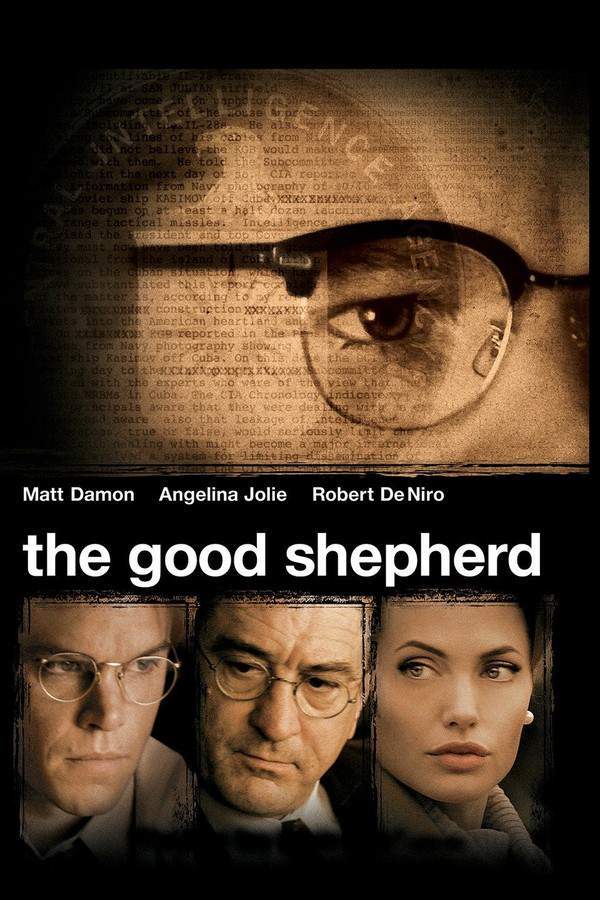
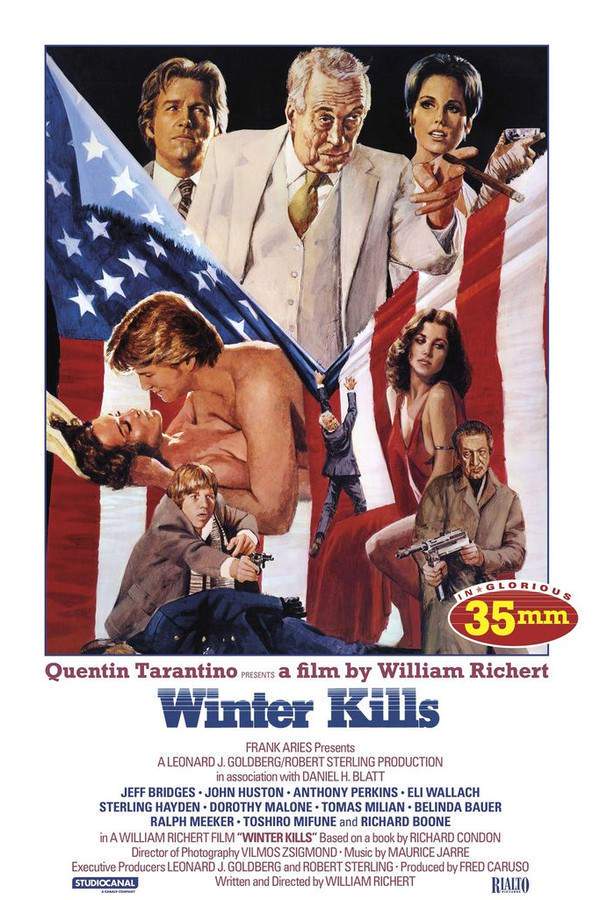
Complex Cold War spy stories like The Kremlin Letter

Stories of agents navigating a treacherous web of lies and shifting allegiances. If you enjoyed the intricate deceptions of The Kremlin Letter, explore more movies like it. This collection features complex spy thrillers filled with political intrigue, double agents, and morally compromised missions set against the tense backdrop of the Cold War.

  • paranoid
  • claustrophobic
  • treacherous
  • suspenseful
  • morally grey
  • cold war
  • Tone: tense, dark, cynical
  • Pacing: fast, intricate
Why these movies?

The story pattern: Narratives in this thread are defined by their complexity, often featuring a large cast of characters with obscured motives. The plot unfolds as a puzzle, where each revelation deepens the mystery and raises the stakes, typically culminating in a moment of profound betrayal or moral downfall.

Why they belong together: Movies are grouped here for their shared focus on the labyrinthine nature of intelligence work, a pervasive atmosphere of paranoia, and stories where the political mission often destroys the individual's moral compass.
Bleak stories of moral compromise like The Kremlin Letter

Journeys where survival requires a devastating sacrifice of one's principles. Fans of the devastating ending of The Kremlin Letter will find similar movies here. These are heavy dramas and thrillers about missions that end in moral ruin, where characters must make horrific choices to survive in a corrupt or ruthless world.

  • bleak
  • morally grey
  • treacherous
  • heavy
  • dark
  • ruthless
  • Tone: dark, bleak, cynical
  • Pacing: fast, relentless
Why these movies?

The story pattern: The defining pattern is a protagonist gradually forced into increasingly heinous acts for a cause that may be futile or corrupt. The journey is emotionally heavy, focusing on the psychological cost of survival, and culminates in a bleak ending where the protagonist is irreparably damaged.

Why they belong together: These films are united by a shared narrative arc of moral decay, a dark and cynical tone, and an emotionally heavy viewing experience that leaves the audience with a sense of profound loss rather than catharsis.

If you liked this

Movies Like The Kremlin Letter

Similar movies to The Kremlin Letter: the same genre, themes or kind of story. Each one comes with its own plot summary, timeline and ending explained.

Browse all movie summaries

Every angle

The Kremlin Letter (1970) Explained: Plot, Timeline & Characters

Everything about The Kremlin Letter in one place: what happens in the plot summary, the timeline in chronological order, the characters and meaning and a spoiler-free summary. What's After the Movie adds the cast, box office and post-credit scenes.

Coming soon on iOS and Android

The Plot Explained Movie Summary App

Plot summaries, endings explained and timelines on your phone. Catch up on any movie in minutes, save your favorites and never miss a twist again.

Be the first to know when we launch. Your email stays private, always.

Learn more about the app