Plot Explained Spoilers guaranteed!
Plot Explained

Browse by genre

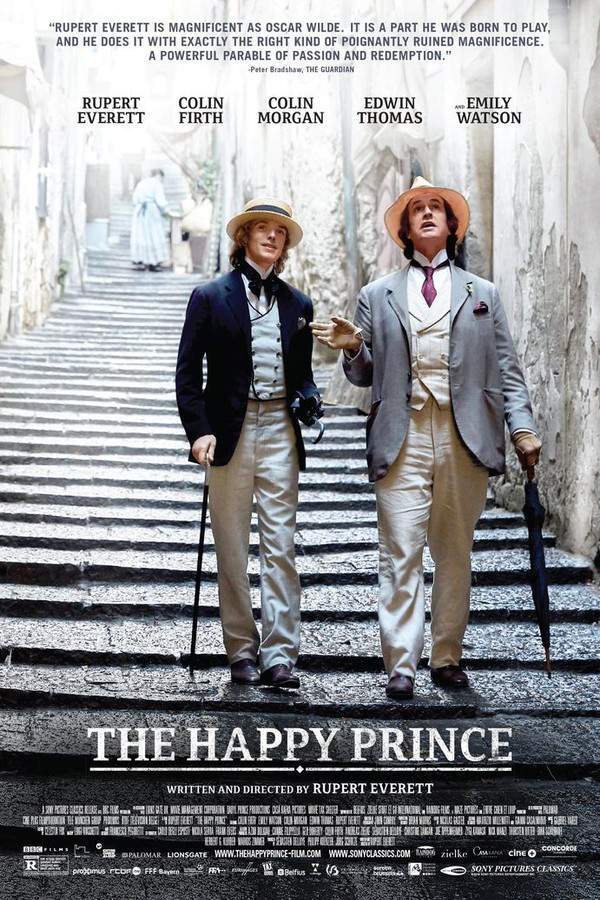
The Happy Prince (2018) movie poster

Plot Summary

The Happy Prince (2018) Plot Summary Explained

Release, runtime and language
2018 · 105 min · English
Echo score 69
Loading streaming availability…
Starring
Emily Watson, Colin Firth, Tom Wilkinson, Colin Morgan, Béatrice Dalle, Anna Chancellor

As Oscar Wilde’s life nears its end in a Parisian hotel room, he’s haunted by memories of his past. He recalls his rise to fame as a celebrated figure in London, the societal backlash that stifled his artistic expression, and the passionate, yet ultimately doomed, relationships he experienced while seeking freedom. Reflecting on his mortality, Wilde confronts unresolved issues with his former wife, Constance, the painful repercussions of his relationship with Lord Alfred Douglas, and the desperate efforts of Robbie Ross to prevent his downfall.

On this page (6)
  1. 1 Where to watch
  2. 2 What happens: full plot
  3. 3 Plot questions answered
  4. 4 Movie threads
  5. 5 Movies like The Happy Prince
  6. 6 Every angle
Loading streaming availability…

Full plot summary · contains spoilers

What Happens in The Happy Prince: Full Plot Summary

The whole story of The Happy Prince (2018) explained, from the opening scene to the final frame: every key event, every twist and what it all adds up to. Read it as a quick recap before the sequel, to check a scene you missed, or to finally understand what really happened.

In 1897, the renowned writer Oscar Wilde, portrayed by Rupert Everett, emerges from prison after enduring a sentence for gross indecency. Separated from his beloved wife, Constance Wilde, and their children, he makes his way to Dieppe, where he is greeted by loyal friends Reggie Turner and Robert Ross. Adopting the alias Sebastian Melmoth, he strives to piece his life back together, attempting to reconcile with Constance through heartfelt letters that sadly go unanswered.

However, Oscar's newfound freedom is marred by the unwanted attention of young Englishmen who mock him. In desperation, he retreats to a church, where he finds himself in a violent confrontation with his pursuers. This incident catches the attention of the police, who deliver stern warnings to him.

Oscar soon embarks on a path that rekindles a relationship with his former lover, Bosie Douglas, played by Colin Morgan. This reunion creates tension with Robbie, whose suppressed feelings for Oscar leave him feeling betrayed. Together, Oscar and Bosie escape to Naples, embracing a life devoid of societal norms, indulging in their libertine desires. However, the financial support from Bosie's mother dwindles as she demands her son sever ties with Oscar. Despite their love, the couple succumbs to her demand and separates. Tragedy strikes when Constance passes away following surgery, leading to the heartbreaking loss of any contact with their children for Oscar.

Now lost for inspiration and in deep despair, Oscar relocates to Paris, relying on the kindness of old friends. His quest for solace reunites him with Reggie and Robbie, but he is met with disappointment as Bosie, now wealthy after inheriting from his father, coldly denies him support. Meanwhile, Oscar's health spirals downward; he experiences phantom ailments he suspects are linked to syphilis, though he attributes them to mussel poisoning.

In his darkest moments, Oscar connects with two impoverished brothers, sharing in their sorrows. The elder becomes a close companion, while the younger yearns to hear the enchanting tale of The Happy Prince, a story Oscar once told his children. As Oscar's condition deteriorates, he undergoes a painful operation for an ear abscess, which leads to severe infections post-surgery. With dwindling strength, he requests the extreme unction of the Catholic church in his final hours, passing away surrounded by a few steadfast friends.

At his funeral, Robbie confronts Bosie, accusing him of hypocrisy for mourning the man he abandoned. Bosie's retort reveals his belief that he alone will be remembered alongside Oscar, while Robbie risks fading into obscurity. The poignant closing headlines reveal the fates of these intertwined lives: Bosie dies in solitude and poverty in 1945, while Robbie, who passed away in 1918, lies in a grave shared with Oscar himself. Remarkably, it was not until 2017 that Oscar was pardoned along with others wronged by laws against homosexuality.
Last updated: November 15, 2024 at 18:06

Was this helpful?

Plot questions answered

The Happy Prince Plot Explained: Your Questions Answered

The questions people ask most about The Happy Prince (2018): what happens in the confusing scenes, why the characters do what they do, the twists, hidden details and what the ending means. Each answer contains spoilers.

Q1

Why was Oscar Wilde sent to prison?

Oscar Wilde was sentenced to two years of hard labor for gross indecency, which was the Victorian-era legal term used to prosecute homosexuality. His conviction was the result of his public relationship with Lord Alfred Douglas (Bosie) and the subsequent scandal involving Douglas's father, the Marquess of Queensberry, who accused Wilde of sodomy.

  • oscar wilde prison
  • gross indecency
  • victorian homosexuality laws
  • lord alfred douglas
Q2

Why did Constance ignore Oscar's letters after his release?

Constance Wilde never responded to Oscar's letters because she felt deeply betrayed by his affair with Bosie and the scandal that destroyed her family's social standing. After the trial, she changed her surname to Holland to distance herself and her children from the controversy, and she ultimately kept Oscar away from their sons.

  • constance wilde
  • oscar wilde wife
  • family separation
Q3

Why did Robbie Ross feel betrayed by Oscar's reunion with Bosie?

Robert Ross had romantic feelings for Oscar Wilde that he kept hidden throughout their friendship. When Oscar rekindled his relationship with Bosie, Robbie felt especially betrayed because he had been the one who stood by Oscar during and after his imprisonment, while Bosie had largely abandoned him during the trial.

  • robert ross
  • robbie ross
  • oscar wilde friend
  • unrequited love
Q4

Why did Bosie Douglas leave Oscar in Naples?

Bosie Douglas was forced to separate from Oscar because his mother, Lady Queensberry, cut off their financial support. She demanded Bosie end his relationship with Oscar or lose his inheritance. Despite their love for each other, Bosie chose to return to his family and accept the financial security they offered.

  • bosie douglas
  • lord alfred douglas
  • queensberry
  • financial dependence
Q5

What happened to Constance Wilde after the scandal?

Constance Wilde changed her name to Constance Holland and moved to Switzerland with her two sons to escape the social stigma of Oscar's conviction. She died in 1898 at age 38 following a surgery for a spinal condition. Her death permanently severed Oscar's contact with their children.

  • constance wilde death
  • oscar wilde children
  • exile
Q6

Why did Oscar Wilde's health deteriorate in Paris?

Oscar Wilde's health declined rapidly in Paris due to a combination of factors: the emotional trauma of his downfall, heavy drinking, and a painful ear abscess that required surgery. The operation led to severe infections, and he suspected he had contracted syphilis, though his doctors believed his symptoms came from mussel poisoning.

  • oscar wilde health
  • ear abscess
  • syphilis
  • paris death
Q7

What is the significance of The Happy Prince in the film?

The Happy Prince is Oscar Wilde's famous children's fairy tale about a golden statue and a swallow who sacrifice themselves to help others. The younger impoverished brother asks to hear this story because Oscar had originally written and told it to his own children, making it a poignant reminder of everything he lost, his family, his creative voice, and his former life.

  • the happy prince
  • oscar wilde fairy tale
  • children story
Q8

Why was Oscar Wilde pardon7?

  • oscar wilde pardon
  • homosexuality decriminalization
  • lgbt rights
Q9

Why did Oscar Wilde request extreme unction before dying?

Oscar Wilde requested extreme unction (the Catholic last rites) in his final hours, despite having previously distanced himself from the Church. This request reflected his deep spiritual crisis and desperate search for absolution as he faced death alone, abandoned by most of society and separated from his family.

  • extreme unction
  • catholic rites
  • oscar wilde religion
  • final hours
Q10

Why is Robbie Ross buried in the same grave as Oscar Wilde?

Robert Ross was buried with Oscar Wilde in Paris's Père Lachaise Cemetery in 1918 because he had requested to be interred alongside his longtime friend. Ross had been one of Oscar's most loyal companions throughout his life and remained devoted to him even after others abandoned Wilde.

  • robert ross grave
  • pere lachaise
  • oscar wilde burial
Q11

What happened to Bosie Douglas after Oscar's death?

After Oscar Wilde's death, Bosie Douglas eventually inherited wealth from his father but refused to help Oscar during his final years. He married and had children but died in poverty and solitude in 1945. At Oscar's funeral, Robbie confronted him for abandoning the man he claimed to love, to which Bosie replied that history would remember only him, not Robbie.

  • bosie douglas death
  • lord alfred douglas fate
  • 1945
Q12

Why did Oscar Wilde use the alias Sebastian Melmoth?

Oscar Wilde adopted the alias Sebastian Melmoth after his release from prison. Sebastian was the name of a saint who suffered persecution, while Melmoth was the surname of his maternal grandfather. This new identity represented his attempt to start fresh and escape the notoriety of his former life.

  • sebastian melmoth
  • oscar wilde alias
  • new identity

Movie threads

More Movies Like The Happy Prince, by Mood & Story

Curated lists built around what makes The Happy Prince tick: the same mood, the same kind of story or the same emotional payoff. Each list explains why these movies belong together.

Tragic biographies of artists like The Happy Prince

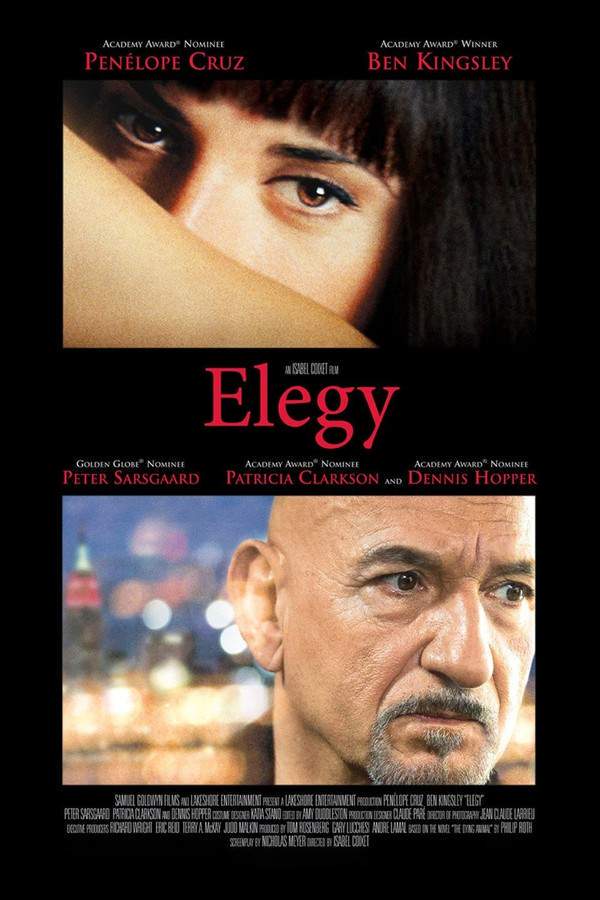
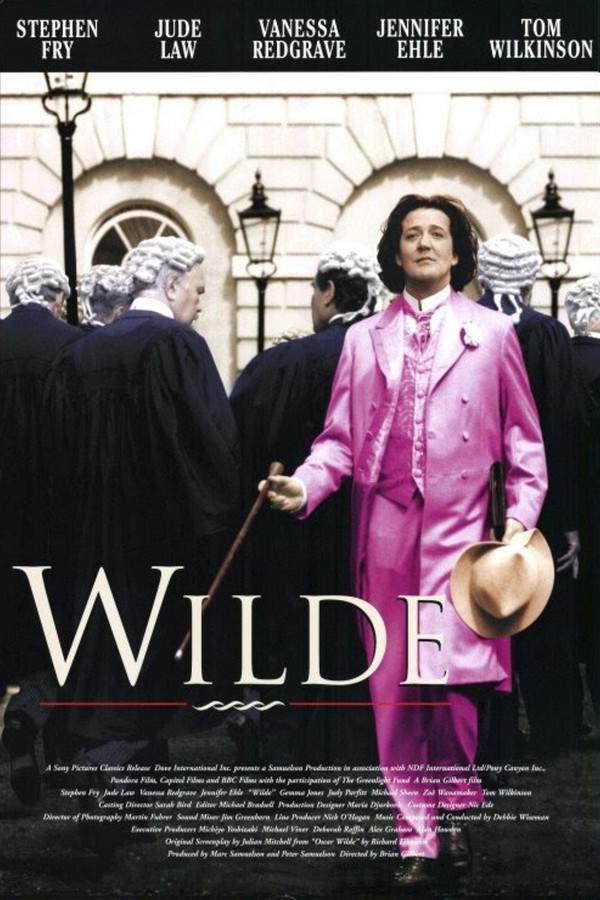
Movies that document the painful downfall of brilliant creative minds. For viewers moved by The Happy Prince, this collection highlights movies like it that explore the sorrowful final chapters of iconic creative figures. Find similar biographical dramas about artists confronting downfall, despair, and mortality.

  • tragic
  • melancholic
  • somber
  • grief-stricken
  • reflective
  • lonely
  • Tone: melancholic, tragic
  • Pacing: slow, reflective
Why these movies?

The story pattern: These films typically follow a non-linear or reflective structure, contrasting the peak of an individual's fame and talent with their eventual ruin. The narrative centers on the internal and external forces—be it addiction, persecution, or personal folly—that contribute to a poignant, inevitable tragic arc.

Why they belong together: Movies in this thread are grouped by their shared focus on the melancholic end of an artist's journey, blending historical detail with heavy emotional weight. They share a somber tone, deliberate pacing, and a deep empathy for their subjects, creating a consistently reflective and heartbreaking viewing experience.

Movies about mortality and regret like The Happy Prince

Stories of characters looking back on a life filled with pain and missed chances. If you liked the reflective, grief-stricken mood of The Happy Prince, explore these similar movies about characters confronting their mortality. Discover other slow-paced, heavy dramas focused on life review, regret, and poignant endings.

  • reflective
  • somber
  • melancholic
  • grief
  • lonely
  • contemplative
  • Tone: melancholic, somber, reflective
  • Pacing: slow, contemplative
Why these movies?

The story pattern: The narrative pattern is introspective and non-linear, moving between a somber present and key moments from the past. The central conflict is internal: a character's struggle to make peace with their mistakes, failed relationships, and their own impending death, often leading to a profoundly sad but cathartic conclusion.

Why they belong together: These films are connected by their deeply melancholic atmosphere and their focus on the universal experience of reviewing one's life with a sense of loss. They share a slow, deliberate pace that allows for contemplation, a high emotional intensity centered on grief, and a consistently heavy, reflective tone.

If you liked this

Movies Like The Happy Prince

Similar movies to The Happy Prince: the same genre, themes or kind of story. Each one comes with its own plot summary, timeline and ending explained.

Browse all movie summaries

Every angle

The Happy Prince (2018) Explained: Plot, Timeline & Characters

Everything about The Happy Prince in one place: what happens in the plot summary, the timeline in chronological order, the characters and meaning and a spoiler-free summary. What's After the Movie adds the cast, box office and post-credit scenes.

Coming soon on iOS and Android

The Plot Explained Movie Summary App

Plot summaries, endings explained and timelines on your phone. Catch up on any movie in minutes, save your favorites and never miss a twist again.

Be the first to know when we launch. Your email stays private, always.

Learn more about the app