Plot Explained Spoilers guaranteed!
Plot Explained

Browse by genre

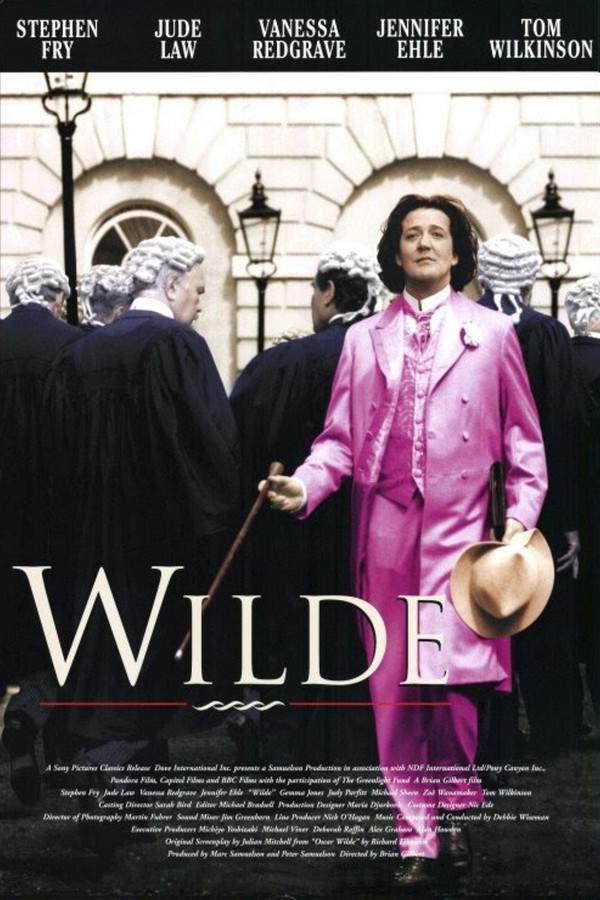
Wilde (1998) movie poster

Plot Summary

Wilde (1998) Plot Summary Explained

Release, runtime and language
1998 · 118 min · English
Loading streaming availability…
Directed by
Brian Gilbert
Starring
Michael Sheen, Jude Law, Ioan Gruffudd, Vanessa Redgrave, Jennifer Ehle, Gemma Jones

The story follows the celebrated playwright Oscar Wilde and his passionate relationship with Lord Alfred Douglas. Their romance blossoms against the backdrop of Victorian society, but their happiness is threatened by a conflict with Douglas's disapproving father. This escalating feud leads to a devastating downfall for Wilde, marked by legal battles and a profound sense of loss and despair.

On this page (6)
  1. 1 Where to watch
  2. 2 What happens: full plot
  3. 3 Plot questions answered
  4. 4 Movie threads
  5. 5 Movies like Wilde
  6. 6 Every angle
Loading streaming availability…

Full plot summary · contains spoilers

What Happens in Wilde: Full Plot Summary

The whole story of Wilde (1998) explained, from the opening scene to the final frame: every key event, every twist and what it all adds up to. Read it as a quick recap before the sequel, to check a scene you missed, or to finally understand what really happened.

During his 1882 lecture tour in the United States, Oscar Wilde visits Leadville, Colorado. His flamboyant personality and urbane wit win over the local silver miners as he regales them with tales about Renaissance silversmith Benvenuto Cellini.

Back in London, Wilde marries Constance Lloyd and the couple welcome two sons in quick succession. While their second child is still an infant, they host a young Canadian named Robbie Ross, who seduces Wilde, and Ross's love for him endures.

On the opening night of his play Lady Windermere's Fan, Wilde is re-introduced to the dashingly handsome and foppish poet Bosie Lord Alfred Douglas, and the two fall into a passionate and tempestuous relationship. The bond is marked by hedonism: Bosie is not content to remain monogamous and frequently engages in sexual activity with rent boys while Wilde plays the role of voyeur.

Bosie's father, the Marquess of Queensberry, a violent and cruel man, objects to the affair and publicly demeans Wilde after the opening of The Importance of Being Earnest. When Wilde sues the Marquess for criminal libel, his homosexuality is publicly exposed, and he is eventually tried for gross indecency and sentenced to two years' hard labor. Constance is advised by friends to go abroad and change her name to protect the children.

Prison life is grueling; the penal treadmill permanently wrecks Wilde's health. Bosie tells Robbie he will look after Wilde in some pleasant sunny place when he is released. Constance visits him in prison, and she is sending Cyril to school in Germany, and she may need back surgery. He tells her he has always loved her, and that he did not know himself in the beginning. She tells him she does not want a divorce. The children love him and he is welcome to visit as long as he never sees Bosie again.

Loyal friend Ada Leverson meets Wilde when he is released from prison in May 1897, carrying the manuscript of De Profundis. He goes straight into exile, to continental Europe, and later places flowers on Constance's grave. Since she died in April 1898, he is no longer allowed to see his children. He eventually meets with Douglas. A printed epilogue notes that they parted after three months and describes Wilde's death in Paris in November 1900 at age 46, alongside the fates of Bosie and Ross.

Portions of the beloved Wilde story The Selfish Giant are woven throughout the film, beginning when Wilde tells the story to his children, then as Constance reads the book to them and so on until Wilde almost finishes the story in a voice-over as the film nears its end.
Last updated: November 22, 2025 at 15:57

Was this helpful?

Plot questions answered

Wilde Plot Explained: Your Questions Answered

The questions people ask most about Wilde (1998): what happens in the confusing scenes, why the characters do what they do, the twists, hidden details and what the ending means. Each answer contains spoilers.

Q1

Why did Oscar Wilde sue the Marquess of Queensberry for criminal libel?

Wilde sued Queensberry for criminal libel after the Marquess publicly insulted him by leaving a card at Wilde's club calling him a "posing somdomite." Wilde believed he could win the case and silence his accuser, but the legal process forced him to deny the allegations under oath, and Queensberry's defense team used Wilde's own admissions and witness testimony to prove the truth of the accusation. Rather than protecting his reputation, the trial exposed Wilde's homosexuality to the public and led to his arrest.

Foreshadowing: The film's earlier depiction of Wilde and Bosie's open relationship in London social circles planted the seeds for this public exposure.

  • queensberry libel suit
  • wilde trial
  • homosexuality exposure
  • lord alfred douglas
Q2

Why did Oscar Wilde continue his relationship with Bosie despite the obvious risks?

Wilde was deeply infatuated with Bosie, describing him as "the love that dare not speak its name" in his later writings. Despite warnings from friends like Robbie Ross and the obvious danger posed by Bosie's powerful father, Wilde could not resist Bosie's charm and the intensity of their passion. The relationship was marked by Wilde's willingness to overlook Bosie's infidelities with rent boys, even participating as a voyeur, which reflected the unequal power dynamic and Wilde's desperate desire to maintain the connection.

Foreshadowing: The opening night encounter establishes the immediate magnetic pull between them that drives the rest of the tragedy.

  • oscar wilde
  • bosie douglas
  • lord alfred douglas
  • passionate relationship
Q3

What happened to Oscar Wilde's children after his imprisonment?

After Wilde was imprisoned, Constance was advised by friends to move abroad and change her surname to protect the children from social stigma. She sent their son Cyril to school in Germany and eventually died in April 1898. Because Constance had passed away and Wilde was in exile, he was legally prohibited from seeing his children. The film shows Wilde visiting Constance's grave in mourning, symbolically marking the permanent loss of his family connection.

Foreshadowing: The scenes of Wilde reading The Selfish Giant to his children early in the film establish the father-child bond that would later be severed.

  • constance wilde
  • cyril wilde
  • children
  • wilde family exile
Q4

Why did Oscar Wilde reunite with Bosie after being released from prison?

Despite the catastrophic consequences Bosie's father had brought upon him, Wilde reunited with Bosie in exile in 1898. During Wilde's imprisonment, Bosie had told Robbie Ross he would look after Wilde in a pleasant sunny place once released, and Wilde appears to have clung to this promise. Their reunion was short-lived, lasting only about three months before they parted again. This reunion reflects Wilde's emotional vulnerability and inability to fully break free from his destructive attachment to Bosie, even after the relationship destroyed his career, health, and family.

Foreshadowing: In prison, Wilde's letters reveal his conflicted feelings about Bosie, showing he never fully let go despite the betrayal.

  • wilde bosie reunion
  • exile
  • de profundis
  • alfred douglas
Q5

What was the nature of Oscar Wilde's relationship with Robbie Ross?

Robbie Ross, a young Canadian, seduced Wilde while staying at the Wilde household during Constance's second pregnancy. Unlike Bosie, Robbie's love for Wilde was enduring and loyal. He remained a faithful friend throughout Wilde's life, visiting him in prison and later helping him after release. The film depicts Ross as the more selfless lover, in contrast to the selfish Bosie. Robbie would eventually become a prominent figure in Wilde's life, serving as a counterpoint to Bosie's betrayal.

Foreshadowing: Robbie's early seduction of Wilde establishes the pattern of Wilde's same-sex relationships that would later become public.

  • robbie rose
  • wilde lover
  • loyal friend
  • same-sex relationship
Q6

Why was Oscar Wilde sentenced to two years' hard labor for gross indecency?

Wilde was convicted of gross indecency under Section 11 of the Criminal Law Amendment Act 1885, which criminalized "any act of gross indecency between male persons." The conviction was based on testimony from male witnesses who described sexual encounters with Wilde and Bosie. Victorian society's strict laws against homosexuality, combined with the public nature of the libel trial that exposed Wilde's private life, led to the harsh sentence that permanently damaged his health through the grueling penal treadmill and isolation.

Foreshadowing: The film shows Wilde and Bosie engaging in open sexual activities in London, which directly provided evidence for the prosecution.

  • gross indecency
  • hard labor
  • victorian law
  • imprisonment
  • wilde trial
Q7

Why did Constance Lloyd stay married to Oscar Wilde despite his affairs?

Constance remained married to Wilde even after discovering his homosexuality and enduring the scandal. During her prison visit, she told Wilde she did not want a divorce. She continued to manage the household, raised their two sons, and even considered sending Wilde money in exile. Despite the heartbreak and social shame she suffered, Constance maintained a sense of loyalty and possibly love for Wilde until her death in 1898. The marriage reflected the complex position of women in Victorian society, where divorce carried significant stigma.

Foreshadowing: The early domestic scenes show a seemingly happy marriage, contrasting with the later emotional devastation.

  • constance lloyd
  • wife
  • marriage
  • victorian society
  • loyalty
Q8

What is the significance of The Selfish Giant story woven throughout the film?

The Selfish Giant, one of Wilde's beloved fairy tales, serves as a thematic mirror to his own life. The story about a giant who learns to share his garden with children, suffers through winter, and ultimately finds redemption through a small boy's gesture of kindness, parallels Wilde's journey from celebrated genius to exiled outcast. The film uses the story's recurring readings to anchor themes of generosity, fame, family, and redemption. The closing voice-over of Wilde almost finishing the story as he dies in Paris connects his personal fate to the giant's ultimate salvation.

Foreshadowing: The first telling of The Selfish Giant to his children establishes the emotional anchor that persists throughout the film.

  • selfish giant
  • fairy tale
  • thematic motif
  • wilde story
  • symbolism
Q9

Why was the Marquess of Queensberry so hostile toward Oscar Wilde?

The Marquess of Queensberry was violently opposed to his son Bosie's relationship with Wilde, viewing it as a scandalous perversion that threatened family honor. Queensberry was known as a cruel and aggressive man who publicly confronted Wilde at the opening of The Importance of Being Earnest. His campaign to expose and destroy Wilde was driven by Victorian moral standards and his own embarrassment at his son's behavior. The public confrontation and insult cards led directly to Wilde's fateful decision to sue for libel, setting the legal chain of events in motion.

Foreshadowing: The film establishes Queensberry's violent character early, showing he is capable of extreme action.

  • marquess of queensberry
  • father conflict
  • lord alfred douglas family
  • victorian honor
Q10

What impact did imprisonment have on Oscar Wilde's health?

The two years of hard labor permanently destroyed Wilde's health. The penal treadmill, a grueling physical punishment, caused lasting damage to his body. By the time of his release in May 1897, Wilde was a broken man. The film depicts his weakened state upon release, meeting Ada Leverson while carrying the De Profundis manuscript. His deteriorating health would contribute to his early death in Paris in 1900 at age 46, just four years after leaving prison.

Foreshadowing: The brutal conditions of Victorian prisons were established earlier in the film through Wilde's knowledge of historical prison conditions.

  • prison health
  • hard labor
  • de profundis
  • early death
  • wilde physical decline
Q11

Why did Bosie not fulfill his promise to care for Wilde after release?

While Bosie told Robbie Ross he would look after Wilde in exile, the film reveals this promise was largely hollow. After Wilde's release in 1897, Bosie did reunite with him briefly, but they parted after only three months. Bosie's pattern of selfishness throughout the relationship, he sought other partners while Wilde remained loyal, continued after prison. The film's depiction shows Bosie as parasitic rather than genuinely supportive, contributing to Wilde's continued emotional suffering in exile.

Foreshadowing: Throughout the relationship, Bosie's self-centered behavior and infidelities were established as recurring patterns.

  • bosie betrayal
  • exile promise
  • relationship breakdown
  • wilde abandonment

Movie threads

More Movies Like Wilde, by Mood & Story

Curated lists built around what makes Wilde tick: the same mood, the same kind of story or the same emotional payoff. Each list explains why these movies belong together.

Movies about tragic forbidden romance like Wilde

Stories of celebrated artists undone by their passions against societal condemnation. If you liked Wilde's depiction of passionate love clashing with societal norms, explore these similar films. This collection features romantic biographical dramas about artists and thinkers facing persecution, offering more stories of forbidden love and tragic downfall like the one in Wilde.

  • tragic
  • melancholic
  • romantic
  • oppressive
  • heartbreaking
  • reflective
  • Tone: melancholic, tragic, romantic
  • Pacing: steady, methodical
Why these movies?

The story pattern: Films in this thread often follow a linear ascent and downfall structure. They begin by establishing the protagonist's talent and success, then introduce a passionate but socially unacceptable relationship. This love becomes the catalyst for a devastating conflict with authority, leading to a public scandal, legal persecution, and a final, melancholic exile or demise.

Why they belong together: Movies are grouped here for their shared focus on the destruction of artistic genius by societal intolerance. They share a heavy emotional weight, a melancholic tone driven by irreversible loss, and a central theme of forbidden love as both inspiration and ruin.

Oppressive Victorian-era dramas similar to Wilde

Period pieces where strict social codes mask cruelty and lead to personal ruin. For viewers who appreciated the oppressive atmosphere and social critique in Wilde, this list offers more movies like it. Discover similar period dramas that capture the melancholic vibe and explore themes of hypocrisy and forbidden desire in rigid historical settings, perfect for fans of Wilde.

  • oppressive
  • melancholic
  • victorian
  • gothic
  • heartbreaking
  • reflective
  • Tone: melancholic, oppressive, reflective
  • Pacing: steady, deliberate
Why these movies?

The story pattern: The narrative pattern involves individuals or couples navigating a world of strict, unyielding social rules. A secret—often a romance or personal truth—threatens to surface, creating a slow-building tension. The climax typically involves a public exposure that shatters the protagonist's life, leading to exile, imprisonment, or a profound sense of despair, highlighting the brutality lurking beneath a veneer of civility.

Why they belong together: These films are united by their specific historical atmosphere—the oppressive weight of Victorian (or Victorian-like) society—and the melancholic tone that arises from characters being crushed by its hypocrisy. The pacing is usually steady, building tension methodically towards an inevitable, sad conclusion.

If you liked this

Movies Like Wilde

Similar movies to Wilde: the same genre, themes or kind of story. Each one comes with its own plot summary, timeline and ending explained.

Browse all movie summaries

Every angle

Wilde (1998) Explained: Plot, Timeline & Characters

Everything about Wilde in one place: what happens in the plot summary, the timeline in chronological order, the characters and meaning and a spoiler-free summary. What's After the Movie adds the cast, box office and post-credit scenes.

Coming soon on iOS and Android

The Plot Explained Movie Summary App

Plot summaries, endings explained and timelines on your phone. Catch up on any movie in minutes, save your favorites and never miss a twist again.

Be the first to know when we launch. Your email stays private, always.

Learn more about the app