Plot Explained Spoilers guaranteed!
Plot Explained

Browse by genre

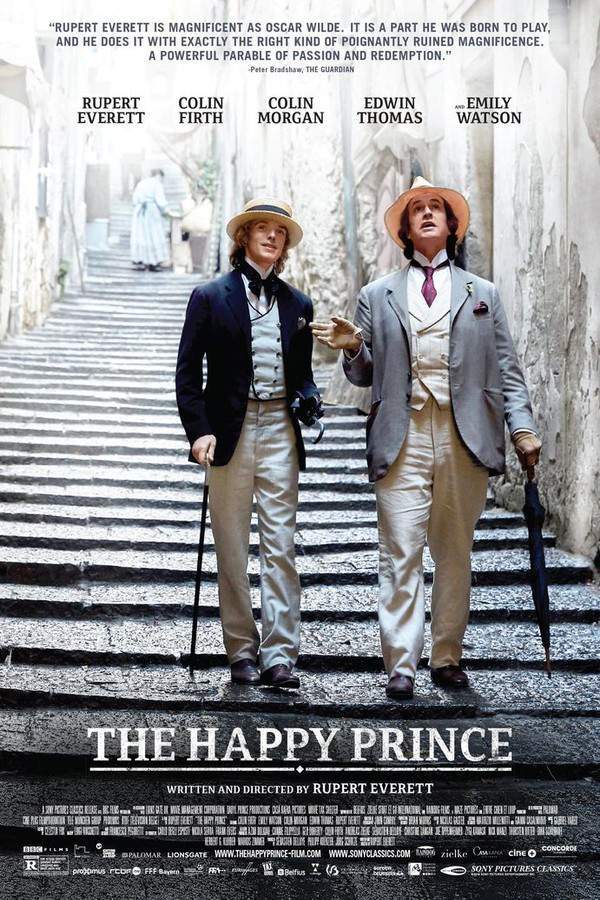
The Happy Prince (2018) movie poster

Characters & Themes

The Happy Prince (2018) Characters, Setting & Themes Explained

Release, runtime and language
2018 · 105 min · English
Echo score 69
Loading streaming availability…
Starring
Emily Watson, Colin Firth, Tom Wilkinson, Colin Morgan, Béatrice Dalle, Anna Chancellor

As Oscar Wilde’s life nears its end in a Parisian hotel room, he’s haunted by memories of his past. He recalls his rise to fame as a celebrated figure in London, the societal backlash that stifled his artistic expression, and the passionate, yet ultimately doomed, relationships he experienced while seeking freedom. Reflecting on his mortality, Wilde confronts unresolved issues with his former wife, Constance, the painful repercussions of his relationship with Lord Alfred Douglas, and the desperate efforts of Robbie Ross to prevent his downfall.

On this page (9)
  1. 1 Where to watch
  2. 2 Characters explained (5)
  3. 3 Character relationship map
  4. 4 Where & when it takes place
  5. 5 Themes & meaning (3)
  6. 6 Character & meaning questions
  7. 7 Movie threads
  8. 8 Movies like The Happy Prince
  9. 9 Every angle
Loading streaming availability…

5 main characters · contains spoilers

The Happy Prince Characters Explained: Who Is Who

The main characters of The Happy Prince (2018), heroes and villains: what drives them, how they change over the course of the story and what each of them reveals about the film's bigger ideas.

  • Oscar Wilde

    played by Rupert Everett

    Oscar Wilde is a complex figure marked by brilliance and tragedy. Once a revered writer, his life spiraled into despair after imprisonment, reflecting his inner conflicts between societal expectations and personal desires. His relationships reveal deep emotional layers, oscillating between love, longing, and isolation.

    • 📖 Writer
    • 😞 Tragic Hero
    • 🏳️‍🌈 LGBTQ Icon
  • Constance Wilde

    played by Emily Watson

    Constance Wilde embodies the pain of loss and sacrifice throughout Oscar's story. As Oscar's estranged wife, her enduring love is palpable despite their separation. Her tragic fate serves as a poignant reminder of the personal toll inflicted by societal norms and family ties.

    • ❤️ Heartbroken
    • 👩‍❤️‍👨 Devoted
    • 😣 Pain
  • Bosie Douglas

    played by Colin Morgan

    Bosie Douglas is both a source of passion and conflict in Oscar's life. Their intense romance is marked by both devotion and turmoil, ultimately challenged by external pressures from society and family. Bosie's complex character oscillates between supporter and betrayer, reflecting the challenges of love in a hostile world.

    • 💔 Lover
    • 🔥 Passionate
    • ⚔️ Conflict
  • Reggie Turner

    played by Colin Firth

    Reggie Turner stands as a loyal friend to Oscar, embodying unwavering support amid chaos. His commitment to Oscar highlights the importance of friendship in turbulent times. Reggie's character represents the solace found in companionship despite the encroaching sadness surrounding Oscar's life.

    • 👫 Loyal Friend
    • 🌹 Supportive
    • 🕊️ Compassionate
  • Robbie Ross

    played by Edwin Thomas

    Robbie Ross is a deeply emotional character whose unfulfilled love for Oscar captures the essence of longing and heartache. His interaction with both Oscar and Bosie reflects a complex web of friendships overshadowed by betrayal and heartbreak. Robbie's struggle highlights the emotional impact of societal pressures on personal connections.

    • ❤️ Unrequited Love
    • 🤔 Pensive
    • 😢 Heartbroken

Last updated: October 24, 2026 at 00:53

Was this helpful?

6 characters · 9 connections · contains spoilers

The Happy Prince Character Relationship Map

Who is connected to whom in The Happy Prince: family, love, friendships, rivalries and hidden ties, colour-coded. Pick a character to see their side of the story, or a connection to see what brings two characters together.

How much of the story to show
OWOscar WildeRupert EverettCWConstance WildeEmily WatsonBDBosie DouglasColin MorganRTReggie TurnerColin FirthRRRobbie RossEdwin ThomasBMBosie's mother

Last updated: October 24, 2026 at 00:53

Was this helpful?

Setting

Where and When Does The Happy Prince Take Place?

The setting of The Happy Prince (2018): the year and time period, the places and locations, and how they shape the characters, the mood and the tension of the story.

Time period

1897-1945

The period covers the late 19th to mid-20th century, a time marked by significant social and cultural upheaval. Wilde's story unfolds during an era of strict moral codes, particularly against homosexuality, which profoundly impacted his life and relationships. The events also touch upon the aftermath of world events, resonating with broader themes of love, loss, and societal rejection.

Location

Dieppe, Naples, Paris

Dieppe is known for its beautiful coastal scenery and rich maritime history, serving as a backdrop for Oscar Wilde's initial post-prison life. Naples represents a hub of artistic and cultural freedom, allowing Wilde and Bosie to embrace a more liberating lifestyle. Paris, often called the City of Love, becomes a refuge for Oscar, drawing him back to old friendships amidst his struggles.

  • 🏖️ Coastal Town
  • 🌇 City of Love
  • 🏠 Refuge

Last updated: October 24, 2026 at 00:53

Was this helpful?

3 major themes

The Happy Prince Meaning: Themes & Message Explained

What is The Happy Prince (2018) really about? The emotional, social and philosophical themes the film keeps returning to, its symbolism and the message beneath the surface.

  • Heartbreak

    Heartbreak permeates Wilde's journey as he grapples with the loss of his family, love, and ultimately his life. The dissolution of meaningful relationships, such as with Constance and Bosie, reflect the deep emotional turmoil he experiences. His tragic tale illustrates the profound impact of societal judgment on personal happiness.

  • Freedom

    Freedom is a central theme, exemplifying Wilde's struggles against societal constraints. Initially seeking liberation from prison, he soon finds that true freedom evades him due to societal judgment. Despite moments of joy in Naples, the weight of past choices and societal expectations continues to haunt him, leading to a profound sense of isolation.

  • Love

    The theme of love is intricately tied to Wilde's relationships, revealing the joys and complexities of human connection. His love for Constance and tumultuous relationship with Bosie showcase the duality of affection and betrayal. The bonds between friends, including Reggie and Robbie, further underscore the depth and resilience of love in adversity.

Last updated: October 24, 2026 at 00:53

Was this helpful?

Character & theme questions

The Happy Prince Characters & Meaning: Your Questions Answered

The questions people ask about The Happy Prince (2018): who the characters really are, their relationships, what the symbols mean, where it takes place and what the movie is really about. Each answer contains spoilers.

Q1

Where does the movie take place?

The story unfolds across three key European locations: Dieppe, a coastal town in France where Wilde begins his post-prison life; Naples, representing artistic freedom and liberation; and Paris, the City of Love that becomes his final refuge. Each location symbolizes a different stage in Wilde's journey, from initial exile to moments of joy, ultimately leading to his tragic end in isolation.

  • dieppe
  • naples
  • paris
  • setting
  • locations
  • wilde exile
Q2

What time period does the movie cover?

The film spans from 1897 to 1945, covering Wilde's final years from his release from prison through his death. This era was marked by strict Victorian moral codes, particularly against homosexuality, which profoundly shaped Wilde's personal struggles and societal rejection.

  • time period
  • 1890s
  • victorian era
  • historical context
  • late 19th century
Q3

How does the era's attitudes toward homosexuality affect the story?

The movie depicts how Victorian society's strict moral codes and criminalization of homosexuality destroyed Wilde's career, alienating him from his family and forcing him into exile. These societal constraints are central to the film's exploration of freedom and heartbreak, as Wilde finds that even after leaving prison, true freedom remains elusive due to persistent social judgment.

  • victorian society
  • homosexuality
  • social judgment
  • persecution
  • societal norms
Q4

What does the movie say about heartbreak?

Heartbreak permeates the entire film, exploring Wilde's loss of his family, his doomed relationships, and his declining health. The dissolution of his marriage to Constance and his tumultuous romance with Bosie reflect the deep emotional toll that societal judgment exacts on personal happiness, making heartbreak the film's dominant emotional undercurrent.

  • heartbreak
  • loss
  • emotional turmoil
  • constance
  • bosie
  • relationships
Q5

What does the movie portray about freedom?

Freedom is depicted as an elusive goal for Wilde. While he seeks liberation from prison, he discovers that societal judgment prevents true freedom. Moments of joy in Naples offer temporary escape, but the weight of past choices and social expectations haunts him throughout, leaving him in profound isolation despite physical mobility.

  • freedom
  • exile
  • liberation
  • isolation
  • prison
  • naples
Q6

How does the movie depict love?

Love in the film is portrayed as both joyful and devastating. Wilde's love for Constance represents enduring sacrifice despite separation, while his passionate yet tumultuous relationship with Bosie shows the duality of affection and betrayal. Friendships with Reggie and Robbie demonstrate loyalty amid adversity, revealing love's complexity and resilience against societal pressure.

  • love
  • relationships
  • constance
  • bosie
  • robbie
  • reggie
  • passion
  • betrayal
Q7

Who is Oscar Wilde in the movie?

Oscar Wilde is portrayed as a brilliant writer whose life collapsed after imprisonment, leaving him torn between societal expectations and personal desires. The film shows his internal conflicts through memories of his past fame, his failed marriage, and his doomed romance with Bosie, ultimately depicting his tragic decline into isolation and poverty.

  • oscar wilde
  • writer
  • protagonist
  • decline
  • imprisonment
Q8

Who is Constance Wilde?

Constance Wilde is Oscar's estranged wife, embodying sacrifice and enduring love despite their separation. Her tragic fate serves as a poignant reminder of how societal norms impact not just the persecuted individual but also their families. Despite their distance, her feelings for Oscar remain palpable throughout the film.

  • constance
  • wife
  • sacrifice
  • love
  • family
Q9

Who is Bosie Douglas in the story?

Bosie Douglas is Oscar Wilde's lover whose intense romance brings both passion and turmoil to the narrative. His complex character oscillates between being a supportive companion and a source of betrayal, reflecting the challenges of maintaining love in a hostile Victorian society that ultimately doomed their relationship.

  • bosie douglas
  • lord alfred douglas
  • lover
  • romance
  • passion
Q10

What role does Robbie Ross play?

Robbie Ross represents unfulfilled love and loyalty in Wilde's life. His deep emotional connection to Oscar captures the essence of longing and heartache. Robbie's interactions with both Oscar and Bosie reveal a complex web of relationships overshadowed by betrayal, highlighting how societal pressures damaged personal connections.

  • robbie ross
  • friend
  • loyalty
  • longing
  • unrequited love
Q11

Who is Reggie Turner?

Reggie Turner is Oscar Wilde's loyal friend who provides unwavering support throughout Wilde's darkest periods. Played by Colin Firth, Reggie embodies the importance of genuine friendship during adversity, representing the solace and companionship that persists even as Wilde's life descends into sadness and isolation.

  • reggie turner
  • friend
  • loyalty
  • support
  • companionship
Q12

What is the overall tone and mood of the film?

The film maintains an overwhelmingly melancholic tone, focusing on Wilde's decline from celebrated writer to lonely exile. The slow pacing emphasizes his internal despair and the consequences of his downfall, creating a constant mood of quiet sadness and reflection. Despite moments of passion and loyalty, loss and regret ultimately overshadow any brief joys.

  • tone
  • mood
  • melancholic
  • sadness
  • decline
  • reflection

Movie threads

More Movies Like The Happy Prince, by Mood & Story

Curated lists built around what makes The Happy Prince tick: the same mood, the same kind of story or the same emotional payoff. Each list explains why these movies belong together.

Tragic biographies of artists like The Happy Prince

Movies that document the painful downfall of brilliant creative minds. For viewers moved by The Happy Prince, this collection highlights movies like it that explore the sorrowful final chapters of iconic creative figures. Find similar biographical dramas about artists confronting downfall, despair, and mortality.

  • tragic
  • melancholic
  • somber
  • grief-stricken
  • reflective
  • lonely
  • Tone: melancholic, tragic
  • Pacing: slow, reflective
Why these movies?

The story pattern: These films typically follow a non-linear or reflective structure, contrasting the peak of an individual's fame and talent with their eventual ruin. The narrative centers on the internal and external forces—be it addiction, persecution, or personal folly—that contribute to a poignant, inevitable tragic arc.

Why they belong together: Movies in this thread are grouped by their shared focus on the melancholic end of an artist's journey, blending historical detail with heavy emotional weight. They share a somber tone, deliberate pacing, and a deep empathy for their subjects, creating a consistently reflective and heartbreaking viewing experience.

Movies about mortality and regret like The Happy Prince

Stories of characters looking back on a life filled with pain and missed chances. If you liked the reflective, grief-stricken mood of The Happy Prince, explore these similar movies about characters confronting their mortality. Discover other slow-paced, heavy dramas focused on life review, regret, and poignant endings.

  • reflective
  • somber
  • melancholic
  • grief
  • lonely
  • contemplative
  • Tone: melancholic, somber, reflective
  • Pacing: slow, contemplative
Why these movies?

The story pattern: The narrative pattern is introspective and non-linear, moving between a somber present and key moments from the past. The central conflict is internal: a character's struggle to make peace with their mistakes, failed relationships, and their own impending death, often leading to a profoundly sad but cathartic conclusion.

Why they belong together: These films are connected by their deeply melancholic atmosphere and their focus on the universal experience of reviewing one's life with a sense of loss. They share a slow, deliberate pace that allows for contemplation, a high emotional intensity centered on grief, and a consistently heavy, reflective tone.

If you liked this

Movies Like The Happy Prince

Similar movies to The Happy Prince: the same genre, themes or kind of story. Each one comes with its own plot summary, timeline and ending explained.

Browse all movie summaries

Every angle

The Happy Prince (2018) Explained: Plot, Timeline & Characters

Everything about The Happy Prince in one place: what happens in the plot summary, the timeline in chronological order, the characters and meaning and a spoiler-free summary. What's After the Movie adds the cast, box office and post-credit scenes.

Coming soon on iOS and Android

The Plot Explained Movie Summary App

Plot summaries, endings explained and timelines on your phone. Catch up on any movie in minutes, save your favorites and never miss a twist again.

Be the first to know when we launch. Your email stays private, always.

Learn more about the app