Year: 2011
Runtime: 75 min
Language: Russian
Director: Aleksei Fedorchenko
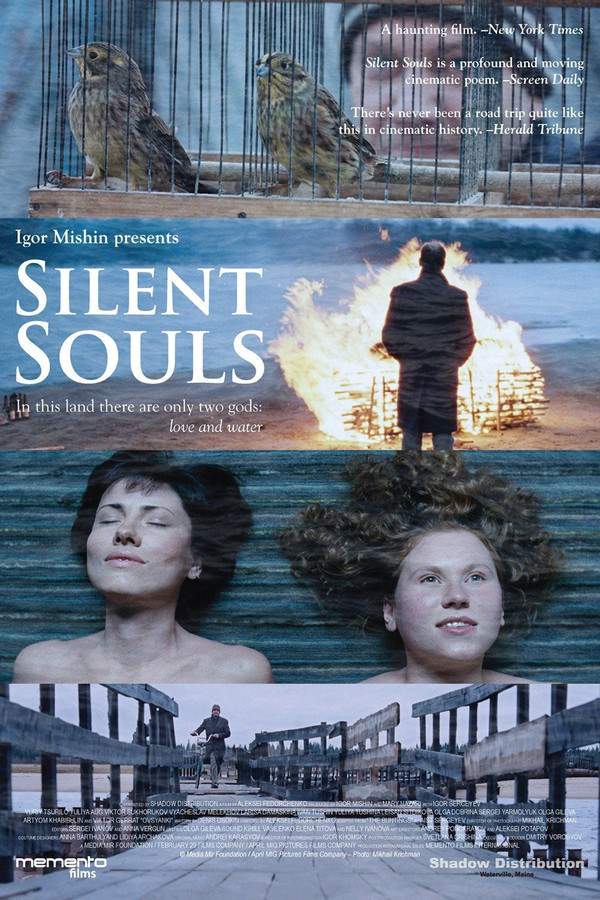
Following the death of his wife Tanya, Miron sets out on a deeply personal journey with his friend Aist to commemorate her memory. They travel through expansive landscapes, accompanied by two birds, sharing cherished stories of their life together and performing traditional Merja rituals. As they approach a sacred lake, long-held secrets are revealed, suggesting Tanya’s feelings were more complicated than Miron initially believed.
Find where to stream, rent, or buy Silent Souls (2011) in the US with current JustWatch availability, up-to-date pricing, and platform listings for subscription, rental, and digital purchase options.
Warning: spoilers below!
Haven’t seen Silent Souls yet? This summary contains major spoilers. Bookmark the page, watch the movie, and come back for the full breakdown. If you're ready, scroll on and relive the story!
Read the complete plot breakdown of Silent Souls (2011), including all key story events, major twists, and the ending explained in detail. Discover what really happened, and what it all means.
In the charming town of Neya, Aist leads a life steeped in solitude, dedicated to safeguarding the cultural traditions of the Meryan people. However, his routine is disrupted when his boss, Miron, brings tragic news regarding the passing of his wife, Tanya. As they prepare to conduct her cremation rites at Gorbatov, a place that holds memories of their honeymoon, a heavy sadness envelops them. The duo sets out on this meaningful journey, transporting Tanya’s lifeless form, adorned with colorful threads in homage to Meryan customs honoring brides-to-be, along with Aist’s recently acquired Bunting birds.
As they travel the Oka River, Miron shares heartfelt stories of Tanya’s steadfast love, a practice referred to as “smoking” the dead. Yet, Aist is haunted by recollections of Tanya’s discontent, a grim reality that lingers just beneath the surface. Their somber journey takes an unexpected turn when a policeman crosses their path. Although initially bewildered by the sight of the deceased woman, he ultimately overlooks the strangeness inherent in Meryan traditions.
The initial weight of grief is soon disrupted when they lose their way back to Neya. As dusk approaches, they find themselves embroiled in a clandestine encounter with two prostitutes, allowing their minds a brief respite from the sorrow of Tanya’s death. However, Miron’s introspective reflections lead him toward a more sinister conclusion: that his wife’s death may have been a deliberate act, driven by her longing to escape his oppressive hold.
As the Bunting birds incessantly peck at their eyes, both Aist and Miron spiral further out of control towards the Kineshma Bridge, tumbling into the depths of “the great Meryan river,” a melancholic reference to the Volga River. Aist’s once peaceful existence has now been engulfed by chaos, where the intricate threads of custom, mortality, and the complexities of human emotions are irrevocably intertwined.
Last updated: November 22, 2024 at 13:57
Explore frequently asked questions about Silent Souls (2011) with spoiler-rich answers covering the full plot summary, major story beats, character motivations, hidden details, and ending meaning. This movie summary FAQ helps explain confusing scenes, plot twists, and narrative decisions in clear, searchable detail.
Miron came to believe his wife may have taken her own life after reflecting on her unhappiness during their marriage. Throughout the journey, memories of Tanya's discontent resurfaced, leading him to conclude that her death might have been a deliberate escape from his oppressive presence rather than a natural passing.
Earlier moments of silence and subtle signs of her unhappiness planted the seeds of this dark realization.
The colorful threads placed on Tanya's body were part of Meryan customs honoring brides-to-be. This traditional practice is tied to the Merja rituals that Aist and Miron perform throughout their journey, symbolizing respect for the deceased and connecting her to cultural heritage.
The threads represent the Meryan traditions that Aist has dedicated his life to preserving.
The Bunting birds that Aist acquired began pecking at both Aist and Miron's eyes as they journeyed toward Kineshma Bridge. This disturbing behavior serves as a symbolic representation of the mounting chaos and emotional instability consuming both men, reflecting their psychological deterioration.
The birds' behavior intensifies as the men's emotional state unravels.
After losing their way back to Neya as dusk fell, Miron and Aist became involved with two prostitutes in a clandestine encounter. This diversion provided a brief, unsettling distraction from their grief, though it represented a momentary departure from the solemnity of their ritual journey.
This encounter marks a turning point where grief gives way to erratic behavior.
"Smoking" the dead is a Meryan tradition where loved ones share heartfelt memories and stories about the deceased. During their journey on the Oka River, Miron practices this custom by recounting stories of Tanya's steadfast love, using these memories as a way to honor her and process his grief.
This practice contrasts with Aist's haunting memories of Tanya's unhappiness.
Gorbatov held special significance as the location of Miron and Tanya's honeymoon. They chose this place for her cremation rites to honor their shared memories and the romantic history they experienced there, making the journey deeply personal rather than merely ceremonial.
The choice of Gorbatov reveals how Miron wants to preserve the romantic narrative of their relationship.
Aist had recently acquired the Bunting birds before undertaking the journey with Miron. The birds became part of the ritualistic voyage, accompanying them as they transported Tanya's body and performed the Merja traditions. Their presence adds another layer of cultural significance to the expedition.
The birds' later violent behavior symbolizes the disruption of tradition and order.
Although initially bewildered by the unusual sight of a deceased woman being transported, the policeman ultimately respected the Meryan traditions. Recognizing the cultural significance of their customs, he permitted them to continue their journey without interference.
This moment demonstrates how Meryan traditions retain authority even in modern contexts.
After their encounter with the policeman, Miron and Aist unexpectedly lost their way returning to Neya. This loss of direction symbolizes the emotional disorientation both characters experience as grief overwhelms them, deepening the psychological complexity of their journey.
The getting lost marks the beginning of their descent into chaos.
In a state of emotional disintegration, both Aist and Miron traveled toward Kineshma Bridge before tumbling into the Volga River. This moment represents the physical manifestation of their psychological collapse, where the cumulative weight of grief, revelation, and chaos pulls them into despair.
The bridge serves as the threshold between ritualistic mourning and complete unraveling.
The Volga River is referred to as "the great Meryan river" in the context of Meryan cultural heritage. When Aist and Miron plunge into its depths, their fates become intertwined with this significant body of water, symbolizing the overwhelming nature of their grief and the cultural currents that bind their journey.
The river represents the final destination of the Merja ritual journey.
Unlike Miron, who focused on memories of Tanya's love, Aist was plagued by recollections of her discontent during the marriage. These conflicting memories created an internal conflict, revealing the complexity of the relationship and foreshadowing Miron's eventual realization that Tanya may have been unhappy.
Aist's memories directly contrast with Miron's romanticized version of their marriage.
Before Tanya's death, Aist lived a peaceful, solitary existence in Neya, dedicated to preserving Meryan traditions. Her death and the subsequent journey with Miron disrupted this routine entirely, ultimately engulfing his once-tranquil life in chaos and emotional turmoil by the film's conclusion.
Aist's solitary routine represents the stability that will be completely destroyed.
Discover curated groups of movies connected by mood, themes, and story style. Browse collections built around emotion, atmosphere, and narrative focus to easily find films that match what you feel like watching right now.
Characters process profound loss through slow, symbolic travel and cultural rites.If you liked the meditative, ritual-heavy road trip in Silent Souls, you'll find similar movies here. This thread gathers films where characters embark on a physical and emotional journey to process death, using slow pacing, symbolic landscapes, and cultural traditions to explore themes of memory and loss.
Stories in this thread typically unfold as a linear journey, often a road trip, triggered by a death. The narrative is driven by character reflection, the sharing of memories, and the performance of rituals. The journey's destination is less important than the process, which often leads to a painful but necessary revelation about the deceased or the self.
Movies are grouped here for their shared focus on grief as a process enacted through travel and ritual. They share a melancholic tone, slow pacing, and a heavy emotional weight, creating a specific, immersive viewing experience centered on loss and memory.

Stories where mourning unveils devastating truths about a relationship.This section is for viewers who appreciated the painful secret revealed in Silent Souls. Find similar movies where the death of a loved one uncovers difficult truths about unrequited love or a flawed relationship, leading to a bleak and emotionally heavy conclusion.
The narrative pattern begins with a character grappling with the loss of a partner. Through memories, mementos, or conversations with others, they piece together evidence that their perception of the relationship was idealised or incorrect. The climax is the revelation itself, which recontextualizes the entire story and leaves the protagonist in a state of emotional collapse.
These films are connected by their core theme of love's truth being hidden until it is too late. They share a bleak ending feel, heavy emotional weight, and a tone that shifts from melancholic mourning to something more dark and oppressive upon the revelation.
Don't stop at just watching - explore Silent Souls in full detail. From the complete plot summary and scene-by-scene timeline to character breakdowns, thematic analysis, and a deep dive into the ending - every page helps you truly understand what Silent Souls is all about. Plus, discover what's next after the movie.
Track the full timeline of Silent Souls with every major event arranged chronologically. Perfect for decoding non-linear storytelling, flashbacks, or parallel narratives with a clear scene-by-scene breakdown.
Discover the characters, locations, and core themes that shape Silent Souls. Get insights into symbolic elements, setting significance, and deeper narrative meaning - ideal for thematic analysis and movie breakdowns.