








Plot Explained Spoilers guaranteed!
Plot Explained

Browse by genre

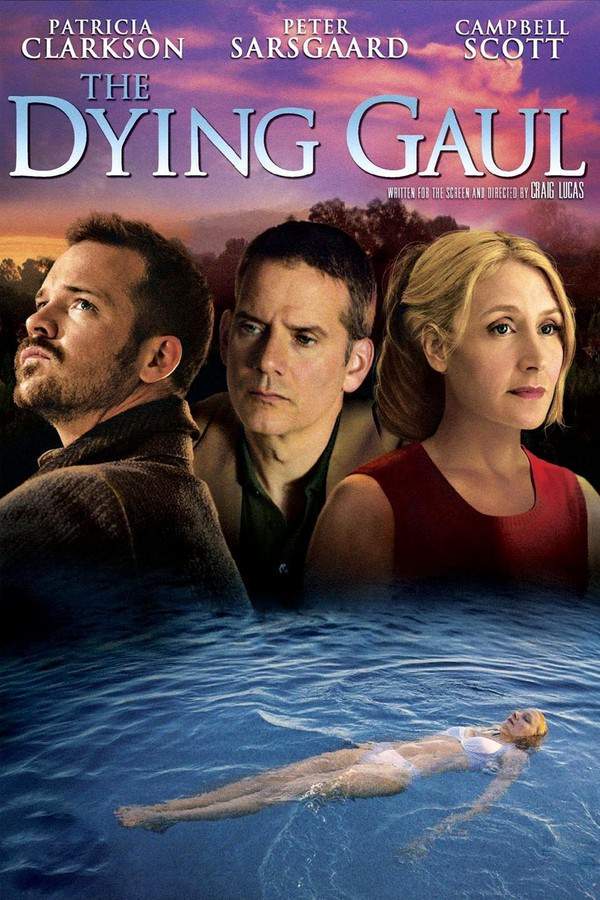
The Dying Gaul (2005) movie poster

Timeline

The Dying Gaul (2005) Timeline Explained – Every Event in Order

Release, runtime and language
2005 · 101 min · English
JustWatch #32,720 1
Directed by
Craig Lucas
Starring
Peter Sarsgaard, Patricia Clarkson, Campbell Scott

A struggling, closeted writer finds inspiration and an unexpected connection with a captivating film star. The star's complicated marriage to a talented actress fuels a poignant journey exploring themes of love, identity, and the often-blurred boundaries between the glamorous world of Hollywood and personal reality.

On this page (6)
  1. 1 Where to watch
  2. 2 Events in order (10)
  3. 3 Timeline questions answered
  4. 4 Movie threads
  5. 5 Movies like The Dying Gaul
  6. 6 Every angle

Where to watch

Where to Watch The Dying Gaul (2005)

Where can you watch The Dying Gaul? Stream, rent or buy it in the US, including on Amazon Prime Video, Hoopla and Tubi TV: current JustWatch availability with up-to-date prices.

Streaming availability powered by JustWatch

10 events in order · contains spoilers

The Dying Gaul Timeline: Events in Chronological Order

Every key event of The Dying Gaul (2005) in order, scene by scene, with when and where it takes place. Use it to untangle flashbacks, time jumps and parallel storylines, to refresh your memory before the sequel or to find the exact scene you are thinking of.

  1. Introduction of Robert Sandrich

    In 1995 Hollywood, we meet aspiring screenwriter Robert Sandrich, who is driven by a personal narrative stemming from the tragic loss of his lover. This backdrop sets the stage for his journey as he attempts to craft an autobiographical screenplay that reflects his painful experience with grief.

    When
    1995
    Where
    Hollywood
  2. Robert's Screenplay Gains Attention

    Robert's poignant screenplay, reflecting his struggles with loss and identity, catches the eye of studio executive Jeffrey Tishop. This moment marks a pivotal point in Robert's career as he is given the opportunity to bring his story to the big screen, igniting hope for his artistic aspirations.

    Where
    Hollywood Studio
  3. Jeffrey's Proposal for Rewrite

    Jeffrey Tishop, however, prioritizes commercial success and proposes significant changes to Robert's story. He insists on transforming the lead character from Maurice to Maggie, effectively shifting the narrative focus from a gay perspective to a straight one, which deeply unsettles Robert.

    Where
    Hollywood Studio
  4. Robert's Dilemma

    Faced with the ultimatum of either compromising his artistic vision or losing the opportunity entirely, Robert grapples with his principles. The allure of a $1 million paycheck tempts him to rewrite the screenplay, a choice that weighs heavily on his conscience.

  5. Robert's New Life in Malibu

    Relocating to Malibu, Robert becomes a regular guest in the lavish home of Jeffrey and Elaine. This new environment introduces him to a world of glamour but also complicates his emotional life, as he forms intricate connections with both Jeffrey and Elaine.

    Where
    Malibu
  6. Emergence of Attraction

    As time passes, romantic tensions develop between Robert and Jeffrey, complicating their professional relationship. Meanwhile, Elaine finds herself drawn to Robert on an emotional and intellectual level, sparking a bond that is both rich and complex.

    Where
    Malibu
  7. Elaine's Clandestine Mission

    Upon discovering Robert's compulsive use of Internet chat rooms, Elaine embarks on a secretive mission. She poses as a gay man online to communicate with Robert, utilizing intimate details from their previous conversations to convincingly connect with him.

  8. Robert's Confession

    The emotional complexities escalate when Robert confesses to Elaine about his affair with Jeffrey. This confession shatters Elaine's perception of her marriage and forces her to face the turbulent realities hidden beneath the surface of their seemingly perfect life.

    Where
    Malibu
  9. Confrontation and Turmoil

    Following Robert's confession, Elaine confronts Jeffrey about the affair, leading to intense emotional turmoil. The confrontation reveals deep-seated issues in their relationship and culminates in a breakdown, shaking the foundations of their marriage.

  10. Final Tragedy

    The tensions and complexities among the trio reach a tragic climax, forever altering their lives. This moment encapsulates the devastating impact of their choices, sealing Robert's fate as well as that of Jeffrey and Elaine in a haunting conclusion.

    Where
    Malibu

Last updated: November 08, 2024 at 16:32

Was this helpful?

Timeline questions answered

The Dying Gaul Timeline Explained: Your Questions Answered

When does it happen, and why in that order? The questions people ask about the chronology of The Dying Gaul (2005): time jumps, flashbacks, cause and effect between scenes and the correct order of events, each answered with spoilers.

Q1

Why did Robert agree to change his autobiographical screenplay from gay to straight?

Robert agreed to rewrite his screenplay because he was faced with a difficult choice: compromise his artistic vision or lose the opportunity to have his story produced. Jeffrey Tishop offered him $1 million and the chance to bring his work to the big screen, but only if Robert changed the lead character from Maurice to Maggie, transforming the gay narrative into a straight one. Despite his reservations, Robert accepted the deal, motivated by both financial desperation and the desire to see his story told, even in a compromised form.

Foreshadowing: Early in the film, Robert's struggle with his identity as a closeted writer sets up his vulnerability to commercial pressures.

  • robert sandrich
  • screenplay rewrite
  • jeffrey tishop
  • artistic compromise
  • gay narrative
Q2

How did Elaine know details about Robert's deceased lover to impersonate him online?

Elaine had learned intimate details about Robert's past through their extensive conversations while he was a guest in her home. Robert had previously shared the painful story of losing his lover to AIDS-related cerebral tuberculosis, including personal details about their relationship. When Elaine discovered Robert's compulsive use of Internet chat rooms, she used this knowledge to pose as a gay man online, convincing Robert she was his deceased lover returned from the dead.

Foreshadowing: The film establishes early on that Robert shares deeply personal information with Elaine during their intellectual exchanges.

  • elaine
  • online impersonation
  • deceased lover
  • internet chat rooms
  • deception
Q3

Why did Elaine pose as Robert's deceased lover in online chat rooms?

Elaine embarked on this deceptive mission after discovering Robert's compulsive use of Internet chat rooms. Her motivation appears to stem from a combination of curiosity about Robert's hidden life and perhaps a desire to understand him more deeply, though her methods were manipulative and psychologically invasive. By pretending to be his deceased lover, she crossed a significant boundary and entered a realm of psychological manipulation that would have devastating consequences.

Foreshadowing: Elaine's intellectual curiosity about Robert transforms into something darker when she learns about his online activities.

  • elaine
  • manipulation
  • online chat
  • psychological deception
  • curiosity
Q4

What was the nature of the affair between Robert and Jeffrey?

The affair between Robert and Jeffrey was physical in nature, with Jeffrey being drawn to Robert in a more sexual way. Robert eventually confessed this affair to Elaine, shattering her perception of her seemingly perfect marriage. The revelation exposed the hidden tensions beneath the glamorous Hollywood surface and set in motion the tragic events that would follow.

Foreshadowing: Early scenes establish Jeffrey's physical attraction to Robert during his visits to the Malibu home.

  • robert
  • jeffrey
  • affair
  • physical relationship
  • marriage betrayal
Q5

What happened in the final confrontation at Jeffrey and Elaine's Malibu home?

The final confrontation followed Robert's confession to Elaine about his affair with Jeffrey. When Elaine confronted Jeffrey about the affair, the emotional turmoil reached a breaking point. The tensions and complexities among the trio culminated in a tragic climax that forever altered their lives, resulting in devastating consequences that sealed Robert's fate as well as that of Jeffrey and Elaine.

Foreshadowing: The escalating revelations about affairs and deception create a volatile atmosphere that builds toward the film's tragic conclusion.

  • final confrontation
  • malibu
  • tragedy
  • emotional breakdown
  • fatal outcome
Q6

Why did Elaine confront Jeffrey about Robert's affair?

Elaine confronted Jeffrey after Robert confessed to her about their affair. This revelation shattered the illusion of her idyllic marriage and forced her to face the painful truths she had been ignoring. The confrontation was driven by her need to address the betrayal directly, though it led to intense emotional turmoil and ultimately contributed to the tragic events that followed.

Foreshadowing: Robert's confession to Elaine marks the turning point where hidden secrets surface.

  • elaine
  • jeffrey
  • confrontation
  • affair confession
  • marriage crisis
Q7

What is the significance of the screenplay being titled 'The Dying Gaul'?

The title 'The Dying Gaul' refers to the famous Roman marble sculpture depicting a wounded Gallic warrior. The screenplay, Robert's autobiographical work about losing his lover to AIDS, carries this title as a poignant metaphor for loss, suffering, and the tragedy of a life cut short. The title reflects the film's themes of death, artistic sacrifice, and the tragic fate of those who struggle against overwhelming forces.

Foreshadowing: The title establishes the film's tragic and artistic tone from the beginning.

  • dying gaul
  • screenplay title
  • sculpture metaphor
  • artistic sacrifice
  • loss
Q8

How did the online deception between Elaine and Robert begin?

The online deception began when Elaine discovered Robert's compulsive use of Internet chat rooms. Rather than confronting him directly, she chose to investigate further by creating a fake online persona. Posing as a gay man, she engaged Robert in chat room conversations, using the intimate details he had previously shared with her about his deceased lover to make her deception convincing.

Foreshadowing: Elaine's discovery of Robert's chat room usage sets the stage for her psychological manipulation.

  • online deception
  • chat rooms
  • fake persona
  • elaine
  • manipulation
Q9

What was the emotional cost of Robert's compromise to change his screenplay?

Robert's decision to accept Jeffrey's offer and change his screenplay came at a significant emotional and artistic cost. By transforming his autobiographical gay narrative into a straight one for commercial reasons, he betrayed both his artistic vision and the memory of his deceased lover. This compromise haunted him throughout the film, contributing to his psychological turmoil and the chaos that unfolded in the lives of everyone involved.

Foreshadowing: Robert's internal struggle with his principles is established from the moment Jeffrey proposes the changes.

  • robert
  • artistic compromise
  • emotional cost
  • guilt
  • memory of lover
Q10

How did Robert's grief over his lover's death influence his decisions throughout the film?

Robert's grief over losing his lover to AIDS-related cerebral tuberculosis was the driving force behind his screenplay and shaped many of his decisions throughout the film. His autobiographical work was a way to process this loss, but his grief also made him vulnerable to both commercial exploitation and emotional manipulation. Elaine's ability to impersonate his deceased lover online exploited this raw emotional wound, demonstrating how his unresolved grief made him susceptible to harm.

Foreshadowing: Robert's introduction establishes that his lover's death is the foundational trauma of the story.

  • robert
  • grief
  • aids
  • loss
  • closeted identity
  • vulnerability

Movie threads

More Movies Like The Dying Gaul, by Mood & Story

Curated lists built around what makes The Dying Gaul tick: the same mood, the same kind of story or the same emotional payoff. Each list explains why these movies belong together.

Intimate dramas of deception like The Dying Gaul

Stories where personal betrayals create a suffocating, intimate atmosphere. For viewers who appreciated the deceptive intimacy of The Dying Gaul, this collection features movies with similar themes of marital betrayal, moral conflict, and psychological manipulation. If you like stories where personal facades crumble under the weight of lies, you'll find more emotionally heavy dramas here.

  • claustrophobic
  • deceptive
  • anxious
  • intimate
  • somber
  • melancholic
  • Tone: dark, melancholic, deceptive
  • Pacing: steady, character-driven
Why these movies?

The story pattern: Narratives in this thread often revolve around a central, intimate relationship—be it romantic, familial, or friendly—that is poisoned by a significant deception. The plot unfolds steadily, focusing on the psychological toll of maintaining the lie, the anxiety of being discovered, and the tragic fallout when the truth inevitably surfaces.

Why they belong together: These movies are grouped together for their shared ability to craft an intensely intimate and claustrophobic mood. They prioritize psychological realism over action, using slow-burn tension derived from moral failings and the devastating impact of betrayal on a personal scale.

Movies about artistic compromise like The Dying Gaul

Stories where the pursuit of success leads to heartbreaking personal loss. If you were drawn to The Dying Gaul's exploration of a writer's moral and artistic compromises, this section highlights similar films. Discover stories about characters navigating the dark side of creative industries, where professional ambition clashes with personal identity and ethics, leading to bleak outcomes.

  • tragic
  • melancholic
  • somber
  • anxious
  • deceptive
  • grief-stricken
  • Tone: bleak, tragic, somber
  • Pacing: steady, contemplative
Why these movies?

The story pattern: The narrative pattern follows a protagonist, often in a creative field, who is seduced by the promise of success. They are forced to compromise their ethics, relationships, or true self, leading to a downward spiral. The story contrasts external glamour with internal decay, building towards a climax that underscores the ultimate cost of their choices.

Why they belong together: These films share a cohesive focus on the theme of sacrifice in the name of art or success. They possess a melancholic tone, a steady pacing that allows for character study, and a bleak ending that reinforces the tragic consequences of compromising one's soul.

If you liked this

Movies Like The Dying Gaul

Similar movies to The Dying Gaul: the same genre, themes or kind of story. Each one comes with its own plot summary, timeline and ending explained.

Browse all movie summaries

Every angle

The Dying Gaul (2005) Explained: Plot, Timeline & Characters

Everything about The Dying Gaul in one place: what happens in the plot summary, the timeline in chronological order, the characters and meaning and a spoiler-free summary. What's After the Movie adds the cast, box office and post-credit scenes.

Coming soon on iOS and Android

The Plot Explained Movie Summary App

Plot summaries, endings explained and timelines on your phone. Catch up on any movie in minutes, save your favorites and never miss a twist again.

Be the first to know when we launch. Your email stays private, always.

Learn more about the app