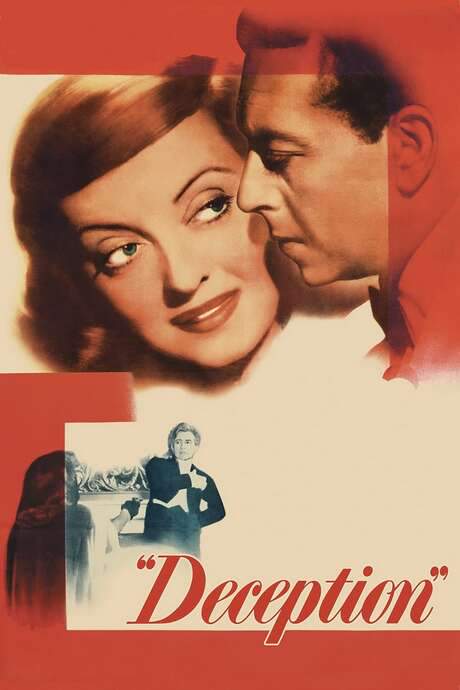
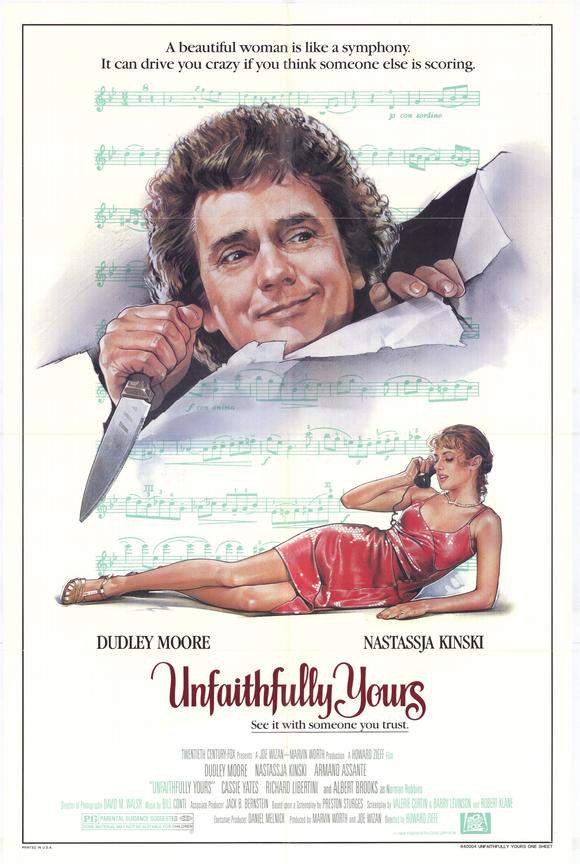
Christine Radcliffe runs through the rain toward the grand stairway of a large symphony hall, where a concert in progress fills the air with Haydn’s cello concerto in D. Tears sting her eyes as she spots the cellist on stage: Karel Novak, a man who survived the war in neutral Sweden. When the solo piece ends, Novak is swarmed by well-wishers before retreating to his dressing room, and the hall quiets again for Schubert’s unfinished symphony. Christine slips inside the backstage mirror and their eyes meet; their reunion is tender and urgent, and they embrace as she whispers, “I thought you were dead. I saw them kill you.”
They go back to Christine’s apartment, where she paints a sobering picture of a pianist struggling to stay afloat. Yet the room speaks of a different truth—fur, rare art, and signs of a life that looks more affluent than the confession she offers. Novak presses her on this discrepancy, and fear and pride flare in equal measure. He challenges her about the luxuries she keeps, and in a moment of honesty, she reveals that she has lowered herself to teaching “rich, untalented pupils” who nonetheless reward her with gifts. The admission changes the mood between them, and an unspoken vow forms: they have found love, but the world around them is full of judgments and shadows.
Their marriage soon becomes a collision of passion and ambition, and soon after, a dramatic arrival punctuates their union. Alexander Hollenius, a renowned composer, makes his powerful entrance at the wedding reception. The air between him and Novak crackles with tension and underlying jealousy. Hollenius’s presence unsettles Christine as well, and the situation escalates to a fever pitch when Hollenius squeezes a wine glass until it shatters in his hand—a signal that the personal is inextricable from the professional in this orchestra of rivals. In quick succession, Hollenius presents Novak with a manuscript for a new cello concerto, which Novak agrees to premiere. Yet a troubling pattern emerges: a cellist in the orchestra, Bertram Gribble, is being tutored in the solo parts by Hollenius, a setup that hints at sabotage rather than collaboration.
As rehearsals proceed, the friction between Novak and Hollenius intensifies. Hollenius is stern, exacting, and controlling, while Novak channels his own tempest into performances that pace the mounting pressure. A dress rehearsal collapses under the strain of Novak’s temper, yet Hollenius stays resolute in his plan to have the concerto heard in the premiere. The threat looms: if Novak succeeds, Hollenius fears losing his own influence and control, and he refuses to yield the solo part to anyone else. Christine, who witnesses every maneuver, tries one last time to bargain with Gribble, hoping to deter the perceived sabotage, but the damage has already been done in the minds of those who watch.
On the night of the premiere, the emotional scale tips decisively. Christine visits Hollenius with a desperate mix of fear and resolve. Hollenius reveals that he might let Novak revel in a triumphant performance, but he also hints at a more intimate reckoning—one that would ruin Novak by exposing the truth of their shared past. The threat hangs in the air, and in a moment of cold resolve, Christine shoots Hollenius dead. The room falls silent, and the orchestra continues, led by another conductor, Neilsen, who steps in to fill the void left by Hollenius. The premiere becomes a great success, and the applause feels hollow to Christine, who knows the price of Novak’s victory.
In the aftermath, the sheet music of truth is opened. Christine confesses everything to Novak, and the two of them walk out of the concert hall into the waiting night. The world still sees them as a pair bound by love and talent, but the final image lingers on a small, cautious smile that refuses to pretend everything is perfectly resolved. As they step into the crowd, a well-wisher’s simple remark—“Oh, Christine, you must be the happiest woman in the world”—lands with a quiet, almost haunted irony. The film closes on that restrained note, suggesting that happiness here is a delicate balance between triumph and the unspoken costs of desire.