








Plot Explained Spoilers guaranteed!
Plot Explained

Browse by genre

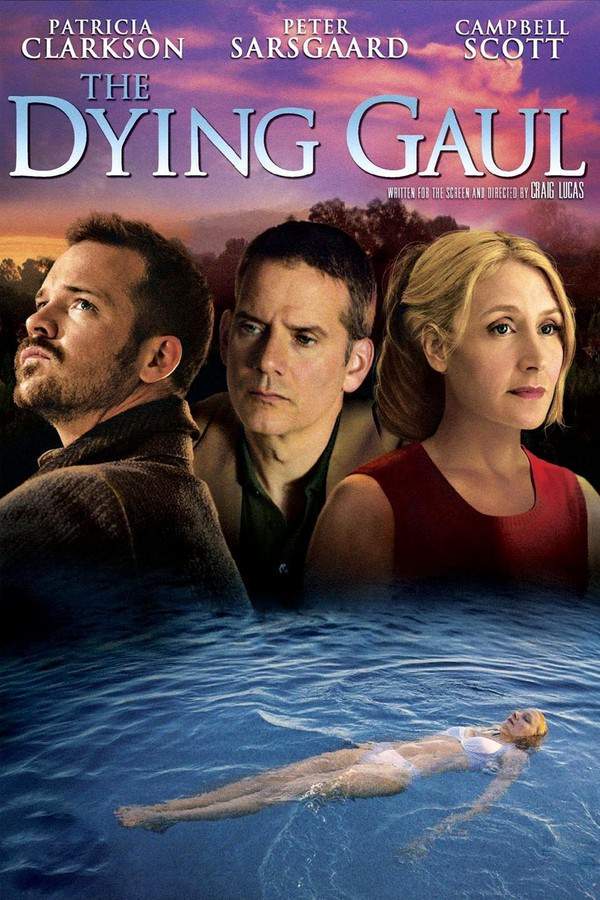
The Dying Gaul (2005) movie poster

Characters & Themes

The Dying Gaul (2005) Characters, Setting & Themes Explained

Release, runtime and language
2005 · 101 min · English
JustWatch #33,036 2
Directed by
Craig Lucas
Starring
Peter Sarsgaard, Patricia Clarkson, Campbell Scott

A struggling, closeted writer finds inspiration and an unexpected connection with a captivating film star. The star's complicated marriage to a talented actress fuels a poignant journey exploring themes of love, identity, and the often-blurred boundaries between the glamorous world of Hollywood and personal reality.

On this page (8)
  1. 1 Where to watch
  2. 2 Characters explained (3)
  3. 3 Where & when it takes place
  4. 4 Themes & meaning (3)
  5. 5 Character & meaning questions
  6. 6 Movie threads
  7. 7 Movies like The Dying Gaul
  8. 8 Every angle

Where to watch

Where to Watch The Dying Gaul (2005)

Where can you watch The Dying Gaul? Stream, rent or buy it in the US, including on Amazon Prime Video, Hoopla and Tubi TV: current JustWatch availability with up-to-date prices.

Streaming availability powered by JustWatch

3 main characters · contains spoilers

The Dying Gaul Characters Explained: Who Is Who

The main characters of The Dying Gaul (2005), heroes and villains: what drives them, how they change over the course of the story and what each of them reveals about the film's bigger ideas.

  • Robert Sandrich (Peter Sarsgaard)

    Robert is an aspiring screenwriter navigating the challenges of Hollywood while grappling with profound personal loss. His journey reflects a struggle between authentic storytelling and the compromises demanded by commercial success, ultimately leading to moral dilemmas.

    • 🎬 Artist
    • 💔 Grieving
    • 🎭 Complicated
  • Jeffrey Tishop (Campbell Scott)

    Jeffrey is a powerful studio executive who embodies the commercial pressures of the film industry. His attraction to Robert complicates their professional relationship and reveals deeper insecurities and desires, driving the plot towards conflict and reckoning.

    • 💼 Executive
    • 💔 Intrigue
    • 😍 Complex
  • Elaine (Patricia Clarkson)

    Elaine is Jeffrey's wife, characterized by her emotional intelligence and longing for connection. As she engages with Robert, her motivations become increasingly complex, reflecting themes of loneliness and the search for authenticity in her own life.

    • 👩‍❤️‍👨 Emotional
    • 🎭 Intellect
    • 💔 Vulnerable

Last updated: October 22, 2024 at 21:56

Was this helpful?

Setting

Where and When Does The Dying Gaul Take Place?

The setting of The Dying Gaul (2005): the year and time period, the places and locations, and how they shape the characters, the mood and the tension of the story.

Time period

1995

The year 1995 marked a significant period in Hollywood, characterized by the rise of independent cinema and the increasing influence of the internet. The AIDS crisis was deeply felt in the LGBTQ+ community, impacting social and cultural narratives, particularly in the film industry.

Location

Hollywood, Malibu

Hollywood is renowned for its film industry and vibrant entertainment culture, making it a hub for aspiring artists and screenwriters. Malibu, with its stunning coastal views and luxurious homes, serves as a backdrop for the lives of the wealthy and creatively ambitious, where personal and professional lives often intertwine.

  • 🏙️ City
  • 🌊 Coastal

Last updated: October 22, 2024 at 21:56

Was this helpful?

3 major themes

The Dying Gaul Meaning: Themes & Message Explained

What is The Dying Gaul (2005) really about? The emotional, social and philosophical themes the film keeps returning to, its symbolism and the message beneath the surface.

  • Art vs. Commercialism

    The conflict between artistic integrity and commercial demands is a central theme in the film. Robert's struggle to maintain his original vision amidst pressure to cater to mainstream audiences highlights the tensions between personal expression and profitability in the entertainment industry.

  • Love and Betrayal

    The complexities of love are explored through Robert's relationships with Jeffrey and Elaine. As secrets unfold and emotional bonds deepen, the film examines the nature of fidelity, trust, and the impact of deceit, ultimately leading to catastrophic consequences.

  • Grief and Loss

    Rooted in Robert's backstory of loss, the theme of grief permeates the narrative. The emotional scars of losing a loved one to AIDS shape the characters’ actions and decisions, revealing how personal tragedies can ripple through relationships and influence creativity.

Last updated: October 22, 2024 at 21:56

Was this helpful?

Character & theme questions

The Dying Gaul Characters & Meaning: Your Questions Answered

The questions people ask about The Dying Gaul (2005): who the characters really are, their relationships, what the symbols mean, where it takes place and what the movie is really about. Each answer contains spoilers.

Q1

Where is The Dying Gaul set?

The film is set in Hollywood and Malibu, California. Hollywood serves as the backdrop for the entertainment industry where the characters work, while Malibu represents the luxurious coastal lifestyle of the wealthy and creatively ambitious. The contrast between these two locations highlights the intertwining of personal and professional lives in the film industry.

  • hollywood
  • malibu
  • setting
  • california
  • locations
Q2

What year does The Dying Gaul take place?

The film is set in 1995, a period significant in Hollywood history marked by the rise of independent cinema and the growing influence of the internet. This era also saw the AIDS crisis deeply affecting the LGBTQ+ community, a context that shapes the film's emotional landscape and character motivations.

  • 1995
  • time period
  • 1990s
  • era
  • historical context
Q3

Who is Robert Sandrich in The Dying Gaul?

Robert Sandrich is an aspiring screenwriter played by Peter Sarsgaard. He is a closeted writer navigating Hollywood's challenges while grappling with profound personal loss, specifically the death of a loved one to AIDS. His journey reflects the tension between maintaining artistic integrity and making compromises for commercial success.

  • robert sandrich
  • peter sarsgaard
  • screenwriter
  • protagonist
  • gay character
Q4

Who is Jeffrey Tishop in The Dying Gaul?

Jeffrey Tishop is a powerful studio executive portrayed by Campbell Scott. He embodies the commercial pressures of the film industry and becomes romantically involved with Robert, complicating their professional relationship. His character represents the corrupting influence of Hollywood's business side and reveals deeper insecurities beneath his successful exterior.

  • jeffrey tishop
  • campbell scott
  • studio executive
  • antagonist
  • hollywood power
Q5

Who is Elaine in The Dying Gaul?

Elaine is Jeffrey Tishop's wife, played by Patricia Clarkson. She is characterized by her emotional intelligence and deep longing for genuine connection. As she becomes involved with Robert, her motivations grow increasingly complex, reflecting themes of loneliness and her search for authenticity in a marriage complicated by her husband's secrets.

  • elaine
  • patricia clarkson
  • jeffrey's wife
  • love triangle
  • emotional complexity
Q6

What is the Art vs Commercialism theme in The Dying Gaul?

The conflict between artistic integrity and commercial demands is a central theme. Robert struggles to maintain his original creative vision while facing pressure to cater to mainstream audiences. This tension highlights the broader struggle between personal artistic expression and profitability in the entertainment industry.

  • art
  • commercialism
  • integrity
  • creativity
  • hollywood
  • film industry
Q7

How does grief and loss appear in The Dying Gaul?

Grief and loss permeate the narrative, rooted in Robert's backstory of losing a loved one to AIDS. These emotional scars deeply shape the characters' actions and decisions, revealing how personal tragedies can ripple through relationships and profoundly influence creativity throughout the film.

  • grief
  • loss
  • aids
  • death
  • trauma
  • emotional scars
Q8

What role does love and betrayal play in The Dying Gaul?

The complexities of love are explored through Robert's relationships with both Jeffrey and Elaine. As secrets unfold and emotional bonds deepen, the film examines fidelity, trust, and the devastating impact of deceit within a love triangle, ultimately leading to catastrophic consequences for all involved.

  • love
  • betrayal
  • deceit
  • relationships
  • fidelity
  • trust
  • love triangle
Q9

How does the AIDS crisis factor into The Dying Gaul?

The AIDS crisis is a significant contextual element, as Robert's profound personal loss stems from losing a loved one to AIDS. This tragedy shapes his character arc and the emotional weight of the film. The 1995 setting places the story in a period when the crisis was deeply felt in the LGBTQ+ community, influencing the social and cultural narratives explored.

  • aids
  • aids crisis
  • lgbtq
  • 1990s
  • health crisis
  • social context
Q10

What does The Dying Gaul say about Hollywood?

The film contrasts Hollywood's polished, glamorous surface with the raw, damaging consequences of personal betrayal and artistic compromise. It explores how the entertainment industry's pressures can corrupt creative aspirations and damage personal relationships, portraying Hollywood as a world where personal and professional lives dangerously intertwine.

  • hollywood
  • entertainment industry
  • film industry
  • glamour
  • corruption
  • betrayal
Q11

What is the tone of The Dying Gaul?

The film has a firmly dark tone, centering on grief, artistic compromise, and the destructive power of deceit within a love triangle. The narrative is emotionally heavy, dealing with AIDS-related loss, closeted identity, and a bleak, tragic ending that leaves little room for hope, contrasting the surface glamour of Hollywood with underlying tragedy.

  • tone
  • dark
  • tragic
  • grief
  • deceit
  • emotional weight
  • bleak

Movie threads

More Movies Like The Dying Gaul, by Mood & Story

Curated lists built around what makes The Dying Gaul tick: the same mood, the same kind of story or the same emotional payoff. Each list explains why these movies belong together.

Intimate dramas of deception like The Dying Gaul

Stories where personal betrayals create a suffocating, intimate atmosphere. For viewers who appreciated the deceptive intimacy of The Dying Gaul, this collection features movies with similar themes of marital betrayal, moral conflict, and psychological manipulation. If you like stories where personal facades crumble under the weight of lies, you'll find more emotionally heavy dramas here.

  • claustrophobic
  • deceptive
  • anxious
  • intimate
  • somber
  • melancholic
  • Tone: dark, melancholic, deceptive
  • Pacing: steady, character-driven
Why these movies?

The story pattern: Narratives in this thread often revolve around a central, intimate relationship—be it romantic, familial, or friendly—that is poisoned by a significant deception. The plot unfolds steadily, focusing on the psychological toll of maintaining the lie, the anxiety of being discovered, and the tragic fallout when the truth inevitably surfaces.

Why they belong together: These movies are grouped together for their shared ability to craft an intensely intimate and claustrophobic mood. They prioritize psychological realism over action, using slow-burn tension derived from moral failings and the devastating impact of betrayal on a personal scale.
Movies about artistic compromise like The Dying Gaul

Stories where the pursuit of success leads to heartbreaking personal loss. If you were drawn to The Dying Gaul's exploration of a writer's moral and artistic compromises, this section highlights similar films. Discover stories about characters navigating the dark side of creative industries, where professional ambition clashes with personal identity and ethics, leading to bleak outcomes.

  • tragic
  • melancholic
  • somber
  • anxious
  • deceptive
  • grief-stricken
  • Tone: bleak, tragic, somber
  • Pacing: steady, contemplative
Why these movies?

The story pattern: The narrative pattern follows a protagonist, often in a creative field, who is seduced by the promise of success. They are forced to compromise their ethics, relationships, or true self, leading to a downward spiral. The story contrasts external glamour with internal decay, building towards a climax that underscores the ultimate cost of their choices.

Why they belong together: These films share a cohesive focus on the theme of sacrifice in the name of art or success. They possess a melancholic tone, a steady pacing that allows for character study, and a bleak ending that reinforces the tragic consequences of compromising one's soul.

If you liked this

Movies Like The Dying Gaul

Similar movies to The Dying Gaul: the same genre, themes or kind of story. Each one comes with its own plot summary, timeline and ending explained.

Browse all movie summaries

Every angle

The Dying Gaul (2005) Explained: Plot, Timeline & Characters

Everything about The Dying Gaul in one place: what happens in the plot summary, the timeline in chronological order, the characters and meaning and a spoiler-free summary. What's After the Movie adds the cast, box office and post-credit scenes.

Coming soon on iOS and Android

The Plot Explained Movie Summary App

Plot summaries, endings explained and timelines on your phone. Catch up on any movie in minutes, save your favorites and never miss a twist again.

Be the first to know when we launch. Your email stays private, always.

Learn more about the app