Plot Explained Spoilers guaranteed!
Plot Explained

Browse by genre

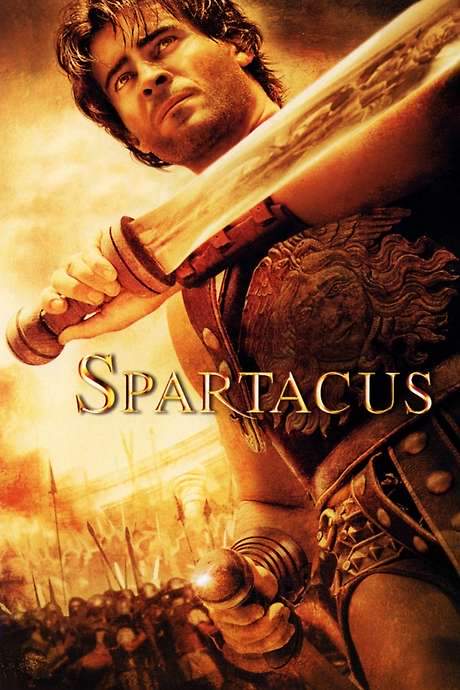
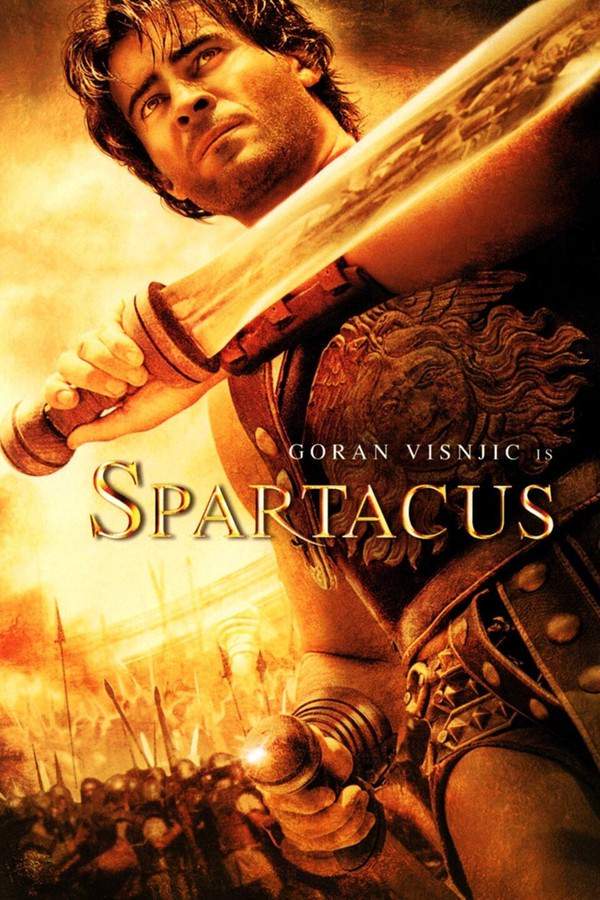
Spartacus (1960) movie poster

Plot Summary

Spartacus (1960) Plot Summary Explained

Release, runtime and language
1960 · English
Directed by
Stanley Kubrick
Starring
Laurence Olivier, Kirk Douglas
Budget
$12M

A slave named Spartacus endures harsh training to become a gladiator. He ignites a fierce rebellion against the Roman Republic, challenging the authority of the powerful and ambitious Crassus. As Spartacus’s revolt gains momentum, Crassus sees an opportunity to rise in power by brutally suppressing the uprising and crushing the gladiators' fight for freedom.

On this page (7)
  1. 1 Where to watch
  2. 2 What happens: full plot
  3. 3 Plot questions answered
  4. 4 The book behind the movie
  5. 5 Movie threads
  6. 6 Movies like Spartacus
  7. 7 Every angle

Where to watch

Where to Watch Spartacus (1960)

Where can you watch Spartacus? Stream, rent or buy it in the US, including on Amazon Video, Apple TV Store and Fandango At Home: current JustWatch availability with up-to-date prices.

Streaming availability powered by JustWatch

Full plot summary · contains spoilers

What Happens in Spartacus: Full Plot Summary

The whole story of Spartacus (1960) explained, from the opening scene to the final frame: every key event, every twist and what it all adds up to. Read it as a quick recap before the sequel, to check a scene you missed, or to finally understand what really happened.

In 73 B.C., during the waning days of the Roman Republic, a vast number of individuals are born into slavery, subjected to the elite patricians and the wealthiest plebeians. Among these is Spartacus, a fierce Thracian slave, portrayed by Kirk Douglas, who endures brutal whippings for his intelligence and rebellion. In a daring act of defiance, he bites a Roman centurion's ankle while attempting to assist a fellow slave who has stumbled under the weight of heavy rocks. As punishment, Spartacus is bound and left to succumb to the elements, seemingly forgotten. However, fate intervenes when a gladiator trainer named Batiatus, played by Peter Ustinov, acquires Spartacus along with several others to train them in the art of combat at his ludus in Capua. There, Batiatus informs the men that they will be trained to fight to the death, purely for the enjoyment of the wealthy.

The training proves to be as cruel as their life in the mines, with each slave branded and subjected to harsh treatment by the relentless head trainer Marcellus (Charles McGraw). Spartacus attempts to forge a bond with fellow gladiator Draba (Woody Strode), but the fear of having to kill one another prevents them from forming any meaningful alliances. One fateful night, Spartacus is introduced to Varinia, a striking slave woman played by Jean Simmons. Batiatus and Marcellus watch from above as Varinia undresses, but Spartacus refuses to treat her poorly, leading to her immediate removal as punishment.

As time passes, Spartacus's skills as a gladiator flourish, and his feelings for Varinia deepen despite Marcellus’s futile attempts to keep them apart. The arrival of Marcus Licinius Crassus, depicted by Laurence Olivier, and his entourage ignites further conflict. Crassus, vying for power against another patrician, orders a gladiatorial event to celebrate a betrothal, choosing Spartacus and Draba among the fighters. The event descends into chaos as Draba, unable to bring himself to kill Spartacus, instead attacks Crassus and is brutally killed.

Soon after, Spartacus learns that Crassus has purchased Varinia. Overwhelmed with anger, he violently confronts Marcellus, which sparks a rebellion among the slaves. They manage to overthrow their captors, seizing weapons and forming an army that marches across the countryside, liberating fellow slaves and accumulating strength. This uprising sends shockwaves through Rome, prompting the Senate to respond with outrage. Crassus, absent at the time, faces a political maneuver from Gracchus (Charles Laughton), who plans to send troops against the slave rebels.

As Spartacus's forces grow, he becomes a beacon of hope for the oppressed, even reuniting with Varinia, who professes her love for him. Meanwhile, in Rome, Crassus learns of his rival's successful uprising and plans to crush the rebellion. Spartacus, believing that death is preferable to life without freedom, becomes resolute in his mission to attack Rome despite the overwhelming odds.

As both armies prepare for battle, Spartacus’s determination to see his cause through remains unshaken. Just before the final confrontation, he shares a heartfelt moment with Varinia, expressing his wish for their future child to be born free. The ensuing clash is devastating, with Crassus's seasoned troops ultimately overpowering the rebel forces. In a cruel twist, Crassus offers the survivors a chance at life if they betray Spartacus.

In a powerful moment of solidarity, the slaves, one by one, declare, "I am Spartacus," opting for death rather than betrayal. Crassus, in a rage, orders their crucifixion along the Appian Way, ensuring their sacrifice is witnessed by all. Varinia, with Spartacus's newborn son, is taken by Crassus, despite her steadfast loyalty to Spartacus.

As Spartacus awaits his fate, he is faced with the ultimate betrayal of his ideals. In a brutal fight to the death against Antoninus, they both show their unwavering bonds of friendship and loyalty, but Spartacus emerges victorious, leaving Antoninus's last words hanging in the air. In his final moments, as he is crucified, Spartacus holds onto the hope that his legacy will live on, embodying the thousands who sought freedom. The tragic conclusion sees Varinia catching a glimpse of him on the cross, reinforcing that their bond will never be broken, ensuring that their son will learn of his father's fight for freedom.

Last updated: November 08, 2024 at 00:16

Was this helpful?

Plot questions answered

Spartacus Plot Explained: Your Questions Answered

The questions people ask most about Spartacus (1960): what happens in the confusing scenes, why the characters do what they do, the twists, hidden details and what the ending means. Each answer contains spoilers.

Q1

Why does Spartacus bite the Roman centurion's ankle?

Spartacus bites the centurion's ankle while trying to help a fellow slave who has stumbled under the weight of heavy rocks. This act of defiance demonstrates Spartacus's rebellious nature and his willingness to stand up for others, even at great personal cost. The bite is not a random act of violence but a calculated protest against the cruel treatment of slaves.

Foreshadowing: This early act of defiance establishes Spartacus's character as someone who refuses to accept oppression, foreshadowing his later role as a rebellion leader.

  • spartacus
  • centurion
  • bite
  • rebellion
  • defiance
  • slave
Q2

Why does Draba refuse to kill Spartacus and attack Crassus instead?

During the gladiatorial event ordered by Crassus to celebrate a betrothal, Draba is unable to bring himself to kill his friend Spartacus. Rather than completing the fight, Draba turns his sword toward Crassus, attacking the Roman patrician in an act of rebellion. This choice reflects the bond Draba has formed with Spartacus and his refusal to participate in the Roman entertainment machine that treats gladiators as disposable.

Foreshadowing: Draba's sacrifice demonstrates the power of solidarity among slaves, setting up the later 'I am Spartacus' scene where others make the same choice.

  • draba
  • crassus
  • attack
  • sacrifice
  • gladiator
  • rebellion
Q3

What triggers Spartacus to start the rebellion?

Spartacus learns that Crassus has purchased Varinia, the slave woman he loves. Overwhelmed with rage upon hearing this news, Spartacus violently confronts Marcellus, the head trainer. This confrontation sparks the other slaves to rise up against their captors, seizing weapons and forming an army. The personal loss of Varinia becomes the catalyst for organized revolt.

Foreshadowing: The purchase of Varinia by Crassus mirrors the power dynamics between Roman elites and enslaved people, showing how the Romans directly take what they want.

  • varinia
  • crassus
  • purchase
  • rebellion
  • trigger
  • marcellus
Q4

Why do the captured slaves say 'I am Spartacus'?

After the rebellion is defeated, Crassus offers the surviving slaves a chance at life if they betray Spartacus. Instead of saving themselves, each slave declares 'I am Spartacus,' choosing death over betrayal. This powerful moment demonstrates the solidarity Spartacus inspired among the enslaved people, they would rather die than abandon the man who led them to freedom.

Foreshadowing: This scene echoes Draba's earlier sacrifice, showing how Spartacus's leadership created unbreakable bonds among the slaves.

  • i am spartacus
  • captives
  • betrayal
  • solidarity
  • crucifixion
Q5

What happens to Varinia and Spartacus's son?

Varinia gives birth to Spartacus's son during the chaos of the final battle. After the defeat, Crassus takes Varinia and the newborn child. However, at the end of the film, Varinia escapes with her son and catches a final glimpse of Spartacus on the cross. She ensures their son will grow up knowing about his father's fight for freedom, preserving Spartacus's legacy.

Foreshadowing: The birth represents hope for the future even amid defeat, and Varinia's escape ensures Spartacus's story will be passed on.

  • varinia
  • son
  • baby
  • escape
  • crassus
  • legacy
Q6

Why does Crassus order the crucifixion of the rebels?

Crassus orders the captured rebels crucified along the Appian Way as a brutal example to anyone who might consider rebellion against Rome. The crucifixion serves both as punishment and as a terrifying display of Roman power designed to deter future uprisings. The public nature of the execution ensures that the slaves' suffering is witnessed by all who travel the main road into Rome.

Foreshadowing: This brutal act reflects Crassus's political ambitions, he uses the rebellion as an opportunity to demonstrate his ruthlessness and strength to the Roman Senate.

  • crucifixion
  • appian way
  • crassus
  • punishment
  • roman power
Q7

Why does Spartacus decide to attack Rome instead of escaping?

Spartacus believes that death is preferable to a life without freedom. Rather than fleeing to safety with his growing army, he resolves to attack Rome directly, believing the cause of freedom is worth fighting for even against overwhelming odds. His determination stems from the belief that true freedom means standing up to oppression, not running from it.

Foreshadowing: This decision reflects Spartacus's transformation from a slave seeking personal freedom to a leader fighting for the freedom of all enslaved people.

  • attack rome
  • freedom
  • death
  • choice
  • fight
Q8

Why does Spartacus's rebellion fail against Crassus's army?

The rebellion fails because Crassus commands seasoned Roman troops while Spartacus's army, though growing in numbers, consists mostly of former slaves without formal military training. The final battle is devastating, with Crassus's professional soldiers overpowering the rebels. Additionally, Spartacus faces the entire military might of the Roman Republic, which ultimately crushes the uprising.

Foreshadowing: The film consistently shows the vast difference between Roman military organization and the disorganized but passionate slave army.

  • defeat
  • military
  • crassus
  • roman army
  • training
Q9

How does Spartacus meet Varinia at the ludus?

Spartacus is introduced to Varinia during a fateful night at the ludus in Capua, where Batiatus and Marcellus watch from above as she is forced to undress. Spartacus refuses to treat her poorly as the other gladiators would, demonstrating his humanity even in captivity. This act of respect leads to her immediate removal as punishment, but it also sparks the beginning of their deep emotional connection.

Foreshadowing: This first meeting establishes the central love story and shows Spartacus's moral character, distinguishing him from other gladiators.

  • varinia
  • ludus
  • capua
  • meeting
  • respect
Q10

Why is Crassus so determined to crush the rebellion?

Crassus sees the rebellion as an opportunity to rise in political power within Rome. When he learns of Spartacus's successful uprising, he plans to crush it not just to protect Rome, but to use the victory for his own political advancement. The rebellion gives Crassus a chance to demonstrate his military leadership and ruthlessness, strengthening his position against rivals like Gracchus in the Roman Senate.

Foreshadowing: Crassus's political ambitions drive much of the conflict, as he manipulates the rebellion for his own gain.

  • crassus
  • political power
  • ambition
  • senate
  • gracchus
Q11

Why are the gladiators branded at the ludus?

At Batiatus's ludus in Capua, each slave is branded as part of the training process. The branding further strips the slaves of their humanity and marks them as property, making escape more difficult since they can be easily identified. This brutal practice represents the complete ownership the Romans have over the gladiators, treating them as commodities rather than human beings.

Foreshadowing: The branding symbolizes the physical and psychological control Romans maintain over enslaved people throughout the film.

  • brand
  • ludus
  • slave
  • mark
  • property
Q12

Why does Varinia love Spartacus?

Varinia falls in love with Spartacus because of his kindness and respect toward her, rare qualities in the world of slavery. When they first meet, Spartacus is the only gladiator who refuses to treat her as an object, even though doing so results in her punishment. Over time, their connection deepens despite Marcellus's attempts to keep them apart, building a bond rooted in mutual respect and shared humanity.

Foreshadowing: Their love story provides emotional weight to the rebellion and its ultimate failure, giving viewers someone to root for.

  • varinia
  • love
  • respect
  • kindness
  • connection

Movie threads

More Movies Like Spartacus, by Mood & Story

Curated lists built around what makes Spartacus tick: the same mood, the same kind of story or the same emotional payoff. Each list explains why these movies belong together.

Tragic Historical Epics of Defiant Rebellion like Spartacus

Large-scale stories of lost causes and heroic uprisings against overwhelming power. Discover movies like Spartacus that focus on large-scale historical uprisings and lost causes. If you liked the defiant spirit and tragic conclusion of Spartacus, this thread brings together epic stories of heroic rebellions against overwhelming odds, stories of solidarity in the face of crushing defeat.

  • epic
  • tragic
  • defiant
  • somber
  • brutal
  • desperate
  • Tone: defiant, bleak, somber
  • Pacing: steady, epic build
Why these movies?

The story pattern: The narrative pattern follows a clear arc: oppression sparks a rebellion led by a charismatic figure; the movement gains momentum and hope; a final, decisive confrontation with the established power occurs, resulting in the rebellion's physical defeat but a symbolic victory for its ideals.

Why they belong together: Movies in this thread share a high-intensity, emotionally heavy experience driven by themes of freedom, sacrifice, and the high cost of defiance. They are united by a bleak tone, steady pacing that builds toward a climactic confrontation, and an ending that underscores the tragedy of the struggle.

Bleak Narratives of Crushing Defeat like Spartacus

Stories where the fight for a better world ends in devastating, inevitable failure. Find movies similar to Spartacus that explore themes of devastating failure and solidarity in death. If you were moved by the bleak ending and heavy emotional weight of Spartacus, this thread collects stories about fights for freedom that end in tragic, crushing defeat, focusing on the characters' bond amidst hopeless circumstances.

  • bleak
  • tragic
  • somber
  • desperate
  • oppressive
  • brutal
  • Tone: bleak, tragic, somber
  • Pacing: steady, purposeful
Why these movies?

The story pattern: These narratives often follow a 'rise and fall' structure, where hope is carefully built only to be systematically dismantled. The central conflict is an asymmetric struggle against an indomitable foe, and the primary character arc involves finding purpose and camaraderie in a fight that is destined to be lost.

Why they belong together: This grouping is defined by a consistently bleak tone and a heavy emotional weight. The movies share a sense of tragic inevitability, where the outcome is despairing, and the value is found in the solidarity and sacrifice of the characters rather than in victory.

If you liked this

Movies Like Spartacus

Similar movies to Spartacus: the same genre, themes or kind of story. Each one comes with its own plot summary, timeline and ending explained.

Browse all movie summaries

Every angle

Spartacus (1960) Explained: Plot, Timeline & Characters

Everything about Spartacus in one place: what happens in the plot summary, the timeline in chronological order, the characters and meaning and a spoiler-free summary. What's After the Movie adds the cast, box office and post-credit scenes.

Coming soon on iOS and Android

The Plot Explained Movie Summary App

Plot summaries, endings explained and timelines on your phone. Catch up on any movie in minutes, save your favorites and never miss a twist again.

Be the first to know when we launch. Your email stays private, always.

Learn more about the app