Plot Explained Spoilers guaranteed!
Plot Explained

Browse by genre

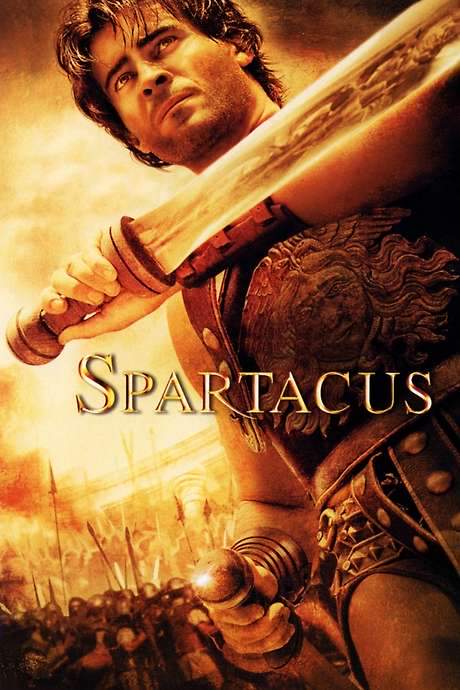
Spartacus (1960) movie poster

Characters & Themes

Spartacus (1960) Characters, Setting & Themes Explained

Release, runtime and language
1960 · English
Loading streaming availability…
Directed by
Stanley Kubrick
Starring
Laurence Olivier, Kirk Douglas
Budget
$12M

A slave named Spartacus endures harsh training to become a gladiator. He ignites a fierce rebellion against the Roman Republic, challenging the authority of the powerful and ambitious Crassus. As Spartacus’s revolt gains momentum, Crassus sees an opportunity to rise in power by brutally suppressing the uprising and crushing the gladiators' fight for freedom.

On this page (9)
  1. 1 Where to watch
  2. 2 Characters explained (3)
  3. 3 Where & when it takes place
  4. 4 Themes & meaning (2)
  5. 5 Character & meaning questions
  6. 6 The book behind the movie
  7. 7 Movie threads
  8. 8 Movies like Spartacus
  9. 9 Every angle
Loading streaming availability…

3 main characters · contains spoilers

Spartacus Characters Explained: Who Is Who

The main characters of Spartacus (1960), heroes and villains: what drives them, how they change over the course of the story and what each of them reveals about the film's bigger ideas.

  • Spartacus (Kirk Douglas)

    Spartacus is a fierce and intelligent Thracian slave whose indomitable spirit leads him to rise against the shackles of slavery. His bravery and defiance not only inspire fellow slaves but also incite fear among the Roman elites. Spartacus evolves from a beaten gladiator into a symbol of hope and resistance, driven by a longing for freedom and love.

    • 🗡️ Gladiator
    • 🕊️ Freedom
  • Marcus Licinius Crassus (Laurence Olivier)

    Crassus is a powerful and ambitious Roman general, embodying the elite's cruelty and desire for control. His rivalry with Spartacus highlights the stark contrast between the privileged and the oppressed. Often ruthless, his tactics reveal the lengths he will go to maintain power, and his disdain for rebellion showcases the elitist mentality of the time.

    • 🏛️ Patrician
    • 🦅 Power
  • Varinia (Jean Simmons)

    Varinia is a striking and compassionate slave who captures Spartacus's heart. Her loyalty and strength provide emotional depth to the story, representing the hope and humanity that persist despite oppression. Varinia's relationship with Spartacus conveys themes of love, sacrifice, and resilience amidst turmoil.

    • ❤️ Love
    • 🔥 Strength

Last updated: October 22, 2024 at 19:22

Was this helpful?

Setting

Where and When Does Spartacus Take Place?

The setting of Spartacus (1960): the year and time period, the places and locations, and how they shape the characters, the mood and the tension of the story.

Time period

73 B.C.

Set in 73 B.C., this period marks the decline of the Roman Republic, where social and political tensions are rife. It is characterized by a burgeoning class conflict, particularly between the enslaved individuals and their wealthy masters. The rebellion led by Spartacus highlights the struggles for freedom and the human spirit's resilience amidst oppression.

Location

Capua, Rome, Appian Way

The movie 'Spartacus' primarily takes place in Capua, a significant city in ancient Rome known for its gladiatorial schools and arenas. The grandeur of Rome serves as the backdrop, reflecting the immense power and wealth of the patricians during that era. The Appian Way, a vital road, becomes a symbol of the brutal fate awaiting those who dare to defy authority.

  • 🏛️ Ancient Rome
  • ⚔️ Gladiatorial Arena

Last updated: October 22, 2024 at 19:22

Was this helpful?

2 major themes

Spartacus Meaning: Themes & Message Explained

What is Spartacus (1960) really about? The emotional, social and philosophical themes the film keeps returning to, its symbolism and the message beneath the surface.

  • Rebellion

    The central theme of 'Spartacus' is rebellion against tyranny and oppression. Spartacus's journey from a persecuted slave to a leader symbolizes the fight for freedom that resonates with many. His defiance ignites a movement among the oppressed, illustrating the power of unity and hope in challenging an unjust system.

  • Love and Sacrifice

    The love story between Spartacus and Varinia represents the personal sacrifices made in the pursuit of freedom. Their connection offers a glimpse of humanity amidst the brutality of their reality. The ultimate sacrifice of Spartacus for the sake of their future child emphasizes the theme of love transcending even the direst circumstances.

Last updated: October 22, 2024 at 19:22

Was this helpful?

Character & theme questions

Spartacus Characters & Meaning: Your Questions Answered

The questions people ask about Spartacus (1960): who the characters really are, their relationships, what the symbols mean, where it takes place and what the movie is really about. Each answer contains spoilers.

Q1

Where does Spartacus take place?

Spartacus is primarily set in Capua, a major city in ancient Rome famous for its gladiatorial schools. The grandeur of Rome serves as the backdrop, representing the immense power and wealth of the Roman patricians during that era.

  • capua
  • rome
  • gladiators
  • ancient rome
  • setting
Q2

What era does Spartacus depict?

The film is set in 73 B.C., during the decline of the Roman Republic. This period was marked by severe social and political tensions, particularly between enslaved individuals and their wealthy masters, making it the perfect backdrop for a rebellion.

  • 73 bc
  • roman republic
  • ancient history
  • time period
Q3

What is the main theme of Spartacus?

The central theme is rebellion against tyranny and oppression. Spartacus's journey from a persecuted slave to a leader symbolizes the fight for freedom, illustrating the power of unity and hope in challenging an unjust system.

  • rebellion
  • freedom
  • oppression
  • themes
  • resistance
Q4

Who is Spartacus in the movie?

Spartacus is a Thracian slave turned gladiator whose fierce intelligence and indomitable spirit lead him to rise against the shackles of slavery. He evolves from a beaten gladiator into a symbol of hope and resistance, driven by his longing for freedom and love for Varinia.

  • spartacus
  • thracian
  • gladiator
  • main character
  • leader
Q5

Who is Crassus in Spartacus?

Marcus Licinius Crassus is a powerful and ambitious Roman general who embodies the elite's cruelty and desire for control. His rivalry with Spartacus highlights the stark contrast between the privileged and the oppressed, and his ruthless tactics reveal the lengths he will go to maintain power.

  • crassus
  • roman general
  • antagonist
  • power
  • rome
Q6

Who is Varinia in Spartacus?

Varinia is a compassionate slave who captures Spartacus's heart and represents the hope and humanity that persist despite oppression. Her relationship with Spartacus conveys themes of love, sacrifice, and resilience amidst the brutality of their world.

  • varinia
  • love
  • sacrifice
  • supporting character
  • hopeness
Q7

What does the Appian Way symbolize in Spartacus?

The Appian Way, a vital Roman road, becomes a symbol of the brutal fate awaiting those who dare to defy Roman authority. It represents the journey toward death and the oppressive reach of the Roman Empire over its subjects.

  • appian way
  • roman road
  • symbolism
  • death
  • authority
Q8

How does Spartacus portray love and sacrifice?

The love story between Spartacus and Varinia represents the personal sacrifices made in the pursuit of freedom. Spartacus's ultimate sacrifice for the sake of their future child emphasizes how love transcends even the direst circumstances.

  • love
  • sacrifice
  • varinia
  • family
  • freedom
Q9

What role does Capua play in Spartacus?

Capua is significant as the location of the gladiatorial schools where Spartacus is trained as a fighter. It represents the cruelties of the slave system and the training ground where oppressed men are turned into weapons of entertainment for Roman elites.

  • capua
  • gladiatorial school
  • training
  • slavery
  • arena
Q10

Why is Spartacus considered a historical epic?

Spartacus is considered a historical epic due to its grand scale, historical setting in ancient Rome, and its portrayal of real historical events involving the largest slave rebellion in Roman history. The film's scope, themes of freedom versus tyranny, and its biographical approach to a pivotal moment in ancient history contribute to its epic status.

  • historical epic
  • biography
  • ancient rome
  • film genre
  • scale

Movie threads

More Movies Like Spartacus, by Mood & Story

Curated lists built around what makes Spartacus tick: the same mood, the same kind of story or the same emotional payoff. Each list explains why these movies belong together.

Tragic Historical Epics of Defiant Rebellion like Spartacus

Large-scale stories of lost causes and heroic uprisings against overwhelming power. Discover movies like Spartacus that focus on large-scale historical uprisings and lost causes. If you liked the defiant spirit and tragic conclusion of Spartacus, this thread brings together epic stories of heroic rebellions against overwhelming odds, stories of solidarity in the face of crushing defeat.

  • epic
  • tragic
  • defiant
  • somber
  • brutal
  • desperate
  • Tone: defiant, bleak, somber
  • Pacing: steady, epic build
Why these movies?

The story pattern: The narrative pattern follows a clear arc: oppression sparks a rebellion led by a charismatic figure; the movement gains momentum and hope; a final, decisive confrontation with the established power occurs, resulting in the rebellion's physical defeat but a symbolic victory for its ideals.

Why they belong together: Movies in this thread share a high-intensity, emotionally heavy experience driven by themes of freedom, sacrifice, and the high cost of defiance. They are united by a bleak tone, steady pacing that builds toward a climactic confrontation, and an ending that underscores the tragedy of the struggle.

Bleak Narratives of Crushing Defeat like Spartacus

Stories where the fight for a better world ends in devastating, inevitable failure. Find movies similar to Spartacus that explore themes of devastating failure and solidarity in death. If you were moved by the bleak ending and heavy emotional weight of Spartacus, this thread collects stories about fights for freedom that end in tragic, crushing defeat, focusing on the characters' bond amidst hopeless circumstances.

  • bleak
  • tragic
  • somber
  • desperate
  • oppressive
  • brutal
  • Tone: bleak, tragic, somber
  • Pacing: steady, purposeful
Why these movies?

The story pattern: These narratives often follow a 'rise and fall' structure, where hope is carefully built only to be systematically dismantled. The central conflict is an asymmetric struggle against an indomitable foe, and the primary character arc involves finding purpose and camaraderie in a fight that is destined to be lost.

Why they belong together: This grouping is defined by a consistently bleak tone and a heavy emotional weight. The movies share a sense of tragic inevitability, where the outcome is despairing, and the value is found in the solidarity and sacrifice of the characters rather than in victory.

If you liked this

Movies Like Spartacus

Similar movies to Spartacus: the same genre, themes or kind of story. Each one comes with its own plot summary, timeline and ending explained.

Browse all movie summaries

Every angle

Spartacus (1960) Explained: Plot, Timeline & Characters

Everything about Spartacus in one place: what happens in the plot summary, the timeline in chronological order, the characters and meaning and a spoiler-free summary. What's After the Movie adds the cast, box office and post-credit scenes.

Coming soon on iOS and Android

The Plot Explained Movie Summary App

Plot summaries, endings explained and timelines on your phone. Catch up on any movie in minutes, save your favorites and never miss a twist again.

Be the first to know when we launch. Your email stays private, always.

Learn more about the app