Year: 1985
Runtime: 162 min
Language: Japanese
Director: Akira Kurosawa
Budget: $12M
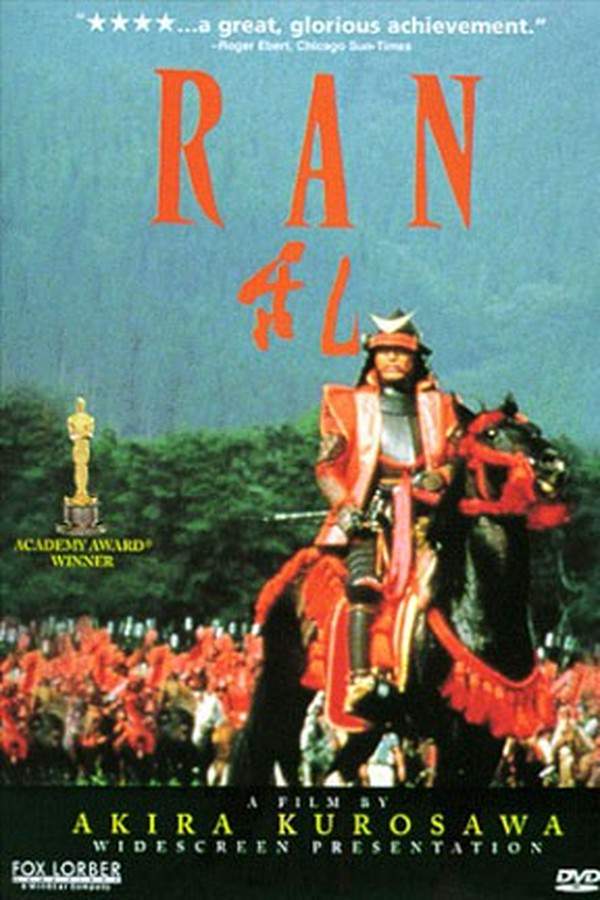
As the aging Lord Hidetora Ichimonji prepares to retire, he divides his realm among his three sons, Taro, Jiro, and Saburo. However, when Saburo challenges the established order, he is banished, triggering a devastating conflict for control of the land. The ensuing power struggle ignites a bloody war, testing the bonds of family and ultimately leading to a tragic and violent resolution as only one heir will survive.
Warning: spoilers below!
Haven’t seen Ran yet? This summary contains major spoilers. Bookmark the page, watch the movie, and come back for the full breakdown. If you're ready, scroll on and relive the story!
Read the complete plot breakdown of Ran (1985), including all key story events, major twists, and the ending explained in detail. Discover what really happened—and what it all means.
Tatsuya Nakadai portrays Hidetora Ichimonji, a powerful but aging warlord who makes a sweeping decision to divide his once vast kingdom among his three sons: Akira Terao as Taro, Daisuke Ryū as Jiro, and Jinpachi Nezu as Saburo. In a bid to keep the realm stable, Hidetora also retains the title of Great Lord, while he asks his elder sons to back Taro’s leadership. Yet the fragile balance shatters when Saburo openly scorns the plan, earning himself exile, and Tango, a loyal retainer, is banished for defending Saburo. The opening act settles into a tense, uneasy peace that foreshadows betrayal and tragedy on an epic scale.
As time passes, the loyal but embittered Lady Kaede—still haunted by the massacre of her family and the loss of their lands—stirs Taro toward seizing control of the Ichimonji clan. Her scheming sets off a dangerous chain of moves that threaten to crush any remaining fealty to Hidetora. When Taro presses Hidetora to renounce his title, the Great Lord leaves in anger, seeking refuge at Jiro’s castle. There, though, he discovers that Jiro’s loyalty is shallow at best; the younger son only treats his father as a ceremonial pawn in a larger game of power. Alone and exposed, Hidetora wanders with his retinue, while Tango warns him that Taro’s new decree carries a dark fate: death to anyone who aids his father. Desperate for safety, Hidetora intends to take shelter in the emptier Third Castle, which Saburo’s forces abandoned and which Ogura, Taro’s general, has claimed.
The trap closes as Taro and Jiro’s combined forces strike, not through a direct assault but by luring the aged ruler into a false sense of security. The ambush is brutal and efficient: Taro is felled by a bullet from Jiro’s general, Kurogane, and the rest of Hidetora’s retinue either die in battle or perform seppuku in a ritual of honorable sacrifice. Miraculously, Hidetora survives, but the experience shatters his mind. He drifts into madness, haunted by the faces of those he has slain in the past, while Kyoami, the court fool, and Tango remain stalwart in their loyalty. The trio finds a brief sanctuary in a peasant’s home, only to learn that the occupant is Tsurumaru, the brother of Lady Sue, who was left destitute after Hidetora’s siege. The wounds of the past resurface with a vengeance, and even as Tsurumaru’s eyes were once gouged, the memory of the Amida Buddha he once carried and the portrait of protection Sue offers linger as fragile talismans.
With Taro dead, Jiro ascends to leadership of the Ichimonji clan and moves into the First Castle. Kaede, ever the architect of malice, steers Jiro toward an affair with her and pushes him to kill Lady Sue, aiming to replace her with Kaede herself. Jiro’s generals resist, and Kurogane refuses to carry out Kaede’s vengeance, recognizing the schemer’s true intent. He warns Sue and Tsurumaru to flee, while Tango, ever vigilant, uncovers hints that Jiro might still pursue assassins against Hidetora. The old king, driven deeper into madness, races toward the volcanic plain, a final symbol of his unraveling.
Saburo’s return thrusts the two brothers into a brutal chess match: Saburo’s army enters Jiro’s domain in search of Hidetora, and Jiro mobilizes his own forces in response. A fragile truce gives way to renewed hostilities when Saburo learns of Hidetora’s possible whereabouts, and the confrontation escalates into a clash that tests the bonds of blood and loyalty. In a poignant moment of reconciliation, Hidetora and Saburo briefly reconnect, but Saburo is fatally wounded by a sniper’s shot, and the elder Ichimonji’s heart breaks. Hidetora dies soon after, his grief extinguishing his life as the castle’s ruin bears witness to the tragedy. Tsurumaru and Sue arrive amid ruins, with Sue handing him an Amida Buddha image for protection as tragedy deepens; she departs, never to return.
As the siege of the First Castle intensifies, Kurogane confronts Kaede and exposes the depth of her vendetta against the Ichimonji clan. Kaede’s confession of revenge seals her doom, and Kurogane ends her scheming with lethal resolve. Jiro, along with Kurogane and his remaining soldiers, perishes in the ensuing battles, and a funeral procession for Saburo and Hidetora marks the somber punctuation of the clan’s fall. In the crumbling castle ruins, Tsurumaru stumbles, dropping the Amida Buddha image that Sue once entrusted to him, a quiet emblem of faith now left behind in the wreckage of a once-powerful house.
Last Updated: October 09, 2025 at 15:48
Discover curated groups of movies connected by mood, themes, and story style. Browse collections built around emotion, atmosphere, and narrative focus to easily find films that match what you feel like watching right now.
Stories where ambition and pride lead to devastating, large-scale ruin.If you enjoyed the grand scale and tragic inevitability of Ran, explore more movies like it. These films feature powerful figures whose pride leads to devastating consequences, blending historical or epic settings with heavy emotional drama and bleak, thought-provoking conclusions.
Narratives in this thread typically follow a powerful individual or dynasty whose overconfidence or flawed decision triggers a catastrophic fall. The plot escalates logically from political intrigue to open conflict, ultimately resulting in the complete destruction of the protagonist's world. The focus is on the brutal consequences of power and the inability to escape one's fate.
Movies are grouped here because they share a core narrative structure of a great fall from power, a consistently bleak and somber tone, and an epic scope that makes the tragedy feel immense and consequential. The emotional journey is one of watching a meticulously built world crumble.
Stories where family bonds are shattered by ambition, leading to utter ruin.For viewers who appreciated the deep exploration of family treachery in Ran, this section collects similar movies about sibling rivalry and paternal legacy. These films are characterized by their heavy emotional weight, themes of loyalty tested to destruction, and narratives that find no redemption in betrayal.
The narrative pattern involves a patriarch's decision about succession that ignites a latent conflict among heirs. Alliances form and shatter based on ambition rather than love, driving characters to madness and violence. The story unfolds with a sense of dreadful inevitability, showcasing how the pursuit of power systematically destroys every familial bond.
These films are grouped together because they prioritize the emotional devastation of familial betrayal above all else. They share a bleak worldview, a high level of dramatic intensity, and a focus on the psychological unraveling of characters as they turn on each other. The experience is one of witnessing a personal apocalypse.
Don't stop at just watching — explore Ran in full detail. From the complete plot summary and scene-by-scene timeline to character breakdowns, thematic analysis, and a deep dive into the ending — every page helps you truly understand what Ran is all about. Plus, discover what's next after the movie.
Track the full timeline of Ran with every major event arranged chronologically. Perfect for decoding non-linear storytelling, flashbacks, or parallel narratives with a clear scene-by-scene breakdown.
Discover the characters, locations, and core themes that shape Ran. Get insights into symbolic elements, setting significance, and deeper narrative meaning — ideal for thematic analysis and movie breakdowns.
Get a quick, spoiler-free overview of Ran that covers the main plot points and key details without revealing any major twists or spoilers. Perfect for those who want to know what to expect before diving in.
Visit What's After the Movie to explore more about Ran: box office results, cast and crew info, production details, post-credit scenes, and external links — all in one place for movie fans and researchers.
Discover movies like Ran that share similar genres, themes, and storytelling elements. Whether you’re drawn to the atmosphere, character arcs, or plot structure, these curated recommendations will help you explore more films you’ll love.
Ran (1985) Scene-by-Scene Movie Timeline
Ran (1985) Movie Characters, Themes & Settings
Ran (1985) Spoiler-Free Summary & Key Flow
Movies Like Ran – Similar Titles You’ll Enjoy
Harakiri (1964) Ending Explained & Film Insights
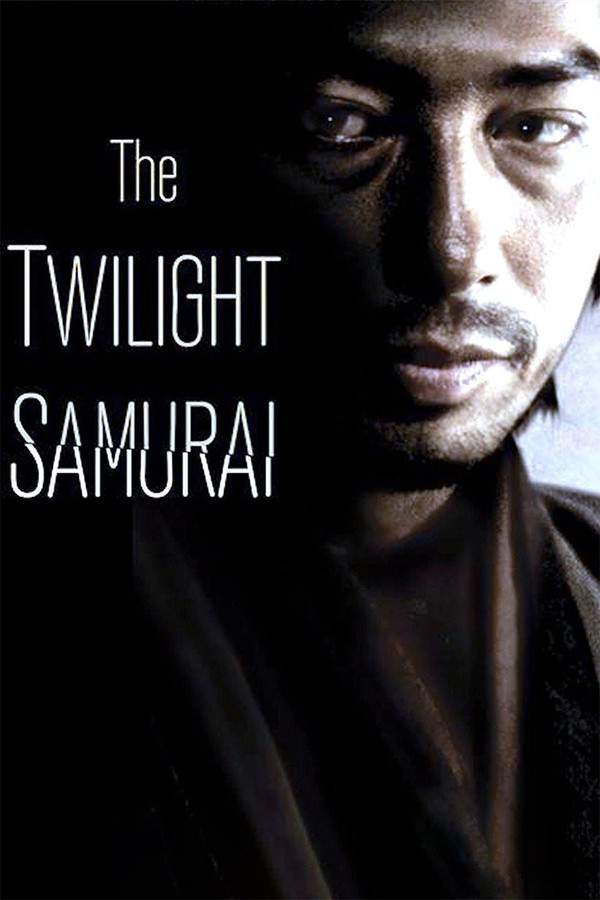
The Twilight Samurai (2004) Movie Recap & Themes
The Hidden Blade (2006) Spoiler-Packed Plot Recap
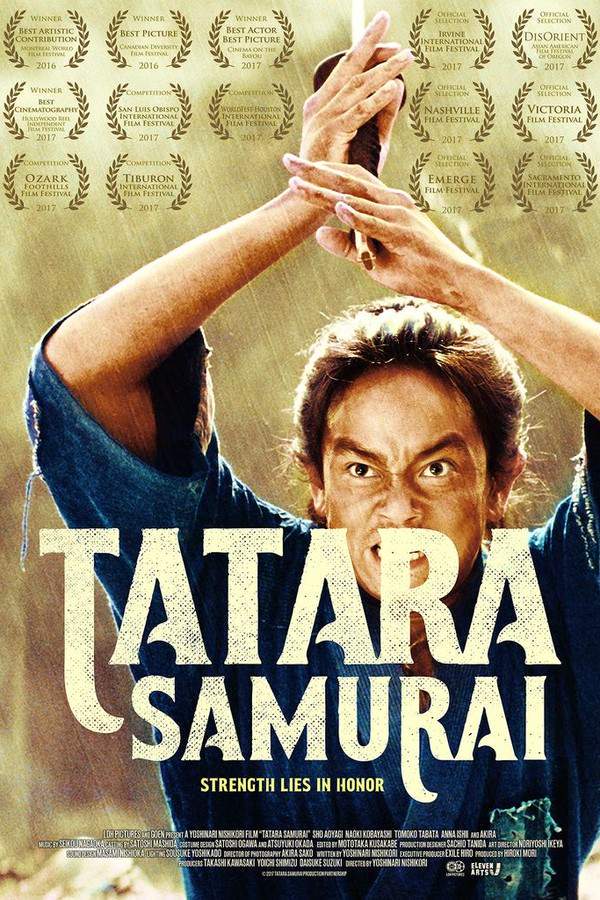
Tatara Samurai (2017) Spoiler-Packed Plot Recap
Hara-Kiri: Death of a Samurai (2012) Film Overview & Timeline
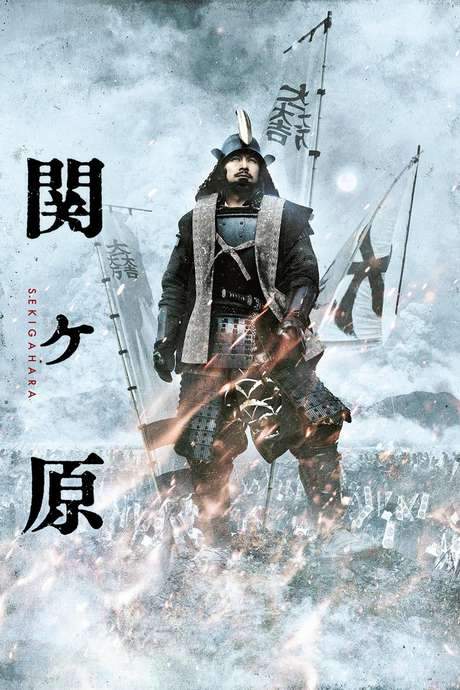
Sekigahara (2017) Plot Summary & Ending Explained
Samurai Marathon (2019) Full Movie Breakdown
Heaven and Earth (1990) Film Overview & Timeline
Kaidan (2007) Complete Plot Breakdown
Bushido: The Cruel Code of the Samurai (1963) Plot Summary & Ending Explained
Revenge (1964) Full Summary & Key Details
Sanjuro (1962) Film Overview & Timeline
The Betrayal (1966) Ending Explained & Film Insights
Samurai Assassin (1965) Film Overview & Timeline
Samurai from Somewhere (1964) Spoiler-Packed Plot Recap