Plot Explained Spoilers guaranteed!
Plot Explained

Browse by genre

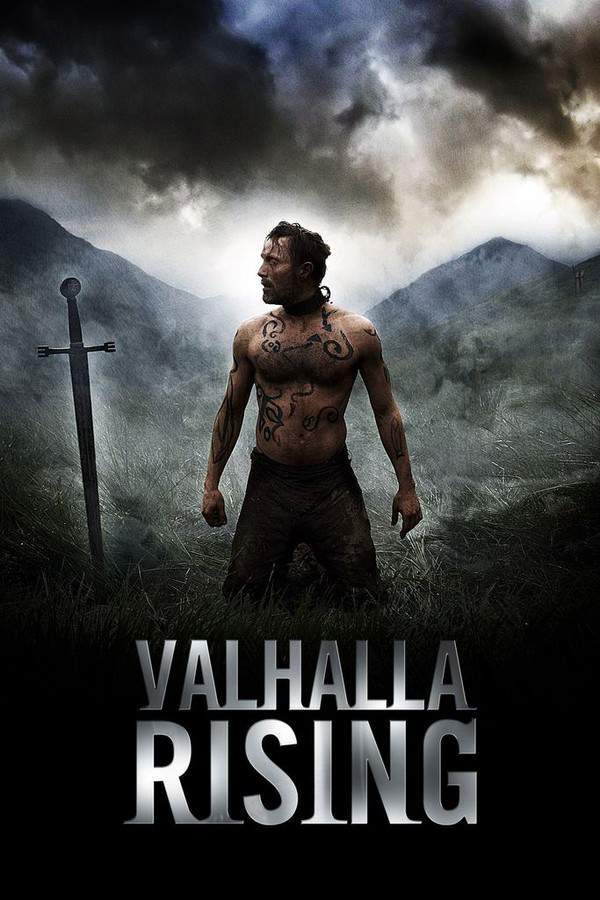
Valhalla Rising (2010) movie poster

Plot Summary

Valhalla Rising (2010) Plot Summary Explained

Release, runtime and language
2010 · 93 min · English
Loading streaming availability…
Starring
Mads Mikkelsen, Alexander Morton, Maarten Stevenson

A mysterious warrior known only as "One Eye" possesses incredible strength and an undefeated record, but he’s treated as a captive animal, finding comfort only in the offerings of a young boy. As Christianity's influence grows, threatening the old ways, One Eye is compelled to face this new force. He must then grapple with his purpose and value in a world that strips him of his humanity and confines his legendary power.

On this page (5)
  1. 1 Where to watch
  2. 2 What happens: full plot
  3. 3 Plot questions answered
  4. 4 Movie threads
  5. 5 Every angle
Loading streaming availability…

Full plot summary · contains spoilers

What Happens in Valhalla Rising: Full Plot Summary

The whole story of Valhalla Rising (2010) explained, from the opening scene to the final frame: every key event, every twist and what it all adds up to. Read it as a quick recap before the sequel, to check a scene you missed, or to finally understand what really happened.

In a powerful testament to resilience, a mute and one-eyed thrall known as One-Eye, once imprisoned by a Norwegian chieftain, faces relentless foes in a brutal fight for survival. He sustains himself through the companionship of a young thrall boy, who offers sympathetic glances, suggesting a bond that runs deeper than mere survival. As One-Eye (played by Mads Mikkelsen) dreams of freedom from his servitude, he envisions a moment of discovery—finding an arrowhead submerged in water. This revelation acts as a catalyst, empowering him to take revenge on his captor by brutally impaling the chieftain’s head on a nithing pole.

With his newfound liberty, One-Eye embarks on a journey with the young thrall boy, who is eager to follow him. They soon encounter a band of Christian Norsemen who are ruthlessly oppressing the local heathens in Scandinavian Scotland. As their expedition prepares for a Crusade to the Holy Land, One-Eye and the boy begin to resonate with the ideals of their new companions; however, their journey quickly spirals into chaos as treacherous fog engulfs them, leaving them disoriented in the merciless North Atlantic.

Just as hope seems lost, land appears on the horizon. While navigating up a river, they are ambushed by Skrælings, who are armed with stone arrowheads. The harsh truth of their misadventure strikes them: they are nowhere near the Holy Land. Their group’s leader, a fervent Christian, stubbornly insists on conquering the land for God despite the dire circumstances. Troubling visions continue to haunt One-Eye, providing vivid glimpses of violence and treachery, culminating in the horrifying sight of one companion being severely attacked with the boy as a witness.

Tensions escalate and the group turns on One-Eye, unleashing their fury, but he responds with lethal precision, protecting himself against their aggression. As the turmoil subsides, One-Eye and the boy flee the scene of devastation, pursued by the group's second-in-command, who has been severely wounded by their leader for his choice to abandon ship. The leader’s son appears, intent on emulating his father as the leader chooses to confront a grisly end. At the peak of a mountain, he queries One-Eye about the nature of their suffering, but One-Eye remains silent, allowing the young man to seek the answers within himself. Ultimately, the leader's son chooses to return to his father, leaving the injured second-in-command to contend with his fate alone.

As One-Eye and the boy near the rugged coast, they are met by a looming threat: a dozen warriors cloaked in clay, their features concealed beneath the earthy disguise. One-Eye, recognizing these figures from a prophetic vision, nods solemnly and bids farewell to the boy. He steps into the circle of tribesmen, willingly relinquishing his axe and knife. His once fiery gaze softens, as if accepting the weight of his destiny.

The unyielding warriors respond with brutal force, delivering a crushing blow from behind that sends One-Eye spiraling to the ground, followed by a merciless onslaught. As life ebbs from his body, his spirit begins its ascent, returning to the estuary where his earthly remains will lay. Like mist dispersing under the sun, he fades beneath the waves.

On the shore, the remaining tribe members retreat silently into the lush forest, leaving the boy alone to face the endless ocean. Above, the sky darkens, swirling clouds merge into a tempest reminiscent of the misty Highlands that enveloped the tale’s beginning. Within this turbulent sea of gray, One-Eye's visage manifests, an otherworldly beacon amidst the chaos of the heavens.
Last updated: November 22, 2024 at 15:42

Was this helpful?

Plot questions answered

Valhalla Rising Plot Explained: Your Questions Answered

The questions people ask most about Valhalla Rising (2010): what happens in the confusing scenes, why the characters do what they do, the twists, hidden details and what the ending means. Each answer contains spoilers.

Q1

Why does One-Eye never speak throughout the film?

One-Eye is established as mute from his time as a thrall, likely due to trauma or self-imposed silence after being dehumanized as a captive. His muteness reinforces his status as someone stripped of humanity and voice. He communicates through gestures, expressions, and action rather than words, which makes his final confrontation with the leader's son more powerful, he finally has the chance to speak but chooses silence.

  • one-eye
  • muteness
  • thrall
  • silence
  • communication
Q2

What is the significance of One-Eye finding the arrowhead in his dream?

The arrowhead One-Eye discovers underwater symbolizes his pathway to freedom and revenge. In Norse culture, an arrowhead represents weaponry and the ability to fight back. By finding it in a dream and then acting on it, One-Eye transforms from a passive captive into an agent of violence, using the same type of weapon (stone arrowheads) that will later be used by the Skrælings who ambush them.

Foreshadowing: The arrowhead foreshadows both One-Eye's violent revenge and the later encounter with Skrælings who use similar stone weapons.

  • arrowhead
  • dream
  • revenge
  • freedom
  • weapon
Q3

Why do One-Eye and the boy decide to join the Christian Norsemen?

After One-Eye kills the chieftain, he and the boy have gained freedom but lack direction or destination. The Christian Norsemen represent both a new path and a shelter, traveling with a group offers safety and purpose. Their journey seems driven by desperation and the hope of finding a better life, though the Crusade itself is not something they necessarily believe in; they simply have nowhere else to go.

  • crusaders
  • christian
  • one-eye
  • boy
  • journey
  • holy land
Q4

Why does the fog trap them and lead them astray from the Holy Land?

The fog represents a magical or fatalistic element that derails the Crusade's intended path. Rather than reaching the Holy Land, they end up in a harsh, unknown territory, likely somewhere in the Arctic or North Atlantic (possibly Greenland or Vinland). This derailment is central to the film's themes of fate and the impossibility of escape from one's destiny. The fog literally and symbolically obscures their path and purpose.

Foreshadowing: The fog is preceded by One-Eye's troubling visions, suggesting supernatural forces are guiding or manipulating their journey.

  • fog
  • crusade
  • holy land
  • navigation
  • disorientation
  • mystery
Q5

Who are the Skrælings that ambush them?

Skrælings is the Norse term for the indigenous people they encounter, likely the Inuit or other native peoples of the Arctic regions they mistakenly reach. The ambush reveals the Christian Norsemen have arrived far from their intended destination, in land inhabited by people who defend their territory against invaders. This encounter also represents the clash between the Christian crusaders and the 'heathen' or 'pagan' peoples the Norsemen sought to conquer.

  • skraelings
  • indigenous
  • native
  • ambush
  • attack
  • norse
Q6

What are One-Eye's visions about and what do they predict?

One-Eye experiences prophetic visions throughout the film that show violence, treachery, and the masked warriors who will ultimately kill him. These visions function as foreshadowing and suggest he has a connection to the spiritual or mystical realm, possibly a gift from his old 'pagan' beliefs. The visions reveal that his death is foretold and perhaps inevitable, reinforcing the film's fatalistic themes.

Foreshadowing: The visions foreshadow One-Eye's final confrontation with the masked warriors on the coast.

  • visions
  • prophecy
  • masked warriors
  • foretelling
  • death
  • fate
Q7

Why does One-Eye willingly face the masked warriors at the end?

One-Eye recognizes the masked warriors from his visions, indicating he knows this encounter is his destined fate. Rather than fighting them, he deliberately removes his weapons and steps forward to meet them, he appears to accept death as his purpose. This moment represents a reversal of his earlier fight for freedom; now he chooses surrender, possibly believing his sacrifice holds meaning or that resistance is futile against destiny.

Foreshadowing: One-Eye's visions earlier showed him these exact warriors, preparing both him and the viewer for this moment.

  • death
  • sacrifice
  • warriors
  • masked
  • destiny
  • fate
  • acceptance
Q8

What happens to the boy after One-Eye's death?

After One-Eye is killed by the masked warriors, his spirit visibly rises from his body and fades away, possibly returning to the spiritual realm. The boy is left alone on the shore, abandoned and without his protector. The darkened sky and storm clouds suggest a tragic ending for the boy as well, mirroring the bleak, fatalistic tone of the entire film.

  • boy
  • survival
  • alone
  • death
  • ending
  • abandonment
Q9

What is the nithing pole One-Eye uses for revenge?

A nithing pole (or nidstang) is a Norse ritual object used for cursing an enemy. By impaling the chieftain's head on this pole, One-Eye performs a ritualistic act of revenge that goes beyond mere killing, it symbolically humiliates the chieftain and asserts One-Eye's power over him. This act marks One-Eye's transformation from helpless thrall to formidable force.

  • nithing pole
  • revenge
  • ritual
  • cursing
  • norse
  • chieftain
Q10

Why do the Christian Norsemen attack One-Eye?

The group turns against One-Eye due to growing tensions and possibly fear of his mysterious power. After the Skræling ambush and the leader's increasingly fanatical insistence on conquering the land, the group becomes desperate and unstable. One-Eye's silence, his prophetic visions, and his status as a 'heathen' outsider likely make him a target for their frustration and violence, the same prejudice they show toward the indigenous peoples.

  • attack
  • norsemen
  • violence
  • one-eye
  • group
  • tension
Q11

What is the significance of the leader's son asking One-Eye about their suffering?

On the mountain, the leader's son asks One-Eye why they are suffering, representing a moment of spiritual questioning. One-Eye's silence forces the young man to seek his own answers, which may explain why he ultimately chooses to return to his father rather than continue with One-Eye. This scene explores themes of faith, purpose, and the search for meaning in suffering.

  • leader son
  • suffering
  • question
  • faith
  • meaning
  • mountain
Q12

What does One-Eye's spirit rising and the final vision represent?

After One-Eye is killed, his spirit visibly ascends from his body, suggesting an afterlife or spiritual journey. The final vision shows his face appearing in the stormy clouds above the boy, indicating his spirit remains present or watches over him. This mystical ending leaves interpretation open, it could represent One-Eye's soul returning to a spiritual homeland, finding peace, or becoming something larger than the physical world.

  • spirit
  • afterlife
  • vision
  • clouds
  • death
  • ascension
  • mystical
Q13

Is One-Eye meant to be a supernatural or mythological figure?

The film leaves One-Eye's nature deliberately ambiguous. His prophetic visions, his survival against impossible odds, his acceptance of death, and his spirit rising suggest he may be more than human, possibly a berserker warrior with mystical abilities or a figure from Norse mythology. However, the film never confirms this, instead leaving interpretation open while emphasizing his otherworldly quality.

  • supernatural
  • mythology
  • berserker
  • vision
  • one-eye
  • spiritual
Q14

Why is Valhalla Rising so visually brutal and violent?

The brutality serves the film's themes of dehumanization, survival, and the harsh reality of the era. The slow pacing and visceral violence create an immersive, bleak atmosphere that reflects the characters' lives as thralls and warriors. Rather than exploitative, the violence emphasizes the cost of One-Eye's existence and the world he inhabits, where life is cheap and death is constant.

  • brutality
  • violence
  • visual
  • themes
  • bleak
  • pacing

Movie threads

More Movies Like Valhalla Rising, by Mood & Story

Curated lists built around what makes Valhalla Rising tick: the same mood, the same kind of story or the same emotional payoff. Each list explains why these movies belong together.

Apocalyptic Sensory Journeys like in Valhalla Rising

Hypnotic and brutal films where atmosphere and imagery eclipse traditional plot. Find movies like Valhalla Rising that use slow pacing and immersive atmosphere to create a powerful sensory experience. If you liked the hypnotic, brutal, and visually-driven journey of Valhalla Rising, you'll appreciate these films where the world's feel is as important as the story.

  • atmospheric
  • dreamlike
  • oppressive
  • apocalyptic
  • meditative
  • brutal
  • Tone: bleak, apocalyptic, fatalistic
  • Pacing: slow, hypnotic, deliberate
Why these movies?

The story pattern: Narratives in this thread often follow a linear but ambiguous journey, more akin to a myth or a dream. Characters are pushed forward by forces beyond their control, moving through symbolic landscapes that reflect internal or existential conflicts. The focus is on the visceral, emotional impact of the journey rather than its logical resolution.

Why they belong together: Movies are grouped here based on their commitment to creating a powerful, atmospheric experience through deliberate pacing, striking cinematography, and a focus on sensory details. They share a common goal of making the viewer *feel* the world's weight and the characters' plight, often leaving a lasting impression through mood rather than plot twists.

Movies with Silent Warriors seeking meaning like in Valhalla Rising

Stories of enigmatic, violent figures grappling with their humanity in a hostile world. Explore films featuring silent, powerful protagonists on existential journeys, similar to One Eye in Valhalla Rising. If you liked the themes of humanity, purpose, and brutal conflict in Valhalla Rising, this collection highlights other stories about enigmatic warriors in unforgiving worlds.

  • brutal
  • fatalistic
  • somber
  • violent
  • existential
  • mythic
  • Tone: bleak, somber, fatalistic
  • Pacing: slow, deliberate
Why these movies?

The story pattern: The narrative pattern follows a archetypal warrior, defined by their actions rather than words, who is used as a tool by others. Their journey becomes one of breaking free from this role, often culminating in a fatalistic but meaningful sacrifice or a bleak realization about their place in the world.

Why they belong together: These movies share a focus on a specific character archetype: the silent,近乎神话般的战士。它们通过探索暴力、人性以及个人在压迫性意识形态或社会中的意义等相似主题而联系在一起。核心是一种忧郁的、存在主义的情感分量。

Every angle

Valhalla Rising (2010) Explained: Plot, Timeline & Characters

Everything about Valhalla Rising in one place: what happens in the plot summary, the timeline in chronological order, the characters and meaning and a spoiler-free summary. What's After the Movie adds the cast, box office and post-credit scenes.

Coming soon on iOS and Android

The Plot Explained Movie Summary App

Plot summaries, endings explained and timelines on your phone. Catch up on any movie in minutes, save your favorites and never miss a twist again.

Be the first to know when we launch. Your email stays private, always.

Learn more about the app