













Plot Explained Spoilers guaranteed!
Plot Explained

Browse by genre

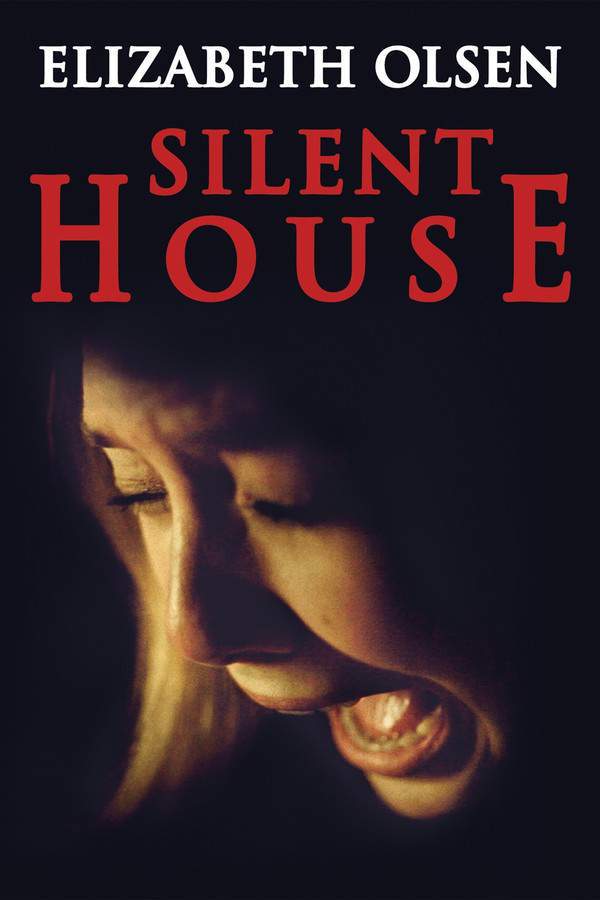
Silent House (2012) movie poster

Characters & Themes

Silent House (2012) Characters, Setting & Themes Explained

Release, runtime and language
2012 · 85 min · English
JustWatch #5,159 66
Directed by
Chris Kentis, Laura Lau
Starring
Elizabeth Olsen, Julia Taylor Ross, Adam Trese, Eric Sheffer Stevens

During a home renovation, Sarah becomes separated from her family inside an old house lacking basic utilities. As night falls and she loses contact with the outside world, a growing sense of isolation transforms into escalating terror. Unexplained and disturbing events occur, leaving Sarah to confront a horrifying ordeal within the decaying house.

On this page (8)
  1. 1 Where to watch
  2. 2 Characters explained (4)
  3. 3 Where & when it takes place
  4. 4 Themes & meaning (3)
  5. 5 Character & meaning questions
  6. 6 Movie threads
  7. 7 Movies like Silent House
  8. 8 Every angle

Where to watch

Where to Watch Silent House (2012)

Where can you watch Silent House? Stream, rent or buy it in the US, including on Peacock Premium, Peacock Premium Plus and The CW: current JustWatch availability with up-to-date prices.

Streaming availability powered by JustWatch

4 main characters · contains spoilers

Silent House Characters Explained: Who Is Who

The main characters of Silent House (2012), heroes and villains: what drives them, how they change over the course of the story and what each of them reveals about the film's bigger ideas.

  • Sarah (Elizabeth Olsen)

    A young woman staying in her family's dilapidated Victorian house, Sarah appears fragile at first but slowly reveals deep-seated trauma. As events unfold, she shifts between frightened survivor and fierce, calculating force. Her perception grows increasingly unreliable, hinting at dissociative processes and repressed abuse. She embodies both vulnerability and a fierce drive to survive and uncover the truth.

    • 🧠 Trauma
    • 😨 Fear
    • 🗝️ Memory
  • John (Eric Sheffer Stevens)

    The abusive patriarch who wields control through intimidation and sexual abuse. He presents a veneer of normalcy while exploiting Sarah and others, fueling the house's tension. His violence triggers Sarah's retaliation, revealing the devastating consequences of long-term abuse.

    • 🩸 Violence
    • 💔 Abuse
    • 🗝️ Control
  • Peter (Adam Trese)

    Sarah’s uncle who returns amid the family conflict. He becomes entangled in the abuse dynamic, attempting to intervene but trapped in a cycle of coercion and fear. His loyalties are divided, and his actions underscore the moral ambiguity surrounding accountability for the family’s harm. His ultimate fate remains unresolved.

    • 🕯️ Secrets
    • 🧭 Family
  • Sophia (Julia Taylor Ross)

    An apparent childhood friend at the door who turns out to be a figment of Sarah’s psyche. Sophia embodies the film’s themes of illusion and memory as Sarah’s trauma reshapes reality. Her existence serves to blur the line between past and present, sanity and madness.

    • 👻 Illusion
    • 🪞 Mirror
    • 🧠 Hallucination

Last updated: October 03, 2025 at 19:52

Was this helpful?

Setting

Where and When Does Silent House Take Place?

The setting of Silent House (2012): the year and time period, the places and locations, and how they shape the characters, the mood and the tension of the story.

Time period

Location

Family Victorian house, countryside

A dilapidated Victorian house in the countryside serves as the claustrophobic stage for the drama. The creaking floors, dim hallways, and hidden basement create a foreboding atmosphere where past traumas resurface. The house embodies neglect and secrecy, with its rooms bearing the weight of family history.

  • 🏚️ Victorian House
  • 🌾 Countryside Setting
  • 🧭 Isolation

Last updated: October 03, 2025 at 19:52

Was this helpful?

3 major themes

Silent House Meaning: Themes & Message Explained

What is Silent House (2012) really about? The emotional, social and philosophical themes the film keeps returning to, its symbolism and the message beneath the surface.

  • Trauma & Memory

    Trauma and repressed memories drive the narrative, forcing Sarah to confront events she cannot fully recall. The house acts as a mirror for her psyche, distorting time and reality as past abuse leaks into the present. Hallucinations and shifts between victim and aggressor reveal how childhood trauma shapes perception and behavior. The story suggests that memory, when fragmented, can manifest as dangerous, self-destructive actions.

  • Dissociation

    Sarah's alternating persona—the intruder and the frightened survivor—signals dissociative processes. The imagined Sophia dissolves into Sarah’s psyche, while the real abuser's presence becomes a mental battleground. The film blurs truth and illusion to illustrate how extreme stress fragments identity. This theme explores whether control over memory is possible when violence is part of oneself.

  • Abuse & Revenge

    The violence is rooted in long-term abuse; the film frames Sarah's retaliation as a culmination of years of trauma. She seeks release by confronting the abuser, flipping the power dynamic that harmed her. The story questions morality in situations where victims become aggressors. By the end, the line between justice and vengeance remains blurred.

Last updated: October 03, 2025 at 19:52

Was this helpful?

Character & theme questions

Silent House Characters & Meaning: Your Questions Answered

The questions people ask about Silent House (2012): who the characters really are, their relationships, what the symbols mean, where it takes place and what the movie is really about. Each answer contains spoilers.

Q1

Where is Silent House set?

The film takes place in a dilapidated Victorian house located in the countryside. This isolated rural setting reinforces the themes of seclusion and trapped trauma, with the decaying family home serving as both a physical and psychological prison for Sarah.

  • victorian house
  • countryside
  • isolated setting
  • family home
Q2

What does the house represent in Silent House?

The house functions as a mirror for Sarah's psyche, embodying neglect, secrecy, and repressed memories. Its creaking floors, dim hallways, and hidden basement mirror the dark corners of her mind where childhood trauma has been buried. The decay and deterioration reflect how unresolved abuse festers over time.

  • house symbolism
  • psychological horror
  • repressed memory
  • family secrets
Q3

Who is Sarah in Silent House?

Sarah is the protagonist portrayed by Elizabeth Olsen, a young woman who appears fragile but harbors deep-seated trauma from childhood abuse. Throughout the film, she shifts between a frightened survivor and a calculating force, demonstrating dissociative processes as she confronts repressed memories of abuse by her father figure.

  • sarah
  • elizabeth olsen
  • protagonist
  • trauma survivor
Q4

Who is John in Silent House?

John is the abusive patriarch of the family, portrayed by Eric Sheffer Stevens. He maintains a veneer of normalcy while sexually abusing Sarah and wielding control through intimidation. His presence in the house triggers Sarah's violent retaliation, representing the cycles of abuse that persist within family structures.

  • john
  • abusive father
  • patriarch
  • family abuse
Q5

What does Sophia represent in Silent House?

Sophia, portrayed by Julia Taylor Ross, appears as Sarah's childhood friend but is revealed to be a figment of her psyche. She embodies the film's themes of illusion and memory distortion, representing how trauma reshapes reality. Her existence blurs the line between past and present, sanity and madness.

  • sophia
  • hallucination
  • psychological delusion
  • memory distortion
Q6

What is the Trauma & Memory theme in Silent House?

The film centers on trauma and repressed memories that drive Sarah to confront events she cannot fully recall. The house distorts time and reality as past abuse leaks into the present. Hallucinations and shifts between victim and aggressor reveal how childhood trauma shapes perception and behavior, with fragmented memory manifesting as dangerous, self-destructive actions.

  • trauma
  • repressed memory
  • childhood abuse
  • psychological horror
Q7

What does dissociation mean in Silent House?

Dissociation in the film refers to Sarah's fragmented identity caused by extreme stress and abuse. She alternates between personas, the intruder and the frightened survivor, signaling dissociative processes. The film blurs truth and illusion to illustrate how violence fragments identity, exploring whether control over memory is possible when trauma is woven into one's sense of self.

  • dissociation
  • dissociative identity disorder
  • split personality
  • psychological fragmentation
Q8

How does Silent House handle abuse and revenge?

The violence in the film stems from long-term abuse, framing Sarah's retaliation as the culmination of years of trauma. She seeks release by confronting her abuser, flipping the power dynamic that harmed her. The story questions the morality of victims becoming aggressors, leaving the line between justice and vengeance blurred.

  • abuse
  • revenge
  • victimhood
  • cycle of violence
  • patricide
Q9

What type of horror is Silent House?

Silent House is a psychological horror film that relies on sustained tension, disturbing themes, and the breakdown of its protagonist's mind rather than jump scares or gore. The film uses a continuous real-time 'single take' illusion to create an inescapable, claustrophobic atmosphere that mirrors Sarah's psychological state.

  • psychological horror
  • real-time filmmaking
  • single take
  • sustained tension
Q10

Why is isolation important in Silent House?

Isolation is central to the film's terror. Sarah becomes separated from her family inside the house lacking basic utilities, and as night falls and contact with the outside world is lost, her sense of isolation transforms into escalating terror. This physical and emotional isolation creates the conditions for repressed memories to surface.

  • isolation
  • trapped
  • helplessness
  • disconnection

Movie threads

More Movies Like Silent House, by Mood & Story

Curated lists built around what makes Silent House tick: the same mood, the same kind of story or the same emotional payoff. Each list explains why these movies belong together.

Subjective psychological horror movies like Silent House

Stories that trap you inside a character's unraveling perception of reality. If you were captivated by the claustrophobic, first-person terror of Silent House, this list features movies that trap you inside a character's mind. These films use immersive techniques to blur reality and delusion, creating similar experiences of psychological unraveling and nightmarish terror.

  • subjective
  • unreliable narrator
  • paranoid
  • disorienting
  • traumatic
  • nightmarish
  • Tone: dark, paranoid, unsettling
  • Pacing: fast, relentless, immersive
Why these movies?

The story pattern: These narratives often begin with a character in a vulnerable or isolated state, where a seemingly external threat gradually reveals itself to be an internal one. The story unfolds through their distorted perspective, using visual and auditory cues to sow doubt, forcing the audience to question what is real until a traumatic truth is violently uncovered.

Why they belong together: Movies in this thread share a commitment to subjective storytelling, using techniques like continuous shots, unreliable narration, and surreal imagery to mirror a character's mental state. They prioritize psychological dread over jump scares, building tension through ambiguity and a shared sense of paranoia with the protagonist.
Claustrophobic single location horror movies like Silent House

Tense stories of confinement where the setting itself becomes the antagonist. Fans of the trapped-in-a-house terror of Silent House will find more chilling tales of confinement here. This list gathers horror movies that use a single, isolated location to create maximum claustrophobia and relentless tension, where the walls feel like they are closing in.

  • claustrophobic
  • confined
  • trapped
  • anxious
  • tense
  • survival
  • Tone: tense, anxious, bleak
  • Pacing: fast, steady, unrelenting
Why these movies?

The story pattern: The plot is typically simple and direct: a character or group becomes trapped in a confined space with a growing threat. The narrative is driven by escalating events and the exploration of the location's secrets, with pacing that offers little respite, constantly raising the stakes as escape seems increasingly impossible.

Why they belong together: This thread groups films where the setting is a primary source of horror. The shared elements are intense claustrophobia, a fast or steady pacing that maintains high tension, and a focus on survival within severely limited boundaries, creating a visceral and anxiety-inducing experience.

If you liked this

Movies Like Silent House

Similar movies to Silent House: the same genre, themes or kind of story. Each one comes with its own plot summary, timeline and ending explained.

Browse all movie summaries

Every angle

Silent House (2012) Explained: Plot, Timeline & Characters

Everything about Silent House in one place: what happens in the plot summary, the timeline in chronological order, the characters and meaning and a spoiler-free summary. What's After the Movie adds the cast, box office and post-credit scenes.

Coming soon on iOS and Android

The Plot Explained Movie Summary App

Plot summaries, endings explained and timelines on your phone. Catch up on any movie in minutes, save your favorites and never miss a twist again.

Be the first to know when we launch. Your email stays private, always.

Learn more about the app