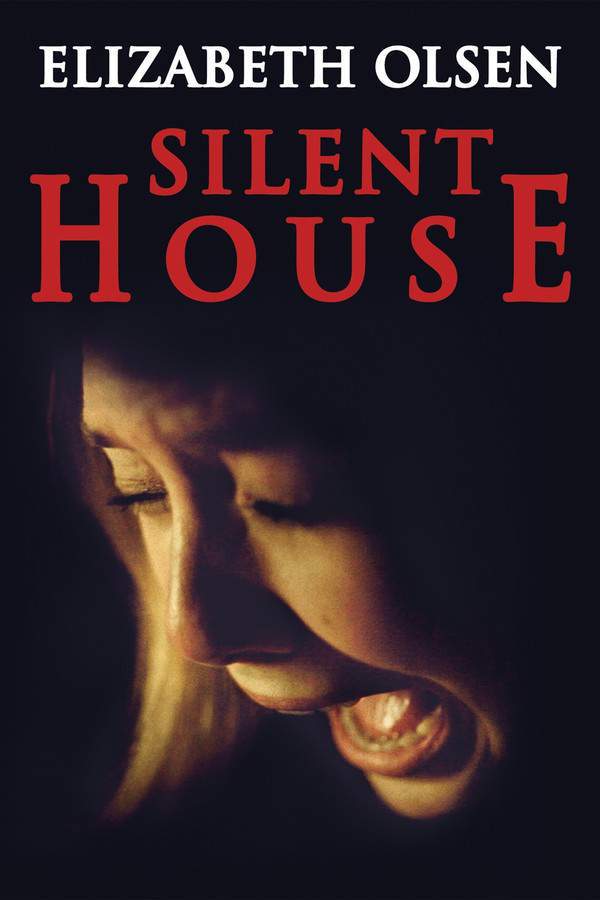
The cast includes Elizabeth Olsen, Julia Taylor Ross, Adam Trese, and Eric Sheffer Stevens.
A young woman named Sarah travels to her family's dilapidated Victorian house in the countryside to help her father, John, and her uncle, Peter, fix it up for sale. What starts as a quiet family task quickly sours into tension between the men, and after a petty argument, Peter leaves to town for extra tools. At the front door, Sarah encounters a woman named Sophia who insists she is a childhood friend of Sarah’s, though the memory of that friend feels faint and difficult to place for her.
Moments later, a panic unfolds as John falls down the stairs. Sarah tries to flee, but every exit seems blocked, and she must navigate a growing sense of danger as an unknown figure lurks inside the house. She finds John unconscious with a head wound and makes her way to the basement in search of a cellar door that could lead outside. In the dim space she discovers signs that someone else has been living there—perhaps squatters—and a figure seems to be roaming the halls in search of her. She escapes through the cellar door just in time.
Outside, Peter returns and a young girl on the road seems to vanish as if into thin air. The house’s power is cut, leaving a single unreliable light: the flash from a Polaroid camera. Through a rapid series of flashes, Sarah catches glimpses of the young girl and a man in a room that remains out of reach. When power flickers back on, John is found missing from the house, heightening the sense of peril.
With the lights restored, two men appear in the home, taking photographs that suggest a predatory intent toward a hidden girl. Sarah fights back, attempting to shoot one of the men with Peter’s gun, but the danger feels inescapable as she hides in her room and begins to slip into paranoia and dissociation. What follows are vivid, unsettling visions—traumatic childhood memories manifest as hallucinations, including a bloodstain on a bed and a bathtub scene filled with beer bottles and bloody water.
Driven by fear, Sarah flees and encounters Sophia again, but the tension deepens when it becomes clear that John is alive, though wrapped in plastic and sitting rigid in the living room. Sophia hands Sarah a key to a box that contains photographs of Sarah as a little girl, implying that John terminally abused her. The narrative threads hint that her recent, confusing interactions and the unsettling visions may be repressed memories surfacing under the weight of trauma. Dissociative identity disorder appears to color Sarah’s sense of reality, blurring the line between victim and intruder as she moves through the house.
In the heat of this internal conflict, the so-called intruder seems to be a projection of Sarah herself, dragged into the living room by a force she cannot fully control. Sophia turns out to be a figment of her imagination, a less tangible ally or ghostly guide in this nightmarish unraveling. John urges Sarah to untie him, only to discipline her with a belt, and Peter’s pleas go unanswered as the mood darkens.
The climax arrives with a brutal act: as John’s back remains turned, Sarah uses a sledgehammer to strike, killing him. Peter pleads for mercy and recalls that he should have stopped the abuse long ago, highlighting the dark past the house harbors. After the act, Sarah chooses silence and exits the scene, leaving Peter alone to confront the aftermath, the consequences of what has occurred, and the fate that now remains unresolved.