Year: 2012
Runtime: 101 min
Language: English
Director: Mark Tonderai
Budget: $10M
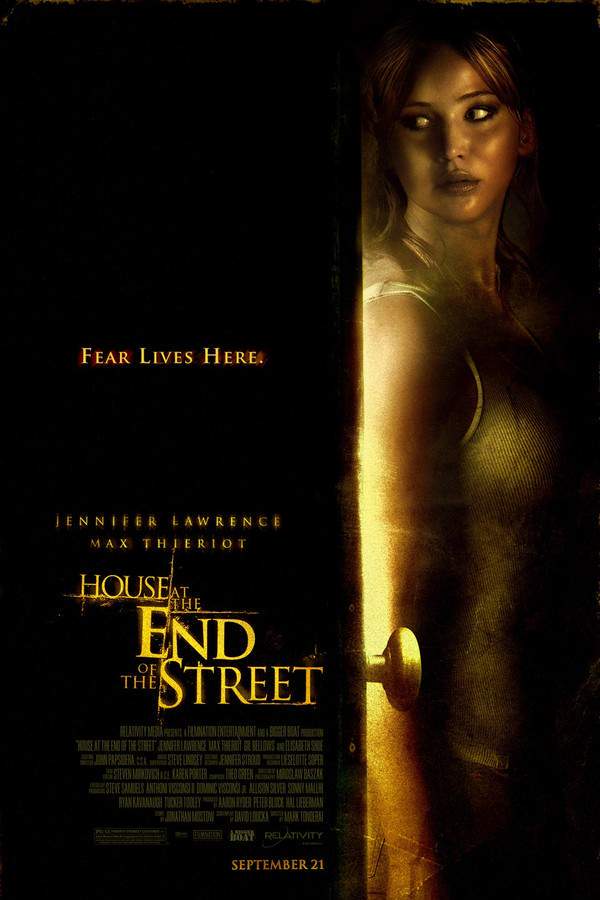
A recently divorced woman and her young daughter seek a fresh start in a quiet, idyllic town. However, their sense of security is shattered when they discover a disturbing secret connected to their enigmatic neighbor. As they investigate, they find themselves drawn into a dangerous mystery involving a troubled young man with a dark past, putting their lives and safety in jeopardy.
Warning: spoilers below!
Haven’t seen House at the End of the Street yet? This summary contains major spoilers. Bookmark the page, watch the movie, and come back for the full breakdown. If you're ready, scroll on and relive the story!
Read the complete plot breakdown of House at the End of the Street (2012), including all key story events, major twists, and the ending explained in detail. Discover what really happened—and what it all means.
The story begins with a chilling view from the perspective of a psychotic killer, seemingly a teenage girl with long hair clad in a nightdress, brutally murdering her parents with a hammer during a stormy night. The scene is distorted, hinting at the killer’s unstable mental state.
Fast forward four years, and we meet Sarah Cassidy (Elisabeth Shue) and her teenage daughter Elissa Cassidy (Jennifer Lawrence), who have just moved into what they believe is their dream home in a quaint yet upscale town. However, their excitement quickly turns to dread when they discover unsettling events unfolding around them. They learn from the locals that four years prior, a girl named Carrie-Ann Jacobson murdered her parents in the very house next door and vanished into the nearby woods. While most residents assume she drowned in the river, the absence of her body gives rise to the eerie belief that she may still be alive, lurking within the forest.
Living next to them is Ryan Jacobson (Max Thieriot), the only living relative of Carrie-Ann, who had been caring for his sick aunt far away at the time of the murders. Now alone in his dilapidated home, Ryan faces the scorn of the neighborhood, which blames him for driving down property values. A local police officer, Bill Weaver (Gil Bellows), stands as Ryan’s only ally.
Despite Sarah’s objections, Elissa and Ryan begin to develop a romantic relationship. Ryan opens up about his past, confessing that he inadvertently hurt Carrie-Ann during a childhood swing accident, leaving her aggressive due to brain damage. Flashbacks reveal the sinister reality that, since the murders, Ryan has been secretly caring for a woman resembling Carrie-Ann in a hidden chamber within the house – a secret unknown to the townsfolk. Carrie-Ann manages to escape twice and attempts to attack Elissa, but during the second escape, Ryan inadvertently kills her while trying to hide her from a group of teenagers.
As tensions rise, Ryan finds himself in a confrontation at a battle of the bands event, where he is assaulted by other students, leading him to react and break one of their ankles. The situation escalates as his house is targeted for an arson attack, which Elissa narrowly prevents. She later discovers peculiar items that imply a much darker truth about Ryan’s life. Among these, she finds evidence of Ryan’s hidden room where Carrie-Ann has been kept.
When Elissa stumbles upon the terrible truth and is attacked by Carrie-Ann, Ryan resorts to knocking her unconscious and binding her to a chair. He reveals his twisted perspective, claiming that Carrie-Ann actually died in the swing incident but that he still needs her in his life. He expresses his desire to mold Elissa into the new Carrie-Ann to fulfill his obsession.
As the shocking narrative unfolds, it becomes evident that the girl they thought was Carrie-Ann was a different victim who had managed to escape Ryan’s grasp at one point. In a confrontation with Officer Weaver, Ryan’s violent tendencies manifest when he fatally stabs Weaver, furiously hiding his horrific actions from the world.
As Elissa fights for her life, she ultimately escapes, but not before a disturbing series of events leads to a confrontation with Ryan, who stabs Sarah in a frantic struggle. In an intense climax, Elissa finally takes control, shooting Ryan multiple times with Weaver’s gun, forcing him into submission.
The film closes with Elissa and Sarah leaving the house haunted by their experiences while Ryan is shown confined in a mental institution. A haunting flashback reveals the traumatic origins of Ryan’s disturbed psyche, illustrating the profound abuse he suffered at the hands of his parents after Carrie-Ann’s tragic demise, showing just how deep the scars of his past truly run.
Last Updated: November 02, 2024 at 13:58
Discover curated groups of movies connected by mood, themes, and story style. Browse collections built around emotion, atmosphere, and narrative focus to easily find films that match what you feel like watching right now.
Thrillers where idyllic neighborhoods hide terrifying truths.If you liked the unsettling discovery of a neighbor's dark secret in House at the End of the Street, you'll find similar stories here. This collection features movies where seemingly perfect communities conceal dangerous mysteries, creating a potent mix of domestic horror and psychological thrills.
These narratives typically follow new residents or curious outsiders who begin to suspect their neighbors are not what they seem. The plot unfolds through gradual investigation, revealing layers of deception, obsession, or violence that shatter the illusion of safety within a community.
Movies are grouped here for their shared focus on the 'horror next door' trope. They leverage the familiar setting of a home or neighborhood to create a deeply relatable and therefore more potent sense of fear, centered on themes of deception, hidden danger, and the violation of trust.
Stories where deep-seated psychological wounds fuel the horror.For viewers who appreciated the heavy emotional weight and exploration of psychological trauma in House at the End of the Street. These movies similarly blend high-tension thrills with deep, often tragic character studies, resulting in a bittersweet or bleak resolution.
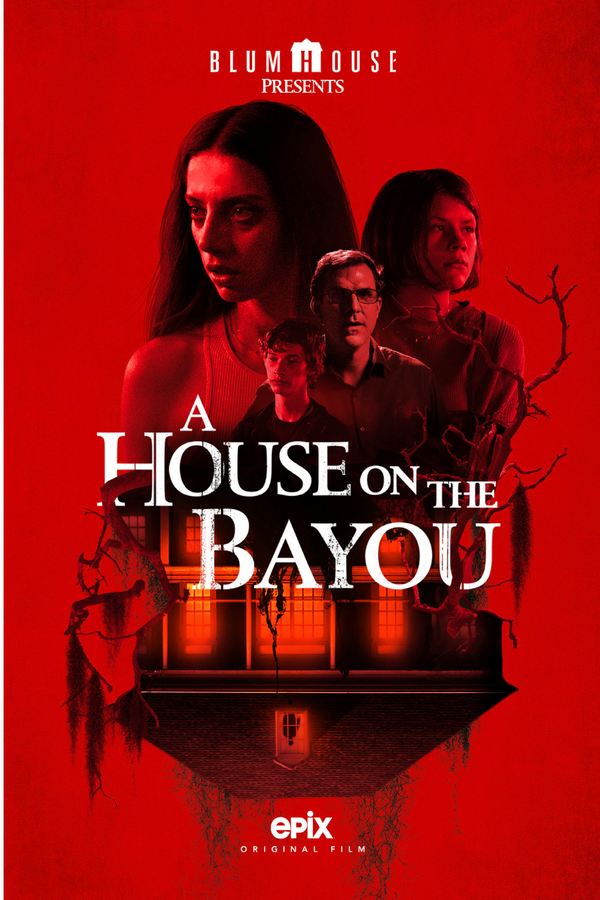
The narrative pattern often involves uncovering a villain's tragic backstory, typically involving severe abuse or loss, which explains but does not excuse their actions. The conflict is as much psychological as it is physical, leaving characters—and the audience—with a heavy sense of sorrow amidst the relief of survival.
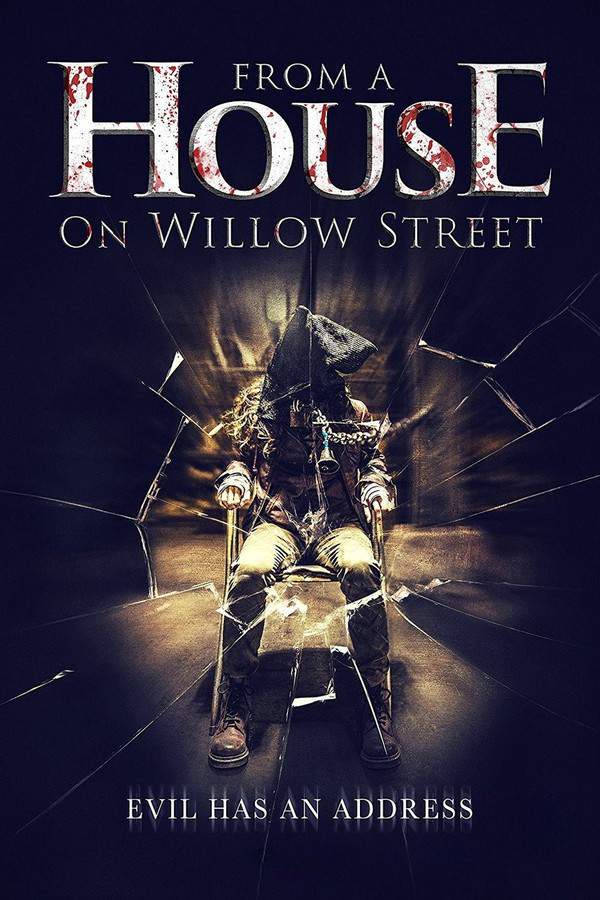
These films are united by their commitment to exploring the causes and consequences of severe trauma within a thriller framework. They share a dark tone, high emotional weight, and often a bittersweet ending, prioritizing psychological depth alongside suspense.
Don't stop at just watching — explore House at the End of the Street in full detail. From the complete plot summary and scene-by-scene timeline to character breakdowns, thematic analysis, and a deep dive into the ending — every page helps you truly understand what House at the End of the Street is all about. Plus, discover what's next after the movie.
Track the full timeline of House at the End of the Street with every major event arranged chronologically. Perfect for decoding non-linear storytelling, flashbacks, or parallel narratives with a clear scene-by-scene breakdown.
Discover the characters, locations, and core themes that shape House at the End of the Street. Get insights into symbolic elements, setting significance, and deeper narrative meaning — ideal for thematic analysis and movie breakdowns.
Get a quick, spoiler-free overview of House at the End of the Street that covers the main plot points and key details without revealing any major twists or spoilers. Perfect for those who want to know what to expect before diving in.
Visit What's After the Movie to explore more about House at the End of the Street: box office results, cast and crew info, production details, post-credit scenes, and external links — all in one place for movie fans and researchers.
Discover movies like House at the End of the Street that share similar genres, themes, and storytelling elements. Whether you’re drawn to the atmosphere, character arcs, or plot structure, these curated recommendations will help you explore more films you’ll love.
House at the End of the Street (2012) Scene-by-Scene Movie Timeline
House at the End of the Street (2012) Movie Characters, Themes & Settings
House at the End of the Street (2012) Spoiler-Free Summary & Key Flow
Movies Like House at the End of the Street – Similar Titles You’ll Enjoy
The Night House (2021) Plot Summary & Ending Explained
The House (2017) Film Overview & Timeline
A House on the Bayou (2021) Full Summary & Key Details
House on Willow Street (2017) Full Summary & Key Details
The House on Sorority Row (1983) Story Summary & Characters
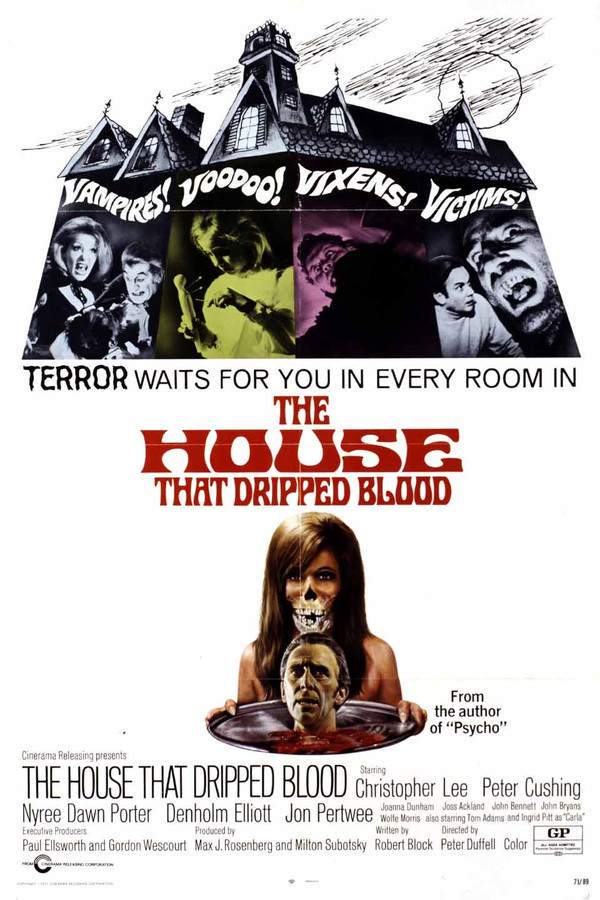
The House That Dripped Blood (1971) Plot Summary & Ending Explained
House (1986) Ending Explained & Film Insights
The House by the Cemetery (1981) Complete Plot Breakdown
The House by the Lake (1976) Spoiler-Packed Plot Recap
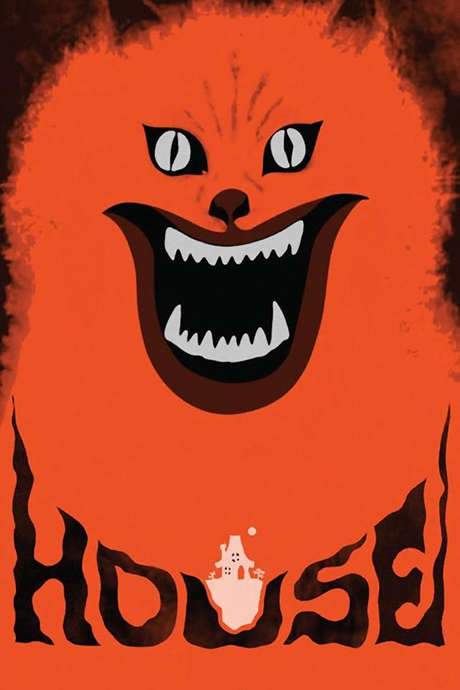
House (1977) Detailed Story Recap
Stranger in Our House (1978) Complete Plot Breakdown
The Red House (1947) Film Overview & Timeline
House of Terror (1973) Ending Explained & Film Insights
Hallow Road (2025) Detailed Story Recap
Hallow Road (2025) Film Overview & Timeline