Plot Explained Spoilers guaranteed!
Plot Explained

Browse by genre

Rhapsody (1954) movie poster

Characters & Themes

Rhapsody (1954) Characters, Setting & Themes Explained

Release, runtime and language
1954 · 115 mins · English
Loading streaming availability…
Directed by
Charles Vidor
Starring
Stuart Whitman, Michael Chekhov, Louis Calhern, Elizabeth Taylor, Celia Lovsky, Madge Blake

MGM’s sumptuous musical romance follows wealthy young Louise Durant, who accompanies the violinist she loves to Zurich’s conservatory. There a piano student becomes infatuated with her. The violinist prioritizes his art, the pianist his affection. Caught between the two, Louise must decide which love she will choose.

On this page (9)
  1. 1 Where to watch
  2. 2 Characters explained (6)
  3. 3 Where & when it takes place
  4. 4 Themes & meaning (4)
  5. 5 Character & meaning questions
  6. 6 The book behind the movie
  7. 7 Movie threads
  8. 8 Movies like Rhapsody
  9. 9 Every angle
Loading streaming availability…

6 main characters · contains spoilers

Rhapsody Characters Explained: Who Is Who

The main characters of Rhapsody (1954), heroes and villains: what drives them, how they change over the course of the story and what each of them reveals about the film's bigger ideas.

  • Louise Durant (Elizabeth Taylor)

    Louise Durant is a debutante who longs for independence and artistic fulfillment. She runs away with Bronte to Zürich and grapples with her father's disapproval and social expectations. Her relationships move between Bronte and James Guest, and she even attempts to end her life when Bronte withdraws his attention. In the Paris and Zürich arcs, she marries Guest to cope and then hints at leaving with Bronte, ending the film with a tender reconciliation that keeps her future open.

    • 💃 Debutante
    • 🎶 Music lover
    • 💔 Romantic conflict
  • Paul Bronte (Vittorio Gassman)

    Paul Bronte is an ambitious violinist whose rising fame defines the plot. He prioritizes rehearsal and performance, often ignoring Louise's needs while planning a Rome-bound tour. He is seen with another woman after a performance, highlighting his flirtation with success over commitment. His career-driven nature drives Louise toward tough choices about love and loyalty.

    • 🎻 Violinist
    • 🧭 Career-driven
    • 🥇 Rising star
  • James Guest (John Ericson)

    James Guest is an affable American who becomes Louise's confidant and stabilizing force. He follows her to Paris and marries her in an attempt to shield her from heartbreak while she cope with Bronte's rising fame. He remains loyal even as she drifts between him and Bronte, ultimately sharing a quiet moment of reconciliation when she finally acknowledges his support.

    • 🤝 Friend
    • 💖 Romantic interest
    • 👔 Supporting husband
  • Nicholas Durant (Louis Calhern)

    Nicholas Durant is Louise's aristocratic father, protective and skeptical of Bronte's pretensions. He is openly critical of Bronte, calling him arrogant and predicting trouble, yet his disapproval stems from care for his daughter's future. He embodies the social pressures Louise navigates, and he ultimately offers a tempered endorsement of her decisions.

    • 👨 Father
    • 🛡️ Protector
    • 🎭 Social gatekeeper
  • Prof. Schuman (Michael Chekhov)

    Prof. Schuman is the conservatory professor who oversees Louise's audition and Bronte's rehearsals. He represents the rigorous standards of classical training and acts as a gatekeeper to the musical world. His presence foregrounds the clash between art's discipline and the lovers' emotional turbulence.

    • 👨‍🏫 Professor
    • 🎼 Conservatory
    • 🧭 Gatekeeper
  • Frau Sigerlist (Celia Lovsky)

    Frau Sigerlist is the Zürich matron who explains the rental of the attic to an American and anchors the early domestic texture of Louise's life there. She embodies the practical side of urban European life that frames the lovers' stories. Though minor, her role marks the shift from a gilded home to the world of music and romance.

    • 🏢 Landlord
    • 🗝️ Gatekeeper
    • 🧭 Local guide

Last updated: October 05, 2025 at 08:36

Was this helpful?

Setting

Where and When Does Rhapsody Take Place?

The setting of Rhapsody (1954): the year and time period, the places and locations, and how they shape the characters, the mood and the tension of the story.

Time period

1950s

The story unfolds in the mid-20th century, a time of elegant social rituals and rising fame in European cultural circles. It depicts a world of grand concerts, exclusive social gatherings, and the rapid movement between cities that defined glamorous life. Fashion, manners, and the orchestral music scene anchor the film's atmosphere, shaping how characters pursue love and artistic success.

Location

Zürich, Paris, Rome

Zurich serves as the core setting: a refined Swiss city with elegant flats and a thriving concert scene. It hosts the audition, Bronte's rehearsals, and the social intrigue that tests Louise's longing for art and affection. The plot traces Louise between Zurich's music world and the later jump to Paris and Rome, showing how place shapes love and career. The cities—Zurich, Paris, and Rome—frame a European stage where ambition and romance collide.

  • 🎨 European culture
  • 🗺️ City of music
  • 🏔️ Alpine city

Last updated: October 05, 2025 at 08:36

Was this helpful?

4 major themes

Rhapsody Meaning: Themes & Message Explained

What is Rhapsody (1954) really about? The emotional, social and philosophical themes the film keeps returning to, its symbolism and the message beneath the surface.

  • Ambition

    Bronte's rising talent drives the narrative, with his practice, premieres, and touring plans taking center stage. Louise's longing for both love and a shared future with him is consistently tested by his dedication to music. The story questions whether artistic greatness can coexist with intimate connection, or if success demands emotional distance. Ultimately, Bronte's career squeeze shapes every decision Louise makes.

  • Love vs Career

    Louise and Bronte's romance is continually interrupted by the demands of Bronte's career, leaving her feeling overlooked and unfulfilled. James Guest's steady devotion offers a temporary refuge, yet it cannot fully satisfy her longing for Bronte. The relationship triangle shows how love can become entangled with ambition, pride, and longing. The tension resolves only when Louise weighs her heart against the music's pull.

  • Fame and Spectacle

    The world of agents, concerts, and public recognition frames the narrative's glamour and danger. Louise's life is caught between the private world she desires and the public stage that drapes Bronte in acclaim. The concert becomes a theater where affection fades behind applause and headlines. The film critiques how fame can erode personal intimacy, leaving lovers to perform for others.

  • Choice and Resolution

    In the end, Louise's choices redirect her path from spectacle to genuine connection. She moves through heartbreak, reconciliation, and renewed devotion with Guest, while Bronte remains an enduring influence on her heart. The final moments emphasize that love, more than status, defines happiness. The conclusion leaves a hopeful note about healing and potential new beginnings.

Last updated: October 05, 2025 at 08:36

Was this helpful?

Character & theme questions

Rhapsody Characters & Meaning: Your Questions Answered

The questions people ask about Rhapsody (1954): who the characters really are, their relationships, what the symbols mean, where it takes place and what the movie is really about. Each answer contains spoilers.

Q1

Where does the movie take place?

The film is set primarily in Zurich, Switzerland, where the story unfolds at the conservatory and among the city's elegant music scene. The narrative then expands to include Paris and Rome, depicting the European cities where the characters pursue their musical careers and romantic ambitions. These three cities create a sophisticated backdrop that reflects the characters' aspirations and the glamorous world of classical music.

  • zurich
  • paris
  • rome
  • setting
  • locations
  • european cities
Q2

What time period is the story set in?

The movie takes place in the 1950s, during the mid-20th century when European cultural circles were defined by elegant social rituals and the rising fame of classical musicians. The era is characterized by grand concerts, exclusive gatherings, and rapid travel between cities, all of which shape the characters' pursuit of love and artistic success.

  • 1950s
  • time period
  • mid-20th century
  • era
Q3

What are the main themes?

Rhapsody explores several interconnected themes: the tension between artistic ambition and personal relationships, the clash between love and career dedication, the isolating effects of fame and public recognition, and the process of making meaningful life choices. These themes converge around the central love triangle and the sacrifices demanded by passion and art.

  • themes
  • ambition
  • love
  • career
  • fame
  • choice
Q4

What does the ambition theme represent?

The ambition theme centers on Paul Bronte's rising talent as a violinist, which drives the narrative forward. His dedication to practice, premieres, and touring constantly tests Louise's longing for love and a shared future. The film questions whether artistic greatness can coexist with intimate connection, suggesting that success often demands emotional distance that strains relationships.

  • ambition
  • paul bronte
  • musician
  • career
  • success
Q5

How does the love vs career theme develop?

The love vs career theme manifests through Louise and Bronte's romance being repeatedly interrupted by Bronte's professional commitments. Louise feels overlooked as Bronte prioritizes his music career. James Guest's steady devotion offers her refuge, but she remains drawn to Bronte despite his neglect. The theme explores how love becomes entangled with ambition, pride, and longing.

  • love
  • career
  • louise bronte
  • james guest
  • romance triangle
Q6

What does the fame and spectacle theme explore?

The fame and spectacle theme depicts how the world of agents, concerts, and public recognition shapes the narrative's glamour and danger. Louise finds herself caught between the private world she desires and the public stage that surrounds Bronte with acclaim. The film critiques how fame can erode personal intimacy, leaving lovers performing for others rather than connecting genuinely.

  • fame
  • concerts
  • public recognition
  • celebrity
  • music industry
Q7

Who is Louise Durant and what is her role?

Louise Durant is a debutante who longs for independence and artistic fulfillment. She runs away with the violinist Bronte to Zurich, defying her father's disapproval and social expectations. Throughout the film, she navigates her feelings between the ambitious Bronte and the loyal James Guest, ultimately seeking a life that balances love with personal freedom.

  • louise durant
  • character
  • protagonist
  • debutante
Q8

Who is Paul Bronte and what motivates him?

Paul Bronte is an ambitious violinist whose rising fame defines the plot. He prioritizes rehearsal and performance, often ignoring Louise's emotional needs while planning tours, particularly to Rome. His career-driven nature and flirtation with success over commitment drive much of the film's emotional conflict, making him both magnetic and frustrating to Louise.

  • paul bronte
  • violinist
  • ambition
  • musician
  • career
Q9

Who is James Guest and what role does he play?

James Guest is an affable American who becomes Louise's confidant and stabilizing force. He follows her to Paris and eventually marries her in an attempt to shield her from heartbreak during Bronte's rise to fame. His loyalty and steady devotion provide a counterpoint to Bronte's ambition, though he remains caught in the love triangle throughout the film.

  • james guest
  • american
  • supportive
  • loyal
  • husband
Q10

Who is Nicholas Durant and what is his significance?

Nicholas Durant is Louise's aristocratic father who is protective and skeptical of Bronte's intentions. He openly criticizes Bronte as arrogant and predicts trouble for his daughter, though his disapproval stems from care for her future. He embodies the social pressures Louise must navigate as she chooses between following her heart and respecting her family's expectations.

  • nicholas durant
  • father
  • aristocratic
  • protective
  • social expectations
Q11

What is the film's tone and emotional atmosphere?

The film carries a melancholic tone dominated by themes of longing and sacrifice, though it avoids being bleak. The emotional intensity is medium, balanced with quieter, character-driven scenes focused on music and personal reflection. The ending feels bittersweet, reuniting the couple after a successful concert with a hopeful undertone that is shadowed by the pain inflicted on others.

  • tone
  • mood
  • melancholic
  • bittersweet
  • atmosphere
Q12

What genre does this film belong to?

Rhapsody is a musical romance drama that combines elegant musical performances with a sophisticated love story. The film falls within the classic MGM musical tradition, featuring classical music performances that serve both as artistic showcases and emotional expressions. Its blend of romance, drama, and music creates a glamorous yet emotionally complex narrative.

  • genre
  • musical
  • romance
  • drama
  • classic hollywood

Movie threads

More Movies Like Rhapsody, by Mood & Story

Curated lists built around what makes Rhapsody tick: the same mood, the same kind of story or the same emotional payoff. Each list explains why these movies belong together.

Movies with Artistic Love Triangles like Rhapsody

Stories where passion for art and passion for a person create an impossible choice. If you enjoyed the emotional conflict in Rhapsody, explore more movies like it where romantic entanglements are complicated by artistic passion. These similar dramas and romance films feature characters torn between love and ambition, resulting in melancholic and bittersweet stories.

  • romantic
  • melancholic
  • dramatic
  • passionate
  • longing
  • sacrificial
  • Tone: melancholic, dramatic, passionate
  • Pacing: steady, character-driven
Why these movies?

The story pattern: These narratives typically follow a central figure caught between two lovers who represent different paths—one often tied to worldly ambition or artistic genius, the other to genuine, stable affection. The story explores the tensions of these relationships, culminating in a choice that involves significant emotional sacrifice for at least one character.

Why they belong together: Movies in this thread are grouped by their shared focus on a specific type of romantic conflict, blending high-stakes romance with themes of artistic sacrifice. They share a melancholic tone, steady pacing that allows for deep emotional exploration, and a conclusion that is rarely a simple, happy ending.
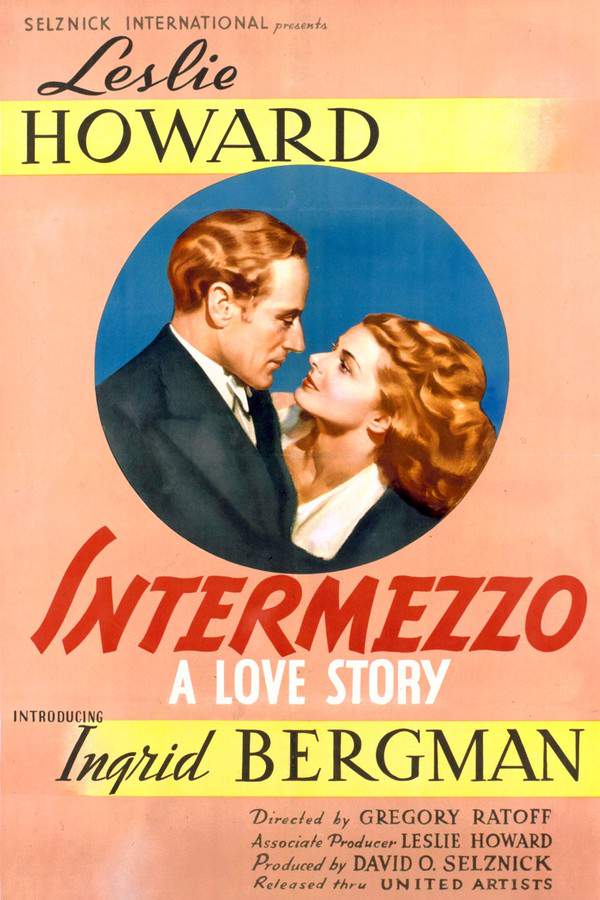
Bittersweet Romantic Sagas like Rhapsody

Emotional journeys where love is regained only after great personal cost. For viewers who liked the emotional journey of Rhapsody, this list includes movies with similar bittersweet endings and themes of sacrifice. Discover more romantic dramas where love is tested by time and hardship, resulting in stories that are both heartbreaking and hopeful.

  • bittersweet
  • dramatic
  • longing
  • redemptive
  • heartbreaking
  • hopeful
  • Tone: bittersweet, dramatic, longing
  • Pacing: steady, expansive
Why these movies?

The story pattern: The pattern involves a central relationship that fractures due to a difficult choice, often involving a third party or a personal goal. The story then spans a significant period, focusing on the consequences of that choice and the personal growth (or decay) of the characters, before bringing them together again under changed, more complex circumstances.

Why they belong together: These films are connected by their specific emotional arc: a deep romantic connection is broken by sacrifice, leading to a melancholic middle act, and ultimately a reunion that feels earned but is tinged with sadness. They share a steady pacing, medium emotional weight, and a tone that balances drama with a sense of poignant reflection.

If you liked this

Movies Like Rhapsody

Similar movies to Rhapsody: the same genre, themes or kind of story. Each one comes with its own plot summary, timeline and ending explained.

Browse all movie summaries

Every angle

Rhapsody (1954) Explained: Plot, Timeline & Characters

Everything about Rhapsody in one place: what happens in the plot summary, the timeline in chronological order, the characters and meaning and a spoiler-free summary. What's After the Movie adds the cast, box office and post-credit scenes.

Coming soon on iOS and Android

The Plot Explained Movie Summary App

Plot summaries, endings explained and timelines on your phone. Catch up on any movie in minutes, save your favorites and never miss a twist again.

Be the first to know when we launch. Your email stays private, always.

Learn more about the app