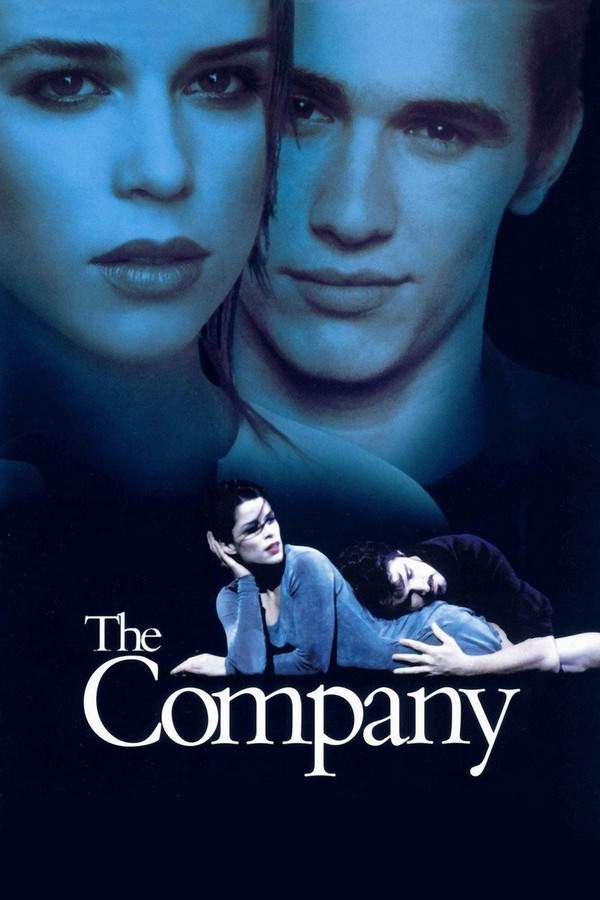
A Chinese director Mr. Wen decides to make a musical movie that stars his girlfriend Sun Na and the Hong Kong actor Lin Jian-Dong. Unbeknownst to him, Sun had met Jiandong a decade earlier when she was a cabaret singer in Beijing, sharing a brief romance with him while he was a film student. Ten years on, Sun is now a major movie star who refuses to acknowledge the old connection, adding a quiet tension to the project.
Wen’s musical unfolds around a self-contained plot about a girl who loses her memory and ends up living with a circus troupe. Sun Na steps into the role of the amnesiac girl, while Jiandong, playing his own past in the process, fights to recover the memories he once shared with her. As the production ramps up, the lines between cinema and real life begin to blur, and the boundaries separating the actors from their on-screen personas start to crumble.
The shoot becomes a mirror that reflects personal histories, drawing out emotions and tensions that had long been tucked away. Jiandong’s efforts to revisit Sun’s lost love clash with Wen’s increasing awareness of their shared history, creating a layer of dramatic tension that the musical within the film cannot simply resolve. Wen himself steps into a new incarnation, portraying the obsessive circus owner who is entangled in a fictional romance that echoes the real-life entanglements surrounding him and his cast.
As the narrative within the movie moves forward, the characters confront the truth about their pasts. What begins as a routine production turns into a delicate exploration of memory, longing, and the sometimes painful process of growing up. The process forces each character to re-evaluate what they want from their present and to consider what it means to let go of what once was.
In the end, the journeys converge as all the players—especially Jiandong—mature and come to a clearer understanding of the importance of living in the present. The motion picture’s own romance and the real-life connections behind it lead to a shared realization: clinging to the past can hinder happiness, and true meaning lies in embracing the now. The conclusion leaves the ensemble with a sense of closure and a renewed sense of purpose, affirming that growth comes from accepting life as it unfolds in front of them rather than clinging to what has already occurred.