Year: 1954
Runtime: 115 mins
Language: English
Director: Charles Vidor
MGM’s sumptuous musical romance follows wealthy young Louise Durant, who accompanies the violinist she loves to Zurich’s conservatory. There a piano student becomes infatuated with her. The violinist prioritizes his art, the pianist his affection. Caught between the two, Louise must decide which love she will choose.
Warning: spoilers below!
Haven’t seen Rhapsody yet? This summary contains major spoilers. Bookmark the page, watch the movie, and come back for the full breakdown. If you're ready, scroll on and relive the story!
Read the complete plot breakdown of Rhapsody (1954), including all key story events, major twists, and the ending explained in detail. Discover what really happened—and what it all means.
Louise Durant Elizabeth Taylor is a debutante who announces to her haughty father, Nicholas Durant Louis Calhern, that she plans to leave their luxurious home for Zürich with her lover, the aspiring violinist Paul Bronte Vittorio Gassman. He disapproves, insisting he needs her to host a VIP luncheon and noting she lacks the discipline to study piano at the conservatory. She fires back with defiance, muttering that he has never stopped her before, and he concedes only with a sharp warning about the consequences of defying him.
The couple speeds off in a convertible toward Zürich, Bronte joking about how impractical the plan is since he must work. In Zürich, they carry Durant’s bags to a stylish furnished flat, where Bronte learns from a matron Celia Lovsky that an American lodger, James Guest John Ericson, has just moved into the attic. When Guest appears, Bronte tries to claim the room on seniority, but Guest stands his ground. He is immediately drawn to Durant, even though Bronte makes it clear she is off-limits.
Durant heads to the conservatory to audition. While she waits, she is captivated by the piano student before her, only to discover it is Guest. The audition proceeds under the watchful eye of the professor who oversees it, and Bronte joins for his own turn. The two men vie for Durant’s affection and approval, but she remains focused on the music while Bronte prioritizes his practice and career.
Bronte soon learns that he is scheduled to perform with the Zürich Symphony in three weeks. He bluntly tells Durant that he will have little time for her until the concert, a revelation that stings as a grand piano arrives for Durant. Guest and Durant test out the new instrument together, forming a growing friendship as the distance between Durant and Bronte widens.
Durant’s father visits Zürich and meets Bronte, a troubling encounter for Durant. The elder Durant’s disdain is palpable, and when he is invited to Bronte’s Tchaikovsky concert, he refuses, quipping that he has already heard Tchaikovsky. He also voices a prediction about the couple’s doomed future, noting Bronte’s arrogance and the impossibility of confining him. Durant confronts him with a fierce defense of her partner, while the father hints at the tension between Bronte’s freedom and Durant’s need for security.
Bronte’s solo at the Symphony is a triumph. Durant watches from backstage, trying to gain his attention, but he is absorbed in the music and in deals with music agents. He pays her no mind, and when a crowd gathers around him, she notices him kiss another woman in a moment of shared ecstasy. After the performance, Bronte outlines his touring plans, including a Rome finale, and bluntly states that Durant cannot accompany him because she would be a distraction. The couple quarrels, and Durant is left alone with the sense that his music will always come first.
The next day, Durant discovers Bronte has left for the tour with a different woman. Heartbroken, she attempts suicide with pills, but Guest intervenes, saving her life. He becomes her caretaker, and her father reconsiders his stance, giving his blessing to Durant’s choice to heal and move forward. Durant decides to leave Zürich with Guest, moving to Paris, where she marries him in a bid to mend her heartbreak and rebuild her life.
In Paris, Bronte crosses paths with Durant again, and the two acknowledge that they have not fallen out of love. Meanwhile, Guest struggles with his own ambitions, spending Durant’s money on liquor and feeling overlooked in the pursuit of affection he cannot win. Bronte is dismayed to see Durant’s long-dormant talent slowly eroding under the weight of her new life, while Durant confronts the reality that her decision to marry Guest was not enough to quiet the ache he inspires.
Durant eventually returns with Guest to Zürich, dedicating herself to supporting his musical development. Guest earns a solo at the Symphony, a moment that tests their fragile arrangement. He worries about Durant’s support; she promises him that his talent comes from his hard work alone and hints at leaving with Bronte after the performance. Guest is crushed by this confession, his hopes weighed down by the sense that his relationship with Durant may not endure.
At the concert, Guest endures a storm of nerves and longing as he watches the empty chair reserved for Durant. The performance is a success, and afterward he faces the heartbreak of her absence and the pain of his own loneliness. When Durant finally arrives, she reveals that she stayed to witness the entire performance, and the two share a tearful, decisive embrace as they acknowledge their enduring connection: they are pulled together as lovers once more, even as the music carries them forward.
Last Updated: October 07, 2025 at 13:38
Discover curated groups of movies connected by mood, themes, and story style. Browse collections built around emotion, atmosphere, and narrative focus to easily find films that match what you feel like watching right now.
Stories where passion for art and passion for a person create an impossible choice.If you enjoyed the emotional conflict in Rhapsody, explore more movies like it where romantic entanglements are complicated by artistic passion. These similar dramas and romance films feature characters torn between love and ambition, resulting in melancholic and bittersweet stories.
These narratives typically follow a central figure caught between two lovers who represent different paths—one often tied to worldly ambition or artistic genius, the other to genuine, stable affection. The story explores the tensions of these relationships, culminating in a choice that involves significant emotional sacrifice for at least one character.
Movies in this thread are grouped by their shared focus on a specific type of romantic conflict, blending high-stakes romance with themes of artistic sacrifice. They share a melancholic tone, steady pacing that allows for deep emotional exploration, and a conclusion that is rarely a simple, happy ending.
Emotional journeys where love is regained only after great personal cost.For viewers who liked the emotional journey of Rhapsody, this list includes movies with similar bittersweet endings and themes of sacrifice. Discover more romantic dramas where love is tested by time and hardship, resulting in stories that are both heartbreaking and hopeful.
The pattern involves a central relationship that fractures due to a difficult choice, often involving a third party or a personal goal. The story then spans a significant period, focusing on the consequences of that choice and the personal growth (or decay) of the characters, before bringing them together again under changed, more complex circumstances.
These films are connected by their specific emotional arc: a deep romantic connection is broken by sacrifice, leading to a melancholic middle act, and ultimately a reunion that feels earned but is tinged with sadness. They share a steady pacing, medium emotional weight, and a tone that balances drama with a sense of poignant reflection.
Don't stop at just watching — explore Rhapsody in full detail. From the complete plot summary and scene-by-scene timeline to character breakdowns, thematic analysis, and a deep dive into the ending — every page helps you truly understand what Rhapsody is all about. Plus, discover what's next after the movie.
Track the full timeline of Rhapsody with every major event arranged chronologically. Perfect for decoding non-linear storytelling, flashbacks, or parallel narratives with a clear scene-by-scene breakdown.
Discover the characters, locations, and core themes that shape Rhapsody. Get insights into symbolic elements, setting significance, and deeper narrative meaning — ideal for thematic analysis and movie breakdowns.
Get a quick, spoiler-free overview of Rhapsody that covers the main plot points and key details without revealing any major twists or spoilers. Perfect for those who want to know what to expect before diving in.
Visit What's After the Movie to explore more about Rhapsody: box office results, cast and crew info, production details, post-credit scenes, and external links — all in one place for movie fans and researchers.
Discover movies like Rhapsody that share similar genres, themes, and storytelling elements. Whether you’re drawn to the atmosphere, character arcs, or plot structure, these curated recommendations will help you explore more films you’ll love.
Rhapsody (1954) Scene-by-Scene Movie Timeline
Rhapsody (1954) Movie Characters, Themes & Settings
Rhapsody (1954) Spoiler-Free Summary & Key Flow
Movies Like Rhapsody – Similar Titles You’ll Enjoy
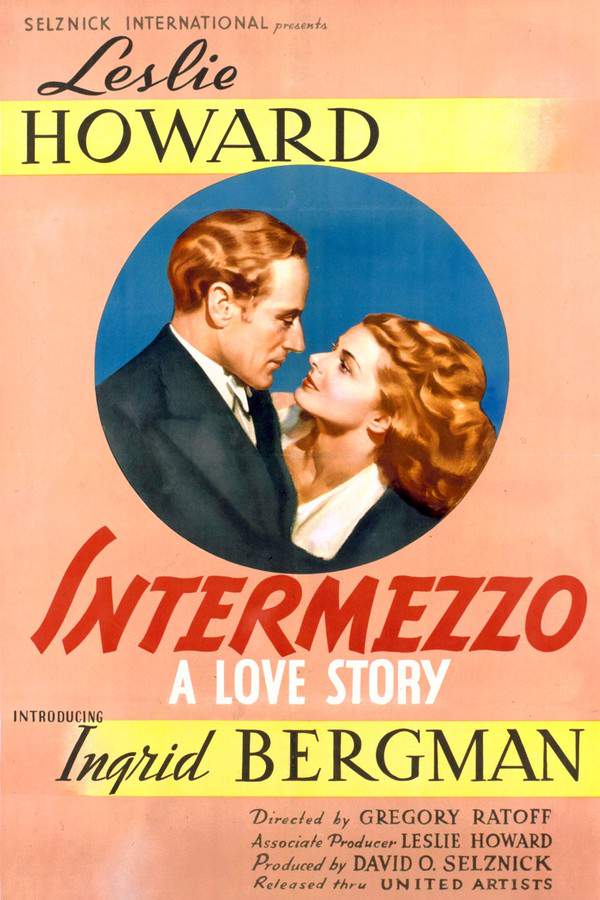
Intermezzo: A Love Story (1939) Story Summary & Characters
La Ronde (1951) Spoiler-Packed Plot Recap
Moulin Rouge! (2001) Detailed Story Recap
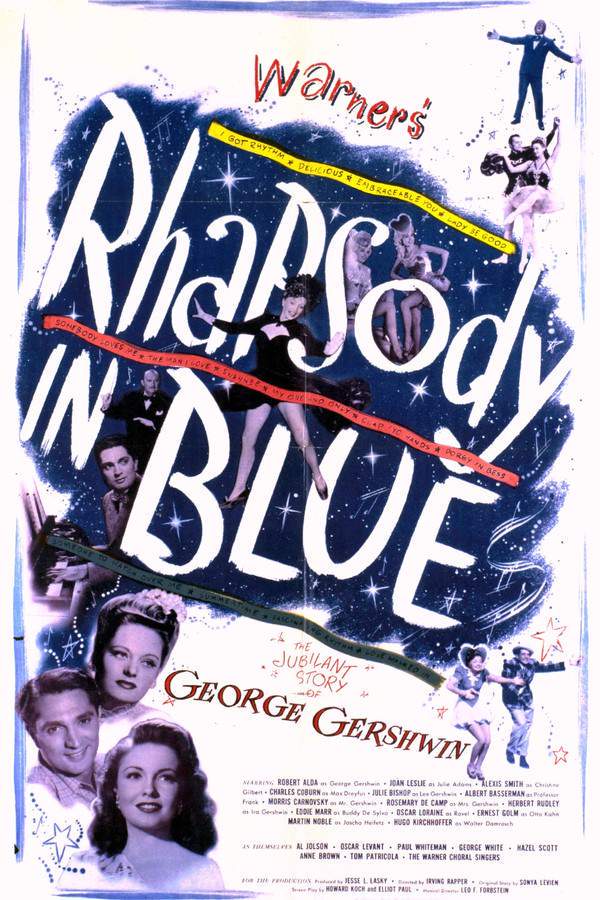
Rhapsody in Blue (1945) Detailed Story Recap
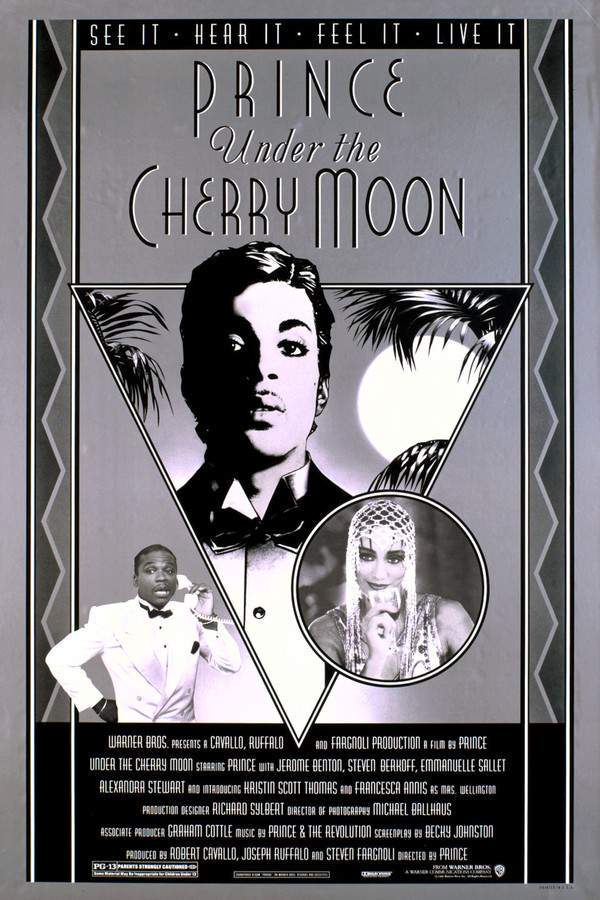
Under the Cherry Moon (1986) Story Summary & Characters
Unfaithfully Yours (1984) Detailed Story Recap
The Rose (1979) Complete Plot Breakdown
Rhapsody of Love (2021) Movie Recap & Themes
Thrill of a Romance (1945) Full Movie Breakdown
Riptide (1934) Full Movie Breakdown
The Great Waltz (1938) Film Overview & Timeline
Melody Cruise (1933) Detailed Story Recap
Rapture (1965) Complete Plot Breakdown
That Girl from Paris (1936) Detailed Story Recap
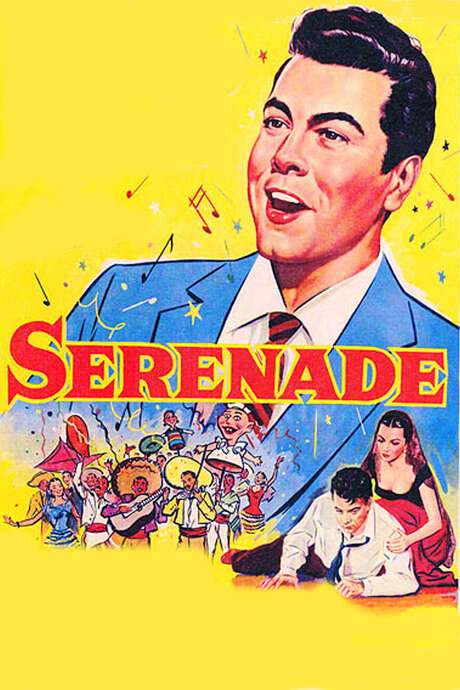
Serenade (1956) Ending Explained & Film Insights