Plot Explained Spoilers guaranteed!
Plot Explained

Browse by genre

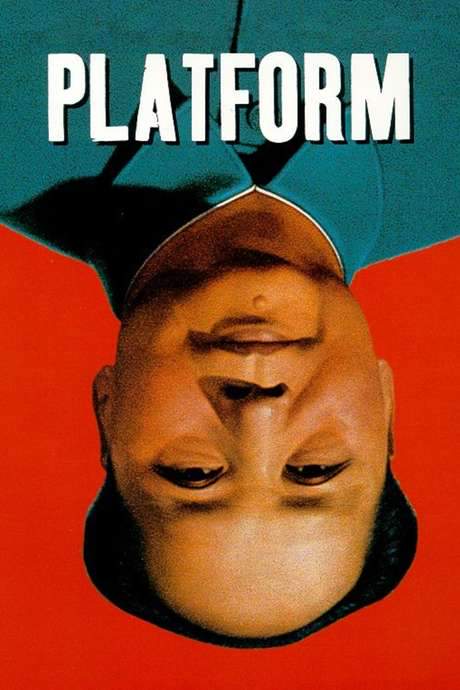
Platform (2000) movie poster

Timeline

Platform (2000) Timeline Explained – Every Event in Order

Release, runtime and language
2000 · 155 mins · Chinese
Loading streaming availability…
Directed by
Jia Zhangke
Starring
Zhao Tao, Yang Lina, Wang Bo, Liang Jingdong, Wang Hongwei, Han Sanming

China’s rapid changes from the late 1970s to the early 1990s, as seen through the lives of four performers in a theater troupe.

On this page (6)
  1. 1 Where to watch
  2. 2 Events in order (15)
  3. 3 Timeline questions answered
  4. 4 Movie threads
  5. 5 Movies like Platform
  6. 6 Every angle
Loading streaming availability…

15 events in order · contains spoilers

Platform Timeline: Events in Chronological Order

Every key event of Platform (2000) in order, scene by scene, with when and where it takes place. Use it to untangle flashbacks, time jumps and parallel storylines, to refresh your memory before the sequel or to find the exact scene you are thinking of.

  1. Troupe formed in 1979 in Fenyang

    In 1979, the film opens with a state-approved troupe performing in Fenyang as China begins to ease Cultural Revolution constraints. Four members are introduced: Cui Mingliang, Yin Ruijuan, Zhang Jun, and Zhong Ping. Their beginnings are marked by discipline, ambition, and the tension between old loyalties and new possibilities.

    When
    1979
    Where
    Fenyang
  2. Cui clashes with family; Zhang visits Guangzhou for goods

    Cui clashes with his family and elders about life and ambition. Zhang visits his aunt in Guangzhou, using the new openness to obtain consumer goods for the troupe.

    When
    1980
    Where
    Fenyang and Guangzhou
  3. Yin's disapproval and Cui's pursuit

    Yin's military father disapproves of Cui, creating a barrier between them. Cui continues to pursue Yin, but his advances are met with noncommittal responses.

    When
    1980
    Where
    Fenyang
  4. Zhang presses Zhong; Yin resists fashion

    Zhang pressures Zhong to perm her hair, signaling a shift toward personal expression. Zhong also tries to interest Yin in the latest fashion, but Yin resists.

    When
    1980
    Where
    Fenyang
  5. Abortion and relationship strain

    Zhang accidentally gets Zhong pregnant and forces her to have an abortion, straining their relationship. The emotional toll echoes across the troupe as loyalties are tested.

    When
    1980
    Where
    Fenyang
  6. Yin rejects Cui; a quiet impasse

    Cui continues to pursue Yin, but Yin ultimately rejects him, leaving them at an impasse.

    When
    1980
    Where
    Fenyang
  7. Privatization and a touring future

    The troupe begins to bend to Western influences and is privatized; Cui remains with the group as they tour under new management, while Yin stays behind.

    When
    early 1980s
    Where
    Fenyang and touring circuit
  8. Electricity reaches a village; Sanming and Wenying enter the story

    They witness electricity arriving in a rural village and encounter Sanming and his sister Wenying. Sanming takes a low-paid job in an unregulated coal mine to finance Wenying's university, giving Cui five yuan to hand to Wenying and telling her never to return.

    When
    early 1980s
    Where
    rural village
  9. Road journey and a first train

    On the road, the troupe's truck gets stuck in mud, and they glimpse a train passing by for the first time, a symbol of changing times.

    When
    early 1980s
    Where
    On the road between towns
  10. Affair exposed; authorities intervene

    Zhang and Zhong's illegal out-of-wedlock relationship is discovered by the authorities, forcing them to return to Fenyang.

    When
    1980s
    Where
    Road to Fenyang; Fenyang
  11. Ten yuan to Wenying; Zhong withdraws

    Cui hands ten yuan to Wenying, who is upset about her brother's prospects. Zhong cuts off contact with Zhang and the rest of the troupe.

    When
    1980s
    Where
    Wenying's home; Fenyang
  12. Rock rebrand and arduous touring

    The troupe rebrands as a rock group from Shenzhen and resumes touring, struggling to obtain permits and performing on highways, sometimes reaching Inner Mongolia.

    When
    mid-1980s
    Where
    Shenzhen and Inner Mongolia
  13. Family fractures at home

    Cui's parents' marriage collapses; his father remarries and opens a shop, reflecting the shifting family dynamics amid reform.

    When
    late 1980s
    Where
    Fenyang
  14. Troupe members leave; Yin reappears as tax collector

    Cui, Zhang, and Yao Eryong exit the troupe to pursue construction materials business; they meet Yin again, who is now a tax collector but still longs for her performing days.

    When
    late 1980s
    Where
    Fenyang
  15. Reunion, marriage, and a son

    Cui visits Yin and they reconnect, eventually marrying and having a son. The film ends with a train whistle as credits roll.

    When
    end of film
    Where
    Fenyang

Last updated: October 09, 2025 at 15:25

Was this helpful?

Timeline questions answered

Platform Timeline Explained: Your Questions Answered

When does it happen, and why in that order? The questions people ask about the chronology of Platform (2000): time jumps, flashbacks, cause and effect between scenes and the correct order of events, each answered with spoilers.

Q1

Why did Zhang force Zhong to have an abortion?

Zhang pressured Zhong into having an abortion because their relationship was out-of-wedlock and illegal at the time. The authorities were actively investigating illicit relationships within the troupe, and an unmarried pregnancy would have severe consequences for both of them. The abortion strains their relationship permanently and exposes the moral hypocrisy embedded in the troupe's strict discipline.

Foreshadowing: Earlier scenes show Zhong resisting pressure to perm her hair, hinting at her struggle against the troupe's conflicting expectations.

  • Zhang Zhong abortion
  • forced abortion
  • troupe relationship
Q2

Why did Yin Ruijuan reject Cui's advances?

Yin rejected Cui primarily because her father, a rigid military man, disapproved of him. Her father's authority represented the old guard values that conflicted with Cui's restless ambition and worldliness. Yin remained emotionally cautious throughout the film, caught between familial duty and personal desire, which is why her responses to Cui were often noncommittal.

Foreshadowing: Cui's clashes with his own family and elders about ambition foreshadow his unsuitability in the eyes of traditional authority figures like Yin's father.

  • Yin Ruijuan rejection
  • military father
  • Cui pursuit
Q3

What happened to Sanming after he started working in the coal mine?

Sanming took a low-paying job in an unregulated coal mine to fund his sister Wenying's university education. The timeline strongly implies he died or came to harm in this dangerous work, as the film describes his desperation leading to a tragic outcome and the five yuan he gives Cui becomes a poignant symbol of sacrifice. Sanming tells Cui to tell Wenying never to return, suggesting he knows the risk he's taking.

Foreshadowing: The film sets up Sanming's fate through his desperation and the harsh realities of rural life during reform, where unregulated industries preyed on poor workers.

  • Sanming coal mine
  • Wenying university
  • peasant sacrifice
Q4

Why did Zhong Pin cut off contact with the troupe?

Zhong Pin severed ties with Zhang and the rest of the troupe after their relationship collapsed following the forced abortion and the authorities' investigation into their out-of-wedlock affair. The trauma of losing her child and the public scrutiny broke her connection to the group. Additionally, the troupe's transformation into a Shenzhen rock band and the increasingly precarious touring lifestyle made her retreat permanent.

Foreshadowing: The moment Zhang pressures Zhong to perm her hair earlier signals the erosion of their relationship, actions meant to modernize her also represent how they lose themselves.

  • Zhong leaves troupe
  • Zhang Zhong breakup
  • rock rebrand
Q5

Why did the troupe convert to rock music?

The troupe rebranded as a rock band because privatization forced them to adopt more commercially viable entertainment to survive. As China liberalized, Western influences became more acceptable, and rock music represented the new cultural frontier. The shift also reflected the broader societal transformation from state-approved art to market-driven entertainment.

Foreshadowing: Earlier scenes showing Zhong trying to interest Yin in fashion and Zhang's consumer goods from Guangzhou hint at the Western cultural infiltration that would eventually dominate.

  • troupe rock band
  • Shenzhen
  • Western influence
  • privatization
Q6

How did Yin become a tax collector after leaving the troupe?

Yin transitioned from performer to tax collector as the troupe dissolved and China's bureaucracy absorbed displaced artists during reform. When the troupe members left or the group privatized, performers without formal education often entered government positions available at the time. Yin's reunion with Cui in the late 1980s shows her working as a tax collector while still carrying memories of her performing days.

Foreshadowing: Yin's resistance to fashion and her father's rigid discipline foreshadow her attachment to traditional, stable paths rather than the troupe's uncertain future.

  • Yin tax collector
  • government job
  • performer transition
Q7

What does the train symbolize at the end of the film?

The train whistle that closes the film symbolizes China's rapid modernization moving forward regardless of individual human cost. Earlier, the troupe sees a train pass for the first time, representing progress arriving in rural areas. The closing whistle signifies both closure and continuation, echoing how the characters' personal journeys unfold against the unstoppable tide of reform.

Foreshadowing: The muddy truck getting stuck while the train passes earlier directly foreshadows the contrast between people's inability to keep pace with societal change.

  • train whistle
  • modernization symbol
  • reform China
Q8

Why did Cui's parents' marriage collapse in the late 1980s?

Cui's parents' marriage fractured under the pressure of China's social upheaval during the reform era. His father remarried and opened a shop, reflecting how traditional family structures dissolved as market economics replaced collective ideals. The collapse mirrors the broader societal breakdown of old certainties, families, careers, and relationships all became unstable as China transformed.

Foreshadowing: The earlier tension between Cui and his family about ambition and tradition plants seeds for this family dissolution.

  • Cui parents divorce
  • family breakdown
  • reform era
Q9

What was the significance of the money Sanming gave Cui for Wenying?

Sanming gives Cui five yuan initially and later ten yuan to pass to Wenying for her university education. The money represents a peasant family's desperate sacrifice, Sanming works in dangerous unregulated mines to fund his sister's escape from rural poverty. The instruction to tell Wenying never to return suggests Sanming knows he will likely die in the mines. The increasing amount reflects the rising costs of opportunity during reform but also underscores how inadequate these sums were against the widening urban-rural gap.

Foreshadowing: The rural village's introduction, where electricity arrives but poverty remains, establishes the desperation that drives Sanming's fatal decision.

  • five yuan
  • Wenying
  • peasant sacrifice
  • university dreams
Q10

Why did Cui and Zhang leave the troupe to start a construction business?

Cui, Zhang Jun, and Yao Eryong left the troupe because privatization and the shift to rock music made their roles unsustainable. The troupe's new management was precarious, permits were difficult to obtain, and performances on highways offered minimal income. The construction materials business represented a more stable path as China's building boom accelerated during reform. This departure also marks the final break with their artistic pasts.

Foreshadowing: Earlier scenes showing the troupe struggling to perform on highway edges and improvising to stay afloat foreshadow their eventual exit from performance entirely.

  • construction business
  • troupe dissolves
  • reform era careers
Q11

What does the arrival of electricity in the village represent in the film?

The electricity reaching the rural village represents the uneven pace of modernization in reform-era China. While cities like Guangzhou experienced rapid liberalization, rural areas saw gradual, incomplete changes. The scene contrasts the promise of progress with the stark realities faced by peasants like Sanming and Wenying, whose lives remain governed by poverty despite the new infrastructure arriving around them.

Foreshadowing: The scene immediately precedes the introduction of Sanming and Wenying, linking the abstract promise of development to concrete human consequences.

  • electricity
  • rural China
  • uneven development
  • reform

Movie threads

More Movies Like Platform, by Mood & Story

Curated lists built around what makes Platform tick: the same mood, the same kind of story or the same emotional payoff. Each list explains why these movies belong together.

Decades-spanning epics of social change like Platform

Epic stories following ordinary lives through decades of rapid social transformation. Find movies like Platform that track characters over many years, capturing the personal impact of societal evolution. These films share a slow, contemplative pace and a bittersweet tone, ideal for viewers who enjoy historical depth and complex character development.

  • epic
  • nostalgic
  • contemplative
  • historical
  • melancholic
  • longing
  • Tone: melancholic, contemplative, bittersweet
  • Pacing: slow, deliberate, epic
Why these movies?

The story pattern: Stories in this thread typically unfold over a long period, often decades, using the passage of time as a central narrative force. Character arcs are defined by their adaptation to or resistance against sweeping social, economic, or political changes, with personal dreams often clashing with historical forces.

Why they belong together: These films are grouped by their sprawling chronological structure, melancholic reflection on the past, and thematic focus on the intersection of personal lives and history. They share a similar pacing and emotional weight, creating a deeply immersive and reflective viewing experience.

Melancholic stories of artists like in Platform

Quiet dramas about creators navigating compromise, nostalgia, and changing times. If you liked Platform's focus on performers and artistic life, explore these movies about musicians, writers, and artists. They share a similar melancholic mood, slow pacing, and heavy emotional weight, centering on the tension between creative dreams and societal realities.

  • melancholic
  • nostalgic
  • contemplative
  • artistic
  • longing
  • hopeful
  • Tone: melancholic, nostalgic, contemplative
  • Pacing: slow, character-driven
Why these movies?

The story pattern: The narrative follows artists or creatives through a significant portion of their lives, examining how their relationship with their art evolves. Conflicts are often internal (doubt, fading passion) or societal (commercial pressures, political change), leading to journeys of self-discovery, compromise, or quiet resilience.

Why they belong together: This thread groups movies by their shared focus on artistic protagonists, a contemplative and often melancholic mood, and themes of nostalgia and integrity. The similarity lies in the specific character type and the emotional tone used to explore their struggles and relationships.

If you liked this

Movies Like Platform

Similar movies to Platform: the same genre, themes or kind of story. Each one comes with its own plot summary, timeline and ending explained.

Browse all movie summaries

Every angle

Platform (2000) Explained: Plot, Timeline & Characters

Everything about Platform in one place: what happens in the plot summary, the timeline in chronological order, the characters and meaning and a spoiler-free summary. What's After the Movie adds the cast, box office and post-credit scenes.

Coming soon on iOS and Android

The Plot Explained Movie Summary App

Plot summaries, endings explained and timelines on your phone. Catch up on any movie in minutes, save your favorites and never miss a twist again.

Be the first to know when we launch. Your email stays private, always.

Learn more about the app