Plot Explained Spoilers guaranteed!
Plot Explained

Browse by genre

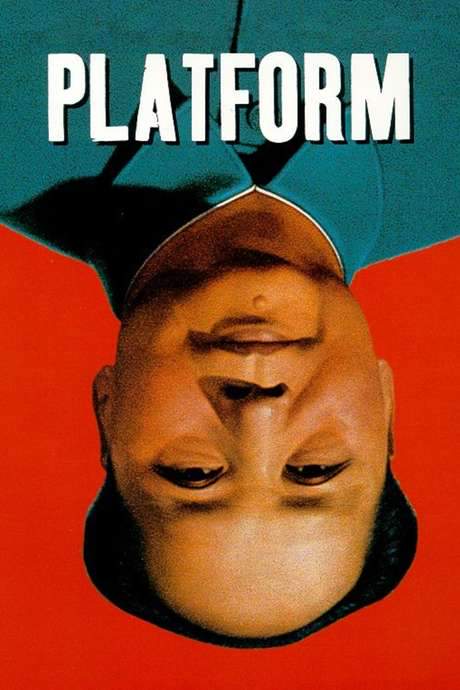
Platform (2000) movie poster

Characters & Themes

Platform (2000) Characters, Setting & Themes Explained

Release, runtime and language
2000 · 155 mins · Chinese
Loading streaming availability…
Directed by
Jia Zhangke
Starring
Zhao Tao, Yang Lina, Wang Bo, Liang Jingdong, Wang Hongwei, Han Sanming

China’s rapid changes from the late 1970s to the early 1990s, as seen through the lives of four performers in a theater troupe.

On this page (8)
  1. 1 Where to watch
  2. 2 Characters explained (7)
  3. 3 Where & when it takes place
  4. 4 Themes & meaning (3)
  5. 5 Character & meaning questions
  6. 6 Movie threads
  7. 7 Movies like Platform
  8. 8 Every angle
Loading streaming availability…

7 main characters · contains spoilers

Platform Characters Explained: Who Is Who

The main characters of Platform (2000), heroes and villains: what drives them, how they change over the course of the story and what each of them reveals about the film's bigger ideas.

  • Yin Ruijuan (Zhao Tao)

    A principled troupe member who resists Cui’s advances and the allure of Western fashion. She comes from a family with a military official father who disapproves of Cui, shaping her cautious approach to romance. Though she rejects Cui early on, she later reconnects with him as the story unfolds and eventually becomes a tax collector, reuniting with Cui to start a family.

    • 🎭
    • 🧭
    • 💼
  • Zhang Jun (Liang Jingdong)

    A confident, ambitious troupe member who uses his connections to obtain consumer goods. He pressures Zhong Pin to conform to newer fashions and plays a pivotal role in the couple’s complicated on-road relationship. His liaison with Zhong eventually leads to trouble under authorities, and he drifts apart from the group as the troupe reorganizes.

    • 🎭
    • 🧭
    • 🪧
  • Zhong Pin (Yang Lina)

    A pragmatic, fashion-conscious member who pursues modernization and personal relationship with Zhang Jun. Her decision to become involved with Zhang, and the pregnancy that follows, catalyzes conflict and reflects the tension between private desires and the strict social order. After their exposure, she distances herself from Zhang and the troupe while continuing to navigate the evolving landscape.

    • 🎭
    • 💔
    • 👗
  • Cui Mingliang (Wang Hongwei)

    A rebellious, longing youth who pursues Yin and later pivots to business and collaboration within the troupe. His shifting loyalties—romantic and entrepreneurial—drive much of the narrative’s momentum. He starts a new relationship within the troupe and anchors a later plan to move into construction materials with his friends.

    • 🪙
    • 💔
    • 🧭
  • Yao Eryong (Wang Bo)

    A fellow troupe member who becomes a practical ally and partner in later ventures. He stays with Cui through changing circumstances and eventual business efforts in construction materials, aiding the troupe’s survival on the road and in shared livelihoods.

    • 🤝
    • 🧭
    • 🧱
  • Sanming (Han Sanming)

    Cui’s uneducated peasant cousin, outwardly simple but morally complex. He takes a poorly paid job at an unregulated coal mine to fund his sister Wenying’s education, illustrating the harsh realities of reform-era labor. In desperation, he entrusts Cui with a sum of money for Wenying, instructing him to tell her never to return.

    • 🪨
    • 🧭
    • 🧰
  • Wenying

    Sanming’s sister whose education symbolizes the personal costs and hopes riding on the reform era. She remains emotionally connected to Cui and his family, representing the human stakes behind economic and social changes.

    • 🎓
    • 💡
    • 🧒

Last updated: October 04, 2025 at 11:56

Was this helpful?

Setting

Where and When Does Platform Take Place?

The setting of Platform (2000): the year and time period, the places and locations, and how they shape the characters, the mood and the tension of the story.

Time period

Late 1970s to the 1980s

The film opens in 1979, just after the Cultural Revolution. It follows the early wave of economic liberalization and privatization that allows Western influences and consumer goods to seep into daily life. The troupe’s shift toward private management tracks the broader social and cultural changes of the era. Through years of touring, the characters witness the pace of modernization accelerate across urban and rural spaces.

Location

Fenyang, Guangzhou, Shenzhen, Inner Mongolia

The story centers on Fenyang in Shanxi, a town at the edge of China's reform era. As the troupe travels, it reaches larger cities like Guangzhou and Shenzhen and even distant regions such as Inner Mongolia, highlighting the geographic spread of modernization. Rural pockets near Fenyang contrast with bright stage lights, new highways, and evolving job landscapes. The setting mirrors a country in transition from collective control to market-oriented opportunity.

  • 🏙️ Urbanizing
  • 🚂 Travel
  • 🏭 Industrialization

Last updated: October 04, 2025 at 11:56

Was this helpful?

3 major themes

Platform Meaning: Themes & Message Explained

What is Platform (2000) really about? The emotional, social and philosophical themes the film keeps returning to, its symbolism and the message beneath the surface.

  • Rapid Change

    The film maps how state-controlled art evolves into privatized entertainment under reform. It shows how new management, tours, and Western-inflected tastes transform what people watch and how performers live. Personal desires constantly collide with bureaucratic rules and the incentives of a market-driven culture. The cadence of life shifts quickly as electricity, transport, and new venues reshape everyday experiences.

  • Rural-Urban Gap

    The narrative juxtaposes rural life with the lure and fragility of urban opportunity. Electric lights in a countryside village, a cousin taking a low-paid coal job, and the push for education reveal the widening social divide. The contrast between the troupe’s road-worn stages and the polished urban scenes underscores how reform favors mobility and consumer access. Family economics and local hardship are weighed against personal ambition and spectacle.

  • Relationships

    Love, longing, and how intimate choices contend with social pressure are central to the story. Cui’s pursuit of Yin, Zhong’s pregnancy and abortion, and the strain of clandestine relations reveal how devotion can collide with family expectations and state scrutiny. The characters’ bonds are tested by distance, opportunity, and shifting loyalties. The ending offers a glimmer of renewal rather than a tidy closure, emphasizing the resilience of relationships amid change.

Last updated: October 04, 2025 at 11:56

Was this helpful?

Character & theme questions

Platform Characters & Meaning: Your Questions Answered

The questions people ask about Platform (2000): who the characters really are, their relationships, what the symbols mean, where it takes place and what the movie is really about. Each answer contains spoilers.

Q1

Where is Fenyang and what role does it play in the film?

Fenyang is a town in Shanxi province, serving as the starting point of the theater troupe's journey. The film uses this rural setting to contrast with the urban centers the troupe visits later, illustrating the geographic and social breadth of China's reform era.

  • fenyang
  • shanxi
  • rural china
  • theater troupe
Q2

What time period does Platform cover?

The film spans from 1979, just after the Cultural Revolution, through the 1980s, capturing the early years of economic liberalization and the profound social changes that followed.

  • 1979
  • 1980s
  • cultural revolution
  • economic reform
  • china history
Q3

What is the film's message about rapid change in China?

The film depicts how state-controlled art transformed into privatized entertainment under economic reform. It shows performers adapting to new management styles, Western influences, and market-driven culture while everyday experiences reshaped through electricity, transport, and new opportunities.

  • economic reform
  • modernization
  • privatization
  • western influence
  • cultural change
Q4

How does the film portray the rural-urban gap during reform?

The narrative contrasts rural life with urban opportunity, showing electric lights in countryside villages alongside polished urban scenes. The divide manifests through characters like Sanming taking poorly paid coal jobs while others pursue education or urban careers, revealing the widening social disparity.

  • rural
  • urban
  • modernization
  • social divide
  • coal mine
  • reform era
Q5

Who is Yin Ruijuan and what represents her journey?

Yin Ruijuan is a principled troupe member whose father, a military official, disapproves of her coworker Cui. She initially resists Cui's advances and Western fashion trends but later reconnects with him, eventually becoming a tax collector and starting a family, representing personal growth through uncertain times.

  • yin ruijuan
  • zhao tao
  • character
  • family
  • government job
Q6

Who is Cui Mingliang and what drives him?

Cui Mingliang is a rebellious youth whose pursuit of Yin defines much of his early storyline. His ambitions shift romantically and entrepreneurially as he moves toward business and collaboration within the troupe, eventually partnering with Yao Eryong in construction materials.

  • cui mingliang
  • wang hongwei
  • character
  • rebellion
  • business
Q7

What happens to Sanming and his sister Wenying?

Sanming is Cui's uneducated peasant cousin who takes a dangerous, low-paid job at an unregulated coal mine to fund his sister Wenying's education. In desperation, he entrusts Cui with money for Wenying, telling her never to return, a poignant depiction of reform-era labor hardship and sacrifice.

  • sanming
  • wenying
  • coal mine
  • education
  • sacrifice
  • peasant
Q8

How does the film visually show China's transformation?

The film uses visual contrasts between rural pockets near Fenyang and bright stage lights, new highways, and modernizing cities like Guangzhou and Shenzhen. The troupe's road-worn stages juxtaposed with polished urban venues visually underscore the pace of modernization.

  • guangzhou
  • shenzhen
  • modernization
  • visual contrast
  • stage
  • cities
Q9

What does the film say about relationships during social change?

The film explores how love and intimate choices collide with family expectations and state scrutiny. Characters like Cui's pursuit of Yin and Zhong's relationship with Zhang reveal how devotion is tested by distance, opportunity, and shifting loyalties amid reform-era pressures.

  • love
  • relationships
  • family pressure
  • social order
  • personal desires
Q10

How does the theater troupe's evolution reflect China's changes?

The troupe shifts from state-controlled management to private operation as economic reforms take hold. This transition mirrors broader societal changes where performers must adapt to new economic realities, Western-influenced tastes, and market-driven opportunities.

  • theater troupe
  • privatization
  • state control
  • management
  • performance

Movie threads

More Movies Like Platform, by Mood & Story

Curated lists built around what makes Platform tick: the same mood, the same kind of story or the same emotional payoff. Each list explains why these movies belong together.

Decades-spanning epics of social change like Platform

Epic stories following ordinary lives through decades of rapid social transformation. Find movies like Platform that track characters over many years, capturing the personal impact of societal evolution. These films share a slow, contemplative pace and a bittersweet tone, ideal for viewers who enjoy historical depth and complex character development.

  • epic
  • nostalgic
  • contemplative
  • historical
  • melancholic
  • longing
  • Tone: melancholic, contemplative, bittersweet
  • Pacing: slow, deliberate, epic
Why these movies?

The story pattern: Stories in this thread typically unfold over a long period, often decades, using the passage of time as a central narrative force. Character arcs are defined by their adaptation to or resistance against sweeping social, economic, or political changes, with personal dreams often clashing with historical forces.

Why they belong together: These films are grouped by their sprawling chronological structure, melancholic reflection on the past, and thematic focus on the intersection of personal lives and history. They share a similar pacing and emotional weight, creating a deeply immersive and reflective viewing experience.

Melancholic stories of artists like in Platform

Quiet dramas about creators navigating compromise, nostalgia, and changing times. If you liked Platform's focus on performers and artistic life, explore these movies about musicians, writers, and artists. They share a similar melancholic mood, slow pacing, and heavy emotional weight, centering on the tension between creative dreams and societal realities.

  • melancholic
  • nostalgic
  • contemplative
  • artistic
  • longing
  • hopeful
  • Tone: melancholic, nostalgic, contemplative
  • Pacing: slow, character-driven
Why these movies?

The story pattern: The narrative follows artists or creatives through a significant portion of their lives, examining how their relationship with their art evolves. Conflicts are often internal (doubt, fading passion) or societal (commercial pressures, political change), leading to journeys of self-discovery, compromise, or quiet resilience.

Why they belong together: This thread groups movies by their shared focus on artistic protagonists, a contemplative and often melancholic mood, and themes of nostalgia and integrity. The similarity lies in the specific character type and the emotional tone used to explore their struggles and relationships.

If you liked this

Movies Like Platform

Similar movies to Platform: the same genre, themes or kind of story. Each one comes with its own plot summary, timeline and ending explained.

Browse all movie summaries

Every angle

Platform (2000) Explained: Plot, Timeline & Characters

Everything about Platform in one place: what happens in the plot summary, the timeline in chronological order, the characters and meaning and a spoiler-free summary. What's After the Movie adds the cast, box office and post-credit scenes.

Coming soon on iOS and Android

The Plot Explained Movie Summary App

Plot summaries, endings explained and timelines on your phone. Catch up on any movie in minutes, save your favorites and never miss a twist again.

Be the first to know when we launch. Your email stays private, always.

Learn more about the app