Plot Explained Spoilers guaranteed!
Plot Explained

Browse by genre

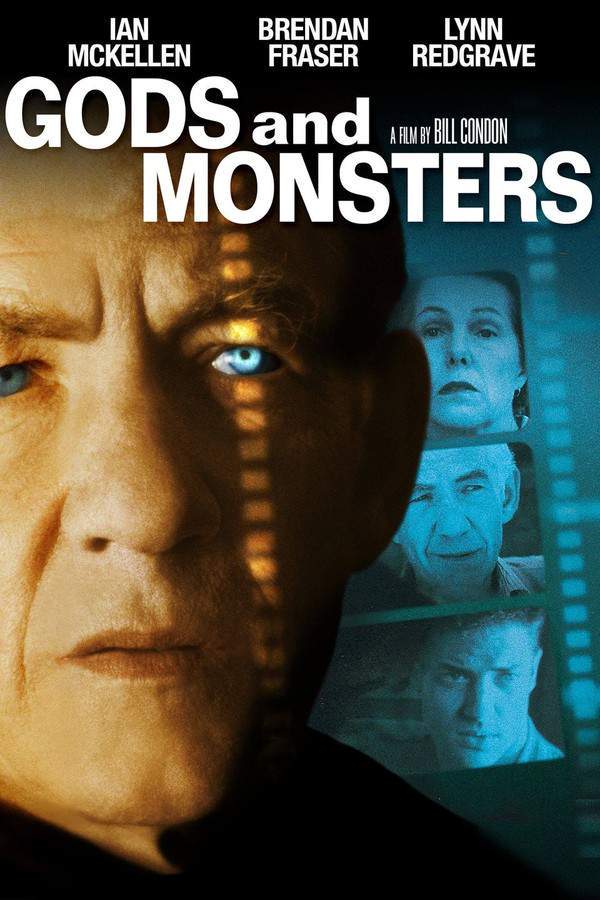
Gods and Monsters (1998) movie poster

Plot Summary

Gods and Monsters (1998) Plot Summary Explained

Release, runtime and language
1998 · 105 min · English
JustWatch #13,330 6
Directed by
Bill Condon
Starring
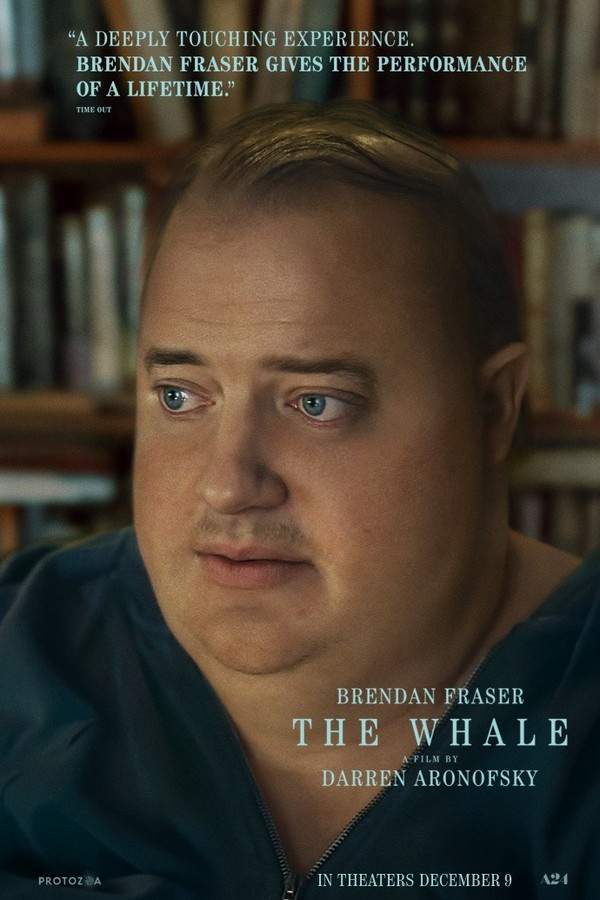
Brendan Fraser, Ian McKellen, Lynn Redgrave
Budget
$10M

A celebrated but aging film director, James Whale, finds himself facing declining health and a string of fleeting romantic interests. His life takes an unexpected turn with the arrival of Clayton Boone, a former Marine hired as his gardener. Boone's presence sparks an undeniable attraction, challenging Whale's carefully constructed image and hinting at a deeper connection as he navigates the complexities of love and loneliness in his later years.

On this page (7)
  1. 1 Where to watch
  2. 2 What happens: full plot
  3. 3 Plot questions answered
  4. 4 Movie threads
  5. 5 Movies like Gods and Monsters
  6. 6 Categories
  7. 7 Every angle

Where to watch

Where to Watch Gods and Monsters (1998)

Where can you watch Gods and Monsters? Stream, rent or buy it in the US, including on Here TV, Amazon Video and Apple TV Store: current JustWatch availability with up-to-date prices.

Streaming availability powered by JustWatch

Full plot summary · contains spoilers

What Happens in Gods and Monsters: Full Plot Summary

The whole story of Gods and Monsters (1998) explained, from the opening scene to the final frame: every key event, every twist and what it all adds up to. Read it as a quick recap before the sequel, to check a scene you missed, or to finally understand what really happened.

Clay rises early from his beach trailer and drives to the opulent residence of Mr. Jimmy, where he gets to work mowing the lawn. During this time, David arrives to check on Mr. Jimmy's well-being, prompting a conversation between him and Clay, the new gardener. Despite Mr. Jimmy's invitation for a dip in the pool post-work, Clay informs him that he has another lawn to tend to.

Subsequently, an academic named Edmund Kay pays a visit to Mr. Jimmy, expressing unabashed admiration for his films. As they chat by the pool, Mr. Jimmy reminisces about his youth in London, his transition into films, and eventually to Hollywood. Feeling bored by Kay's incessant inquiries, he suggests that Kay disrobe in exchange for answers regarding his past experiences related to homosexuality in Hollywood and the making of Frankenstein.

As the discourse continues, Mr. Jimmy starts to feel faint and requests Kay's assistance to rest inside. His maid, Hanna, scolds him for pursuing romantic interests so soon after a hospital visit. A doctor's appointment reveals that Mr. Jimmy has suffered a stroke that has left him with some cognitive impairment.

While working in the garden, Clay catches Mr. Jimmy's eye, leading to an invitation to share some iced tea in the artist's studio. There, Mr. Jimmy discusses his direction of the inaugural Frankenstein films and shows an interest in Clay's expressive features, offering him payment to model. Clay, albeit confused by Hanna’s insinuation about potential harm, agrees to pose for Mr. Jimmy.

During the modeling session, Mr. Jimmy asks Clay to remove his shirt, despite only intending to draw his face. As he begins to sketch, he narrates a memory of his impoverished childhood, reflecting on how he felt markedly different from his family—more gifted and intelligent.

Meanwhile, Clay brags at a bar about having a famed director, Mr. Jimmy, sketching him. Betty, the bartender with whom Clay has shared intimacy, plays The Bride of Frankenstein on the television. Although the film garners critique for its lack of fright, Clay finds himself connecting with the monster's profound loneliness.

Flashback: Mr. Jimmy directs actors on the set of The Bride of Frankenstein.

After his bar escapade, Clay confronts Betty outdoors but grows upset when she declines to rekindle their intimate relationship. He calls his parents from a payphone but remains evasive in conversation.

In a dream, Mr. Jimmy imagines Clay as Dr. Frankenstein, attempting to replace his brain and spark him back to life. Hanna informs Clay that Mr. Jimmy has invited him for lunch, during which she suggests that Jimmy is involved in morally questionable activities. During their meal, Mr. Jimmy expresses disappointment that The Bride of Frankenstein was not perceived as a comedy and shares his past involving a "husband" named David.

The conversation turns sour when Mr. Jimmy mentions modeling by naked male figures, causing a furious Clay to flee. Afterward, Clay attempts to find comfort in a series of transient relationships at the bar, only to return to Mr. Jimmy's residence with a stipulation: he will model again if the conversation shifts away from lascivious topics.

As their relationship deepens, Mr. Jimmy invites Clay to a grand party where they encounter numerous celebrities, including Princess Margaret and George Cukor. Cukor's curt demeanor and David’s cold interaction with Mr. Jimmy create a palpable tension.

A thunderstorm leads to their early return, and drenched from the rain, Mr. Jimmy offers Clay a cozy sweater while he himself wraps in a towel. During a candid dialogue, Clay reveals his military background—a boot camp experience cut short by appendicitis.

In a moment of vulnerability, Mr. Jimmy engages Clay in a conversation about fears and monsters, reflecting on his lost love from the war. However, when the conversation turns too intimate, culminating in Mr. Jimmy's aggressive advances, Clay responds with violence, rejecting Mr. Jimmy’s request for a fatal end.

Following this confrontation, Clay finds himself awakening in Mr. Jimmy's home to discover a haunting drawing of the monster from Frankenstein. Chaos ensues when he discovers Mr. Jimmy face down in the pool, with Hanna revealing a suicide note. Amidst this turmoil, Clay suggests that they place Mr. Jimmy's body back in the pool to avoid suspicion.

Years later, Clay sits with his son, watching a serene scene from Bride of Frankenstein, where a blind man befriends the monster. As he reflects, Clay lights a cigarette, mirroring the creature on screen. After the film, he shares with his son a cherished sketch of the monster, inscribed by Mr. Jimmy: "For Clayton. Friend?" This nostalgic moment leads Clay outside into the rain, echoing the monster's journey, signifying a cycle of connection and solitude.
Last updated: November 16, 2024 at 16:13

Was this helpful?

Plot questions answered

Gods and Monsters Plot Explained: Your Questions Answered

The questions people ask most about Gods and Monsters (1998): what happens in the confusing scenes, why the characters do what they do, the twists, hidden details and what the ending means. Each answer contains spoilers.

Q1

Why does Clay agree to model for Mr. Jimmy?

Clay agrees to model because he feels flattered by the attention from a famous director. Mr. Jimmy offers to pay him, and despite Hanna's warning about potential danger, Clay is intrigued by the opportunity and wants to earn extra money. His curiosity about the iconic filmmaker outweighs his initial hesitation.

Foreshadowing: Earlier, Clay brags at the bar about being sketched by the famous director, showing his initial fascination with Mr. Jimmy's celebrity.

  • clay
  • modeling
  • mr jimmy
  • attraction
  • sketch
Q2

What triggers Mr. Jimmy's stroke during his conversation with Edmund Kay?

Mr. Jimmy's stroke is triggered by the stress of the conversation with Edmund Kay, who probes into his past and asks uncomfortable questions about homosexuality in Hollywood. During this interrogation, Mr. Jimmy begins to feel faint and requests help to rest inside, ultimately revealing he has suffered cognitive impairment from a recent stroke.

  • stroke
  • mr jimmy
  • illness
  • kay
  • health decline
Q3

Why does Clay leave abruptly after Mr. Jimmy mentions modeling by naked male figures?

Clay leaves because he feels offended and threatened by the implication that Mr. Jimmy's interest in him is sexual. When Mr. Jimmy mentions that his modeling involves studying naked male figures, Clay interprets this as an advance and storms out, declaring he will not return. This reveals Clay's discomfort with the homosexual undertones of their relationship.

Foreshadowing: Hanna had earlier warned Clay that Mr. Jimmy might try to harm him, planting suspicion in his mind about the director's intentions.

  • clay
  • mr jimmy
  • naked
  • offense
  • lunch scene
Q4

What happens during the violent confrontation between Mr. Jimmy and Clay?

During their intimate conversation about fears and lost love, Mr. Jimmy makes aggressive sexual advances on Clay. When Clay rejects him, Mr. Jimmy impulsively asks Clay to kill him, saying he wants to end his suffering. Clay refuses violently, asserting his boundaries and rejecting the request. He pushes Mr. Jimmy away, leading to a physical struggle.

Foreshadowing: The conversation about fears and monsters earlier establishes the emotional vulnerability that leads to this confrontation.

  • confrontation
  • mr jimmy
  • clay
  • attack
  • kill request
Q5

Why does Clay suggest putting Mr. Jimmy's body back in the pool?

Clay suggests hiding the body because he panic-stricken about the implications of Mr. Jimmy's suicide note and doesn't want to be implicated in or associated with the death. He fears that people will think he had something to do with it given their tumultuous relationship and the violent confrontation that preceded it. Placing the body back preserves the appearance of an accident.

  • clay
  • body
  • pool
  • suicide note
  • cover up
Q6

What is the significance of the Frankenstein films throughout the story?

The Frankenstein films serve as a mirror for the characters' emotional isolation. Mr. Jimmy directed the original Frankenstein and The Bride of Frankenstein, which he intended as comedies about loneliness and being misunderstood. Clay connects with the monster's profound loneliness while watching The Bride of Frankenstein at the bar, and the final scene shows them watching the scene where a blind man befriends the monster, symbolizing connection despite isolation.

Foreshadowing: Mr. Jimmy's dream shows Clay as Dr. Frankenstein trying to bring him back to life, reinforcing the Frankenstein metaphor.

  • frankenstein
  • monster
  • loneliness
  • connection
  • mr jimmy
Q7

What does the inscription "For Clayton. Friend?" mean in the final sketch?

The inscription "For Clayton. Friend?" represents Mr. Jimmy's final attempt to define their relationship. Despite his wealth and fame, he died feeling uncertain about whether his connection with Clay was genuine friendship or unrequited desire. The question mark reflects his lingering doubt about whether Clay ever truly cared for him or was only there for the money and attention.

Foreshadowing: Earlier, Mr. Jimmy shares his disappointment that The Bride of Frankenstein was not perceived as a comedy about loneliness, hinting at his fear of never being truly understood.

  • sketch
  • friend
  • mr jimmy
  • inscription
  • connection
Q8

Why does Mr. Jimmy invite Clay to the celebrity party?

Mr. Jimmy invites Clay to the party to introduce him to his world and solidify their relationship. He wants to show Clay his former life of fame and status, hoping to deepen their connection. The tension at the party between Mr. Jimmy and David, who is cold toward him, suggests complicated past relationships that Mr. Jimmy is trying to move beyond with Clay.

  • party
  • celebrity
  • mr jimmy
  • clay
  • relationship
Q9

Why does Clay reveal his military background to Mr. Jimmy?

Clay reveals his military background during their intimate conversation because he feels a rare moment of trust and vulnerability with Mr. Jimmy. He explains that his boot camp experience was cut short by appendicitis, revealing a moment of personal failure he rarely shares. This confession deepens their connection momentarily, though it also highlights the class and experience gap between them.

  • clay
  • military
  • boot camp
  • appendicitis
  • vulnerability
Q10

What did Mr. Jimmy mean when he mentioned having a husband named David?

When Mr. Jimmy mentions a husband named David, he is referring to his close friend and former collaborator David Lewis, who was his partner for years. The use of "husband" indicates their romantic relationship, which was hidden from the public due to the time period. David's cold interaction with Mr. Jimmy at the party suggests their relationship had deteriorated, adding to Mr. Jimmy's loneliness.

  • david
  • mr jimmy
  • husband
  • relationship
  • partnership
Q11

Why does Clay connect with The Bride of Frankenstein at the bar?

Clay connects with the film because he sees the monster's profound loneliness reflected in himself. Despite the film's critique for lacking fright, Clay finds meaning in the creature's isolation and desire for connection. This moment foreshadows his complicated relationship with Mr. Jimmy, who also sees himself as a misunderstood monster.

Foreshadowing: Later, Mr. Jimmy asks Clay about fears and monsters, directly connecting their conversation to the film's themes.

  • clay
  • bar
  • betty
  • bride of frankenstein
  • monster
  • loneliness
Q12

What does Mr. Jimmy's dream about Clay as Dr. Frankenstein mean?

Mr. Jimmy's dream shows Clay as Dr. Frankenstein attempting to replace his brain and bring him back to life. This reflects Mr. Jimmy's desire to be understood and revived emotionally, as he faces declining health and loneliness. He sees Clay as someone who might resurrect his creative spark and sense of purpose, making their relationship feel life-giving to him.

  • dream
  • frankenstein
  • mr jimmy
  • clay
  • resurrection

Movie threads

More Movies Like Gods and Monsters, by Mood & Story

Curated lists built around what makes Gods and Monsters tick: the same mood, the same kind of story or the same emotional payoff. Each list explains why these movies belong together.

Movies about aging and loneliness like Gods and Monsters

Quiet, reflective stories about characters confronting mortality and isolation. If you were moved by the melancholic portrayal of James Whale's later years in Gods and Monsters, you'll find similar themes in these films. This collection features quiet, character-driven dramas that explore the profound experiences of aging, isolation, and the bittersweet search for meaning and connection.

  • melancholic
  • lonely
  • reflective
  • poignant
  • quiet
  • somber
  • Tone: melancholic, poignant
  • Pacing: slow, deliberate
Why these movies?

The story pattern: Stories in this thread typically center on a protagonist in the later stages of life, grappling with their legacy, fading memories, and a deep sense of solitude. The narrative is often internal and reflective, unfolding through quiet moments, conversations, and flashbacks that contrast the present with the past, leading to a conclusion that is emotionally resonant and often bittersweet.
Why they belong together: Movies are grouped here for their shared focus on the emotional landscape of aging. They possess a similar melancholic tone, slow pacing that allows for introspection, and a heavy emotional weight derived from themes of mortality and loneliness, creating a coherent and deeply moving viewing experience.

Movies about unlikely friendships like Gods and Monsters

Stories where an unexpected connection profoundly changes two people. Fans of the tender and fraught dynamic between James Whale and Clayton Boone in Gods and Monsters will appreciate these movies. Discover similar stories that explore how unexpected connections between very different people lead to profound personal change, often with a bittersweet emotional resonance.

  • bittersweet
  • tender
  • poignant
  • reflective
  • nostalgic
  • unrequited
  • Tone: bittersweet, tender
  • Pacing: slow to steady
Why these movies?

The story pattern: The narrative follows the development of a deep connection between two characters from different worlds. Their relationship is the central driver of the plot, exploring themes of desire, understanding, and influence. The journey is often characterized by a slow-build emotional tension, culminating in a parting or reflection that leaves a permanent, bittersweet mark on both individuals.

Why they belong together: These films are united by their focus on the nuanced dynamics of improbable relationships. They share a moderate narrative complexity, a medium intensity fueled by character interaction, and a bittersweet ending feel that acknowledges the beauty and pain of such fleeting yet impactful bonds.

If you liked this

Movies Like Gods and Monsters

Similar movies to Gods and Monsters: the same genre, themes or kind of story. Each one comes with its own plot summary, timeline and ending explained.

Browse all movie summaries

Categories

Movie Lists Featuring Gods and Monsters

Gods and Monsters appears in these hand-built movie categories. Each one groups movies by a specific mood, theme or story type, with their plot summaries and endings explained.

View all movie categories

Every angle

Gods and Monsters (1998) Explained: Plot, Timeline & Characters

Everything about Gods and Monsters in one place: what happens in the plot summary, the timeline in chronological order, the characters and meaning and a spoiler-free summary. What's After the Movie adds the cast, box office and post-credit scenes.

Coming soon on iOS and Android

The Plot Explained Movie Summary App

Plot summaries, endings explained and timelines on your phone. Catch up on any movie in minutes, save your favorites and never miss a twist again.

Be the first to know when we launch. Your email stays private, always.

Learn more about the app