Plot Explained Spoilers guaranteed!
Plot Explained

Browse by genre

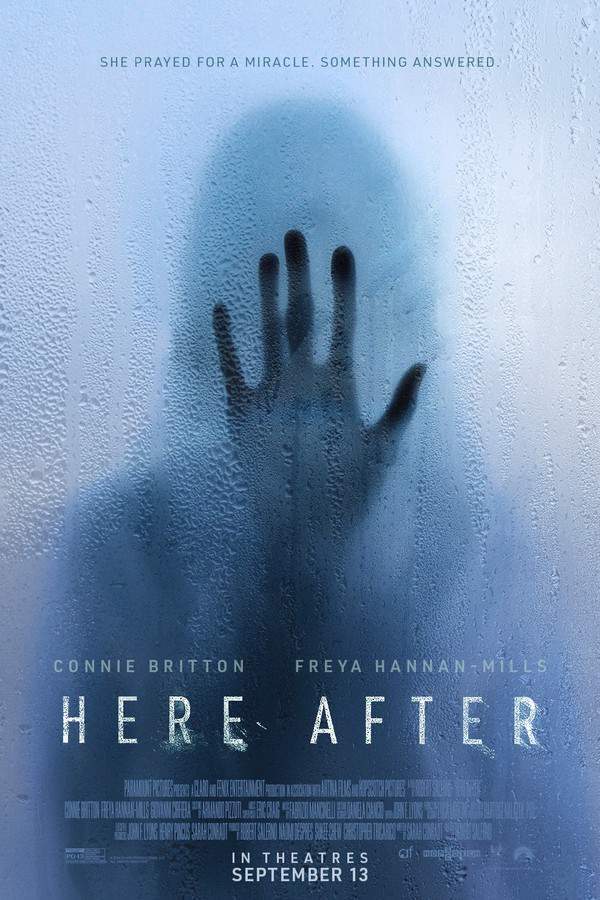
Here (2024) movie poster

Plot Summary

Here (2024) Plot Summary Explained

Release, runtime and language
2024 · 1 h 22 m · French
Echo score 77
JustWatch #3,274 27
Directed by
Bas Devos
Starring
Teodor Corban, Stefan Gota, Liyo Gong

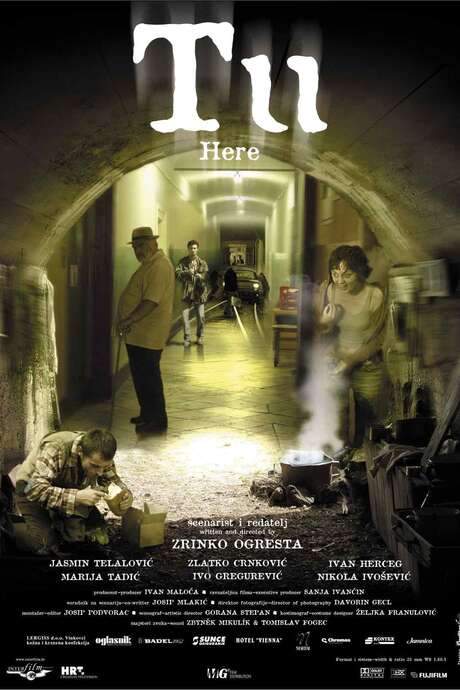
A simple act of generosity sparks a series of unexpected connections in this moving drama. Stefan, a Romanian living abroad, makes a soup as a farewell gift, but his plans change when he encounters Shuxiu, a Belgian-Chinese woman. Their unexpected friendship offers solace and understanding as they navigate their lives.

On this page (7)
  1. 1 Where to watch
  2. 2 What happens: full plot
  3. 3 Plot questions answered
  4. 4 The book behind the movie
  5. 5 Movie threads
  6. 6 Movies like Here
  7. 7 Every angle

Where to watch

Where to Watch Here (2024)

Where can you watch Here? Stream, rent or buy it in the US, including on fuboTV, Hulu and YouTube TV: current JustWatch availability with up-to-date prices.

Streaming availability powered by JustWatch

Full plot summary · contains spoilers

What Happens in Here: Full Plot Summary

The whole story of Here (2024) explained, from the opening scene to the final frame: every key event, every twist and what it all adds up to. Read it as a quick recap before the sequel, to check a scene you missed, or to finally understand what really happened.

The cinematic journey unfolds over multiple centuries and lifetimes, meticulously chronicling the evolution of a piece of land that transforms into a home in a quaint colonial town. As the film progresses, viewers are immersed in the stories of various couples who inhabit this house, weaving a rich tapestry of life experiences centered around what will eventually become the house’s living room. The narrative commences in the depths of prehistory, precisely at the moment a meteor strikes, marking the cataclysmic event that ended the age of dinosaurs.

Initially, we meet an Indigenous Couple—a man and a woman, portrayed by Joel Oulette and Dannie McCallum—who embody a profound love and subsequently welcome a child into their lives. As they age, the woman passes away, leaving the man in grief. In a beautifully poignant moment, a hummingbird flits by, symbolizing the belief that she has returned to him in a new form, signifying love that transcends even death.

Next, the narrative transports us to Colonial Times, where we briefly encounter the era of Benjamin Franklin, played by Keith Bartlett. Here, his aspirations are met with skepticism from his sons, who doubt his significance in history. The land soon becomes the foundation for a house that grows in stature, standing alongside enduring colonial architecture, a testament to the passage of time.

As the story continues into the early 20th century, we are introduced to The Harters—John and Pauline, played by Gwilym Lee and Michelle Dockery. John's profession as a pilot causes tension in their marriage, as Pauline is haunted by concerns for his safety. Their strained bond further complicates when they have a daughter, and John’s excitement to share his world with them culminates in dire consequences. Tragically, his death is initially attributed to an aviation mishap, but it’s later revealed to be due to the flu, leaving Pauline to navigate the world alone, eventually deciding to leave the house behind.

Transitioning into the 1940s, we meet The Beekmans, where Leo and Stella, portrayed by David Fynn and Ophelia Lovibond, bring their dreams to life. Leo’s passion for inventing reclining furniture gives rise to what will become the famous “La-Z-Boy.” Here, their informal romance blossoms humorously as Leo recalls how he followed Stella home, a simple act that ignites a lasting connection.

In the post-WWII landscape, we follow The Young Family, consisting of Al and Rose, brought to life by Paul Bettany and Kelly Reilly. Struggling with deep-seated PTSD and alcoholism after combat, Al grapples with personal demons while raising three children. The 70s heralds a pivotal moment in their lives when their eldest son, Ricky, now identifying as Richard and played by Tom Hanks, introduces his girlfriend Margaret (Robin Wright) to the family, shaping a beautiful yet tumultuous future together. As the family dynamics evolve, the heartwarming yet heart-wrenching events unfold in the living room, where Richard and Margaret eventually marry amidst joyous and painful moments, including a family tragedy that hints at the fragility of life.

As the narrative moves to the early 2000s, the weight of unmet expectations bears down on Margaret when she is surprised by a birthday celebration. In a moment of introspection, feeling the push of time, she laments the travels and experiences she has put off. Richard and Margaret wrestle with their faltering marriage, bringing forth conversations of separation against the backdrop of the house that holds so many memories.

The story progresses, introducing The Harris Family in the 2010s—a poignant representation of contemporary America, as Devon and Helen Harris, portrayed by Nicholas Pinnock and Nikki Amuka-Bird, navigate parenting in a world fraught with challenges. Their son Justin learns critical lessons about life and safety, reflecting deeper societal issues. The tragedy of a family member lost to the COVID-19 pandemic leaves an indelible mark, showcasing the ongoing cycle of grief and resilience.

In the Epilogue, we bear witness to the elderly Richard and Margaret returning to the now vacant house, a poignant reflection on a life well-lived. Margaret’s struggle with Alzheimer’s adds an emotional layer as Richard tenderly evokes memories of their shared past, illuminating the laughter and love woven throughout their lives. Their bittersweet journey culminates in a final panorama of the house and its surroundings, with a gentle hummingbird circling above—a recognition of love that defies the passage of time, connecting the past and present in an everlasting embrace.

Last updated: December 13, 2024 at 06:47

Was this helpful?

Plot questions answered

Here Plot Explained: Your Questions Answered

The questions people ask most about Here (2024): what happens in the confusing scenes, why the characters do what they do, the twists, hidden details and what the ending means. Each answer contains spoilers.

Q1

Why does Pauline leave the house after John dies?

Pauline leaves the house because John's death as a pilot left her with painful memories of the life she feared would happen. Though John's death was actually from influenza, not an aviation accident, the grief and the constant reminders of his dangerous profession became unbearable for her. Additionally, raising their daughter alone in that house, surrounded by loss, motivated her to start fresh elsewhere.

Foreshadowing: Pauline's earlier worries about John's flying career foreshadow her inability to stay in the house after his death, even though the actual cause was different from what she feared.

  • pauline
  • john harter
  • house
  • grief
  • death
  • leaves
Q2

What leads to Rose's stroke and how does it affect the family?

Rose suffers a stroke during Christmas time, which leaves her wheelchair-bound and fundamentally changes the family dynamic. The stroke represents another layer of loss and hardship for the Young family, adding to Al's struggles with PTSD and alcoholism. This event prompts Al to finally quit drinking and consider moving, as he faces the reality of caring for his wife while managing his own trauma.

Foreshadowing: The family's ongoing struggles with trauma and loss build toward this pivotal moment of Rose's stroke.

  • rose
  • stroke
  • al young
  • christmas
  • family
  • disability
Q3

Why do Richard and Margaret consider separating in the early 2000s?

Richard and Margaret's marriage deteriorates in the early 2000s due to accumulated unmet expectations and the weight of decades together. Margaret feels the strain of having put off her own travels and life experiences while raising their family. Their conversations about separation reflect deeper regrets about paths not taken, with both feeling trapped by the life they've built in the house.

Foreshadowing: Earlier tension in their marriage during the 1970s hints at the deeper problems that would surface decades later.

  • richard
  • margaret
  • marriage
  • separation
  • 2000s
  • regret
Q4

How does COVID-19 affect the Harris family in the house?

The Harris family suffers a devastating loss when their housekeeper Raquel dies from COVID-19. This tragedy profoundly impacts them and becomes a key reason they decide to move out of the house. The loss represents the ongoing cycle of grief that the house has witnessed across centuries, with the pandemic adding a modern layer to the narrative's exploration of mortality.

Foreshadowing: The earlier challenges the Harris family faces in the 2010s build toward this tragic loss.

  • harris family
  • covid
  • raquel
  • death
  • pandemic
  • move
Q5

What does the hummingbird symbolize in the film?

The hummingbird appears twice as a symbol of love transcending death. First, it appears when the Indigenous man loses his wife, representing his belief that she returned to him in a new form. Later, when elderly Richard and Margaret return to the house, the hummingbird reappears, symbolizing the enduring nature of their love despite Margaret's memory loss from Alzheimer's. It connects the past and present, representing love that defies time and mortality.

Foreshadowing: The first hummingbird appearance with the Indigenous couple establishes the symbol that returns in the finale.

  • hummingbird
  • symbol
  • love
  • death
  • memory
  • indigenous couple
Q6

Why does Richard dream about Rose during his marriage crisis?

Richard begins dreaming about Rose, his mother-in-law, during his and Margaret's marital struggles in the early 2000s. These dreams represent Richard seeking comfort from the past and grappling with loss and regret. As his marriage falters, he clings to memories of Rose, who represented stability and family warmth, reflecting his subconscious desire to return to a simpler, more hopeful time in the house.

Foreshadowing: Rose's earlier stroke and subsequent health struggles planted the seeds for Richard's later dreams about her.

  • richard
  • rose
  • dreams
  • memory
  • marriage
  • loss
Q7

How does Al quitting drinking impact the Young family?

Al decides to quit drinking after Rose suffers her stroke, viewing it as a necessary step to care for his wife and family during her recovery. This decision marks a turning point for Al, who had struggled with alcoholism stemming from his PTSD from the war. His sobriety represents hope for the family's future, though it comes at a difficult time as Richard and Margaret are also planning their own future away from the house.

Foreshadowing: Al's earlier struggles with alcoholism and trauma set up this pivotal moment of change.

  • al young
  • alcohol
  • sobriety
  • ptsd
  • rose
  • family
Q8

Why do elderly Richard and Margaret return to the empty house?

Elderly Richard and Margaret return to the house because it's the place where their entire life together began. With Margaret suffering from Alzheimer's, Richard hopes that returning to the location of their most precious memories might help trigger some recognition. Their visit represents a closing of the circle, as this house contains the entirety of their married life, from their youthful courtship in the 1970s to their later years.

Foreshadowing: Their entire history in the house, including both joyful moments and marital struggles, culminates in this poignant return.

  • elderly richard
  • margaret
  • alzheimer's
  • house
  • return
  • memory
Q9

What challenges does Justin Harris face growing up in the house?

Justin Harris, the son of Devon and Helen Harris in the 2010s, learns critical life lessons about safety and navigating a challenging world as a Black young man. The narrative suggests he faces unique societal challenges that reflect contemporary issues of race and identity. His experiences represent the ongoing challenges faced by families in the house across different eras.

Foreshadowing: The Harris family's move into the house in the 2010s sets the stage for exploring these modern challenges.

  • justin harris
  • devon harris
  • helen harris
  • challenges
  • growing up
  • 2010s
Q10

How does Leo Beekman develop the reclining furniture idea?

Leo Beekman develops his passion for inventing reclining furniture during the 1940s while living in the house with Stella. His creative pursuit eventually gives rise to what becomes the famous La-Z-Boy brand. The relationship between Leo and Stella is portrayed as warm and humorous, with Leo famously having followed Stella home, a simple act that began their lasting romance.

Foreshadowing: Leo and Stella's creative partnership in the house plants the seeds for this iconic American furniture brand.

  • leo beekman
  • stella beekman
  • furniture
  • la-z-boy
  • invention
  • 1940s
Q11

Why does the film begin with the meteor strike in prehistoric times?

The film opens with the meteor that ended the dinosaur age to establish the profound historical significance of the land itself. This cataclysmic event marks the beginning of the long evolutionary journey that would eventually lead to human habitation. By starting at such an ancient moment, the film emphasizes the immense passage of time that the house's land has witnessed, setting up the epic scope of stories that will unfold across centuries.

Foreshadowing: The meteor establishes the land's ancient history, which the subsequent stories will gradually fill with human meaning.

  • meteor
  • prehistoric
  • dinosaurs
  • land
  • beginning
  • origin
Q12

What tragedy occurs in the Young family before Richard and Margaret's wedding?

Before Richard and Margaret marry in the house's living room, family friend Ted suffers a heart attack and dies. This tragic event occurs during a period when the family is already experiencing both joyful moments and underlying tensions. The death brings Al and Rose closer together as they comfort Ted's grieving wife Virginia, adding a layer of sorrow to the couple's wedding preparations.

Foreshadowing: The timing of Ted's death, close to the wedding, adds emotional weight to the celebration.

  • ted
  • heart attack
  • death
  • young family
  • wedding
  • virginia

Movie threads

More Movies Like Here, by Mood & Story

Curated lists built around what makes Here tick: the same mood, the same kind of story or the same emotional payoff. Each list explains why these movies belong together.

Bittersweet Epics of Love and Loss like in Here

Sweeping stories where love endures but is shadowed by the relentless passage of time. If you were moved by the emotional scope of Here, discover more movies like it. This collection features bittersweet dramas with heavy emotional weight, exploring themes of memory, mortality, and enduring love across generations. These films share a similar slow, reflective pace and complex narrative structure.

  • melancholic
  • epic
  • poignant
  • reflective
  • tender
  • sorrowful
  • Tone: bittersweet, melancholic, poignant
  • Pacing: slow, deliberate, immersive
Why these movies?

The story pattern: Narratives in this thread often span decades or even centuries, following multiple characters or generations. The central conflict is typically the human condition itself—how we love, remember, and cope with loss. The story structure is more thematic than plot-driven, using time as a character to explore the cyclical nature of life, memory, and connection.

Why they belong together: Movies are grouped here based on their shared focus on the bittersweet interplay of deep love and profound loss, their epic temporal scope, and their heavy, melancholic emotional tone. They provide a similarly reflective and poignant viewing experience.

Quiet Dramas of Unexpected Connection like in Here

Character-driven stories where solace is found in the most unexpected of friendships. For viewers who appreciated the gentle friendship in Here, this list features similar movies about unexpected bonds. These character-driven dramas have a medium intensity and a slow pace, focusing on how quiet connections help people navigate grief, loss, and isolation.

  • tender
  • reflective
  • poignant
  • quiet
  • solace
  • healing
  • Tone: bittersweet, tender, reflective
  • Pacing: slow, observant, character-driven
Why these movies?

The story pattern: The narrative pattern revolves around isolated or grieving characters whose paths cross unexpectedly. The plot is driven by the gradual, often quiet, development of a meaningful relationship that offers a reprieve from their sorrows. Conflict is often internal—wrestling with past trauma or present loneliness—rather than external, resolved through the healing power of shared experience and empathy.

Why they belong together: These films are united by their focus on the healing nature of unexpected friendships, their gentle and observant pacing, and their ability to find profound emotional depth in quiet, understated moments between characters.

If you liked this

Movies Like Here

Similar movies to Here: the same genre, themes or kind of story. Each one comes with its own plot summary, timeline and ending explained.

Browse all movie summaries

Every angle

Here (2024) Explained: Plot, Timeline & Characters

Everything about Here in one place: what happens in the plot summary, the timeline in chronological order, the characters and meaning and a spoiler-free summary. What's After the Movie adds the cast, box office and post-credit scenes.

Coming soon on iOS and Android

The Plot Explained Movie Summary App

Plot summaries, endings explained and timelines on your phone. Catch up on any movie in minutes, save your favorites and never miss a twist again.

Be the first to know when we launch. Your email stays private, always.

Learn more about the app