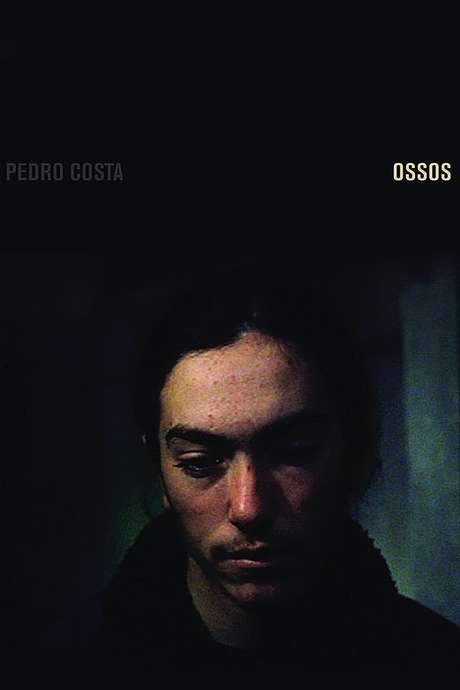
Ventura anchors a quiet, intimate drama at the edge of urban decay, a film that follows a 75-year-old man whose presence threads through a network of neighbors in a run-down neighborhood. Time and space drift between shots, leaving the sequence of events oddly elusive: it isn’t always clear who is responsible for the furniture being hurled out a second-floor window, nor whether the person the woman is railing about is the man we come to know as Ventura. The casting unfolds with a sense of realism, and like much of the film, the performances are delivered by nonprofessional actors, lending an almost documentary-like feel to the proceedings.
The narrative spends a great deal of its running time tracing Ventura’s visits to people in his area, a circle of relationships he often calls his “children.” In turn, those he helps sometimes address him as “Papa.” These small, intimate exchanges establish a fragile web of kinship and dependence, creating a portrait of a community bound together by routine, memory, and mutual care even as the neighborhood awaits destruction. The dynamic between the elderly man and his neighbors is tender, patient, and observational, inviting the viewer to observe how ordinary acts of telling, listening, and sharing shape a sense of belonging.
Visually, the film contrasts the brightness of a newly provided government apartment with the grim, shadowy tenements that stand to be demolished. The new space feels almost clinical in its cleanliness and light, a stark counterpoint to the squalor of the old buildings. This juxtaposition is reinforced by a high-contrast cinematographic style that makes the decayed rooms unexpectedly beautiful, turning everyday interiors into striking canvases that carry a quiet, contemplative mood. In these images, everyday life glows with a strange, almost tactile beauty, inviting viewers to linger on textures, light, and small gestures rather than on overt dramatic plot turns.
A recurring thread centers on a request from a fellow Cape Verdean, Alberto 'Lento' Barros, who asks Ventura to compose a love letter for his wife. Ventura’s recitation of the letter becomes a thematic throughline, a formal device that weaves memory, desire, and communal ties into the fabric of the film. The act of writing and voicing the letter recurs, shaping moments of introspection and connection across the characters’ lives. This motif elevates the everyday task into something tactile and honoring, underscoring how language and sentiment travel across generations and boundaries within the community.
Throughout the film, there are subtle allusions to past lives in the Cape Verde Islands and to Portugal’s political history, lending a broader resonance to the narrative. The title, Youth on the March, lands with an ironical weight, suggesting movement, progress, and idealism that contrast with the quiet, enduring rhythms of the characters’ daily lives. This irony sits at the heart of the film’s exploration of memory, migration, and the legacies we carry with us.
Taken together, the movie is a quiet meditation on belonging, aging, and the intimate bonds that endure amid upheaval. It favors a restrained, observant pace over loud drama, inviting viewers to notice the small, almost sacred moments—the ways a neighbor sits with another, the sound of a door closing, the glow of a sunlit wall in a stark, formerly tenement room. The result is a thoughtful, beautifully composed portrait of community, memory, and resilience, told through a lens that values human connection as much as any explicit plot payoff.