Plot Explained Spoilers guaranteed!
Plot Explained

Browse by genre

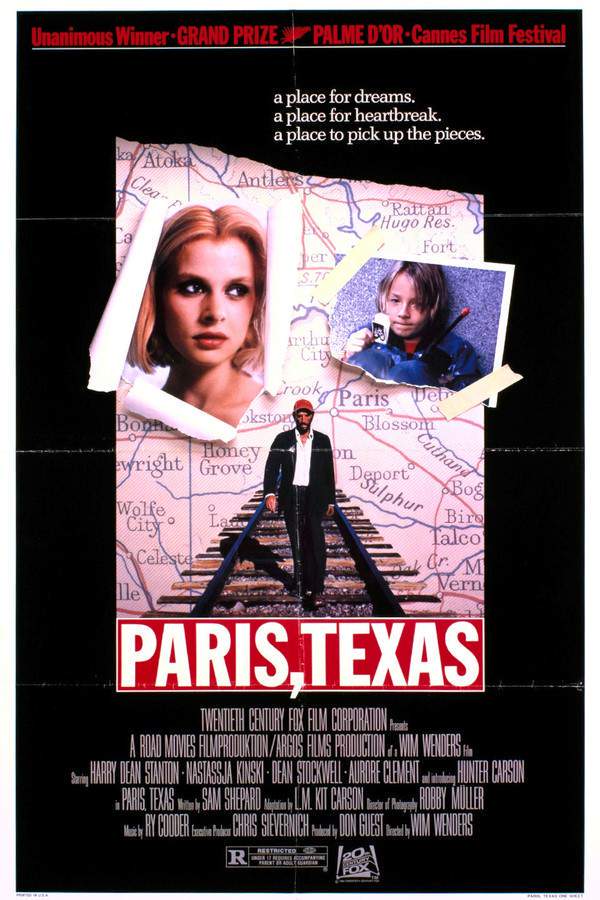
Paris, Texas (1984) movie poster

Characters & Themes

Paris, Texas (1984) Characters, Setting & Themes Explained

Release, runtime and language
1984 · 145 min · English
Loading streaming availability…
Directed by
Wim Wenders
Starring
Dean Stockwell, Aurore Clément, Bernhard Wicki, Claresie Mobley, Edward Fayton, Harry Dean Stanton

A man wanders out of the desert, his identity and past lost to him. Known only as Travis Henderson, he’s found by his brother Walt, who attempts to help him recover his memories. As Travis pieces together his past, he confronts the reasons for his disappearance and the impact it had on his family, particularly his young son Hunter and his estranged wife Anne. The journey is a poignant exploration of loss, regret, and the enduring bonds of family.

On this page (8)
  1. 1 Where to watch
  2. 2 Characters explained (3)
  3. 3 Where & when it takes place
  4. 4 Themes & meaning (3)
  5. 5 Character & meaning questions
  6. 6 Movie threads
  7. 7 Movies like Paris, Texas
  8. 8 Every angle
Loading streaming availability…

3 main characters · contains spoilers

Paris, Texas Characters Explained: Who Is Who

The main characters of Paris, Texas (1984), heroes and villains: what drives them, how they change over the course of the story and what each of them reveals about the film's bigger ideas.

  • Travis (Dean Stockwell)

    Travis is a complex character depicted as a mute wanderer haunted by his past. His silence speaks volumes about his internal struggles and regrets, particularly in relation to his son and estranged wife. Throughout the film, Travis evolves from a lost figure to a determined father seeking to reconnect, highlighting themes of redemption and familial love.

    • 🧔 Lost
    • 🌌 Wanderer
    • 👨‍👦 Fatherhood
  • Walt (Harry Dean Stanton)

    Walt serves as the practical and caring brother who takes on the responsibility of bringing Travis back to reality. His persistent efforts to bridge the gap between Travis and Hunter showcase his commitment to family. Throughout the film, Walt navigates the challenges of understanding his brother while supporting their troubled familial bond.

    • 👨‍👦 Brother
    • ❤️ Supportive
    • 🌆 Caregiver
  • Hunter (Hunter Carson)

    Hunter is a shy and timid boy caught between the worlds of his estranged father and his caring guardians. His emotional arc reflects the longing for a connection with Travis while grappling with the unknowns of their relationship. As they travel together, Hunter begins to navigate his feelings of uncertainty, gradually building a bond with his father.

    • 👦 Curious
    • 🌱 Growing
    • 💔 Son

Last updated: October 22, 2024 at 19:13

Was this helpful?

Setting

Where and When Does Paris, Texas Take Place?

The setting of Paris, Texas (1984): the year and time period, the places and locations, and how they shape the characters, the mood and the tension of the story.

Time period

The film's timeline is subtly implied through character backstories and events, although it is not anchored to a specific historical period. The narrative explores themes of familial estrangement and reunification in contemporary settings, reflecting on personal struggles amid ongoing life changes.

Location

Texas, Los Angeles, Houston

The film unfolds in the harsh and desolate landscapes of Texas, characterized by expansive deserts and remote motels. Specifically, it highlights locations such as a dilapidated bar and various motels where characters find temporary refuge. Los Angeles serves as the starting point for the journey, while Houston becomes pivotal in the search for familial connection.

  • 🏜️ Desert
  • 🌆 City
  • 🏨 Hotel

Last updated: October 22, 2024 at 19:13

Was this helpful?

3 major themes

Paris, Texas Meaning: Themes & Message Explained

What is Paris, Texas (1984) really about? The emotional, social and philosophical themes the film keeps returning to, its symbolism and the message beneath the surface.

  • Family

    The central theme revolves around family dynamics, exploring the bond between fathers and their children. It portrays the emotional journey of reconnection and the complexities of estrangement that arise from past decisions. The film underscores the importance of family ties, despite time and distance separating loved ones.

  • Isolation

    Isolation is a significant theme, illustrated through Travis's journey and silence. His aimless wandering across the desert symbolizes a deeper emotional desolation that affects both him and his family. This theme resonates throughout the film as characters grapple with their pasts and seek connection in a world filled with solitude.

  • Regret

    Regret permeates the narrative as Travis reflects on the choices that led to his estrangement from his son. Through the journey of reconciliation, the film portrays the weight of unresolved feelings and lost time. Each character's actions carry the burden of their previous decisions, bringing forth the desire for redemption.

Last updated: October 22, 2024 at 19:13

Was this helpful?

Character & theme questions

Paris, Texas Characters & Meaning: Your Questions Answered

The questions people ask about Paris, Texas (1984): who the characters really are, their relationships, what the symbols mean, where it takes place and what the movie is really about. Each answer contains spoilers.

Q1

Why is the Texas desert used as the main setting?

The vast, harsh Texas desert serves as a powerful visual metaphor for Travis's emotional isolation and internal desolation. The desolate landscapes reflect his state of being lost, both geographically and emotionally, while the emptiness of the desert underscores the themes of abandonment and the weight of unresolved regret that defines his journey.

  • texas desert
  • setting
  • symbolism
  • isolation
Q2

When is the story set?

The film takes place in a contemporary setting, though no specific year is explicitly stated. The narrative explores themes of familial estrangement and reconciliation within modern America, using present-day locations like Los Angeles, Houston, and various Texas motels to ground the story in a recognizable, albeit melancholic, present-day world.

  • time period
  • contemporary
  • modern setting
Q3

What are the main themes of the film?

The film centers on three interconnected themes: family dynamics and the complex bonds between fathers and sons; isolation, both physical and emotional, embodied by Travis's silent wandering through the desert; and regret, as characters confront the consequences of past decisions that fractured their family. These themes weave together to explore redemption and the possibility of reconciliation.

  • themes
  • family
  • isolation
  • regret
  • redemption
Q4

Who is Travis and what does he represent?

Travis is a mute wanderer who emerges from the desert with no memory of his past, symbolizing a man completely detached from his identity and family. His silence communicates his internal struggle and deep regrets. Throughout the film, he represents the possibility of redemption and the painful journey of reconnecting with those he abandoned, embodying the themes of isolation and regret.

  • travis
  • protagonist
  • mute
  • redemption
Q5

What role does Walt play in the story?

Walt serves as Travis's caring older brother who takes responsibility for helping Travis recover his memories and reconnect with his family. He acts as a bridge between Travis and his son Hunter, demonstrating the enduring nature of family bonds despite years of separation. Walt represents loyalty and the persistent hope that estranged family members can be reunited.

  • walt
  • brother
  • family
  • support
Q6

Who is Hunter and what is his emotional journey?

Hunter is Travis's young son, a shy and timid boy who has grown up without his father and must navigate complex feelings of longing, uncertainty, and hope as he encounters Travis again. His emotional arc involves gradually building a connection with his estranged father during their road trip, representing the child caught between the worlds of his biological family and his guardians.

  • hunter
  • son
  • child
  • emotional journey
Q7

What does the desert symbolize in the film?

The desert symbolizes multiple layers of meaning: emotional emptiness and spiritual desolation, the vastness of time and distance separating family members, and a space where one must confront their past directly. Travis's aimless wandering through this harsh landscape mirrors his internal journey from isolation toward the possibility of reconciliation, while the desert's unforgiving nature reflects the weight of past decisions.

  • desert
  • symbolism
  • isolation
  • emotional desolation
Q8

How does the film approach the theme of family?

The film presents family as both a source of profound pain and an enduring source of hope. Travis's years of absence have fractured his relationships with his son and wife, yet the narrative explores whether these bonds can be mended despite the damage caused by his choices. The story suggests that family ties persist even through estrangement, though reconciliation comes with bittersweet consequences.

  • family
  • estrangement
  • reconciliation
  • father-son bond
Q9

How is regret portrayed in the story?

Regret permeates the narrative as Travis must confront the consequences of abandoning his family. Each character carries the burden of past decisions, Travis's abandonment, the choices that led to estrangement, and the lost years that cannot be recovered. The film examines whether redemption is possible when the damage has already been done, ultimately offering a nuanced portrayal of working through regret rather than resolving it completely.

  • regret
  • redemption
  • past decisions
  • consequences
Q10

What is the significance of the motels in the film?

The various motels where characters find temporary refuge represent the transience and instability of Travis's life and the fractured state of his family. Unlike a permanent home, these motels symbolize a liminal space, neither here nor there, mirroring the characters' emotional states of being caught between their past and potential future. They serve as settings where difficult conversations and reconciliations can occur.

  • motels
  • temporary refuge
  • transience
  • settings
Q11

What is the purpose of the Los Angeles and Houston locations?

Los Angeles serves as the starting point of Travis's journey back to his family, representing the urban, disconnected world he left behind. Houston becomes pivotal in the search for familial connection, representing the destination where Travis must ultimately face his past and make difficult choices about his future. These cities contrast with the desert, representing civilization and the possibility of reconnection.

  • los angeles
  • houston
  • locations
  • journey
Q12

Why does Travis not speak?

Travis's muteness is a powerful expression of his psychological state, it communicates the overwhelming weight of his guilt, shame, and inability to articulate his past. His silence suggests that some wounds are too deep for words and that his internal struggles manifest as physical withdrawal. This restraint creates impact through understatement, allowing his actions and eventual words to carry greater emotional weight.

  • silence
  • muteness
  • psychological
  • communication

Movie threads

More Movies Like Paris, Texas, by Mood & Story

Curated lists built around what makes Paris, Texas tick: the same mood, the same kind of story or the same emotional payoff. Each list explains why these movies belong together.

Movies about estranged fathers like Paris, Texas

Stories where estranged fathers search for family and a second chance. If you were moved by Travis's search for his family in Paris, Texas, this thread features similar movies about lost fathers seeking redemption. These poignant character studies explore themes of fatherhood, regret, and the difficult road back to those you've left behind.

  • melancholic
  • poignant
  • reflective
  • lonely
  • redemptive
  • quiet
  • Tone: melancholic, poignant, bittersweet
  • Pacing: slow, deliberate, character-focused
Why these movies?

The story pattern: These narratives typically follow a male protagonist, often emotionally damaged or physically distant, as he re-enters the lives of his children or former partner. The plot unfolds slowly, revealing the reasons for his absence and the emotional damage caused. The journey is less about action and more about quiet conversations, unresolved pain, and the bittersweet reality that some wounds never fully heal.

Why they belong together: Movies in this thread are grouped by their shared focus on the paternal redemption arc. They consistently feature a melancholic tone, a slow, reflective pace, and a bittersweet emotional core. The viewing experience is defined by a quiet intensity and a deep exploration of familial fracture and the possibility, however limited, of grace.
Atmospheric movies with a sense of desolation like Paris, Texas

Films where vast, empty settings mirror profound internal loneliness. For viewers who appreciated the haunting desert landscapes and quiet mood of Paris, Texas, this thread collects films where the setting profoundly influences the story. These movies use atmosphere and slow pacing to create a powerful sense of loneliness and reflection.

  • desolate
  • atmospheric
  • lonely
  • contemplative
  • slow burn
  • melancholic
  • Tone: melancholic, desolate, reflective
  • Pacing: slow, atmospheric, immersive
Why these movies?

The story pattern: The narrative in these films is often minimalist, driven more by mood and atmosphere than by complex plotting. Characters are frequently adrift, both literally and figuratively, and the story unfolds through their interaction with an overwhelming and often indifferent environment. The plot progression is gradual, allowing the audience to sink into the feeling of the place and the protagonist's solitude.

Why they belong together: These films are united by their masterful use of atmosphere and setting to convey deep emotion. They share a slow, deliberate pace, a melancholic or bleak tone, and a focus on visual storytelling. The experience is immersive and introspective, prioritizing a consistent, palpable mood over fast-paced action.

If you liked this

Movies Like Paris, Texas

Similar movies to Paris, Texas: the same genre, themes or kind of story. Each one comes with its own plot summary, timeline and ending explained.

Browse all movie summaries

Every angle

Paris, Texas (1984) Explained: Plot, Timeline & Characters

Everything about Paris, Texas in one place: what happens in the plot summary, the timeline in chronological order, the characters and meaning and a spoiler-free summary. What's After the Movie adds the cast, box office and post-credit scenes.

Coming soon on iOS and Android

The Plot Explained Movie Summary App

Plot summaries, endings explained and timelines on your phone. Catch up on any movie in minutes, save your favorites and never miss a twist again.

Be the first to know when we launch. Your email stays private, always.

Learn more about the app