







Plot Explained Spoilers guaranteed!
Plot Explained

Browse by genre

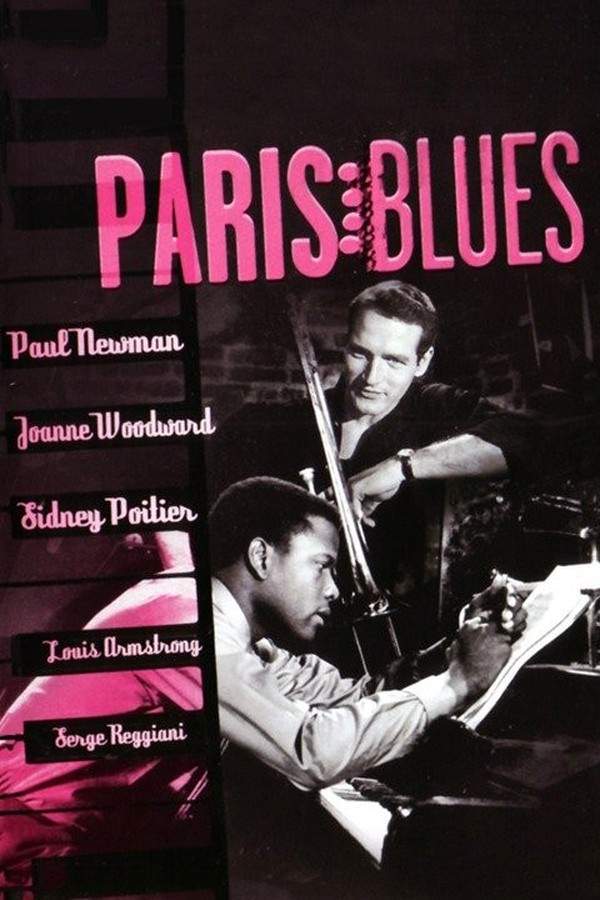
Paris Blues (1961) movie poster

Plot Summary

Paris Blues (1961) Plot Summary Explained

Release, runtime and language
1961 · 98 min · English
JustWatch #10,613 6
Directed by
Martin Ritt
Starring
Paul Newman, Sidney Poitier, Joanne Woodward, Aaron Bridgers, André Luguet, Barbara Laage

In Paris, jazz musicians Ram Bowen and Eddie Cook find refuge from difficult times, immersing themselves in the vibrant Parisian nightlife. Their dedication to music is tested when they become romantically involved with two American women visiting the city. As their feelings deepen, the expatriates face a difficult choice between maintaining their artistic principles and pursuing love and connection in a foreign land, exploring themes of art, identity, and the complexities of human relationships.

On this page (6)
  1. 1 Where to watch
  2. 2 What happens: full plot
  3. 3 Plot questions answered
  4. 4 Movie threads
  5. 5 Movies like Paris Blues
  6. 6 Every angle

Where to watch

Where to Watch Paris Blues (1961)

Where can you watch Paris Blues? Stream, rent or buy it in the US, including on Philo, ScreenPix Amazon Channel and Hoopla: current JustWatch availability with up-to-date prices.

Streaming availability powered by JustWatch

Full plot summary · contains spoilers

What Happens in Paris Blues: Full Plot Summary

The whole story of Paris Blues (1961) explained, from the opening scene to the final frame: every key event, every twist and what it all adds up to. Read it as a quick recap before the sequel, to check a scene you missed, or to finally understand what really happened.

On his journey to meet Wild Man Moore at the train station, jazz musician Ram Bowen, who resides in Paris, crosses paths with a newcomer named Connie Lampson. Despite her initial disinterest, her friend Lillian persuades Connie to attend his performance that night at Club 33. After captivating the audience alongside fellow expatriate Eddie, the four of them leave the club in the early hours of the morning. A suggestion from Ram to share a private breakfast with Connie leads to her feeling offended, igniting Ram's anger at her rejection.

However, Lillian's determination does not wane. She encourages Ram to extend an apology before trying to win him over. In a twist of fate, they share a night together while Connie and Eddie explore the sights of Paris. As the weeks pass, both couples find themselves growing closer, yet friction arises when Connie expresses her frustration over Eddie's decision to forsake America in pursuit of his dreams in France. She firmly believes that racial harmony in the U.S. can only improve if people unite and enact change back home. Conversely, Eddie embraces his life in Paris, where he experiences significantly less racial prejudice and thrives as a musician.

Lillian pushes Ram towards a deeper commitment, suggesting they return to the U.S. together. Despite her compelling offer, Ram, recognizing her responsibilities as a single mother of two, resolves to end their relationship, prioritizing his devotion to music. Meanwhile, Connie and Eddie admit their feelings for one another, contemplating marriage. Yet their plans encounter a snag when Eddie refuses to commit to living in the U.S. for an entire year. Both women, heartbroken by their partners, start preparations to head back home prematurely.

In an emotional climax, Connie makes a final effort to connect with Eddie at a party, revealing her decision to leave Paris permanently. In a moment of realization, Eddie opts to return to America to join Connie, though he will take a few weeks to finalize his obligations in Paris. Ram's path leads him to a meeting with producer Bernard, who dismisses Ram's new composition, leaving him disillusioned about his music career. Yet, Bernard recognizes Ram's potential as a serious composer, provided he dedicates himself to his craft.

Devastated, Ram reaches out to Lillian and agrees to depart for America with her. However, just as the women prepare to leave, Ram arrives late, declaring he cannot abandon his passion for music. As Connie and Lillian's train pulls away, Ram walks off with Eddie, marking a poignant moment of choices and sacrifices. The film concludes with a powerful visual—a group of French workers covering a billboard that promotes Wild Man Moore's show, a symbol of change and the passage of time.

Last updated: November 16, 2024 at 18:06

Was this helpful?

Plot questions answered

Paris Blues Plot Explained: Your Questions Answered

The questions people ask most about Paris Blues (1961): what happens in the confusing scenes, why the characters do what they do, the twists, hidden details and what the ending means. Each answer contains spoilers.

Q1

Why does Eddie decide to stay in Paris instead of returning to America?

Eddie chooses to remain in Paris because he experiences significantly less racial prejudice there compared to the United States. In Paris, he can thrive as a musician without the systemic discrimination he faces back home. Connie believes racial harmony in America can only improve if people work together to enact change from within, but Eddie feels he has found freedom and artistic fulfillment in France that he wouldn't have in America.

Foreshadowing: Earlier, Connie confronts Eddie about his decision to embrace life in France while forsaking America, establishing the central conflict of their relationship.

  • eddie cook
  • paris
  • racial prejudice
  • america
  • jazz musician
Q2

Why does Ram refuse to leave Paris with Lillian?

Ram ultimately chooses his music over his relationship with Lillian because he recognizes that his dedication to his craft is paramount to his identity. Though Lillian offers him a life together in America as a single mother of two, Ram cannot abandon his passion for music. When he arrives late as the women prepare to leave, he declares he cannot give up his dreams, prioritizing artistic integrity over romantic commitment.

Foreshadowing: Lillian's proposal for them to return to the U.S. together creates tension, as Ram has always been devoted to his music career in Paris.

  • ram bowen
  • lillian
  • music career
  • artistic integrity
  • paris
Q3

Why does Bernard dismiss Ram's new composition?

Producer Bernard rejects Ram's new composition, calling it unmarketable and leaving Ram disillusioned about his career. However, Bernard does acknowledge Ram's potential as a serious composer, but makes it clear that Ram must dedicate himself more fully to his craft if he wants to achieve artistic legitimacy. This rejection represents the ongoing struggle Ram faces between creating popular jazz and pursuing serious composition.

Foreshadowing: This moment occurs after Ram has been balancing his Club 33 performances with his ambitions as a composer, showing the tension between commercial success and artistic growth.

  • bernard
  • ram composer
  • rejection
  • music career
  • paris
Q4

Why does Eddie change his mind about going to America at the end?

At the party, Connie makes a final effort to connect with Eddie, revealing she plans to leave Paris permanently. This emotional moment causes Eddie to realize that choosing love means more to him than staying in Paris. He decides to return to America with Connie, though he insists on taking a few weeks to finalize his obligations in Paris first. His choice represents prioritizing their relationship over his comfort in France.

Foreshadowing: Earlier, both couples prepare to separate when Eddie hesitates to commit to living in the U.S. for a full year, building to this moment of decision.

  • eddie
  • connie
  • marriage
  • america
  • decision
Q5

Why is Connie upset about Eddie staying in Paris?

Connie is upset because she believes Eddie is abandoning America during a critical time for racial progress. She argues that racial harmony in the U.S. can only improve if people unite and work to enact change from within the country, rather than fleeing to escape prejudice. Eddie's embrace of life in Paris, where he experiences freedom from discrimination, contrasts with Connie's belief in facing issues head-on.

Foreshadowing: The cultural clash between the couples is established when Connie confronts Eddie about forsaking America in pursuit of his dreams in France.

  • connie
  • eddie
  • racial prejudice
  • america
  • values
Q6

Why does Ram get angry when Connie rejects his breakfast invitation?

After their performance at Club 33, Ram suggests a private breakfast with Connie, but she feels offended by the proposition, interpreting it as inappropriate. This rejection triggers Ram's anger, creating tension between them. The misunderstanding highlights Ram's blunt approach and Connie's traditional values, setting up their rocky relationship dynamic.

Foreshadowing: This initial conflict establishes the pattern of misunderstanding between Ram and Connie that must be overcome for their relationship to develop.

  • ram
  • connie
  • breakfast
  • conflict
  • rejection
Q7

What does the billboard at the end of the film symbolize?

The final image shows French workers covering a billboard promoting Wild Man Moore's show. This visual symbolizes change and the passage of time in both the characters' lives and society. Just as the billboard is being replaced, the characters have all made significant life changes, Eddie returning to America with Connie, and Ram committing to his music in Paris. The image suggests the inevitable shifts in cultural trends and personal trajectories.

Foreshadowing: The film opens with Ram journeying to meet Wild Man Moore at the train station, establishing Moore as a significant figure whose influence is now fading.

  • billboard
  • wild man moore
  • ending
  • symbolism
  • change
Q8

Why does Ram end his relationship with Lillian despite loving her?

Ram ends the relationship because he recognizes Lillian's responsibilities as a single mother of two children. Though they share a deep connection and she proposes they return to America together, Ram feels he cannot ask her to abandon her duties or offer her the stable life she needs. His choice to prioritize music over the relationship is also a recognition that he cannot provide what Lillian and her children require.

Foreshadowing: Lillian's proposal for them to leave Paris together creates the central conflict of Ram's decision between love and artistic dedication.

  • lillian
  • ram
  • relationship
  • children
  • commitment
Q9

Why do Connie and Eddie's marriage plans fall apart?

Connie and Eddie confess their feelings and contemplate marriage, but their plans falter when Eddie hesitates to commit to living in the U.S. for an entire year. Connie wants him to return with her to America, but Eddie cannot abandon his life in Paris where he experiences freedom as a musician. This disagreement leads both women to prepare to leave prematurely, until Eddie eventually changes his mind.

Foreshadowing: Their growing closeness during weeks in Paris builds toward this moment of reckoning about their differing futures.

  • eddie
  • connie
  • marriage
  • america
  • commitment
Q10

Why do Ram and Eddie choose to live in Paris as expatriates?

Ram and Eddie are jazz musicians who have found refuge in Paris from difficult times, immersing themselves in the vibrant Parisian nightlife. Paris offers them artistic freedom and a supportive environment for their music, away from the racial prejudice Eddie faces in America. Their dedication to their craft drives them to pursue their careers in a foreign land, where they can thrive as artists.

Foreshadowing: The film establishes early on that both musicians have chosen exile in Paris to pursue their artistic dreams away from the challenges they face at home.

  • paris
  • jazz musicians
  • expatriates
  • america
  • artistic freedom

Movie threads

More Movies Like Paris Blues, by Mood & Story

Curated lists built around what makes Paris Blues tick: the same mood, the same kind of story or the same emotional payoff. Each list explains why these movies belong together.

Movies about artistic exiles and bittersweet choices like Paris Blues

Expatriate artists choosing between their creative calling and personal happiness. If you enjoyed the dilemma of choosing between art and love in Paris Blues, you'll find similar stories here. This collection features movies about expatriate artists facing pivotal life decisions, set against vibrant but lonely foreign backdrops. Discover more dramas exploring the cost of creative passion.

  • artistic
  • yearning
  • melancholic
  • romantic
  • reflective
  • expatriate
  • Tone: melancholic, reflective, bittersweet
  • Pacing: steady, character-driven
Why these movies?

The story pattern: Narratives in this thread typically center on an artist or intellectual who has fled to a new environment for creative freedom. Their peaceful exile is disrupted by the arrival of a romantic interest or a call back to their old life, forcing a climactic decision that defines their future path. The journey is less about external plot and more about an internal conflict between two compelling, yet incompatible, ways of life.

Why they belong together: These films are grouped together because they share a deeply melancholic and reflective tone, a steady pacing that allows for character introspection, and a central thematic focus on the sacrifices inherent in an artistic life. They create a specific, yearning atmosphere where personal fulfillment and professional dedication are in direct opposition.

Melodically atmospheric romantic dramas like Paris Blues

Romantic stories where the score and setting are central to the mood. Find more movies that capture the smoky, jazz-infused romance of Paris Blues. These films use music and a strong sense of place to create a reflective and yearning mood. If you liked the blend of romance, music, and a tangible atmosphere, explore these similar titles.

  • romantic
  • melancholic
  • nostalgic
  • yearning
  • atmospheric
  • musical
  • Tone: romantic, melancholic, nostalgic
  • Pacing: steady, atmospheric
Why these movies?

The story pattern: The narrative pattern focuses on a character-driven romance that is intrinsically tied to its environment. The plot is often a simple but emotionally resonant series of encounters and conversations, with the musical score and visual texture of the setting amplifying the feelings of connection, desire, and eventual heartache or compromise. The story feels like a melody itself, with emotional highs and lows dictated by the atmosphere.

Why they belong together: Movies in this thread are united by their primary focus on creating a distinct, mood-driven experience. They share a steady pacing, a medium emotional intensity, and a bittersweet tone. The combination of a strong romantic plot with a diegetic musical element (like jazz clubs) or a powerfully evocative score creates a coherent and desirable vibe for viewers.

If you liked this

Movies Like Paris Blues

Similar movies to Paris Blues: the same genre, themes or kind of story. Each one comes with its own plot summary, timeline and ending explained.

Browse all movie summaries

Every angle

Paris Blues (1961) Explained: Plot, Timeline & Characters

Everything about Paris Blues in one place: what happens in the plot summary, the timeline in chronological order, the characters and meaning and a spoiler-free summary. What's After the Movie adds the cast, box office and post-credit scenes.

Coming soon on iOS and Android

The Plot Explained Movie Summary App

Plot summaries, endings explained and timelines on your phone. Catch up on any movie in minutes, save your favorites and never miss a twist again.

Be the first to know when we launch. Your email stays private, always.

Learn more about the app