Plot Explained Spoilers guaranteed!
Plot Explained

Browse by genre

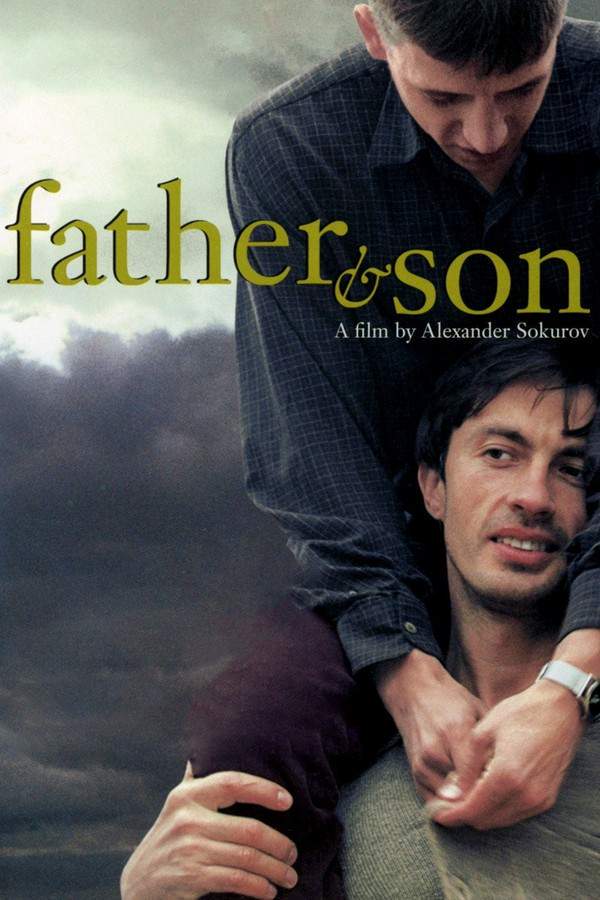
Father and Son (2004) movie poster

Plot Summary

Father and Son (2004) Plot Summary Explained

Release, runtime and language
2004 · 97 min · Russian
Directed by
Aleksandr Sokurov

Set against the evocative backdrop of St. Petersburg, this drama explores the profound connection between a father and son. Their close relationship faces a challenge when Aleksei's girlfriend arrives, forcing him to grapple with the complexities of adulthood and the inevitable separation from his father. The story also reflects on Aleksei’s past loss of his mother, adding depth to his emotional journey and the evolving dynamic between father and son.

On this page (6)
  1. 1 What happens: full plot
  2. 2 Plot questions answered
  3. 3 Movie threads
  4. 4 Movies like Father and Son
  5. 5 Categories
  6. 6 Every angle

Full plot summary · contains spoilers

What Happens in Father and Son: Full Plot Summary

The whole story of Father and Son (2004) explained, from the opening scene to the final frame: every key event, every twist and what it all adds up to. Read it as a quick recap before the sequel, to check a scene you missed, or to finally understand what really happened.

In a seaside city that feels unnamed to the outside world, a father and his son Aleksei share a rooftop apartment that looks out over the water and the quiet pulse of daily life below. The Father, once a combat helicopter pilot, now guides Aleksei as he attends military school where he trains to become a sports trainer. Although the Father’s youth and the easy understanding between them suggest a close, almost sagelike rapport, their different life experiences gradually pull them apart. This growing distance fuels Aleksei’s nighttime terrors, and the rift between father and son becomes the emotional core that haunts the story.

Sokurov’s film is frequently described as plotless, yet it orchestrates two distinct narrative modes that coil around one another. One mode is circular: the film opens and closes with Father comforting Aleksei after a nightmare, a containment that frames the entire experience. The other mode is linear, embedded inside the circular frame, tracing a weekend that unfolds with a deceptive simplicity yet carries the weight of all that has separated them. The visual design of the framing scenes—Father sitting in the snow in his pajamas, the quietness that surrounds these intimate moments—coupled with intertextual references to famous painterly depictions of angels (for instance, Rembrandt’s Jacob Wrestling with the Angel) position Father as Aleksei’s guardian angel, returning from the wounds of combat to protect and console his son. This depiction of almost filial closeness has led some viewers to read subtextual dimensions of intimacy into their bond, highlighting the film’s delicate handling of love, dependence, and protection.

The linear thread narrows its gaze to a two‑day span that Aleksei stitches into a single, nightmarish sequence. Within this frame, Aleksei and Father encounter two young men around Aleksei’s age—Sasha and Fyodor—each effectively fatherless for different reasons, their missing fathers echoing in their own distress and shaping the emotional weather of the city as the two days pass. Parallel to these meetings, Aleksei’s unnamed girlfriend ends their relationship, and Aleksei’s reluctance to embrace fatherhood becomes a point of friction that strains both his personal life and his bond with the Father. The convergence of these threads—the intimate, almost celestial care of a guardian figure and the gritty, everyday ache of unfulfilled responsibility—gives the film its quiet, persistent ache.

Ultimately, Father and Son emerges as a profound allegory of paternal love and filial regret, a somber meditation on a bond that can be both intensely protective and potentially constraining. It functions as a contemporary variation on the Parable of the Prodigal Son, reframing that age‑old story through Sokurov’s restrained, contemplative lens. The result is a meditation that invites reflection on what it means to love a child, to bear witness to growth and failure, and to navigate the thin line between guardian and witness in a world that often feels both intimate and tenuous.
Last updated: November 22, 2025 at 15:57

Was this helpful?

Plot questions answered

Father and Son Plot Explained: Your Questions Answered

The questions people ask most about Father and Son (2004): what happens in the confusing scenes, why the characters do what they do, the twists, hidden details and what the ending means. Each answer contains spoilers.

Q1

Why does Aleksei have nightmares?

Aleksei's nightmares stem from the growing emotional rift between him and his father. As Aleksei matures and pulls away from their close bond, he experiences deep-seated anxiety about losing his father's love and protection. The nightmares intensify as the weekend progresses and tensions rise, ultimately assembling all the weekend's events into a single, symbolic dream sequence that reflects his fear of separation and his subconscious struggle with autonomy versus dependence.

Foreshadowing: The film opens with the first nightmare, establishing this pattern before the linear events even unfold.

  • nightmares
  • aleksei
  • emotional rift
  • fear
  • separation
Q2

What is the guardian angel motif in the film?

The father is presented as Aleksei's guardian angel, a figure who has returned from the wounds of combat to protect and console his son. This is reinforced through visual imagery and the reference to Rembrandt's Jacob Wrestling with the Angel, which elevates their bond to a spiritual plane. The father sits in the snow in his pajamas, watching over the sleeping Aleksei, embodying unconditional protection even at the cost of his own vulnerability.

Foreshadowing: This motif is introduced in the opening sequence and recurs throughout, culminating in the final rooftop vigil.

  • guardian angel
  • father
  • protection
  • rembrandt
  • spiritual
Q3

Why does Aleksei's girlfriend break up with him?

The girlfriend ends their relationship because Aleksei is reluctant to embrace fatherhood and take on adult responsibilities. This reluctance directly conflicts with what she expects from a partner ready for adulthood. The breakup serves as a catalyst that strains Aleksei's already delicate relationship with his father, as it forces him to confront his unwillingness to commit to responsibilities that his father expects him to assume.

Foreshadowing: Earlier scenes establish Aleksei's resistance to growing up, which foreshadows this confrontation.

  • girlfriend
  • breakup
  • responsibility
  • fatherhood
  • commitment
Q4

Why is Aleksei reluctant to become a father?

Aleksei's reluctance to become a father stems from his complicated relationship with his own father's protective presence. The father's intense, almost celestial care, while loving, creates a boundary between Aleksei and true autonomy. By resisting fatherhood, Aleksei unconsciously resists becoming like his father, either复制ing his protective style or fearing he cannot live up to that standard. His resistance represents a deeper struggle between accepting the father's way of loving and carving out his own identity.

Foreshadowing: The tension over fatherhood emerges on Day 2 morning, building on the underlying rift established throughout the weekend.

  • fatherhood
  • autonomy
  • identity
  • resistance
  • responsibility
Q5

What is the purpose of the film's circular structure?

The film opens and closes with Father comforting Aleksei after a nightmare, creating a circular frame that contains the linear weekend narrative. This structure emphasizes the persistent, cyclical nature of the father-son bond, the father continually returns to comfort his son, regardless of the distance that grows between them. The circularity also suggests that the emotional themes (fear, protection, separation) are timeless and ongoing, not resolved but endured.

Foreshadowing: The opening comfort scene mirrors the closing one, with the linear events unfolding between them.

  • circular structure
  • narrative
  • frame
  • repeating
  • opening ending
Q6

What is the significance of the Rembrandt reference?

The reference to Rembrandt's Jacob Wrestling with the Angel positions the father-son relationship within a spiritual and biblical framework. In the painting, Jacob wrestles with an angel and receives a blessing through struggle. This suggests the father's protective love comes from his own wounds and combat experience, his guardian role is earned through suffering. The artistic reference elevates their bond from simple paternal affection to something sacred and transformative.

Foreshadowing: This reference appears early in the opening sequence, framing the entire film.

  • rembrandt
  • jacob wrestling
  • angel
  • spiritual
  • biblical
Q7

How does the film relate to the Parable of the Prodigal Son?

Father and Son functions as a contemporary variation on the Parable of the Prodigal Son. Rather than a son who leaves and returns, here the father is the constant presence who returns from the wounds of combat to protect his son. The allegory reframes forgiveness and longing through the father's persistent, patient love rather than the son's journey away. The rooftop vigil at the end, where father waits for his son's next cry, echoes the father's unwavering presence in the biblical parable.

Foreshadowing: The allegory becomes explicit in the epilogue, but the father's protective, waiting presence echoes the parable's themes throughout.

  • prodigal son
  • allegory
  • parable
  • forgiveness
  • biblical
Q8

What is the significance of Sasha and Fyodor?

Sasha and Fyodor are two young men Aleksei and his father encounter during the weekend, each fatherless for different reasons. Their presence expands the film's meditation on male mentorship and emotional need. They mirror Aleksei's own situation, highlighting what he has (a present, protective father) and what he risks losing. Their fatherless backgrounds echo the emotional weather of the city and reinforce the film's exploration of how fatherlessness shapes identity and vulnerability in young men.

Foreshadowing: These encounters occur on Day 1, adding emotional complexity to the father-son's journey.

  • sasha
  • fyodor
  • fatherless
  • mentorship
  • vulnerability
Q9

Why does the film end with Father waiting on the rooftop?

The closing rooftop scene shows Father retiring to wait for Aleksei's next cry for help. This image represents patience, tenderness, and an unconditional commitment that requires no resolution or closure. Rather than a dramatic reconciliation, the father simply remains present, a quiet vow that he will continue protecting his son. The rooftop vigil symbolizes enduring paternal love that persists even when understanding falters and distance grows.

Foreshadowing: The ending mirrors the opening nightmare comfort scene, completing the circular structure.

  • rooftop
  • waiting
  • patience
  • vigil
  • closure
Q10

Why is the father's background as a combat helicopter pilot important?

The father's past as a combat helicopter pilot explains his guardian angel persona, he has already faced death and returned wounded. His combat experience informs the nature of his protection: intense, selfless, and rooted in having already sacrificed significantly. The contrast between his violent past and his gentle, protective presence in the present creates the film's central tension between danger and safety, war and peace, violence and tenderness in love.

Foreshadowing: This background is established early, informing the guardian angel interpretation throughout.

  • helicopter pilot
  • combat
  • veteran
  • protection
  • past

Movie threads

More Movies Like Father and Son, by Mood & Story

Curated lists built around what makes Father and Son tick: the same mood, the same kind of story or the same emotional payoff. Each list explains why these movies belong together.

Quiet Portraits of Fathers and Sons like in Father and Son

Intimate stories exploring the delicate emotional bonds and distances between fathers and sons. Find more movies like Father and Son that explore the profound and often melancholic bonds between fathers and sons. These similar dramas focus on emotional distance, paternal love, and the quiet drama of separation and connection, offering a contemplative viewing experience.

  • intimate
  • somber
  • reflective
  • contemplative
  • sorrowful
  • quiet
  • Tone: melancholic, reflective
  • Pacing: slow, contemplative
Why these movies?

The story pattern: These narratives often center on a pivotal moment or a visitor that disrupts the established equilibrium between a father and his son. The journey involves grappling with the past, understanding unspoken feelings, and navigating the transition into or out of a deeply entwined relationship, usually concluding with a bittersweet acceptance of change.

Why they belong together: Movies are grouped here based on their shared thematic core: a deeply focused examination of the father-son dynamic. They share a tendency for low intensity, melancholic tones, and a slow, observational pacing that allows the emotional weight of the relationship to unfold naturally.

Slow-Burn Melancholy and Emotional Distance like in Father and Son

Films where a quiet, persistent sadness permeates the atmosphere and character relationships. If you liked the melancholic, quiet mood of Father and Son, discover other films with a similar slow-burn sorrowful vibe. These movies share a slow pace, contemplative tone, and themes of emotional distance and loss, creating a deeply reflective and somber atmosphere.

  • melancholic
  • somber
  • dreamlike
  • contemplative
  • sorrowful
  • quiet
  • Tone: melancholic, sorrowful, somber
  • Pacing: very slow, atmospheric
Why these movies?

The story pattern: Stories in this thread unfold with a dreamlike or contemplative rhythm, often using setting and silence to evoke a primary emotion of sadness or wistfulness. The plot is secondary to the mood, which is built through lingering shots, subdued performances, and a focus on themes like grief, separation, and unexpressed feelings.

Why they belong together: The grouping is defined by a shared sensory and emotional experience: a slow, immersive, and consistently melancholic vibe. These films prioritize mood over action, using their pacing and tone to create a specific, somber feeling that resonates throughout the entire runtime.

If you liked this

Movies Like Father and Son

Similar movies to Father and Son: the same genre, themes or kind of story. Each one comes with its own plot summary, timeline and ending explained.

Browse all movie summaries

Categories

Movie Lists Featuring Father and Son

Father and Son appears in these hand-built movie categories. Each one groups movies by a specific mood, theme or story type, with their plot summaries and endings explained.

View all movie categories

Every angle

Father and Son (2004) Explained: Plot, Timeline & Characters

Everything about Father and Son in one place: what happens in the plot summary, the timeline in chronological order, the characters and meaning and a spoiler-free summary. What's After the Movie adds the cast, box office and post-credit scenes.

Coming soon on iOS and Android

The Plot Explained Movie Summary App

Plot summaries, endings explained and timelines on your phone. Catch up on any movie in minutes, save your favorites and never miss a twist again.

Be the first to know when we launch. Your email stays private, always.

Learn more about the app